What Is a Smart Irrigation System and How Does It Work?
A smart irrigation system is an automated watering solution that uses sensors, weather data, and Wi-Fi-connected controllers to deliver the precise amount of water your lawn or garden needs. Unlike traditional timer-based sprinklers, smart systems react in real time. Key components include soil moisture sensors, rain sensors, smart controllers (such as Rachio, Hunter Hydrawise, or Rain Bird), and zone-based valve assemblies. According to the EPA, smart irrigation technology can reduce outdoor water use by up to 50% compared to conventional systems. In the GTA, where average annual rainfall is approximately 831 mm, a smart controller cross-references local weather data to automatically skip watering cycles after rain events — saving Toronto homeowners hundreds of dollars per year in water bills.
How Much Does a Smart Irrigation System Cost in Toronto?
The cost of installing a smart irrigation system in Toronto depends on property size, number of zones, and technology selected. On average, residential installations start at $550 per zone, with most homes requiring between 4 and 10 zones. A standard 6-zone smart system typically costs between $3,300 and $6,500 installed, including labour, materials, and smart controller setup. Commercial properties can expect costs ranging from $8,000 to $25,000+. Seasonal services such as spring activation cost approximately $90–$140 + HST, while fall winterization averages $100 + HST. Rooftop systems range from $2,420 to $5,220. Most clients see a measurable return on investment within their first full growing season through reduced water bills.
What Are the Benefits of Installing a Smart Sprinkler System in the GTA?
Installing a smart sprinkler system in the Greater Toronto Area delivers measurable environmental and financial benefits. Homeowners report water savings of 30% to 50% annually, translating to hundreds of dollars off yearly utility bills. Smart systems use soil moisture sensors to prevent overwatering — a leading cause of lawn disease, root rot, and weed growth. Rain sensors automatically pause irrigation during and after precipitation events, fully complying with Toronto's seasonal watering bylaws. Studies show homes with professionally installed irrigation systems sell for 5% to 15% more than comparable properties without them. Consistent, deep watering encourages roots to grow 6–12 inches deep, producing thicker, more drought-resistant turf.
How to Choose the Best Smart Irrigation Contractor in Toronto?
Choosing the right irrigation contractor in Toronto requires evaluating several critical factors. First, verify the contractor is licensed and insured in Ontario and holds certifications from recognized bodies such as the Irrigation Association of Canada (IAC). Look for contractors with 5+ years of residential and commercial installations across the GTA. Ask whether they install industry-leading brands such as Rachio, Hunter, or Rain Bird, and confirm they offer a minimum 1-year warranty on parts and labour — top contractors offer up to 5-year warranties for clients on maintenance programs. Always request 2–3 references and check Google reviews; reputable Toronto companies typically maintain 4.7 stars or higher with 100+ verified reviews.
What Types of Smart Irrigation Systems Are Available for Toronto Homes?
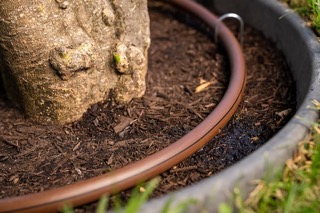
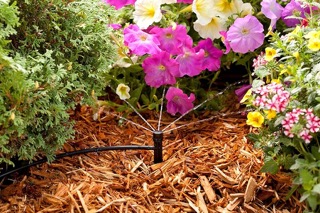
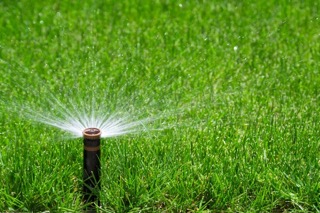
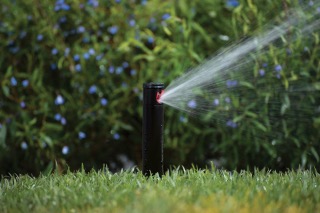
Toronto homeowners can choose from several types of smart irrigation systems. In-ground pop-up sprinkler systems are the most common for lawns — heads retract flush to the ground when not in use. Drip irrigation systems deliver water directly to plant root zones through emitter lines, ideal for garden beds and vegetable gardens, with 90% water efficiency rates. Micro-spray systems use low-volume heads for shrubs and ground cover. Rooftop and terrace systems use compact drip lines and pressure-regulated components for urban balconies. All modern systems can be upgraded with Wi-Fi smart controllers compatible with Rachio or Hunter Hydrawise apps, enabling remote scheduling, weather-based adjustments, and real-time leak alerts from your smartphone.
When Should You Schedule Irrigation Startup and Winterization in Toronto?
Timing your irrigation system's seasonal startup and winterization correctly is critical in Toronto's climate, where winter temperatures regularly drop below -20°C. The ideal spring startup window is between late April and mid-May, once nighttime temperatures remain consistently above 4°C. A professional spring activation includes system inspection, pressure testing, valve checks, sprinkler head adjustments, and controller reprogramming. Fall winterization (blowout) should be completed between late September and October, before the first hard frost. This process uses compressed air to purge all water from pipes and valves, preventing cracking and burst lines. Skipping winterization can result in $500–$2,000+ in repair costs the following spring.
Can a Smart Irrigation System Help Follow Toronto's Watering Restrictions?
Yes — smart irrigation systems are specifically designed to reduce water consumption and automatically comply with Toronto's municipal watering restrictions. The City of Toronto enforces seasonal watering bylaws that restrict lawn watering to specific hours (typically before 9 a.m. or after 5 p.m.) and prohibit watering during or immediately after rainfall. Smart controllers integrate real-time local weather data and rain sensor inputs to automatically skip scheduled cycles when restrictions apply. According to the EPA's WaterSense program, smart controllers save an average of 8,800 gallons (33,000 litres) per household per year. One GTA contractor reported helping clients conserve water equivalent to 44 Olympic-sized swimming pools in cumulative savings by 2025.
How Long Does It Take to Install a Smart Irrigation System in Toronto?
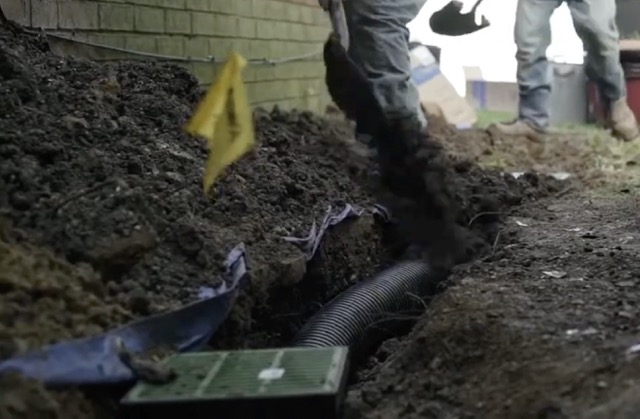
The installation timeline depends on property size, soil conditions, and system complexity. For a standard residential property (6–8 zones), professional installation typically takes 1 to 2 days. Larger properties requiring 10–16 zones may take 2 to 4 days. The process involves marking utility lines (mandatory in Ontario before digging), trenching to a minimum depth of 6–8 inches, laying PVC irrigation piping, installing valve boxes, placing sprinkler heads for head-to-head coverage, and programming the smart controller. Rooftop or balcony installations are generally faster, completing in 4–8 hours. Following installation, contractors conduct a full zone-by-zone test and walk homeowners through controller operation and the connected smartphone app.
What Maintenance Does a Smart Irrigation System Require in Toronto?
Smart irrigation systems in Toronto require seasonal and periodic maintenance to perform efficiently and last for 15–20 years — the average lifespan of a well-maintained in-ground system. Annual maintenance tasks include spring startup (pressure testing, sprinkler head adjustment, controller reprogramming), mid-season inspections (checking for clogged emitters, broken heads, and zone coverage), and fall winterization (compressed air blowout of all pipes and valves). Smart controllers send real-time alerts for leaks, pressure drops, and missed watering cycles. Common repair costs include sprinkler head replacement at $15–$50 per head and valve replacement at $80–$200 per valve. Annual maintenance programs reduce costs by up to 20% versus booking individually.
Why Are Smart Irrigation Systems a Smart Investment for GTA Homeowners?
Smart irrigation systems represent one of the highest-return landscaping investments in the Greater Toronto Area. The average payback period is less than 3 years when factoring in water savings, reduced labour costs, and lower repair bills. Real estate data shows that professional landscaping — including irrigation — increases residential property values by an average of 10–12% in Ontario's competitive housing market. For commercial properties, smart irrigation reduces maintenance costs by 30–40% annually through automated scheduling and remote monitoring. From a sustainability standpoint, smart systems directly support Toronto's municipal goal of reducing per capita water use by 15% by 2030.