Why Is My Irrigation Valve Box Full of Water After Winter?
A valve box that suddenly fills with water in spring usually means one of two things: either water is actively leaking into the box, or the box is simply collecting meltwater because it does not drain well. Active leaks are commonly caused by cracked PVC fittings, split manifolds, damaged valve bodies, or loose threaded connections that were stressed during freeze-thaw cycles. If the water level keeps rising with the irrigation main turned on, you are likely dealing with a pressure-side leak rather than normal runoff.
Can Freezing Temperatures Crack Parts Inside the Valve Box?
Yes. Even a small amount of trapped water can expand when it freezes and put serious stress on components inside the box. The most vulnerable parts are threaded adapters, elbows, tees, manifolds, and valve bonnets. Hairline cracks often go unnoticed until spring startup, when water pressure returns and the damaged part begins to seep or spray. This is especially common when a system was not fully winterized or if a low spot held water after the blowout.
How Do You Tell If the Leak Is Coming From the Valve or the Pipe Fittings?
Start by exposing the inside of the box and drying it as much as possible. Then slowly pressurize the system and watch for the first point where water appears. If water beads around the top screws, bonnet seam, or solenoid area, the valve itself may be failing. If the leak forms at an elbow, tee, union, or threaded joint, the issue is more likely a cracked fitting or a bad seal. A small inspection mirror and dry paper towel make it much easier to pinpoint the exact source.
Why Does the Box Leak Even When No Irrigation Zone Is Running?
If the box takes on water while every zone is off, the problem is usually on the pressurized side of the system. That can mean a cracked mainline fitting, a valve that is not sealing completely, or a slow leak at a threaded connection upstream of the zone lines. In some cases, a worn diaphragm, O-ring, or bonnet gasket allows a constant seep that never fully stops. This kind of leak should be addressed quickly because it can waste a surprising amount of water over time.
What If the Valve Box Only Fills When One Specific Zone Turns On?
That usually points to a leak tied to that specific zone. The most likely culprits are a cracked valve outlet, broken lateral line connection, split manifold branch, or damaged fitting that only sees full pressure when that zone activates. If the box stays dry until one station starts, run each zone one at a time and note which one causes the water level to rise. That simple test narrows the repair area dramatically and helps distinguish a mainline issue from a zone-specific failure.
Can Poor Drainage Make a Minor Leak Look Worse Than It Is?
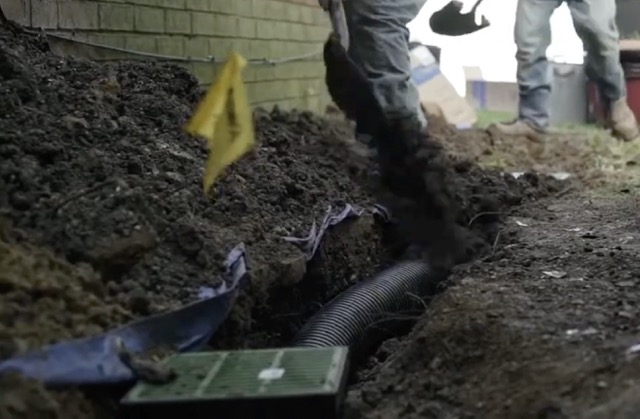
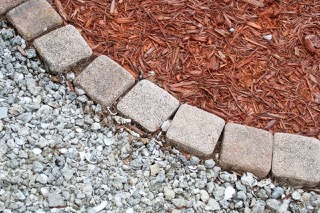
Absolutely. Valve boxes often sit below grade, so if the surrounding soil is compacted or clay-heavy, water can collect and linger even after a small drip. In spring, snowmelt, rain, and saturated ground can make a valve box look like it has a major plumbing failure when the real problem is only a minor seep combined with poor drainage. Once the actual leak is repaired, many homeowners also add gravel beneath the box or regrade the surrounding area to prevent future pooling.
Should You Shut the Irrigation Water Off Immediately?
Yes, especially if the water in the box is actively rising or the surrounding soil is getting soft. Turning off the irrigation main or isolation valve helps prevent erosion, washed-out wiring connections, and additional pipe stress. It also gives you a controlled way to inspect the leak without constant pressure feeding it. If you cannot isolate the irrigation supply separately, avoid repeatedly running the affected zones until the source has been identified.
How Much Does It Usually Cost to Repair a Leaking Valve Box?
Repair cost depends on what failed. Replacing a single cracked fitting or resealing a threaded connection is often the least expensive fix, while rebuilding a manifold or replacing multiple valves costs more. In many cases, homeowners spend roughly $150 to $350 for a simple leak repair and $400 to $900+ if the valve assembly, wiring, or several fittings need replacement. The sooner the leak is found, the better the odds that the repair stays small and localized.
Can Winterization Problems Cause Spring Valve Box Leaks?
Yes. Incomplete winterization is one of the biggest reasons spring leaks appear around valve boxes. If compressed air does not fully clear low sections, manifolds, or valves, residual water can freeze and expand inside the system. That expansion may damage diaphragms, solenoids, valve tops, PVC joints, and threaded adapters. Spring startup should always include a slow repressurization and visual inspection, because that is when freeze-related cracks usually reveal themselves.
How Can You Prevent the Valve Box From Leaking Again Next Winter?
Long-term prevention starts with a proper fall blowout and a careful spring startup. Make sure each zone is fully cleared, repair any weak fittings before winter, and confirm the box drains reasonably well. It also helps to replace aging seals, use quality schedule-rated PVC fittings, and avoid over-tightening threaded joints that can crack under pressure changes. A short preseason inspection every year can catch small issues before they turn into another flooded box after the thaw.