Why Does My Backyard Stay Soggy After Rain?
The most common cause of a soggy backyard in Toronto and the GTA is clay-heavy soil. Clay drains extremely slowly and compacts over time, leaving water nowhere to go after rainfall. Other frequent causes include poor yard grading that slopes toward the house instead of away from it, hardscape runoff from driveways and patios funnelling water into low spots, broken or blocked downspouts, and a high water table in low-lying properties. Identifying the root cause matters — the right wet backyard solution depends entirely on why the water is collecting in the first place.
What Is the Fastest Way to Fix a Wet Backyard?
The fastest short-term fix for a soggy backyard is correcting downspout drainage and adding extensions to direct water at least 1.5–2 metres away from the yard's low points. After that, aerating compacted soil and top-dressing with compost can improve absorption relatively quickly. For persistent wet areas, a catch basin or surface drain can be installed in a day and starts working immediately. For deeper or ongoing problems, a full drainage system installation is the most reliable and permanent solution available in the GTA.
What Is a French Drain and Does My Soggy Backyard Need One?
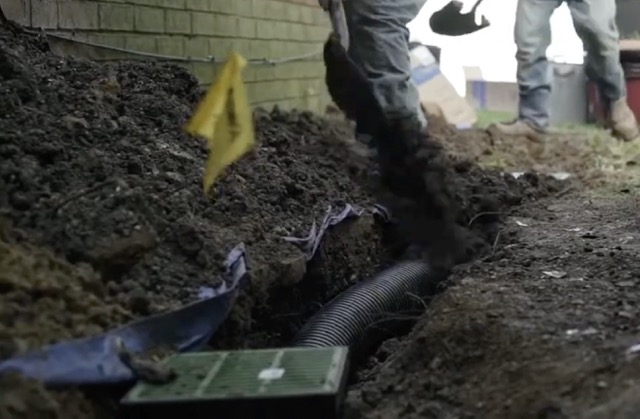
A French drain is a trench filled with gravel and a perforated pipe that collects subsurface water and redirects it away from the problem area. It is one of the most effective wet backyard solutions for properties where water is pooling due to poor soil drainage or grading rather than just surface runoff. If your yard stays wet for more than 48 hours after rain or has persistent muddy patches, a French drain is worth seriously considering. You can learn more about typical costs in our guide to French drain installation costs in Toronto and the GTA.
How Much Does It Cost to Fix a Soggy Backyard?
Costs vary significantly depending on the solution. DIY fixes like aerating, top-dressing, or redirecting downspouts can cost under $200 in materials. A catch basin installation typically runs $500–$1,500 depending on depth and pipe runs. A French drain system in the GTA generally starts around $2,500 and increases based on trench length, depth, and outlet location. Full yard regrading or a complete drainage system installation can run higher, but is often the most cost-effective solution over time compared to repeated lawn repairs and foundation risk. See our detailed French drain cost breakdown for Toronto and GTA.
Can Regrading Fix a Soggy Backyard on Its Own?
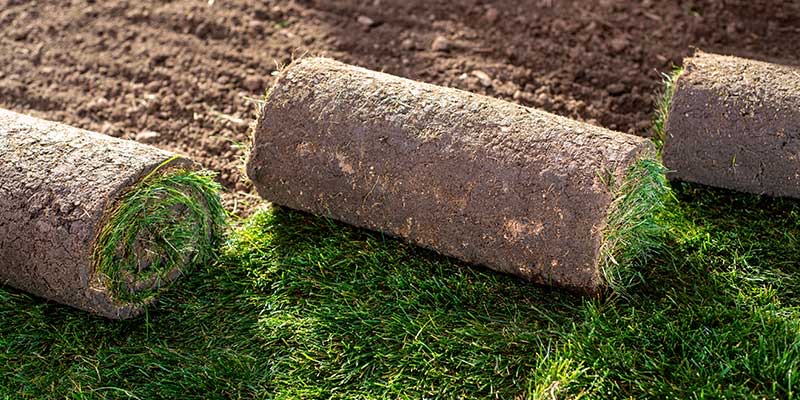
Yes — if poor grading is the primary cause. The ground around your home should slope away from the foundation at roughly 3–5 cm per metre for the first few metres. If your yard is flat or slopes inward, water has no natural path away from the property. Regrading involves bringing in topsoil to rebuild the slope and is often combined with a drainage pipe system to manage the redirected water properly. In many GTA properties, regrading alone can dramatically reduce standing water, though clay soil may still require additional drainage infrastructure to finish the job.
Do Rain Gardens or Dry Creek Beds Actually Work?
Both can be effective components of a broader wet backyard solution, but they work best in specific situations. A rain garden is a shallow planted depression designed to absorb runoff — it works well when the soil below has reasonable permeability and the volume of water is moderate. A dry creek bed is a decorative gravel channel that moves surface water across the yard to a better outlet point. Neither is a substitute for subsurface drainage in a yard with heavy clay soil, but both can reduce pooling when paired with proper grading and, where needed, a French drain or catch basin system.
What Plants Help With a Soggy or Wet Backyard?
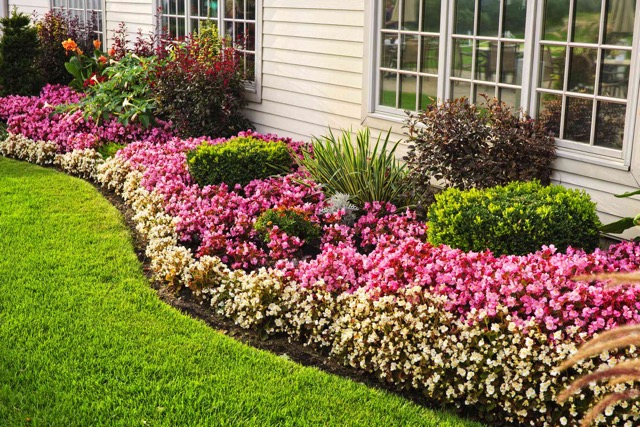
While plants alone won't fix serious drainage problems, selecting moisture-tolerant species for persistently wet areas can reduce visible pooling and prevent bare muddy patches from forming. Good choices for wet GTA conditions include red-twig dogwood, ostrich fern, Joe-Pye weed, swamp milkweed, and native sedges. Willows and river birch can also tolerate wet soil near low spots. Using the right plants buys time and improves the appearance of a soggy area while you plan or implement a longer-term drainage fix like a French drain or catch basin.
Can a Soggy Backyard Damage My Foundation?
Yes, and this is one of the most important reasons not to ignore a persistently wet backyard. When water collects against or near a foundation, it increases hydrostatic pressure on basement walls, accelerates efflorescence and cracking, and creates ideal conditions for water infiltration and mould. In freeze-thaw climates like Toronto's, saturated soil that freezes near a foundation can cause frost heaving and long-term structural movement. Addressing yard drainage early is significantly cheaper than foundation waterproofing or basement repairs later. A professional drainage system is often the most direct way to protect a home's foundation from water damage.
What Is the Difference Between a Catch Basin and a French Drain?
A catch basin is a surface inlet — a grated box set into the ground that collects standing water from the top down and routes it through underground pipe to a discharge point. It works best for low spots that collect surface runoff. A French drain is a subsurface system — a gravel-filled trench with a perforated pipe that intercepts water moving through the soil before it reaches the surface. Many properties benefit from both: a catch basin handles the surface pooling while a French drain intercepts the underground flow. If you're in Vaughan or the northern GTA, you can learn about drainage installation options in Vaughan specifically.
When Should You Call a Professional for a Soggy Backyard?
Call a professional when the problem is recurring season after season, when water is pooling within 1–2 metres of the foundation, when DIY fixes have not made a lasting difference, or when the yard stays saturated for more than 2–3 days after a rain event. A drainage contractor can assess whether the issue is a grading problem, a soil problem, a subsurface water problem, or a combination — and design the right system accordingly. For Toronto properties, professional drainage system installation is the most reliable path to a permanently dry, usable backyard.