What Is the Difference Between a Backflow Preventer and a Backwater Valve?
A backflow preventer is installed on the clean water supply side to stop contaminated water from reversing into drinking water. A backwater valve is installed on the drain or sewer side to help stop sewage or stormwater from backing up into a building. In simple terms, backflow prevention protects the water you drink, while a backwater valve protects the building from sewer backup.
What Does a Backflow Preventer Do?
A backflow preventer stops water from flowing backward into the potable water system. This matters for irrigation systems because sprinkler lines can contain soil, fertilizer, stagnant water, or contaminants from outdoor piping. If pressure changes cause back siphonage or back pressure, contaminated irrigation water must not be allowed to return to indoor plumbing or the municipal supply.
What Does a Backwater Valve Do?
A backwater valve is designed to close when sewage or stormwater tries to flow backward through the building drain. It is commonly discussed for basement flood protection, sewer backup risk, and properties with low basement fixtures. It does not protect drinking water from irrigation contamination, and it should not be confused with an irrigation backflow preventer.
Which One Does an Irrigation System Need?
An irrigation system deals with the clean water supply, so the relevant protection is usually a backflow preventer, not a backwater valve. The exact device depends on local rules, property type, hazard level, and plumbing design. For more detail, review whether irrigation systems need backflow preventers in Ontario.
Where Is a Backflow Preventer Installed?
A backflow preventer is installed on the water supply side, often near the water meter, service entry, or irrigation tie-in depending on the application and local requirements. For irrigation, placement must consider shutoff access, drainage, winterization, testing, and pressure loss. On regulated properties in Toronto, premise isolation devices have specific installation and testing requirements.
Where Is a Backwater Valve Installed?
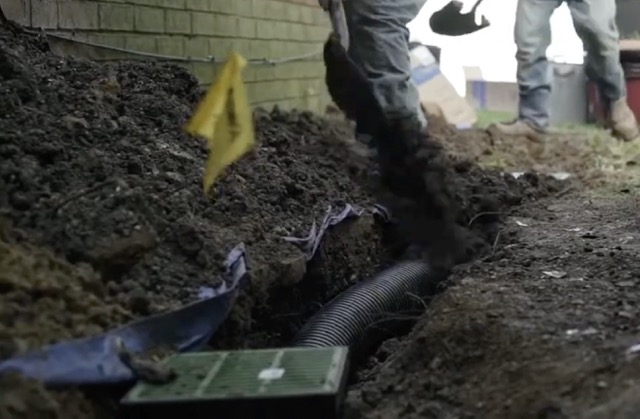
A backwater valve is installed on the building drain or sewer line, usually where it can protect basement fixtures from sewer backup. It must remain accessible for inspection and maintenance. It belongs to the drainage side of the plumbing system, not the irrigation water supply side. If a home has both irrigation and sewer backup risk, it may need both devices for different reasons.
Are Backflow Preventers Required by Law in Ontario?
Backflow requirements depend on the Ontario Building Code, local water by-laws, property type, and the cross-connection risk. Toronto’s Backflow Prevention Program applies to industrial, commercial, institutional, Part 3 residential properties, and construction sites. Residential irrigation requirements can vary by municipality, so homeowners should confirm local rules before connecting an irrigation system to plumbing.
Can a Backflow Preventer Affect Sprinkler Performance?
Yes. A backflow preventer can add pressure loss, especially if it is undersized, clogged, failing, or not matched to the irrigation system. Sprinkler design should account for available pressure after the backflow device. If the same yard also has retaining walls or grade changes, drainage and pressure should be planned together; see concrete vs stone retaining wall for related landscape drainage considerations.
Can a Backwater Valve Affect Sprinklers?
Normally, no. A backwater valve is on the sewer or drainage side, so it should not affect sprinkler water pressure or irrigation coverage. If sprinkler zones are dry, leaking, or losing pressure, the issue is more likely the water supply, backflow preventer, valves, sprinkler heads, or irrigation piping. If outdoor upgrades are happening at the same time, plan lighting routes carefully too; see outdoor lighting installation cost in Toronto.
How Do You Know Which Device You Need?
If the concern is contaminated water reversing into the clean water supply, you are dealing with a backflow preventer. If the concern is sewage or stormwater backing up into the basement, you are dealing with a backwater valve. Many properties can have both because they solve different risks. The right answer depends on plumbing layout, municipal requirements, flood risk, irrigation design, and property type.