What Are Toronto Backflow Prevention Requirements?
Under the City of Toronto Water Supply By-law, backflow prevention devices are mandatory for industrial, commercial, institutional, Part 3 residential properties, and construction sites that fall under the City’s Backflow Prevention Program. The purpose is to isolate private plumbing from the municipal water distribution system so contaminants cannot enter drinking water. For irrigation systems, requirements depend on property type, hazard level, and plumbing connection.
Do Toronto Irrigation Systems Need Backflow Preventers?
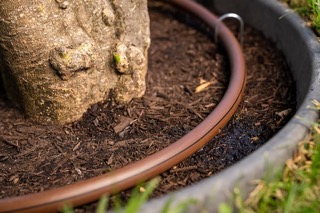
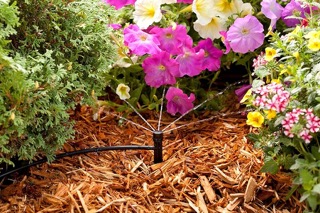
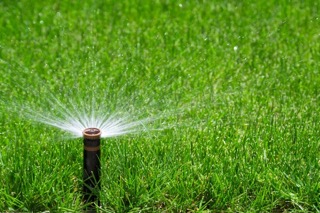
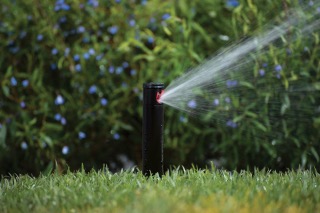
Irrigation systems can create a cross-connection risk because sprinkler lines are connected to outdoor piping, valves, heads, soil, and sometimes fertilizers or chemicals. If water pressure changes, contaminated water could be pulled or pushed back toward potable plumbing. For a broader Ontario explanation, see do irrigation systems need backflow preventers in Ontario.
Which Properties Are Covered by Toronto’s Program?
Toronto’s mandatory program applies to industrial, commercial, institutional, Part 3 residential properties as defined by the Ontario Building Code, and construction sites. Smaller residential properties may still need proper backflow protection for irrigation depending on plumbing configuration and applicable code, but the City’s formal Backflow Prevention Program language focuses on covered sectors and premise isolation requirements.
What Type of Backflow Device Does Toronto Require?
Toronto identifies two main premise isolation device types: a Double Check Valve Assembly for moderate hazard facilities and a Reduced Pressure Principle Assembly for severe hazard facilities. The correct device depends on the hazard classification and site conditions. Irrigation systems should be reviewed by qualified plumbing professionals so the selected device matches the risk, flow demand, testing requirements, and installation location.
Where Should the Backflow Prevention Device Be Installed?
For premise isolation under Toronto’s program, devices should be installed immediately after the water meter and bypass piping, with no branch or hose connections between the meter and the device. Toronto also states that thermal expansion must be addressed within the private plumbing system. Reduced Pressure Principle devices must have adequate drainage and cannot be installed below grade in a pit, chamber, or vault.
Who Can Install a Backflow Preventer in Toronto?
Backflow prevention devices covered by Toronto’s program must be installed by a plumber licensed with the City of Toronto. A building permit is required for new installations and replacements of premise isolation backflow prevention devices. Because irrigation work often connects outdoor sprinkler design with indoor plumbing, the plumbing tie-in should be planned before zones, valves, and sprinkler heads are finalized.
How Often Does a Backflow Device Need Testing in Toronto?
Toronto requires backflow devices to be tested at the time of initial installation, within 72 hours after cleaning, repair, replacement, service, or overhaul, and at least once per year. Testing must be completed by qualified certified professionals, and results must be submitted through the City’s online test report process. Records submitted to the City should be kept on-site for a minimum of seven years.
Can Backflow Prevention Affect Irrigation Pressure?
Yes. A backflow prevention device can reduce available pressure, especially if it is undersized, dirty, failing, or not considered during system design. Sprinkler zones should be designed around pressure after the backflow device, not only at the water meter. If the yard also has slopes or retaining walls, drainage and irrigation pressure should be planned together; see concrete vs stone retaining wall for related landscape drainage planning.
What Happens If a Backflow Device Fails Testing?
If a backflow device fails, it generally needs cleaning, repair, replacement, or further service before it can be considered compliant. Toronto requires testing again within 72 hours after a device is cleaned, repaired, replaced, serviced, or overhauled. A failed device should not be ignored because it is meant to protect drinking water, and it may also affect irrigation performance, system pressure, or device discharge.
How Should Backflow Planning Fit Into an Outdoor Project?
Backflow planning should happen before irrigation installation, grading, lighting, planting, or hardscape work. The device location affects access, drainage, winterization, pressure, and future maintenance. If lighting or landscape upgrades are happening at the same time, plan utility routes carefully; see how much outdoor lighting costs in Toronto for related project budgeting.