How Much Does Stepping Stone Installation Cost in Toronto?
In Toronto, stepping stone installation commonly costs about $75 to $250+ per installed stone, depending on stone size, base preparation, access, and finishing material. A small garden path may cost around $1,500 to $3,000, while larger natural stone walkways, side-yard paths, or backyard designs can reach $3,000 to $5,000+. Costs increase when excavation, grading, gravel base, drainage, or planting work is needed.
What Affects the Cost of Stepping Stone Installation?
The biggest cost factors are stone type, stone size, number of stones, base depth, labour, access, grading, edging, infill material, and disposal. Installing stones on flat garden soil is usually cheaper than cutting into established turf, correcting drainage, or building a compacted gravel base. Natural flagstone and large slabs usually cost more than simple precast concrete stepping stones.
How Much Do Stepping Stones Cost by Material?
Basic precast stepping stones may cost roughly $25 to $75 each, while larger concrete slabs, limestone, or flagstone pieces often cost more. Natural stone can range widely depending on thickness, shape, supplier, and delivery. The installed price is higher than material cost alone because each stone needs layout, excavation, leveling, base preparation, and finishing around the edges.
Is It Cheaper to Install Stepping Stones on Grass or Gravel?
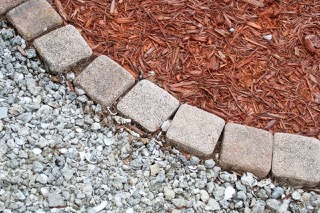
Installing stepping stones directly into grass can be cheaper at first, but it may require more maintenance if stones shift, sink, or become hard to mow around. A gravel or mulch path usually costs more because it needs excavation, edging, base preparation, and infill, but it often looks cleaner and drains better. For path finishes, see gravel and mulch installation services.
How Far Apart Should Stepping Stones Be Placed?
Stepping stones should be spaced for a natural walking stride, often around 18 to 24 inches from centre to centre, depending on stone size and who will use the path. Too close can feel crowded, while too far apart can be awkward or unsafe. Curved paths, side yards, and garden walkways may need slightly different spacing than a straight front-yard path.
Do Stepping Stones Need a Gravel Base?
A gravel or compacted base is often recommended when stones need to stay level, support frequent use, or drain properly. Without a base, stones can settle unevenly, especially in clay soil, wet areas, or high-traffic zones. A simple decorative garden path may need less base preparation than a main walkway, but proper leveling still matters for safety and appearance.
Can Stepping Stones Be Installed With Planting Beds?
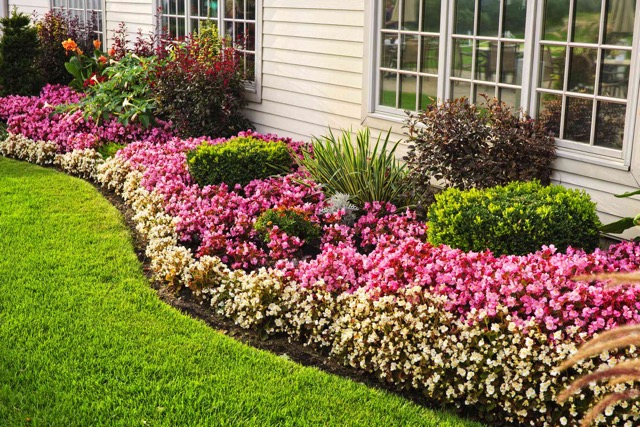
Yes. Stepping stones work well through garden beds, around privacy planting, beside patios, and between lawn and landscape areas. If plants are being added at the same time, the path layout should be planned before planting so roots, irrigation, mulch, and stone placement do not conflict. For garden design and installation, see planting services in Toronto.
Are Stepping Stones Better Than a Full Paver Walkway?
Stepping stones are usually better for casual garden paths, side-yard access, and natural backyard routes. Paver walkways are better for formal entrances, high-traffic areas, and places where people need a continuous hard surface. Stepping stones often cost less than a full paver walkway because there is less surface area, but premium stone and careful base work can still make the project substantial.
Can Stepping Stones Be Part of a Full Landscaping Project?
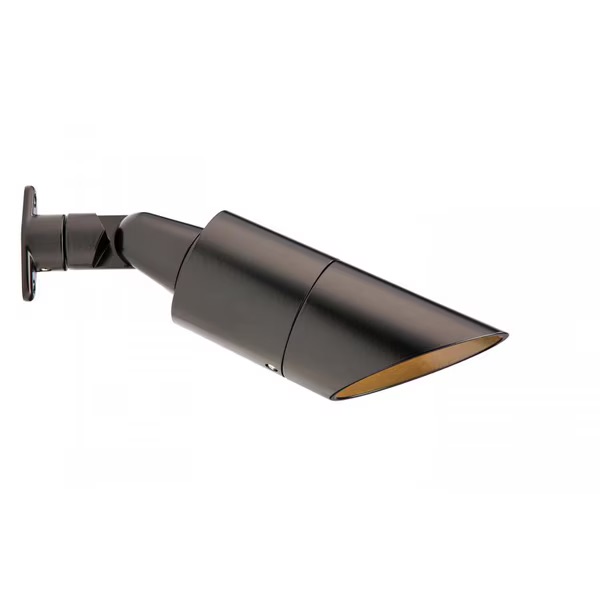
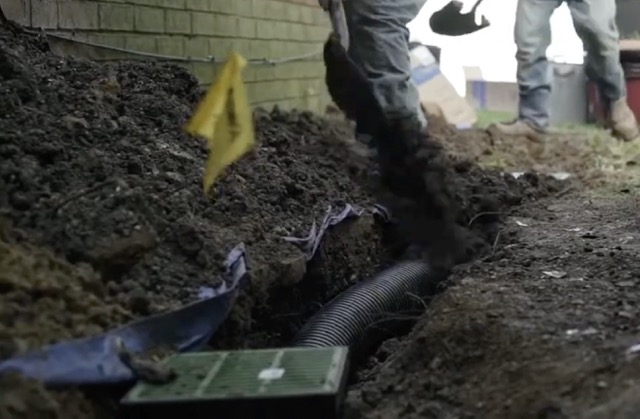
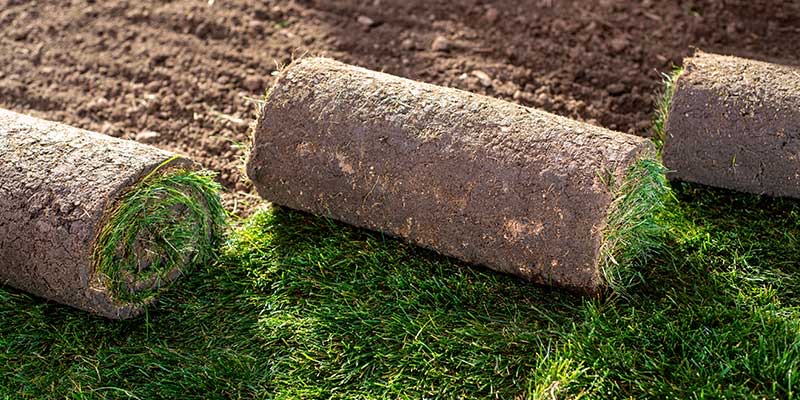
Yes. Stepping stones are often installed with mulch beds, gravel paths, sod, privacy planting, outdoor lighting, drainage improvements, and patio upgrades. Combining these tasks can create a cleaner design and reduce rework. A complete landscaping plan can coordinate path placement, grading, planting, stone selection, and maintenance needs.
Is Professional Stepping Stone Installation Worth It?
Professional installation is worth it when the path needs proper grading, stable base preparation, clean spacing, drainage, edging, or integration with planting and mulch. DIY can work for a small decorative path, but uneven stones can become a trip hazard or sink over time. Professional work is especially useful for side yards, sloped properties, wet areas, and paths that connect major outdoor living spaces.