









Cut Wire After Digging
If the wire damage is visible, the repair may be straightforward. The damaged section should be cleaned, reconnected, and sealed with waterproof irrigation connectors rated for wet or direct-burial locations.
Usually, the price for irrigation opening is $100 + tax. The price can vary if the system is commercial or big residential.
GET IT NOWBasically, the price for winterization is $100 + tax. The cost can vary if the system is commercial or big residential.
GET IT NOWPrices start at $550 per zone. We use Hunter and Rain Bird materials. 5-year warranty. Parts and labor are included.
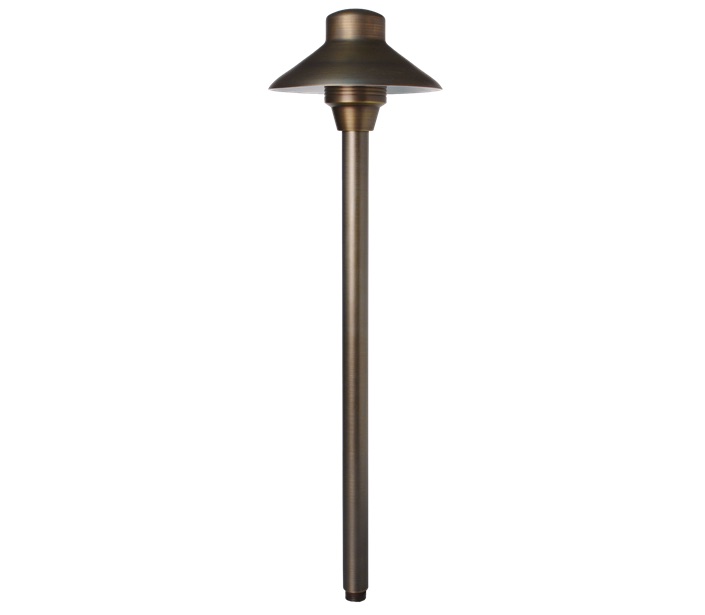
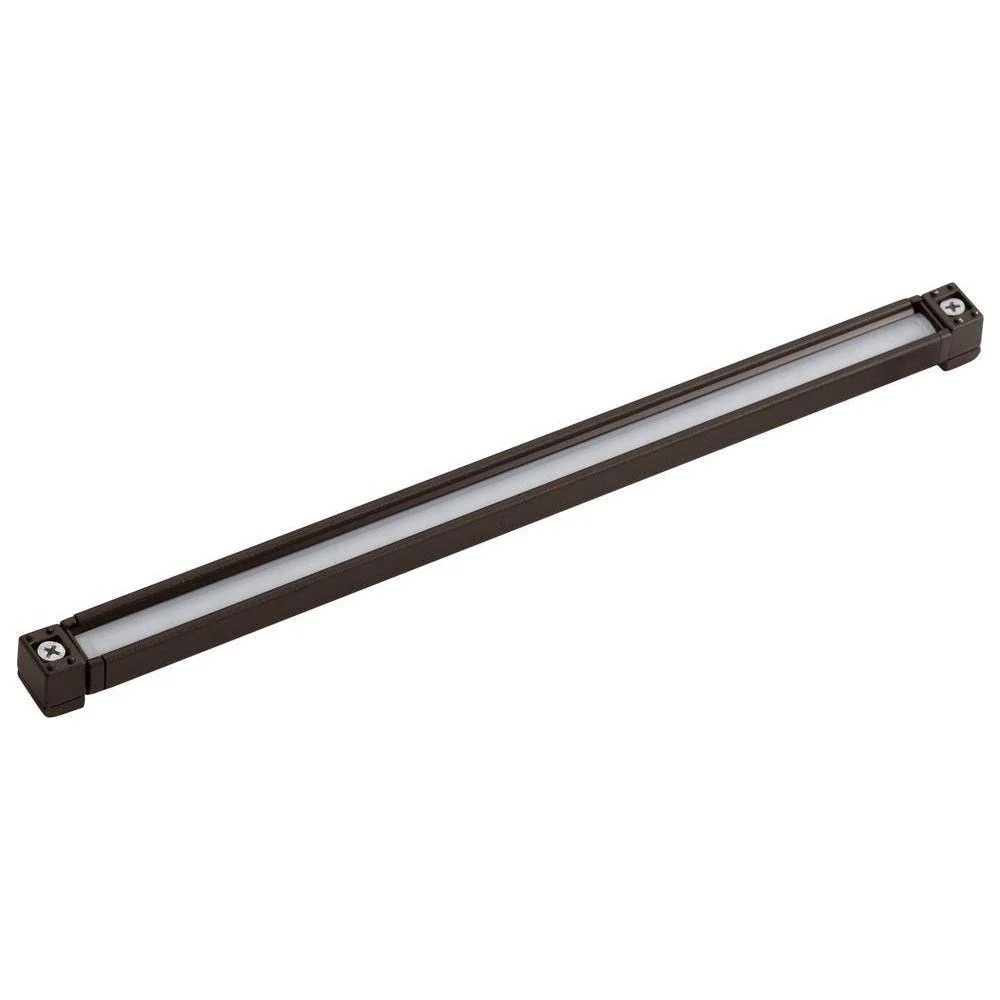
GET IT NOWLED fixtures start from $250 due to long lifespan and reduced maintenance costs. Parts & labour are included.
GET IT NOWResidential sod averages $1.10β$3.50 per sq.ft. Commercial starts at $0.75. Labour is included.
GET IT NOWFrench drainage installation cost ranges $25β$40 per foot depending on complexity. Parts and labor are included.
GET IT NOWFull inspection, diagnostics, pressure testing, and system adjustments.
BOOK ONLINE
A sprinkler wire cut can stop one zone, several zones, or the whole irrigation system from working. The issue may be a damaged zone wire, broken common wire, bad splice, corroded valve-box connection, or wire cut during digging, planting, edging, lighting, fence work, or landscaping.
A sprinkler wire cut usually shows up as a zone that will not turn on from the controller. If only one zone fails, the cut may be in that zone wire. If several zones fail, the problem may be the common wire, a shared splice, or damage near the valve manifold.
Sprinkler wires are often damaged during planting, edging, trenching, fence posts, landscape lighting, sod removal, patio work, grading, or digging near valve boxes. If the break is hidden underground, we offer a $180 flat-rate wire finder service to trace the wire issue and locate the problem area.
If the wire damage is visible, the repair may be straightforward. The damaged section should be cleaned, reconnected, and sealed with waterproof irrigation connectors rated for wet or direct-burial locations.
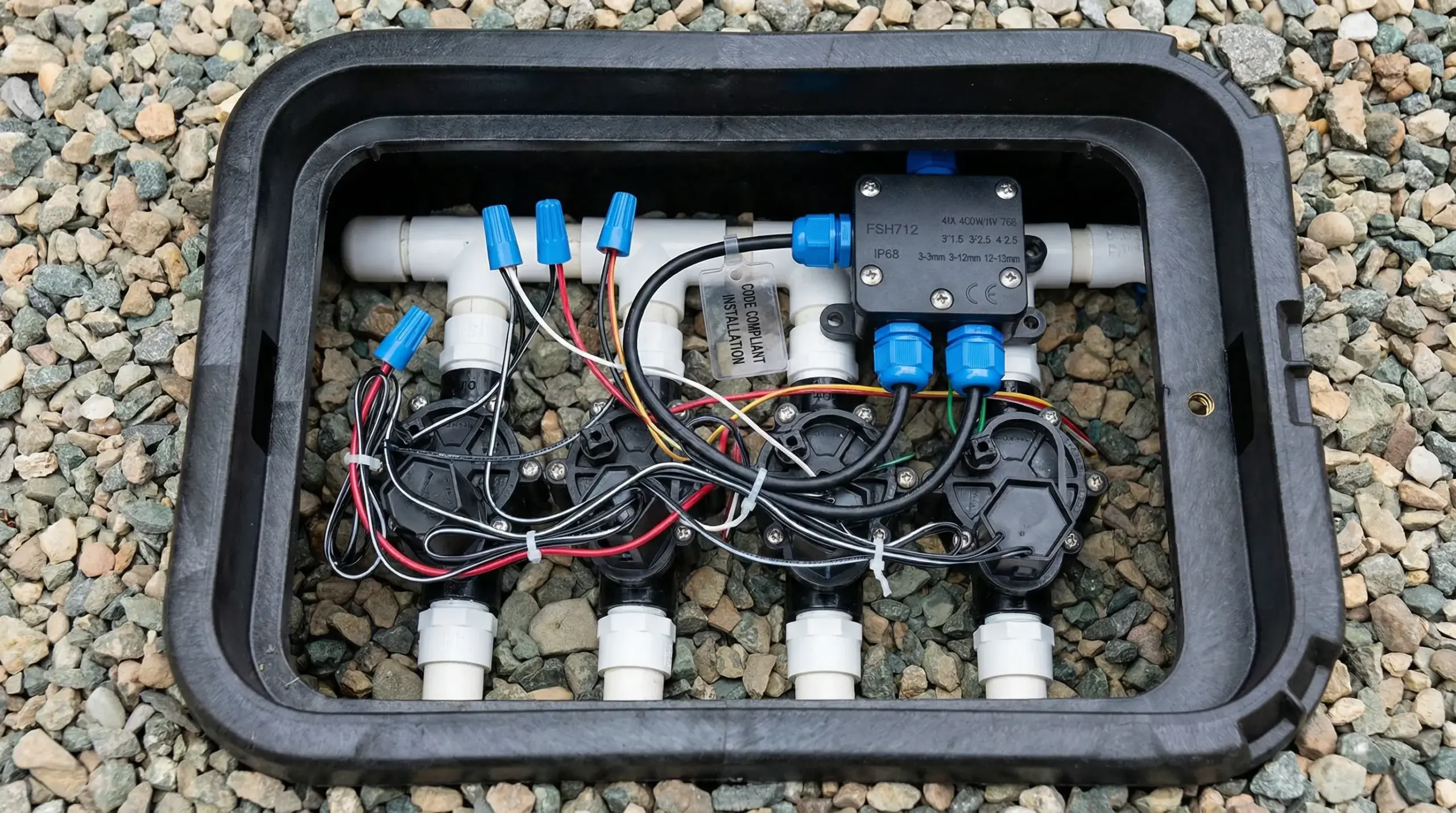
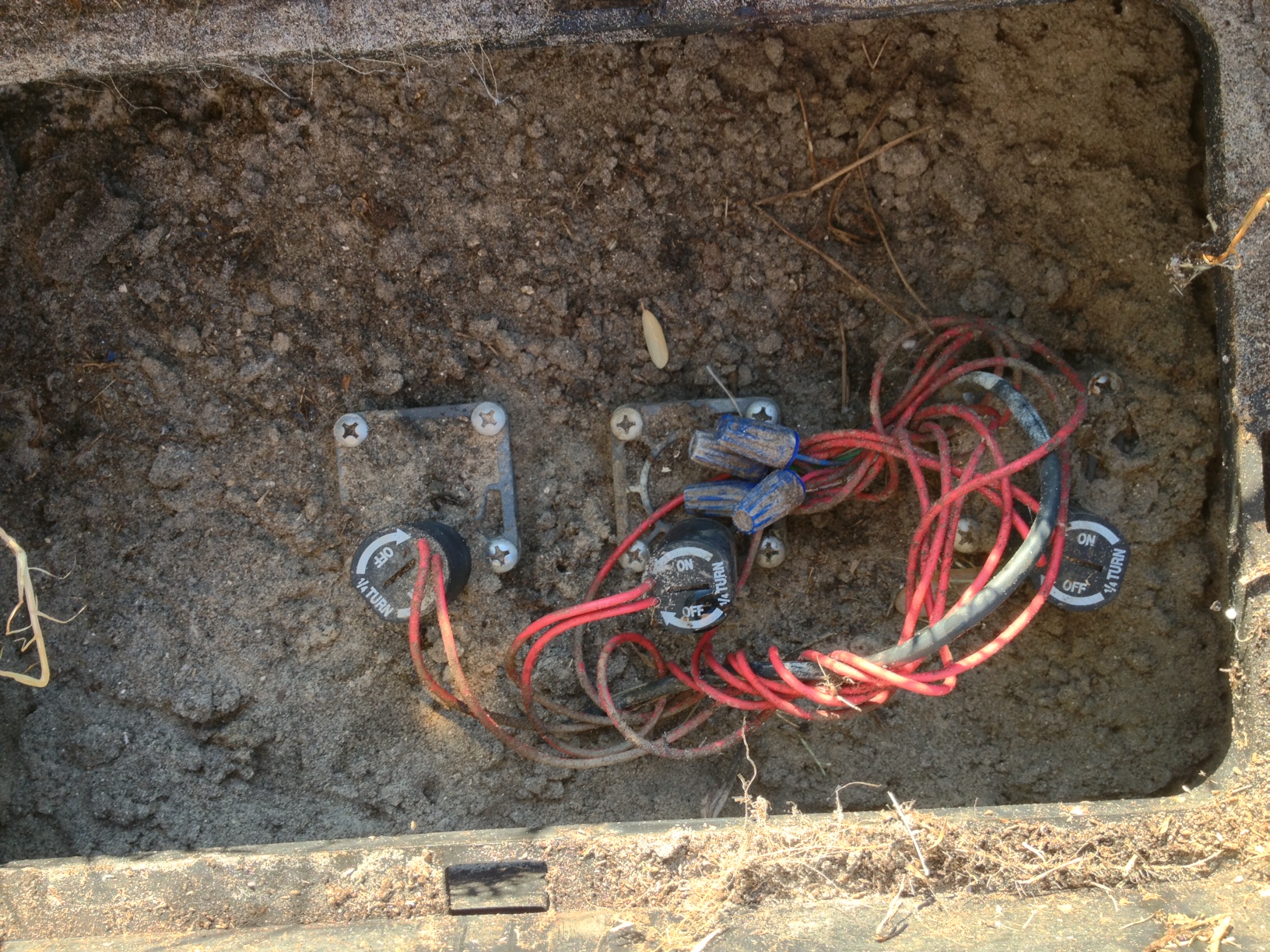
Valve boxes are common failure points because they are wet, dirty, and often disturbed during repairs. A loose splice, corroded connector, or disconnected solenoid wire can stop one or more zones.
If the wire is cut underground and the break is not visible, a wire locator can trace the path and help find the damaged area without random digging across the lawn or garden bed.
If a sprinkler zone stopped working after digging, planting, landscaping, fence work, lighting installation, or unknown yard work, the wire break may be hidden underground. Our wire finder service helps trace the irrigation wire path, locate the problem area, and reduce unnecessary digging.
Common signs include one zone not turning on, several zones not working, a controller fault, a valve that does not click, or a zone that works manually at the valve but not from the timer. A cut common wire can affect multiple zones at once.
Start with the controller terminals, then check the valve box. Look for loose wires, corroded splices, damaged connectors, exposed copper, cut insulation, wires pulled loose, or damage near recent digging and landscaping work.
Professionals may use a wire locator, multimeter, resistance testing, continuity testing, and valve-box inspection. A wire finder can trace the route of the irrigation wire and narrow down where the break or short is located.
If the damaged wire ends are visible, a small splice repair may be possible. Use waterproof irrigation wire connectors designed for wet or direct-burial conditions. Regular indoor wire nuts are not suitable for valve boxes or buried sprinkler wiring.
If the wire is cut underground and the damaged spot is not visible, random digging can create more damage. A wire finder service can trace the wire path and help locate the break more accurately before repair work begins.
Yes. Planting, edging, aeration, fence posts, landscape lighting, grading, sod removal, trenching, and digging can cut sprinkler wires. If the problem started after yard work, inspect that work area first. For related troubleshooting, see why one sprinkler zone is not working.
For most Toronto sprinkler systems, a sprinkler wire cut is caused by digging damage, a loose controller terminal, corroded splice, broken common wire, disconnected solenoid wire, valve box moisture, or hidden underground wire damage from landscaping work.