How often should new sod be watered?
Water new sod every morning for the first 10 to 14 days, and add a second light watering during hot or windy weather. The sod should stay moist, but puddles should not sit on the lawn.


















New sod in Toronto needs steady moisture while roots knit into the soil. The first two weeks are the most important because fresh sod can dry out quickly on hot, windy, or sunny days.
Water new sod every morning for the first 10 to 14 days, and add a second light watering during hot or windy weather. The sod should stay moist, but puddles should not sit on the lawn.
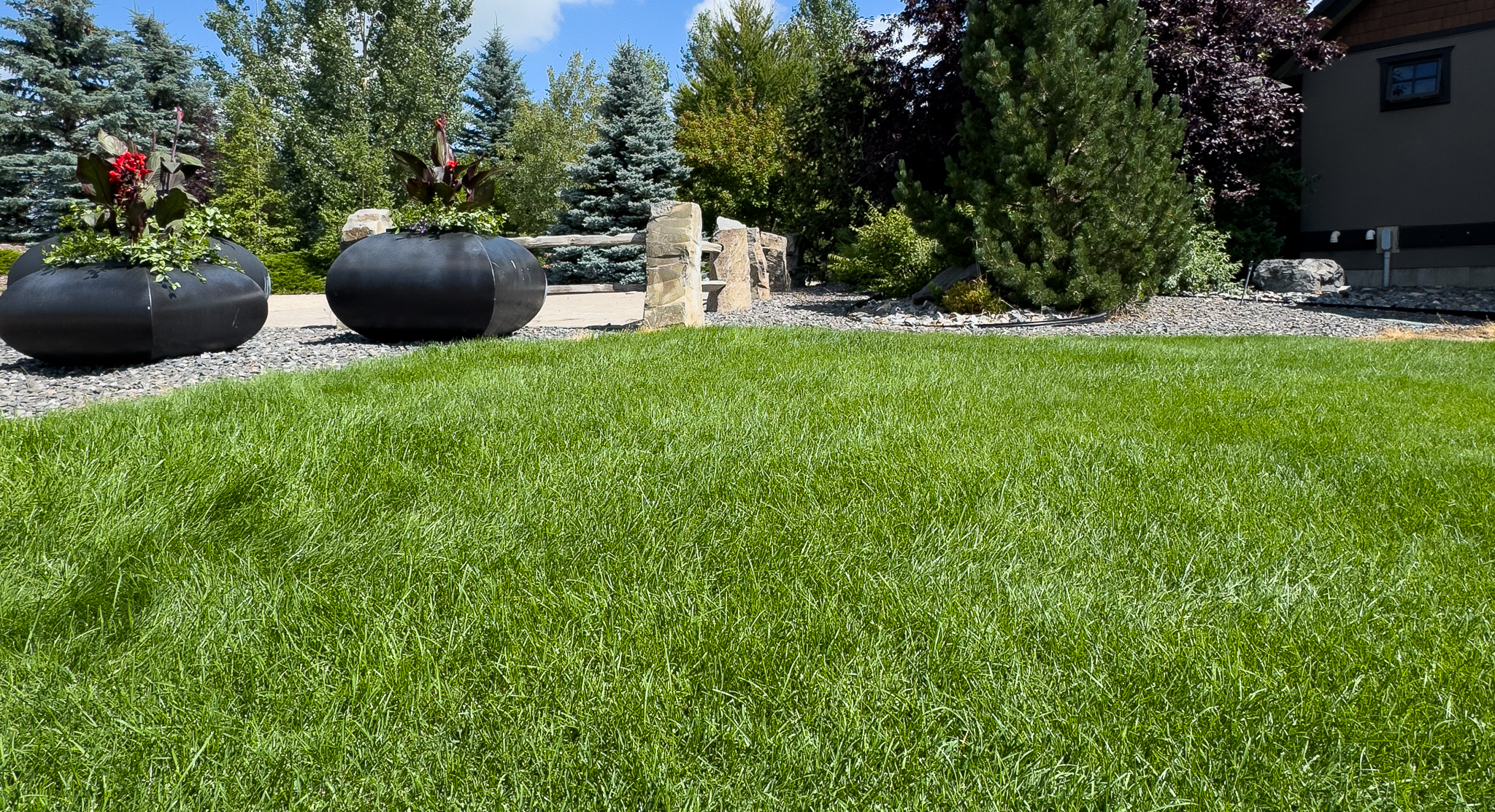
Lift a corner gently. The soil under the sod should feel damp, not dusty. If corners shrink, seams open, or grass turns grey-green, the lawn is likely drying out.
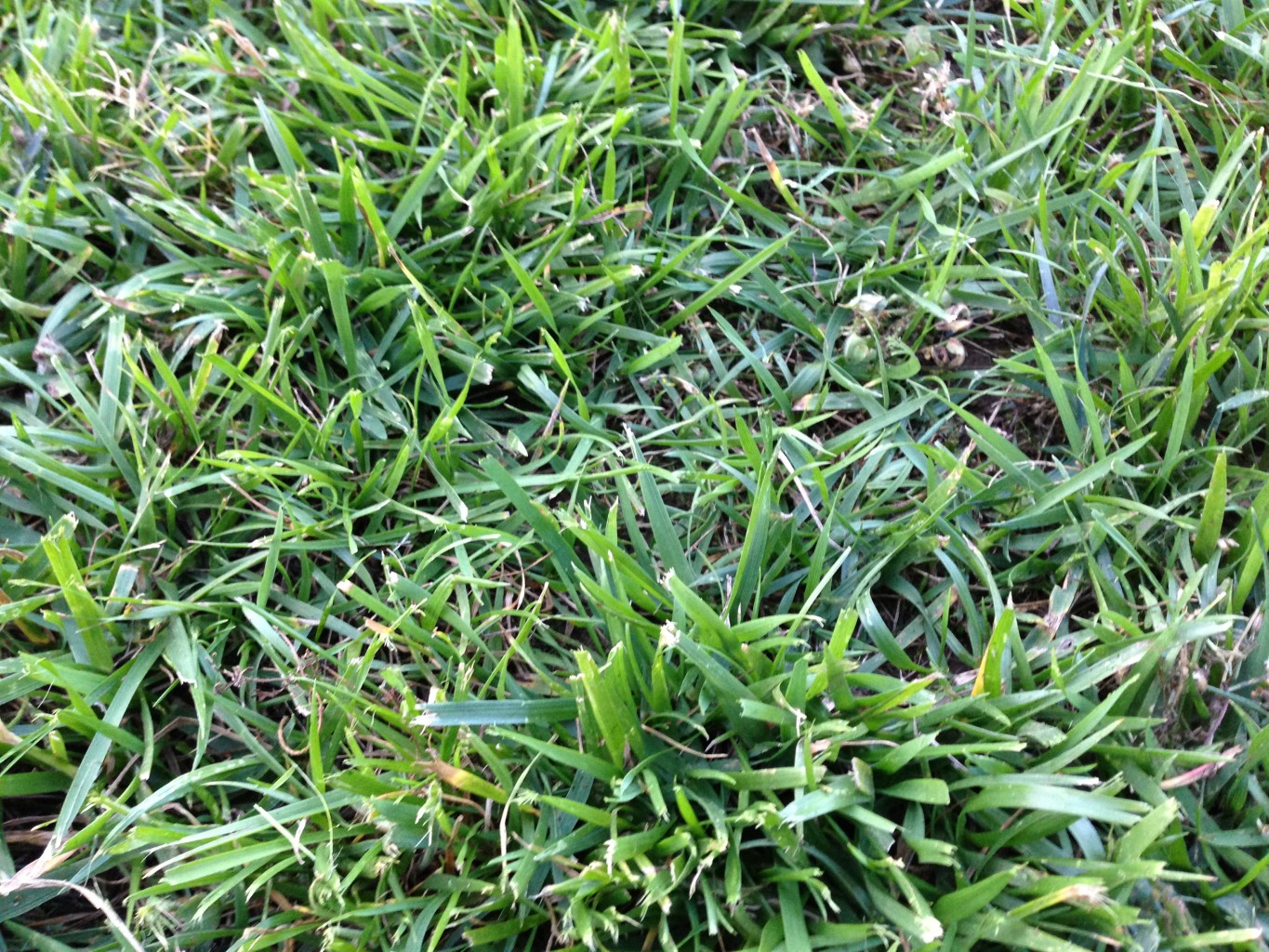
Once the sod resists a gentle tug, roots are starting to establish. At that point, reduce frequency and water more deeply so roots grow downward.
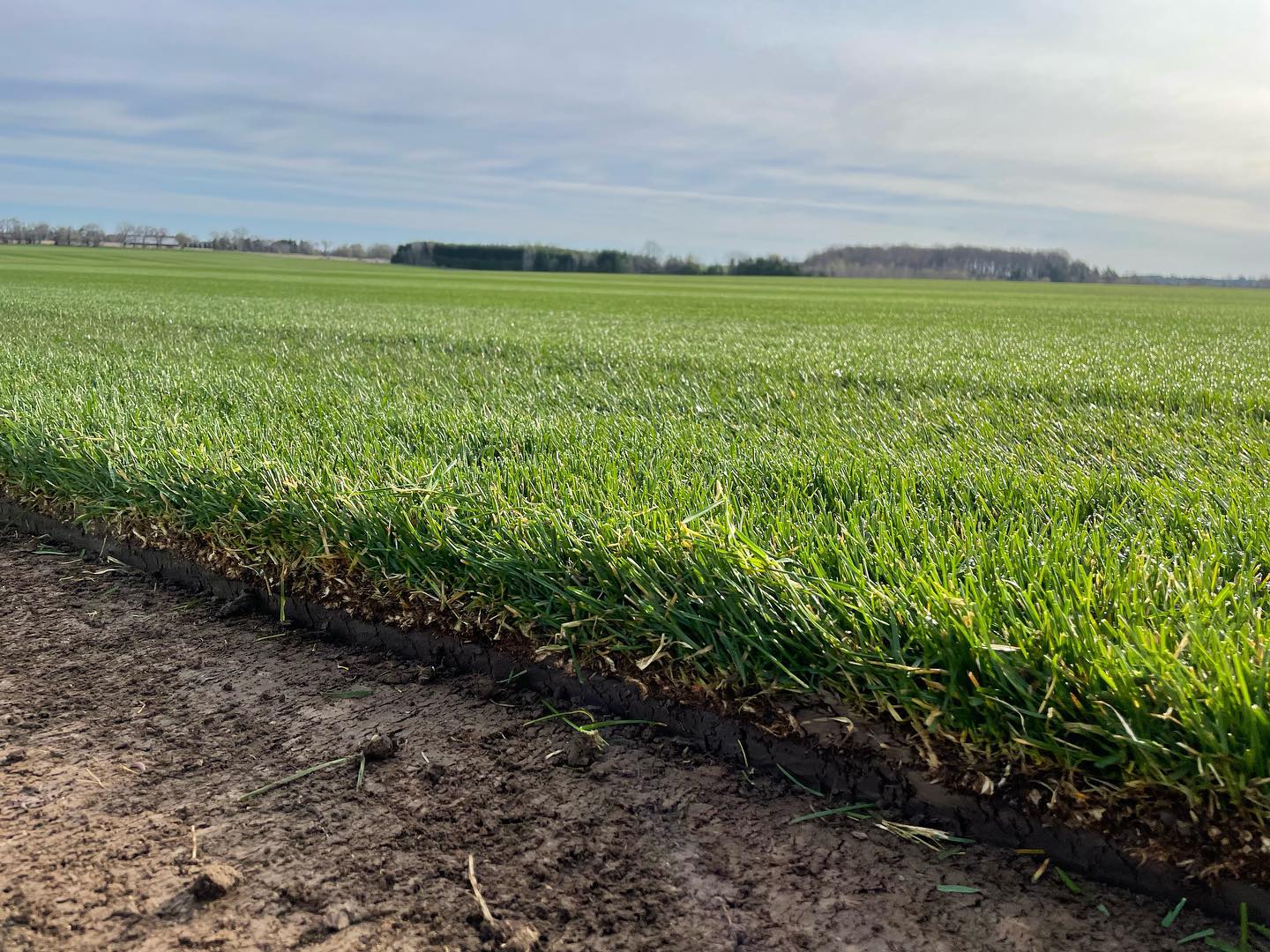
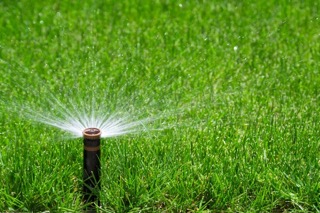
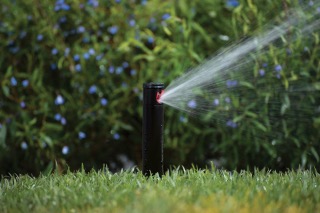
Yes. A properly adjusted irrigation system gives even coverage and reduces dry edges. Before installation, sprinkler heads should be checked so every roll gets water.


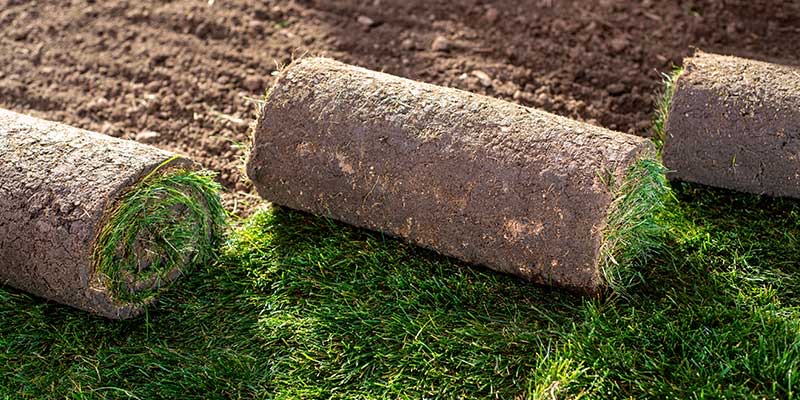
Good sod work is not only laying rolls. The lawn area should be cleaned, graded, topped with suitable soil where needed, and watered immediately after installation.
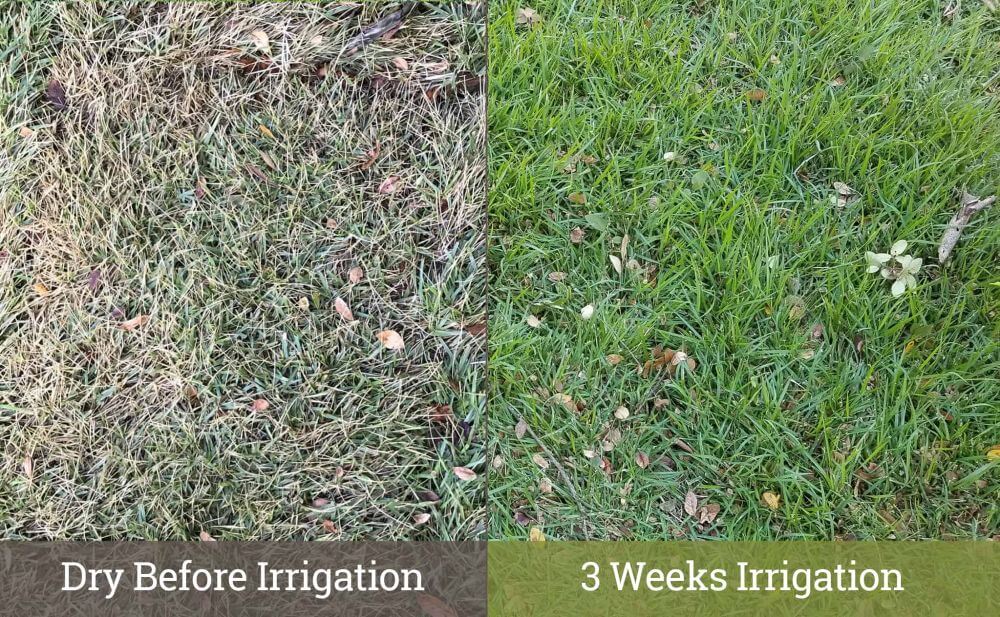
Even watering is one of the biggest differences between a lawn that roots evenly and a lawn that dries out in patches. Sprinkler coverage should be checked before or right after installation.
New sod should be watered immediately after installation and kept consistently moist during the first stage of rooting. In Toronto, the exact schedule depends on weather, sun exposure, soil type, slope, and whether the property has automatic irrigation or hose-end sprinklers.
For the first 10 to 14 days, the goal is moisture at the sod and soil interface. The roots are still shallow, so the lawn can dry quickly on sunny afternoons, windy days, and along edges beside driveways, patios, fences, and sidewalks.
After the sod begins to root, watering should gradually shift from frequent light watering to deeper watering. This encourages roots to grow downward instead of staying shallow. A sprinkler system or timer can make the schedule much easier to manage.
Yes, in the first stage it usually needs daily watering, and sometimes more than once per day during hot or windy conditions.
Dry sod may turn grey-green or brown, shrink at the seams, curl at the edges, or feel dry underneath when lifted gently.
Yes. The sod should be moist, not flooded. Puddles, squishy soil, or a sour smell can mean too much water or poor drainage.
Once the sod resists a gentle tug and roots are starting to establish, begin watering less often but more deeply.
Need help with sod installation, lawn repair, grading, or irrigation coverage in Toronto or the GTA? The right prep and watering plan can make the new lawn establish faster and look cleaner.
Get Sod Installation Help