/how-to-lay-sod-to-start-new-lawns-2132203_Hero1A-339b58bbe9ff4ae98e1d965e0e510ba0.jpg)
Why does new sod turn brown?
The most common reason is dryness. Fresh sod has shallow roots and can brown quickly if it does not get enough water in the first days after installation.












New sod turning brown is usually a watering, rooting, soil, or heat-stress issue. In Toronto, the problem often shows up along edges, seams, sunny slopes, and areas missed by sprinklers.
New sod usually turns brown because it is drying out, especially at seams, edges, sunny areas, slopes, or spots missed by sprinklers. Other causes include poor soil contact, too much water, compacted soil, heat stress, or drainage problems. Check moisture under the sod first.
The most common reason is dryness. Fresh sod has shallow roots and can brown quickly if it does not get enough water in the first days after installation.
:max_bytes(150000):strip_icc()/how-to-lay-sod-to-start-new-lawns-2132203_12-524437e7f6e44ff0b8bf68371acaeed8.jpg)
Yes. Constant puddling can reduce oxygen around roots and slow establishment. The lawn should be moist, not swampy.

Brown seams often mean edges dried out or pulled apart. Keep seams moist, press loose edges down, and topdress small gaps if needed.

Call if brown areas spread despite watering, if sod lifts easily after two weeks, or if the lawn has drainage, grading, or sprinkler coverage problems.


Good sod work is not only laying rolls. The lawn area should be cleaned, graded, topped with suitable soil where needed, and watered immediately after installation.
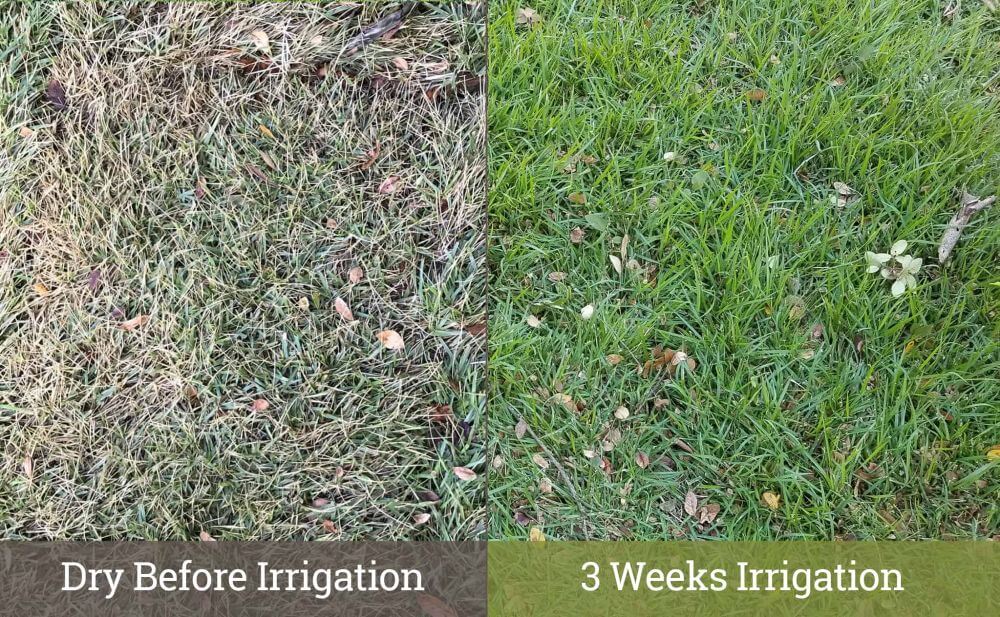
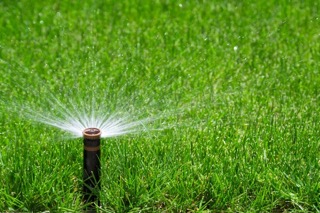
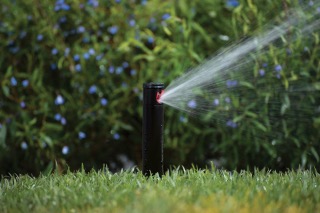
Even watering is one of the biggest differences between a lawn that roots evenly and a lawn that dries out in patches. Sprinkler coverage should be checked before or right after installation.
New sod turning brown is one of the most common lawn concerns after installation. In Toronto, the cause is often uneven watering, dry seams, hot pavement nearby, poor soil contact, or sod that was stressed before it rooted.
Brown areas do not always mean the sod is dead. Sometimes the lawn is drying at the edges or entering stress, and quick correction can help it recover. The first step is to check moisture under the sod, not only on top of the grass blades.
If the sod stays loose, smells bad, puddles constantly, or browns in the same area after watering, there may be a deeper problem such as poor grading, compacted soil, drainage trouble, or sprinkler coverage gaps.
Sometimes yes, especially if it is only drought stress and the roots are still alive. Fast watering correction improves the chance of recovery.
Seams dry faster than the middle of each roll. Keep them moist and make sure edges are pressed into the soil.
One brown area often points to missed sprinkler coverage, reflected heat, compacted soil, a low spot, or poor soil contact.
Replace it only if it is dead and not rooting. First check water, soil contact, drainage, and irrigation coverage.
Need help with sod installation, lawn repair, grading, or irrigation coverage in Toronto or the GTA? The right prep and watering plan can make the new lawn establish faster and look cleaner.
Get Sod Installation Help