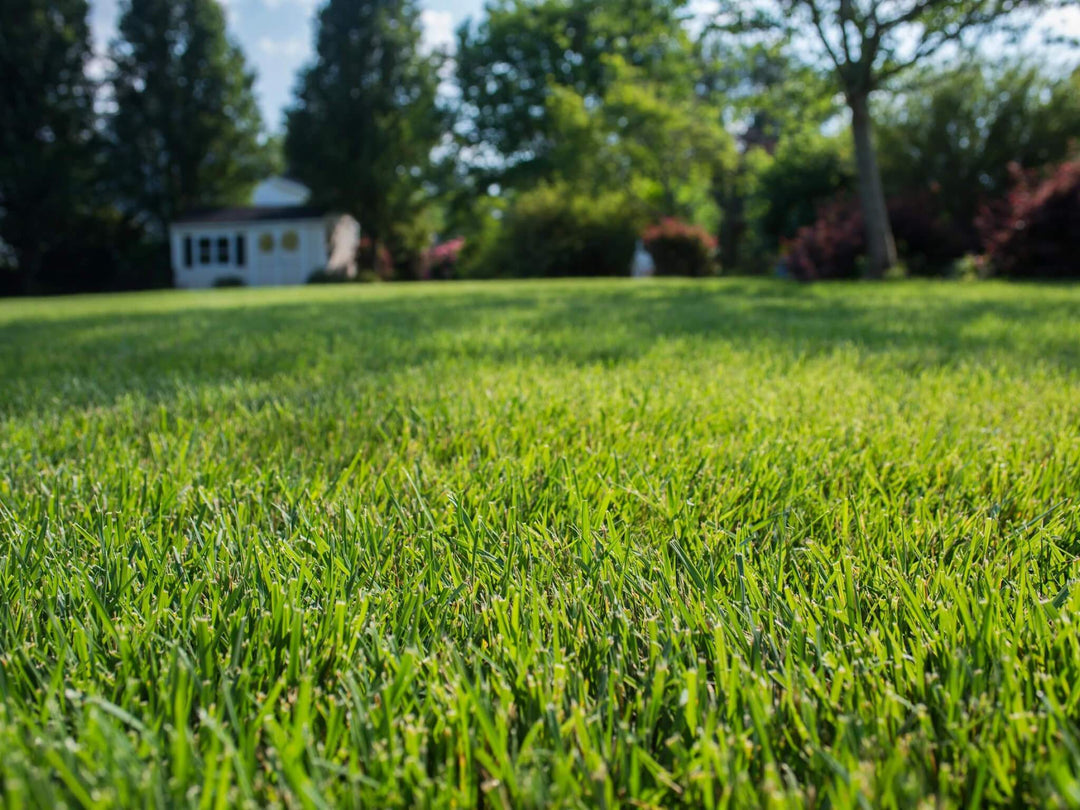
How should soil be prepared for sod?
Remove old grass, weeds, roots, stones, and construction debris. Then grade the area so water moves away from the house and does not sit in low spots.










Good sod depends on what happens before the rolls arrive. Soil preparation affects rooting, drainage, levelness, and how healthy the lawn looks after the first month.
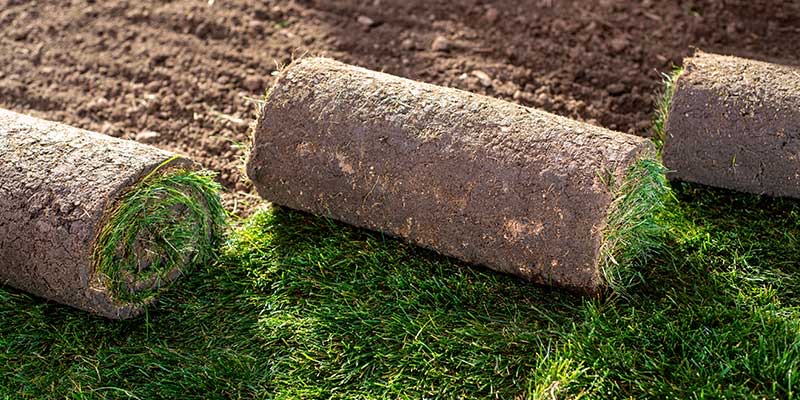
Soil should be prepared by removing old grass and weeds, clearing stones and debris, correcting low spots, adding quality screened topsoil where needed, lightly grading for drainage, and firming the surface before sod is laid. Good soil contact is the main reason sod roots successfully.
Remove old grass, weeds, roots, stones, and construction debris. Then grade the area so water moves away from the house and does not sit in low spots.
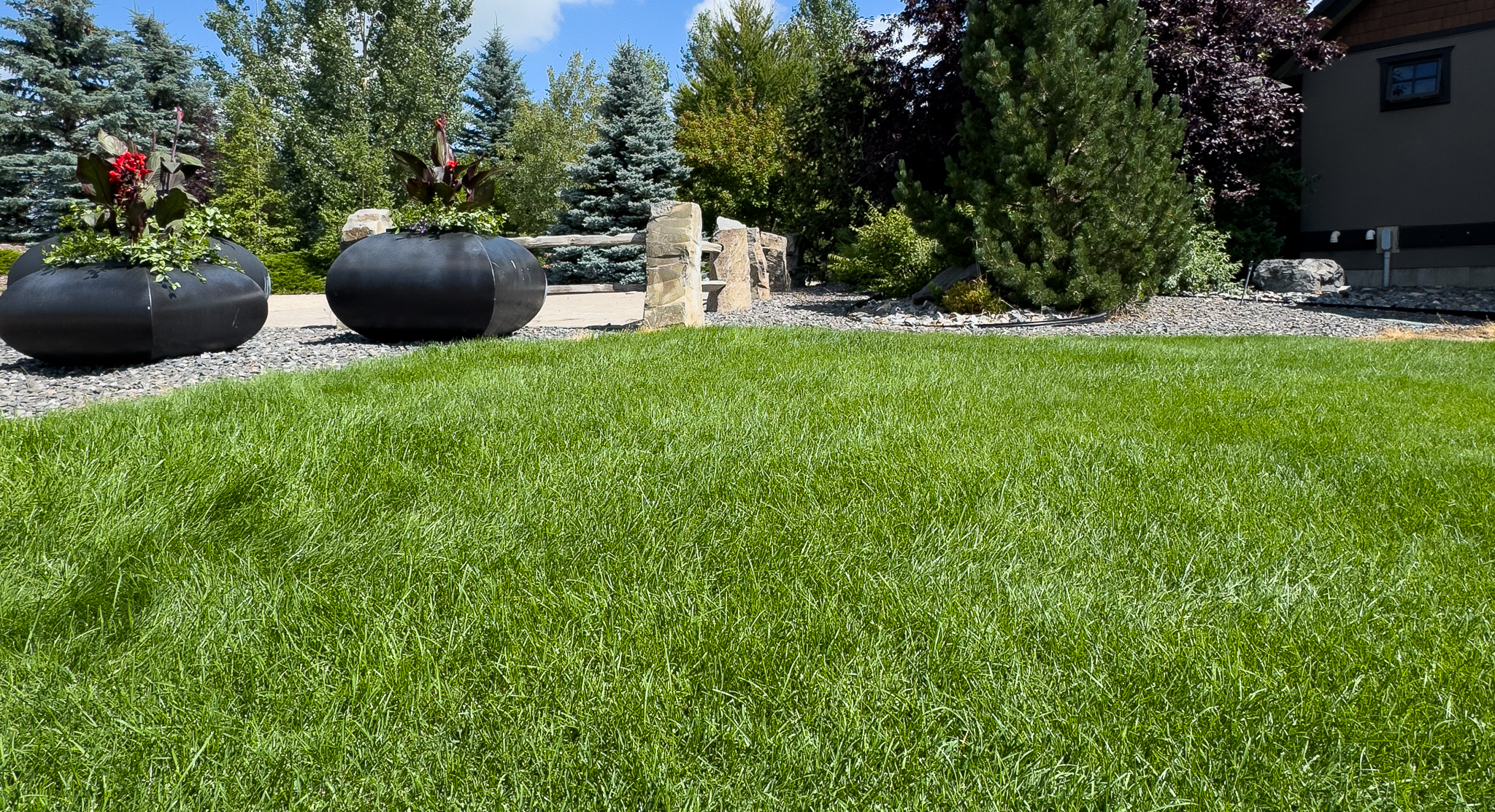
Many Toronto yards benefit from fresh screened topsoil, especially after construction, regrading, or old lawn removal. Sod roots establish better in loose, healthy soil.
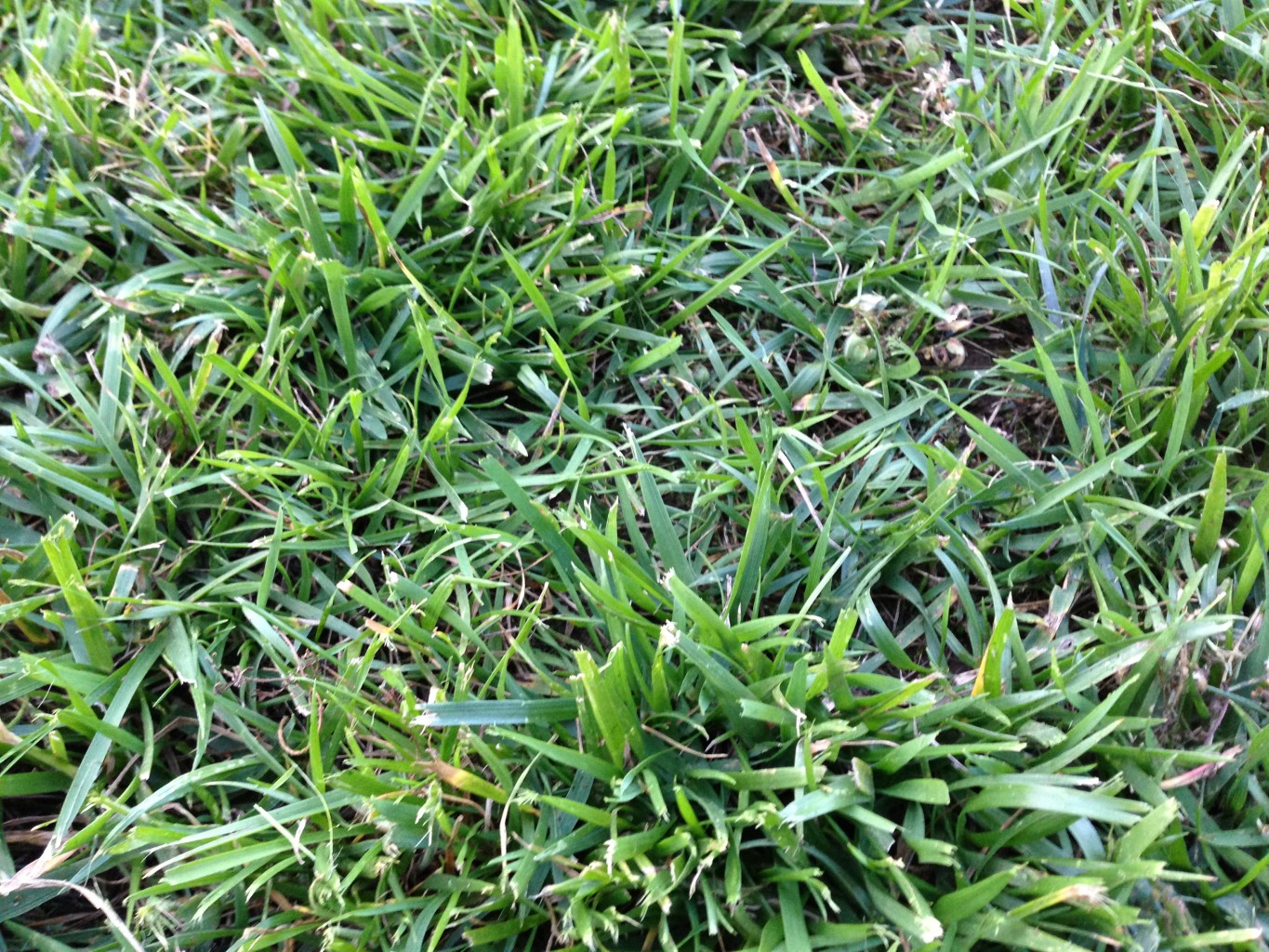
The soil should be firm enough to walk on without deep footprints, but not hard like concrete. Light rolling helps create contact without over-compacting.
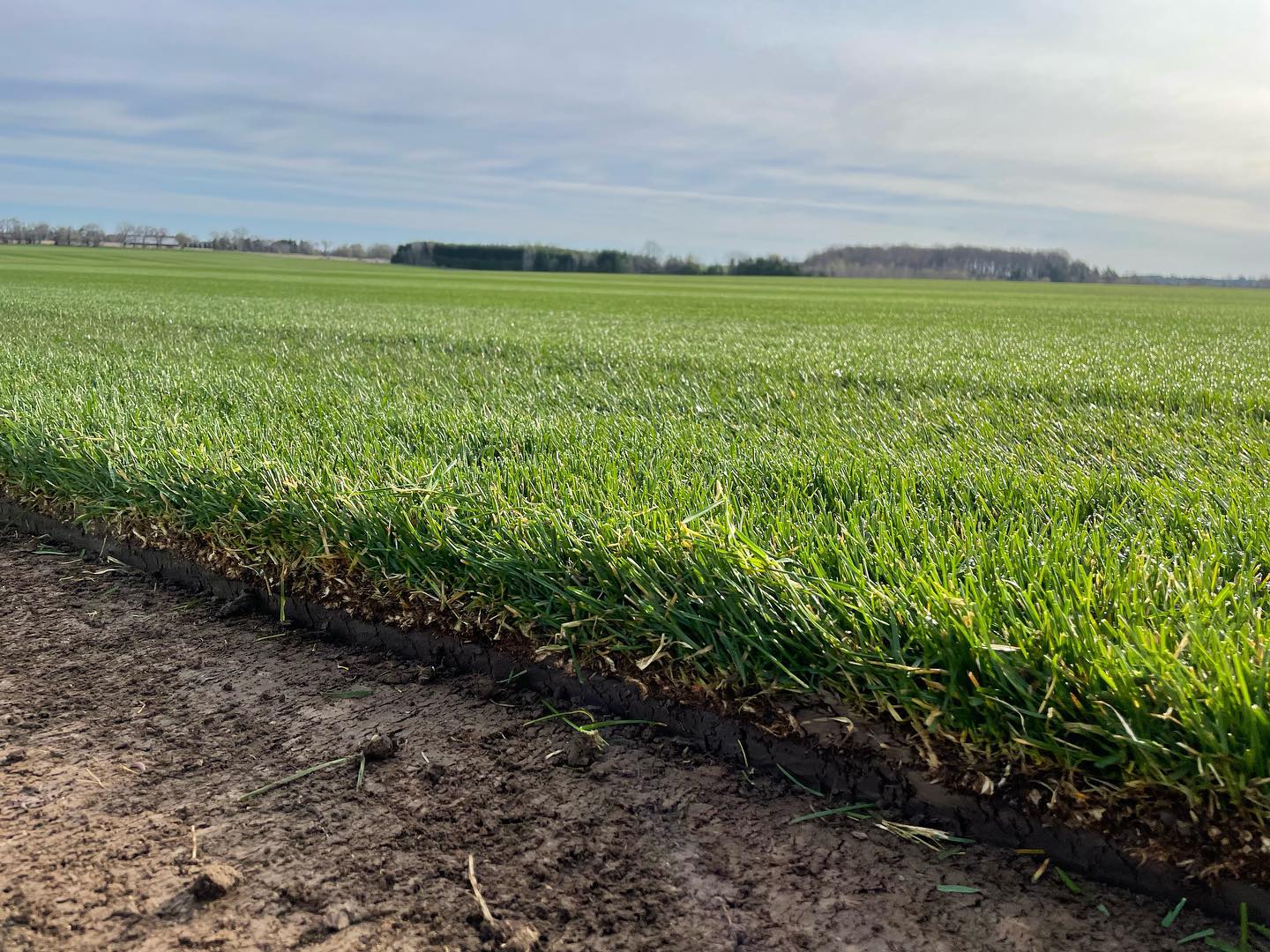
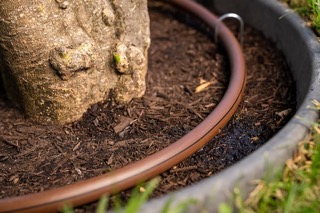
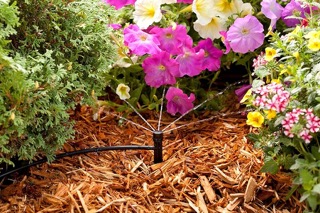
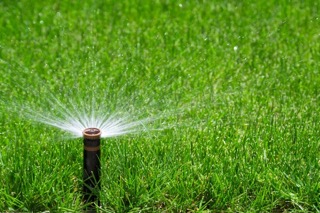
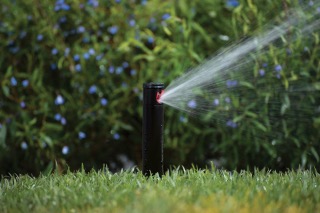
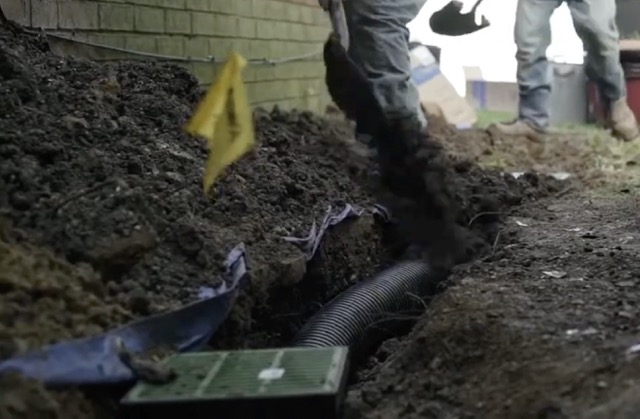
Before sod goes down. It is much easier to adjust sprinkler coverage, repair heads, or add zones before a new lawn is installed.


Good sod work is not only laying rolls. The lawn area should be cleaned, graded, topped with suitable soil where needed, and watered immediately after installation.
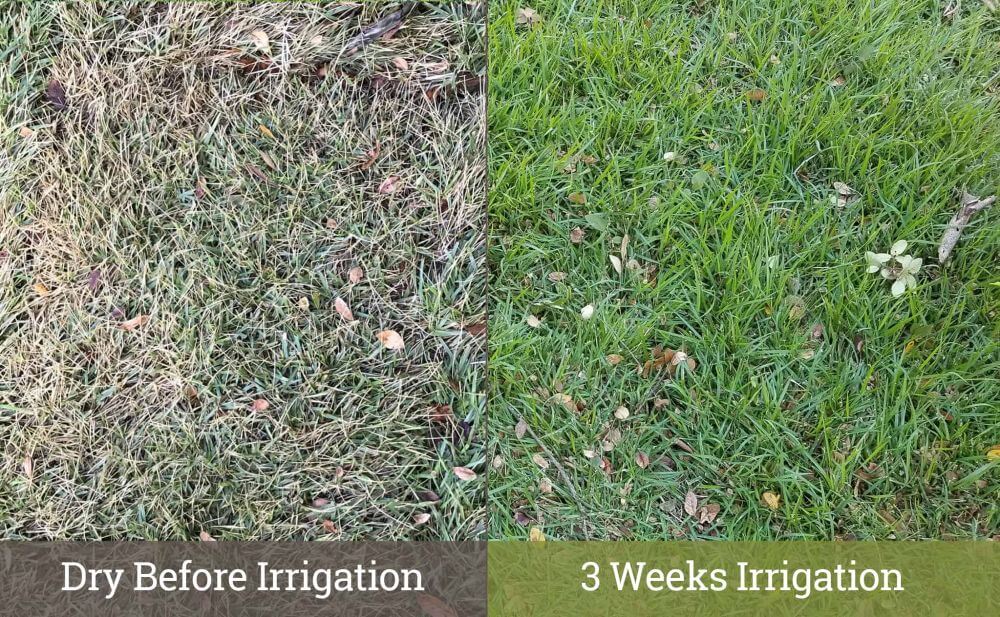
Even watering is one of the biggest differences between a lawn that roots evenly and a lawn that dries out in patches. Sprinkler coverage should be checked before or right after installation.
Soil preparation is one of the biggest factors in sod success. A new lawn can fail if it is installed over compacted soil, construction debris, old thatch, weeds, low spots, or poor grading. The sod needs firm, clean, fertile soil contact to root properly.
In Toronto yards, soil prep often includes removing the old lawn, adding screened topsoil, correcting grade, raking smooth, and lightly rolling before installation. This is also the best time to fix drainage issues and check sprinkler coverage.
Skipping preparation can save time on installation day but create long-term problems: uneven lawn height, puddling, poor rooting, brown patches, and weeds growing through seams. Good prep makes the sod look better and last longer.
Usually yes. Removing old grass and thatch gives the new sod better soil contact and helps avoid uneven areas.
It depends on the yard. Many projects need a fresh layer of screened topsoil, especially after construction or old lawn removal.
The soil should be lightly moist, not muddy. Dry soil can pull moisture out of the sod quickly.
Yes, if irrigation is planned. It is better to trench, repair, or adjust sprinklers before the new lawn is installed.
Need help with sod installation, lawn repair, grading, or irrigation coverage in Toronto or the GTA? The right prep and watering plan can make the new lawn establish faster and look cleaner.
Get Sod Installation Help