
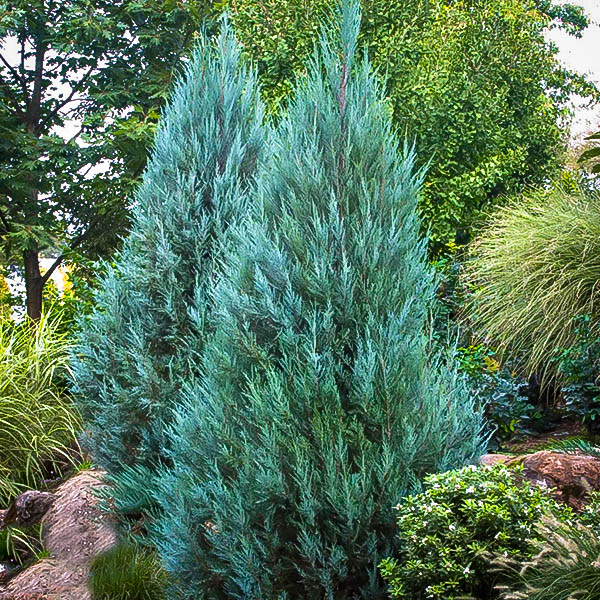
Emerald cedar screen
Emerald cedars are one of the most searched privacy choices because they create a narrow, vertical screen without taking over the yard.

















The best evergreen privacy plants for Toronto combine year-round screening, winter hardiness, reasonable spacing, and tolerance for urban soil, wind, and shade conditions.
For Toronto backyards, the best evergreen privacy choices are usually cedars for fast vertical screening, yews for shade tolerance, upright junipers for narrow sunny spaces, and mixed evergreen shrub plantings for a more natural look. Cedars are often the most common answer when homeowners want a green fence quickly, but they need consistent watering and enough root space. Yews are better for part shade and formal hedges. Junipers handle sun and drier conditions better. The certain recommendation is to avoid choosing only by height; choose by sun, soil moisture, mature width, and winter exposure.
| Planning Question | Clear Answer |
|---|---|
| Fast privacy | Cedars are popular for fence-line screening. |
| Shade privacy | Yews are usually better than cedars in part shade. |
| Narrow sunny space | Upright junipers can fit tight side yards. |
| Best long-term look | A mixed evergreen and shrub border is more resilient than one species. |
Choose privacy plants by site condition first, then height.
| Item | Price / Fact | What It Means |
|---|---|---|
| Cedars | $125-$450+ each | Fast narrow screening where watering is reliable. |
| Yews | $75-$350+ each | Better for part shade and formal structure. |
| Junipers | $85-$400+ each | Good in sunny, drier, narrow spaces. |
| Mixed screen | $3,000-$12,000+ | Evergreens plus shrubs and perennials for a layered border. |
Compare the biggest practical factors before buying plants.
Emerald cedars are one of the most searched privacy choices because they create a narrow, vertical screen without taking over the yard.

Columnar junipers are a better fit than wide cedars where a driveway, walkway, or tight side yard limits planting width.
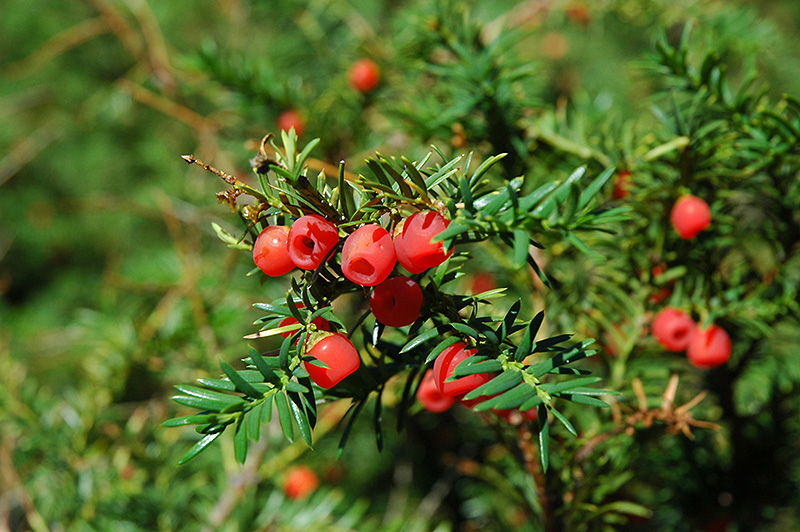
Yews are slower than cedars but can be excellent for clipped structure, partial shade, and a more formal privacy planting.
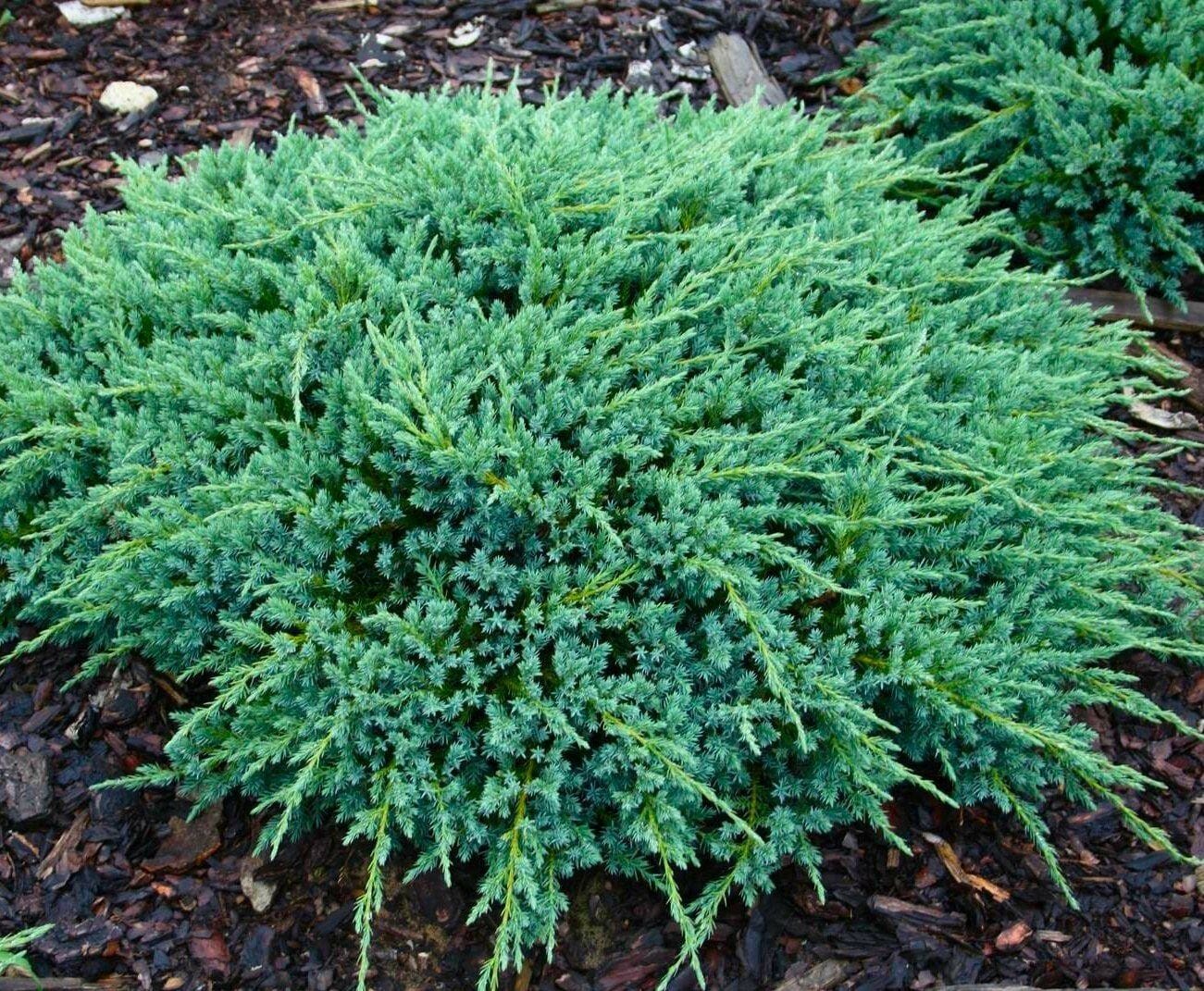
Low junipers fill the base of a privacy bed so the design does not look empty below taller screening plants.
The best evergreen shrubs for privacy in Toronto are the ones that match the site, not simply the tallest plants available. Cedars are the common choice for fast, narrow screening along fences, but they need enough light, root space, and steady water. Yews are better for part shade and formal evergreen structure. Upright junipers can work in sunny, drier, narrow areas. A mixed evergreen border is often strongest long term because it reduces the risk of one disease, drought event, or failed plant creating a full row of gaps. The catalog pages are useful because they show installed pricing with plant plus labour included, available sizes, and live stock checks for Ontario-grown material.
Evergreen privacy shrubs should be spaced by mature width and the desired speed of screening. Planting too close can create quick privacy, but it also increases competition for water, light, and airflow. Planting too far apart saves money at first but may leave gaps for years. Cedars are often planted closer than specimen evergreens because they are used as hedges, while yews and junipers need spacing based on their mature form. In Toronto backyards, fence shade, tree roots, and narrow side access can all affect spacing. The factual answer is to plan spacing from mature size, not the pot size.
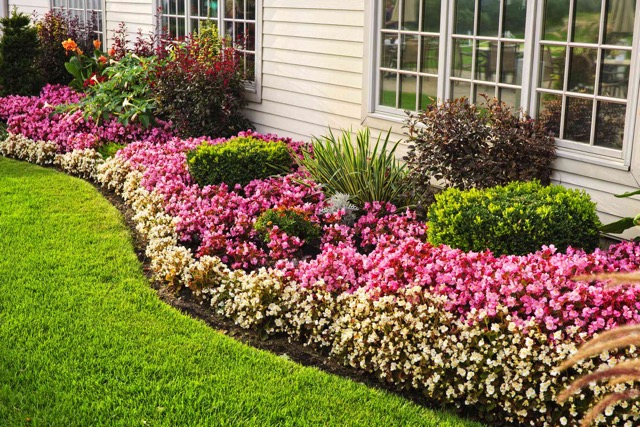
A mixed privacy planting is often better than a cedar hedge when there is enough bed depth and the homeowner wants a softer, more resilient landscape. Cedars are excellent for fast evergreen screening, but a single-species hedge can look harsh and shows failures clearly. A mixed planting can combine evergreens for winter privacy, flowering shrubs for summer volume, and perennials for colour at the front edge. This reduces visual gaps and adds seasonal interest. The certain answer is cedar for narrow, fast screening; mixed planting for a more natural long-term backyard design. For a better local result, compare the plant choice with sun exposure, mature width, soil moisture, winter exposure, and the installed catalog size before ordering.
Evergreen privacy is valuable because it works in winter, but evergreen plants also lose water in winter wind. That makes fall watering and placement important.
A single-species cedar hedge can look clean, but if one plant fails, the gap is obvious. Mixed planting is often more forgiving.
Planting too close to a fence can limit root development and make watering harder. Leave enough room for mature width and maintenance access.
For small Toronto lots, narrow upright evergreens can screen views without swallowing the entire backyard.
Often yes for quick screening, but not in every site.
Yews are usually stronger than cedars in part shade.
Spacing depends on mature width and desired density.
Use the evergreen catalog for current installed options.
Browse installed plant options before choosing your landscape design. The Sprinkler Company catalogs show Ontario-grown selections, available sizes, live stock checks, and installed pricing with plant plus labour included.
Evergreens Shrubs Perennials