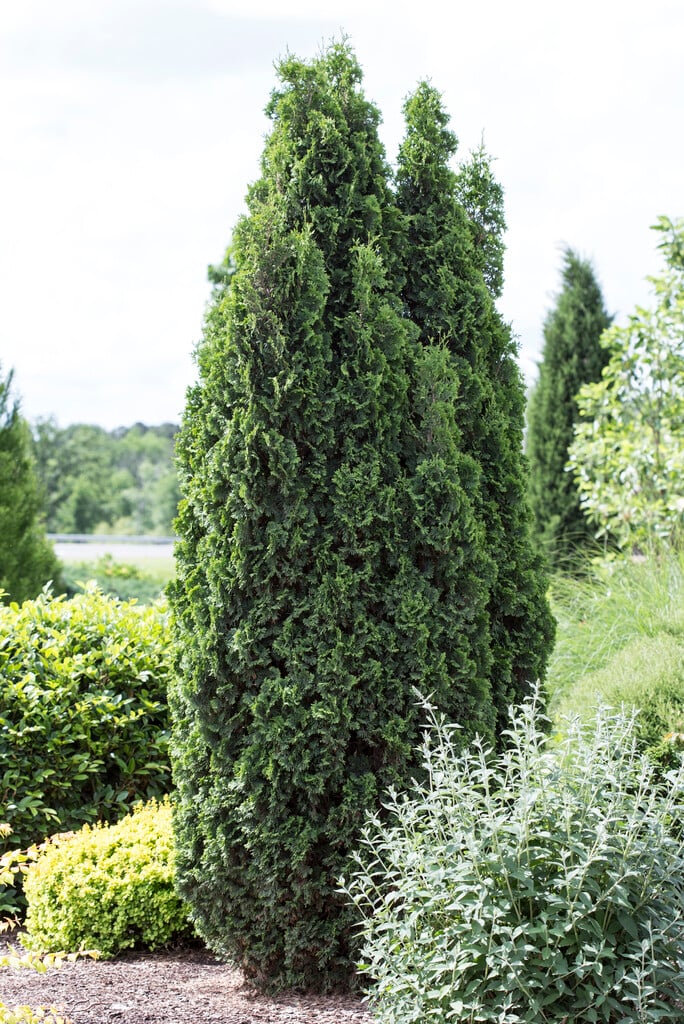
Tall evergreen screen
Tall narrow evergreens are the best answer when privacy must work in winter, not only during the growing season.

















Fence-line privacy planting in Toronto should balance screening height, narrow space, shade, roots, drainage, winter interest, and easy maintenance.
For privacy along a Toronto fence, the best planting is usually a layered mix of evergreens, shrubs, and perennials. Cedars or upright evergreens create year-round screening, shrubs such as hydrangea, ninebark, viburnum, or yew add depth, and perennials soften the front edge. The certain answer is to avoid a single row unless the space is very narrow and the goal is only screening. A mixed border looks better, handles plant loss better, and can provide flowers, foliage, and winter structure. Choose plants by sun exposure, mature width, fence shade, and how much watering is realistic.
| Planning Question | Clear Answer |
|---|---|
| Fastest privacy | Cedars or upright evergreens. |
| Best natural look | Mixed shrubs with evergreen anchors. |
| Best lower layer | Perennials and ornamental grasses. |
| Catalog links | Use evergreen, shrub, and perennial catalogs together for a complete border. |
Fence lines need plants that fit narrow beds and tolerate changing sun patterns.
| Item | Price / Fact | What It Means |
|---|---|---|
| Simple perennial edge | $800-$2,500+ | Lower layer for colour and softness. |
| Shrub privacy border | $2,000-$7,500+ | Flowering shrubs with mulch and soil prep. |
| Evergreen screen | $2,500-$12,000+ | Driven by height, count, and watering. |
| Layered privacy bed | $4,000-$18,000+ | Evergreens, shrubs, perennials, soil, mulch, and irrigation. |
Compare the biggest practical factors before buying plants.
Tall narrow evergreens are the best answer when privacy must work in winter, not only during the growing season.
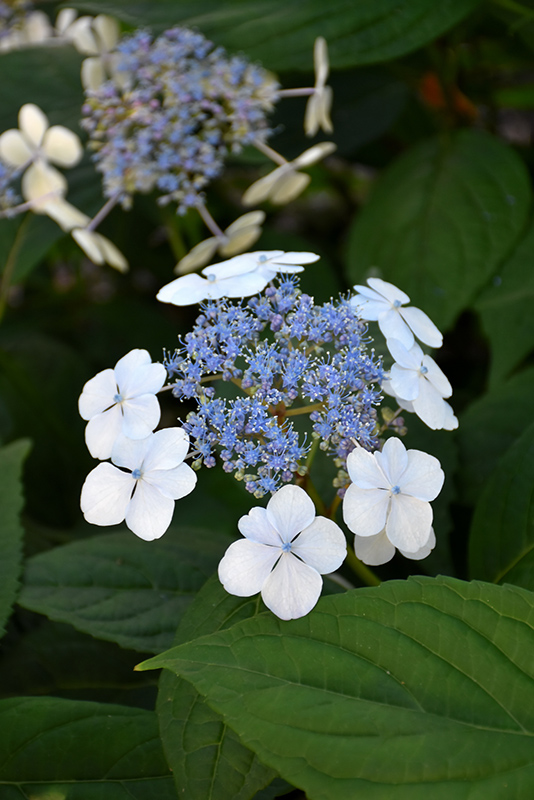
Hydrangeas soften a fence line and add summer impact, but they should be layered with evergreens if privacy matters year-round.
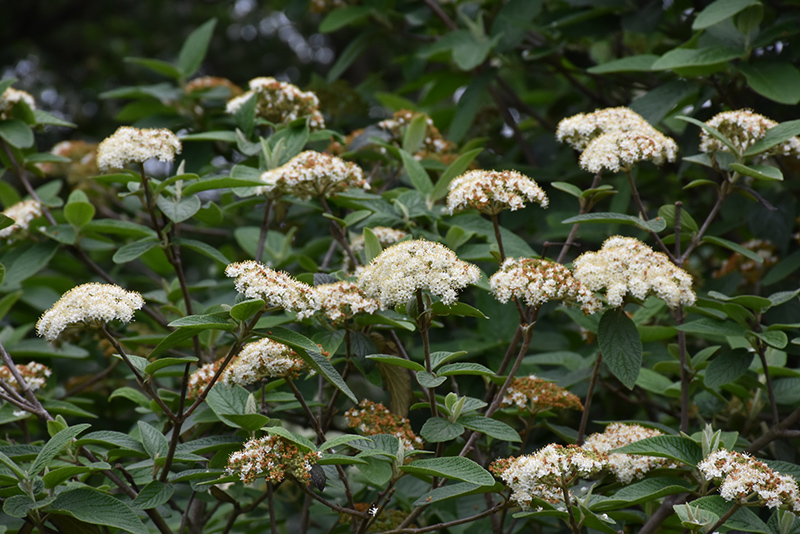
Viburnum and similar shrubs create a thicker mixed border than a single row of identical plants.
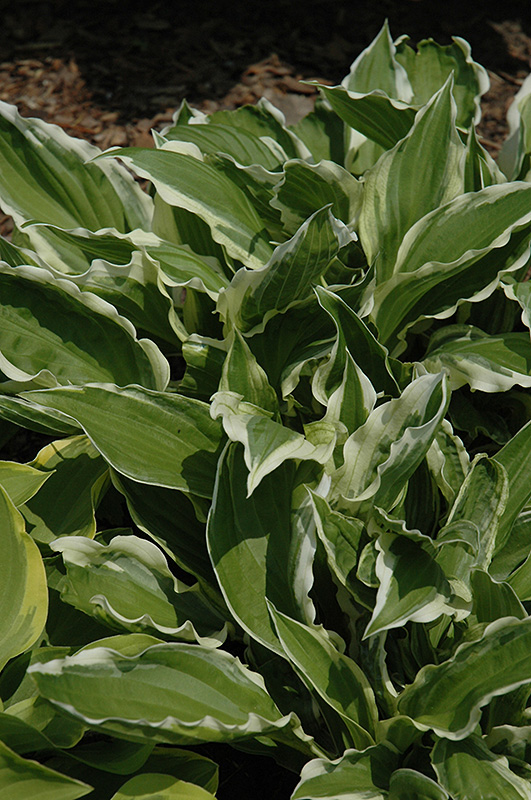
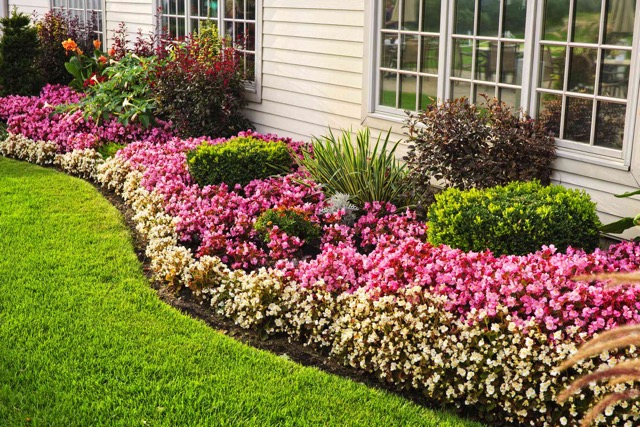
Perennials make the front of a privacy bed look finished while larger shrubs and evergreens handle screening.
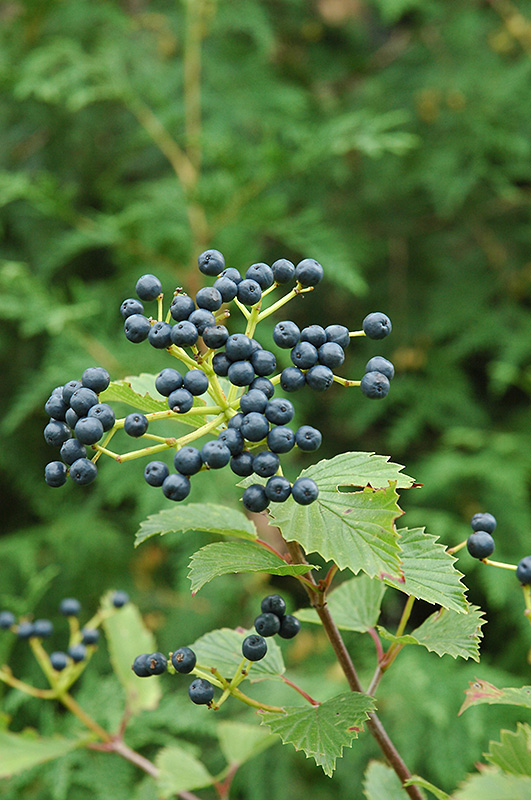
Along a Toronto fence, the best privacy planting is usually layered: evergreens for year-round screening, shrubs for volume, and perennials for the lower edge. Cedars work when the goal is a quick green wall, yews suit part shade, hydrangeas and viburnums add summer mass, and perennials soften the front. The factual answer is that a fence line should not be designed from height alone. Sun exposure, bed depth, tree roots, drainage, snow storage, and mature width decide which plants will work. A mixed border usually looks more natural than a single row. For a better local result, compare the plant choice with sun exposure, mature width, soil moisture, winter exposure, and the installed catalog size before ordering.
A privacy planting bed along a fence should be as deep as the mature plants require. A narrow bed can support upright evergreens or slim shrubs, but a layered design usually needs more depth, often several feet, so evergreens, shrubs, and perennials are not fighting for the same space. Planting too close to the fence makes watering, pruning, and replacement harder. The certain answer is that bed depth controls design quality. If there is only a narrow strip, choose upright plants. If there is room, use a layered border for privacy, colour, and long-term health. For a better local result, compare the plant choice with sun exposure, mature width, soil moisture, winter exposure, and the installed catalog size before ordering.
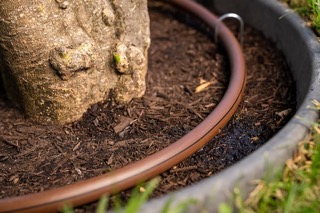
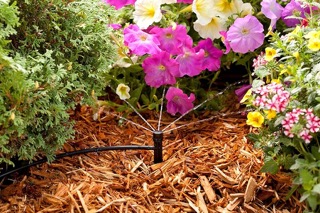
Fence privacy planting often benefits from irrigation because long fence lines dry unevenly. One section may get hot afternoon sun, another may sit in shade, and another may compete with large tree roots. Hand watering a long row is easy to miss, especially for cedars and new shrubs whose root balls dry faster than surrounding soil. Drip irrigation is usually better than overhead spray for shrub and evergreen borders because it targets the root zone and reduces wet foliage. New plants need root-zone watering during establishment; watering leaves or mulch lightly is not the same as soaking the root ball. The factual answer is that privacy planting can survive without irrigation, but failure risk is higher without consistent watering.
Fence beds are often narrow, which makes mature width the most important design constraint.
A straight row of cedars can work, but mixed planting usually creates a softer backyard and fewer obvious gaps if one plant struggles.
South and west fence lines can be hot and dry. North fence lines can be shaded and damp. The same plant list will not fit both.
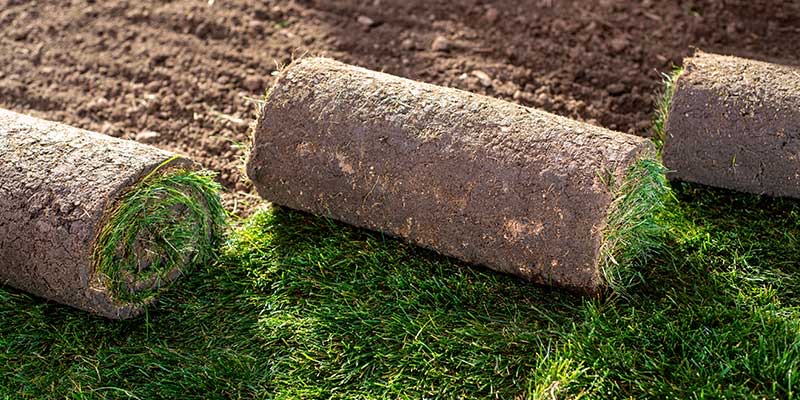
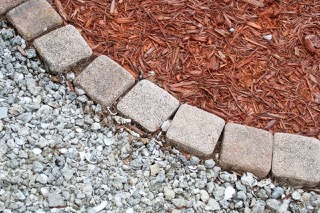
If the fence line is part of a larger backyard renovation, coordinate planting with sod, irrigation, stepping stones, and mulch before installation.
Yes, when there is enough light, root space, and watering.
Use shade-tolerant shrubs and perennials, such as yew and hosta-type plants.
Wider beds allow layered planting; narrow beds need upright choices.
Yes, drip irrigation is very useful for long privacy plantings.
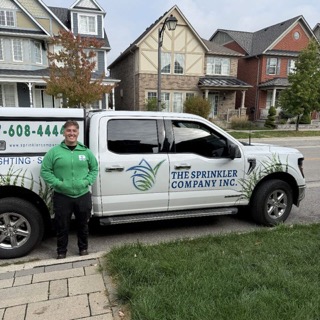
Browse installed plant options before choosing your landscape design. The Sprinkler Company catalogs show Ontario-grown selections, available sizes, live stock checks, and installed pricing with plant plus labour included.
Evergreens Shrubs Perennials