
Straight cedar hedge
A straight cedar hedge is best when the goal is simple year-round screening on a narrow property line.



















Cedar hedges offer fast evergreen screening, while mixed privacy planting can look more natural, reduce risk, and add seasonal colour.
For Toronto backyards, a cedar hedge is better when the goal is fast, narrow, year-round screening and the site has enough light, root space, and watering. Mixed privacy planting is better when the homeowner wants a more natural look, flowers, layered texture, and lower risk if one plant fails. The certain answer is that cedars are the fastest simple screen, but mixed planting is often the better long-term landscape design. A mixed border can include evergreens, flowering shrubs, ornamental grasses, and perennials, giving privacy without the all-or-nothing risk of one continuous hedge.
| Planning Question | Clear Answer |
|---|---|
| Choose cedar hedge | When space is narrow and year-round screening is the main goal. |
| Choose mixed planting | When there is bed depth and you want texture, flowers, and resilience. |
| Main cedar risk | Dry root balls, shade, salt, and poor soil. |
| Best catalog use | Combine evergreen, shrub, and perennial catalogs. |
Cedar is fastest; mixed planting is usually stronger long term.
| Item | Price / Fact | What It Means |
|---|---|---|
| Cedar hedge | $2,500-$12,000+ | Fast, simple, evergreen screening. |
| Mixed privacy bed | $4,000-$18,000+ | Evergreens, shrubs, perennials, mulch, and soil. |
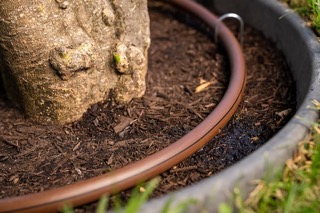
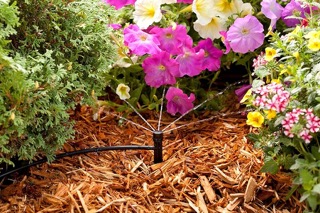
| Drip irrigation add-on | $800-$3,500+ | Useful for long privacy rows. |
| Plant replacement risk | Lower in mixed beds | One failed plant is less obvious. |
Compare the biggest practical factors before buying plants.
A straight cedar hedge is best when the goal is simple year-round screening on a narrow property line.
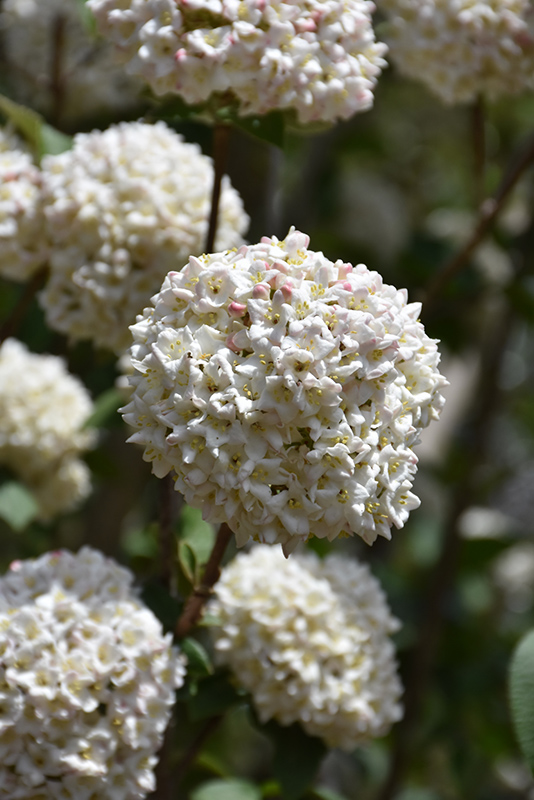
Mixed shrubs are better when the homeowner wants privacy plus seasonal flowers, berries, texture, and less uniform maintenance.
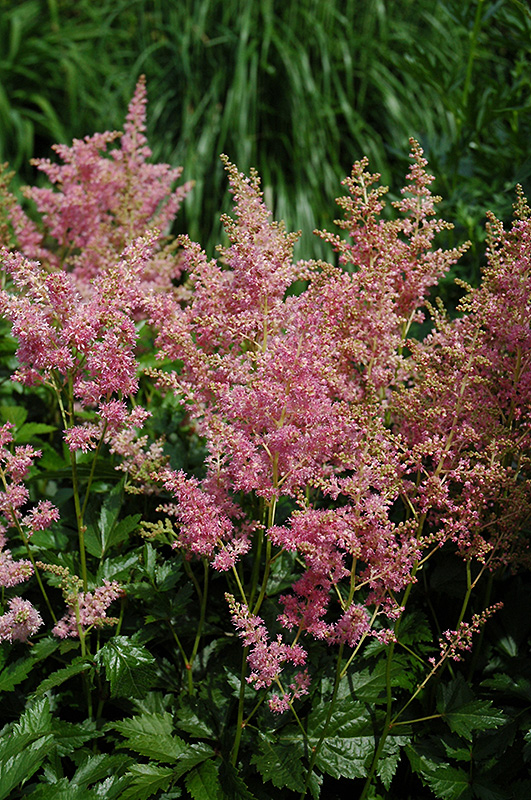
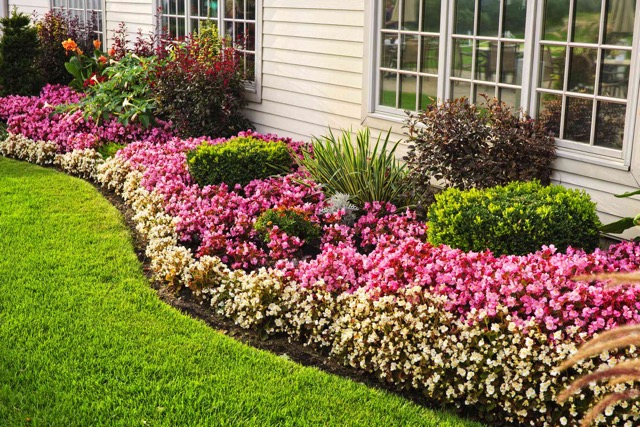
A perennial foreground makes a privacy planting look designed instead of just installed as a bare row.
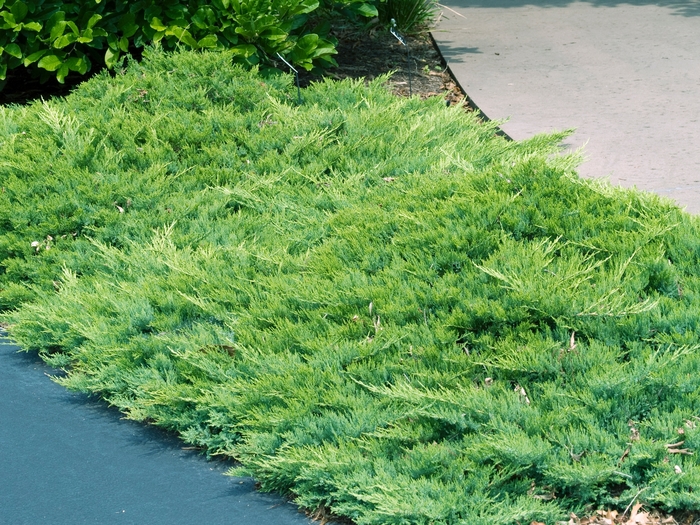
Low junipers add evergreen coverage at ground level where cedar trunks can become visible over time.

A cedar hedge is better in Toronto when the homeowner wants fast, narrow, year-round privacy and has enough light, root space, and watering. Mixed privacy planting is better when there is more bed depth and the goal includes flowers, texture, resilience, and a natural backyard look. The factual answer is that cedar wins for speed and simplicity, while mixed planting wins for long-term design value. A mixed border can include evergreens for winter screening, shrubs for volume, grasses for movement, and perennials for colour, so one failed plant does not ruin the full screen. For a better local result, compare the plant choice with sun exposure, mature width, soil moisture, winter exposure, and the installed catalog size before ordering.
Cedar hedges fail in Toronto backyards most often because the root balls dry out, the hedge is planted in too much shade, drainage is poor, or the soil is compacted. Cedars are popular, but they are not magic privacy walls. They need consistent root-zone water during establishment and enough space for roots to expand. Fence lines can be especially difficult because they may include tree-root competition, reflected heat, and uneven rain coverage. The certain answer is that cedar hedges work well in the right site, but they fail quickly when water and light are wrong. For a better local result, compare the plant choice with sun exposure, mature width, soil moisture, winter exposure, and the installed catalog size before ordering.
Mixed privacy planting can cost more than a simple cedar row because it uses more plant types, more layout planning, and often a deeper bed. However, it can also deliver better long-term value because it looks more natural, has seasonal interest, and is less vulnerable to one species failing. A cedar row concentrates the budget into a single screening plant, while a mixed border spreads the budget across evergreens, shrubs, and perennials. The factual answer is that cedars are often cheaper for narrow privacy, but mixed planting is usually stronger for a finished landscape design. For a better local result, compare the plant choice with sun exposure, mature width, soil moisture, winter exposure, and the installed catalog size before ordering.
Cedar hedges are popular because they create a clear green wall, but they can fail in dry shade, compacted soil, or areas without consistent watering.
Mixed planting uses several plant types, so one stressed plant does not ruin the entire screen.
A layered border usually needs more planning but can increase backyard value and make outdoor space feel more designed.
For many Toronto homes, the best answer is a hybrid: evergreen anchors for privacy, shrubs for volume, and perennials for colour.
Sometimes initially, but size, quantity, and watering setup decide final cost.
Usually cedars or upright evergreens.
Mixed privacy planting.
Yes, a hybrid design is often best.
Browse installed plant options before choosing your landscape design. The Sprinkler Company catalogs show Ontario-grown selections, available sizes, live stock checks, and installed pricing with plant plus labour included.
Evergreens Shrubs Perennials