
Boxwood form
Boxwood is best for clipped shape and small evergreen structure, especially where the site is protected from harsh winter exposure.


















Boxwood, yew, and hydrangea are all popular Toronto shrubs, but they solve different design problems and need different growing conditions.
In Toronto landscaping, yew is usually the best choice for evergreen structure and part shade, hydrangea is best for showy summer flowers, and boxwood is best for formal low hedging in protected locations. The certain answer is that none is best for every yard. Boxwood can struggle with winter burn and exposed sites. Yew is tougher for shade and structure but is not a flowering shrub. Hydrangea gives strong bloom impact but loses leaves in winter. A good design often uses yew or boxwood for structure and hydrangea for seasonal colour.
| Planning Question | Clear Answer |
|---|---|
| Best for formal edging | Boxwood in protected, well-drained sites. |
| Best for shade structure | Yew. |
| Best for flowers | Hydrangea. |
| Best design answer | Use evergreen structure plus flowering shrubs together. |
Boxwood, yew, and hydrangea solve different design problems.
| Item | Price / Fact | What It Means |
|---|---|---|
| Boxwood | $55-$250+ each | Formal edging and compact structure in protected sites. |
| Yew | $75-$350+ each | Evergreen structure and shade tolerance. |
| Hydrangea | $55-$275+ each | Large seasonal flowers and curb appeal. |
| Mixed shrub bed | $1,500-$7,500+ | Best when structure and flowers are both needed. |
Compare the biggest practical factors before buying plants.
Boxwood is best for clipped shape and small evergreen structure, especially where the site is protected from harsh winter exposure.

Yew is usually stronger than boxwood for Toronto shade, pruning, and foundation structure, especially when a bed needs evergreen mass.
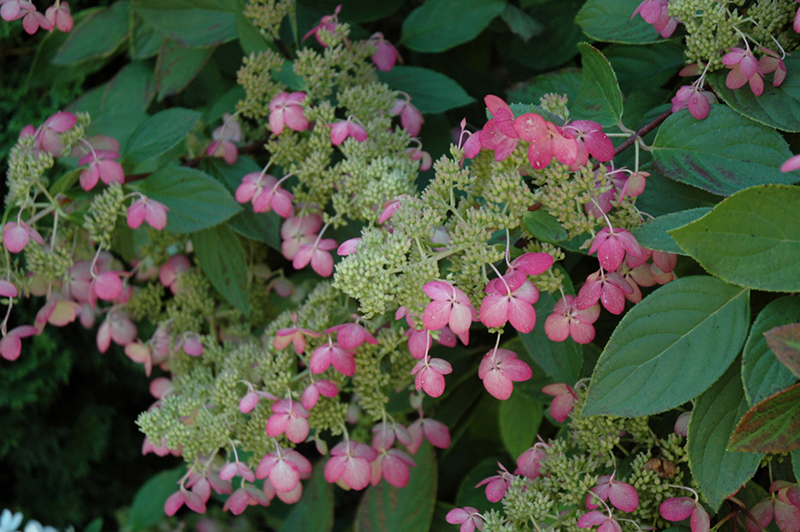
Hydrangea is the best choice when the main goal is large seasonal flowers instead of evergreen winter structure.

The best Toronto planting often mixes these categories: yew for structure, hydrangea for flowers, and perennials for lower colour.
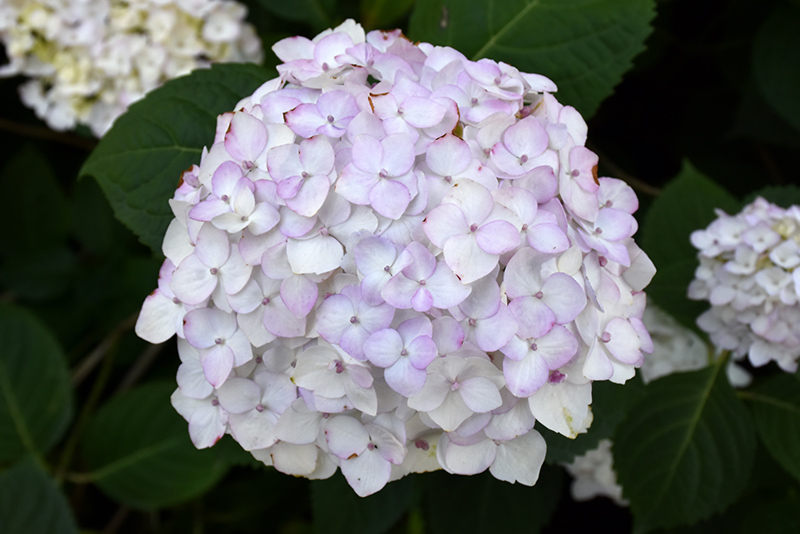
Yew is usually better for evergreen structure and shade tolerance, hydrangea is better for showy summer flowers, and boxwood is better for formal low edging in protected sites. The factual answer is that these shrubs are not interchangeable. Boxwood can struggle with winter wind, salt, and exposed conditions. Yew is tougher for shade and structure but does not provide the same flower display. Hydrangea gives strong curb appeal in bloom season but loses leaves in winter. A good Toronto design often uses evergreen structure plus hydrangeas for seasonal flower impact. For a better local result, compare the plant choice with sun exposure, mature width, soil moisture, winter exposure, and the installed catalog size before ordering.
Yews are often safer than boxwoods in Toronto because they tolerate shade, pruning, and urban conditions better in many foundation and backyard sites. Boxwoods can look excellent in protected, well-drained beds, but exposed winter wind, salt spray, and freeze-thaw stress can cause bronzing or dieback. Yews are not perfect, but they are generally more forgiving for evergreen structure near houses and under partial shade. The certain answer is that boxwood is best for formal protected spots, while yew is usually the more reliable evergreen shrub when site conditions are mixed or partly shaded. For a better local result, compare the plant choice with sun exposure, mature width, soil moisture, winter exposure, and the installed catalog size before ordering.
Choose hydrangeas instead of evergreens when the main goal is summer flowers, soft curb appeal, and seasonal colour rather than year-round screening. Hydrangeas are deciduous, so they will not provide winter privacy, but they can create a stronger bloom display than yew or boxwood. They work well in front yard beds, fence borders, and mixed shrub plantings when the light and water are right. The factual answer is to use hydrangeas as flowering feature shrubs, not evergreen structure. For a complete design, pair hydrangeas with yew, boxwood, or compact evergreens for winter form. For a better local result, compare the plant choice with sun exposure, mature width, soil moisture, winter exposure, and the installed catalog size before ordering.
Shrub comparisons are useful because many homeowners choose by looks only, then discover the plant does not match the site.
Yew is often underrated because it does not flower, but it is valuable for year-round structure and shade tolerance.
Hydrangeas are excellent curb appeal plants, but they need the right light, pruning approach, and water during dry periods.
Boxwoods can look beautiful, but exposed winter wind, salt, and poor drainage can make them high maintenance in the wrong location.
In shade and exposed Toronto conditions, often yes.
No, hydrangeas lose leaves in winter.
Yes, if the bed has enough space and the conditions match.
Use the shrub catalog for installed sizes and prices.
Browse installed plant options before choosing your landscape design. The Sprinkler Company catalogs show Ontario-grown selections, available sizes, live stock checks, and installed pricing with plant plus labour included.
Evergreens Shrubs Perennials