

Remove dead growth
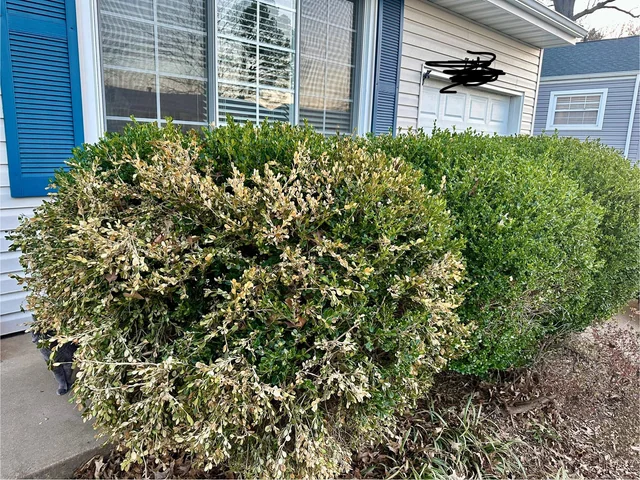
Dead stems, matted leaves, and damaged shrubs should be removed before new growth hides the problem.


















Garden Bed Cleanup Cost in Toronto What Is Included in Spring or Fall Clean-Up? is a specific soft-landscaping question for Toronto homeowners, not a generic yard-care topic. The right answer depends on bed size, soil condition, weeds, plant health, mulch depth, edging, cleanup level, watering access, disposal, and how the bed connects to the rest of the property.
A proper garden bed cleanup in Toronto should include cutting back dead perennial stems, removing leaves and winter debris, pulling visible weeds, redefining bed edges, light pruning where appropriate, hauling away organic waste, and preparing the bed for mulch or planting. For most residential properties, a simple cleanup is usually a half-day to one-day service, while neglected beds, large corner lots, and properties with heavy leaf buildup can take longer. The most important answer is this: cleanup is not only cosmetic. It reduces weed pressure, improves airflow around plants, exposes drainage problems, and makes spring planting or mulching much cleaner.
| Scope | Typical Cost or Rule | What It Usually Means |
|---|---|---|
| Small front garden cleanup | $350-$650 | Light debris removal, deadheading, quick edging, and one disposal load. |
| Average Toronto backyard beds | $650-$1,200 | Multiple beds, perennial cutback, weeds, leaf removal, and tidy disposal. |
| Heavy cleanup and refresh | $1,200-$2,500+ | Overgrown beds, shrub trimming, new mulch, soil top-up, and larger disposal. |
Use this quick visual to see what usually changes the scope, price, or maintenance level.
A good soft-landscaping job starts with the bed conditions, not only the final material.
Dead stems, matted leaves, and damaged shrubs should be removed before new growth hides the problem.
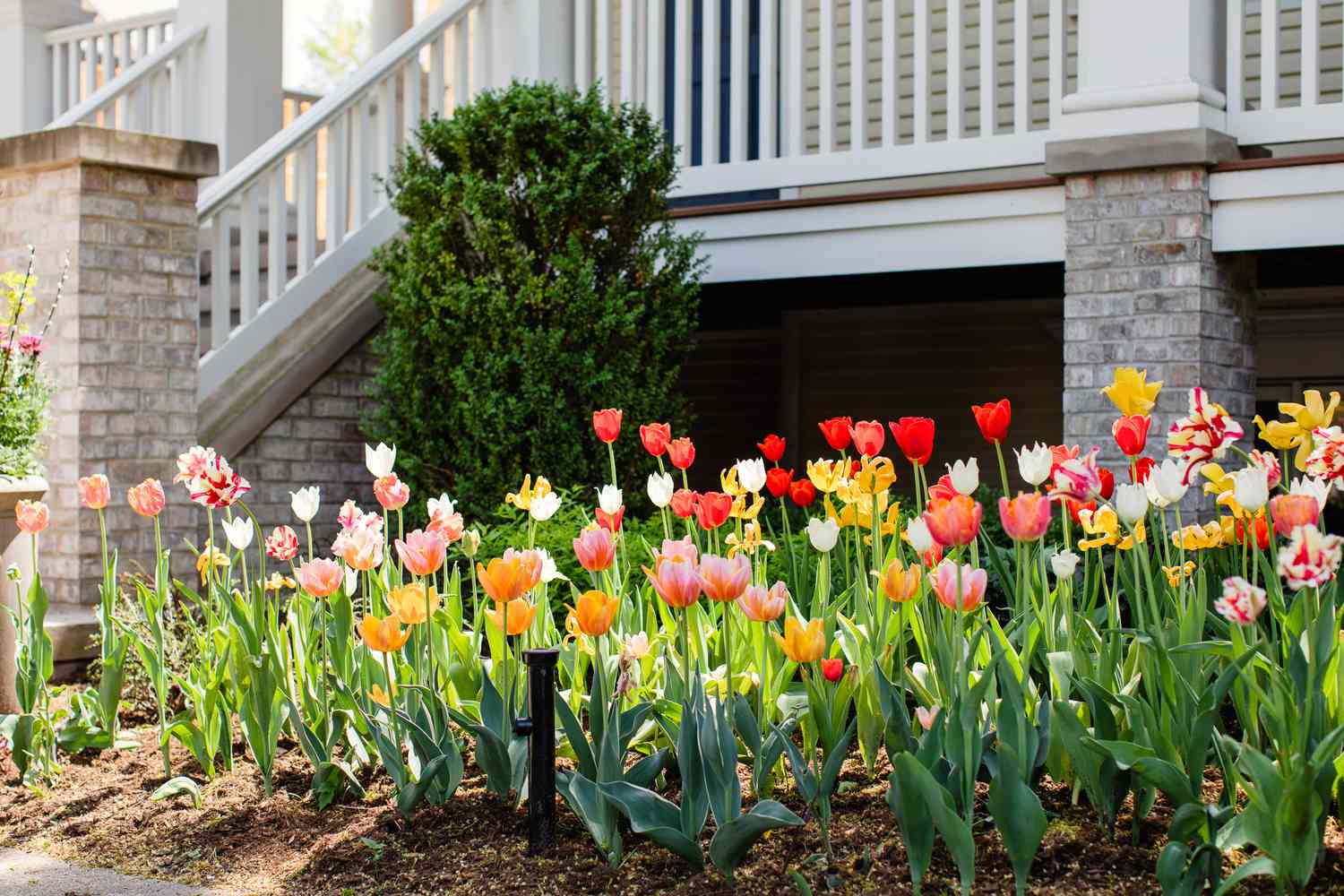
Most dormant perennial debris can be cut back in spring, but tender new shoots should not be damaged.
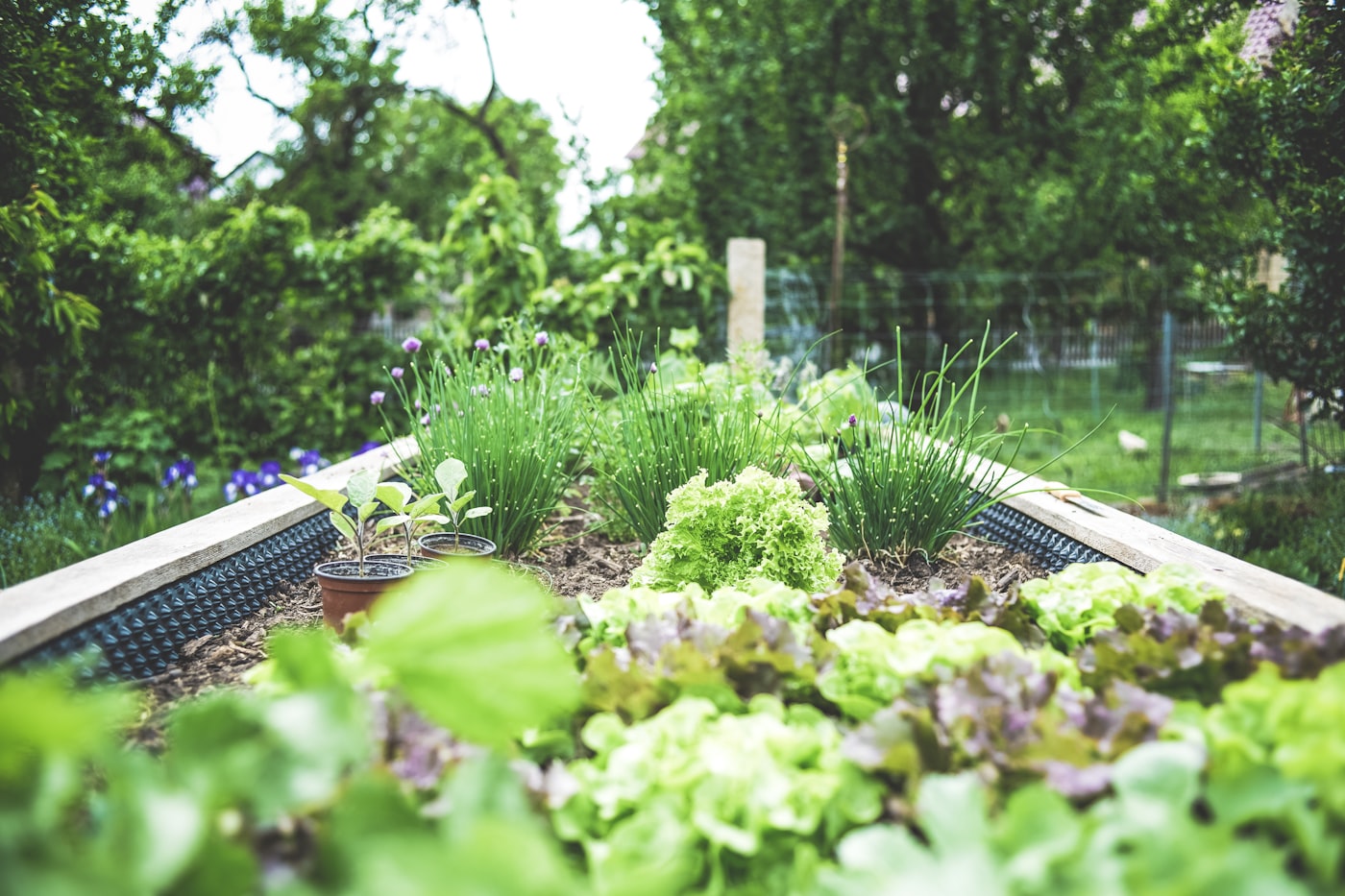
Mulch works better when weeds are removed first instead of buried under a fresh top layer.
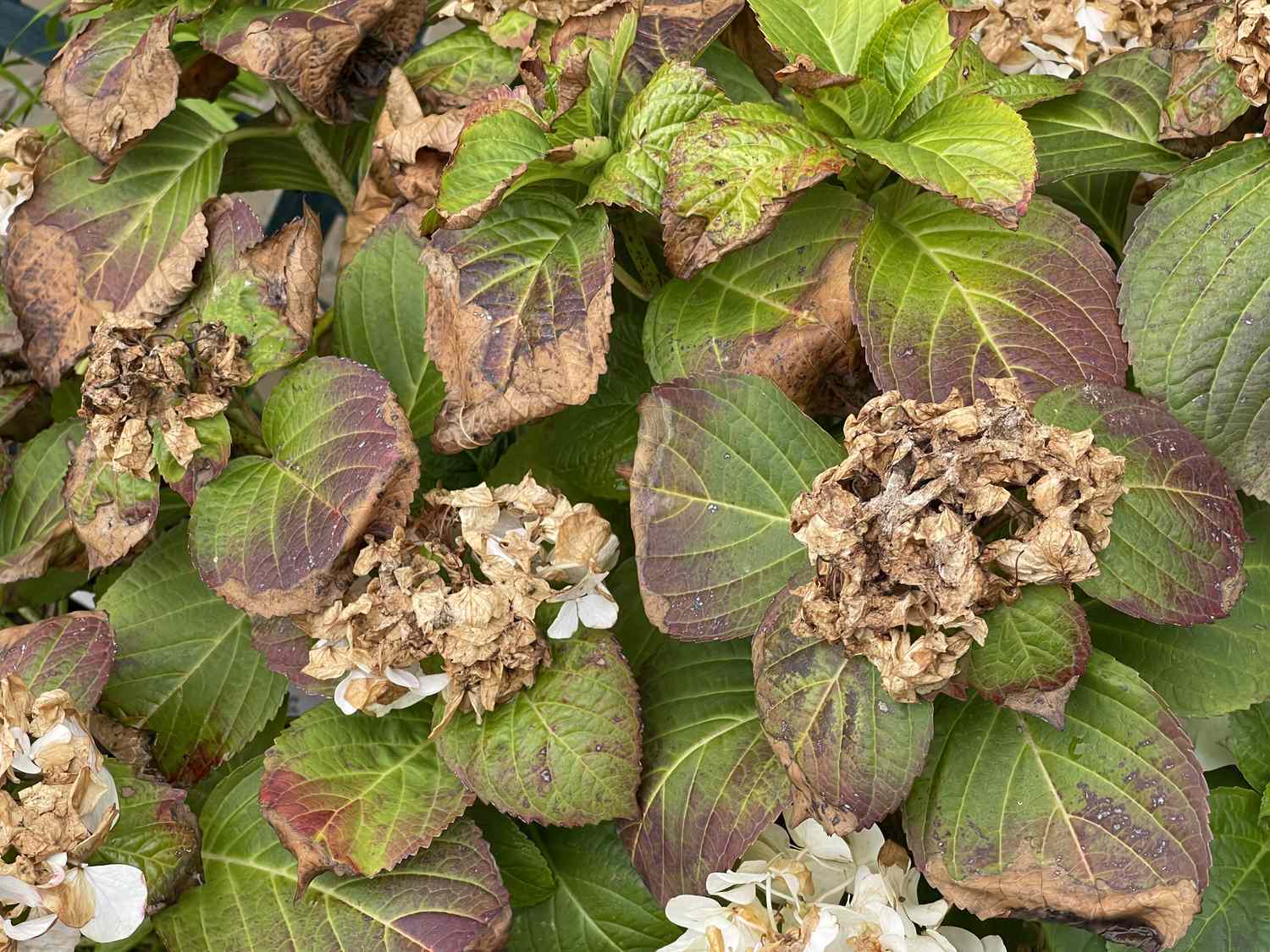
Cleanup is the easiest time to spot winter burn, bare patches, crown rot, and drainage stress.
Spring is usually better for final cleanup because you can see winter damage, remove leftover leaves, cut back perennials, and prepare beds for mulch. Fall cleanup is still useful when leaves are heavy, annuals are finished, or weeds have gone to seed. In Toronto, many homeowners do both: a lighter fall cleanup to prevent matted leaves and a spring cleanup to reset the beds before planting season. The safest approach is not to scalp every perennial too early; some stems protect crowns over winter and some beneficial insects overwinter in plant debris.
Yes, mulch is often best installed after cleanup because the bed is already weeded, edged, and open. A 2 to 3 inch mulch layer helps reduce evaporation, moderates soil temperature, and suppresses many annual weeds. It should not be piled against tree trunks, shrub stems, or perennial crowns because that can trap moisture and cause rot. If the bed already has old compacted mulch, the better choice is usually to loosen it, remove excess buildup, and top dress only what is needed.
Cleanup can improve an overgrown garden bed, but it will not fully fix poor layout, wrong plant spacing, or bad soil by itself. If shrubs are planted too close together, perennials are crowding each other, or weeds have established deep roots, the project may need bed renovation instead of basic cleanup. That means dividing perennials, removing weak plants, improving soil, adding edging, and re-mulching. The direct answer is yes for appearance, but no for long-term structure unless the root causes are corrected.
For most Toronto homes, better results come from combining cleanup, bed preparation, edging, mulch, planting, and watering into one clear plan instead of treating each item separately.
Landscaping Services Mulch and Gravel Installation Planting Services