
Choose the colour
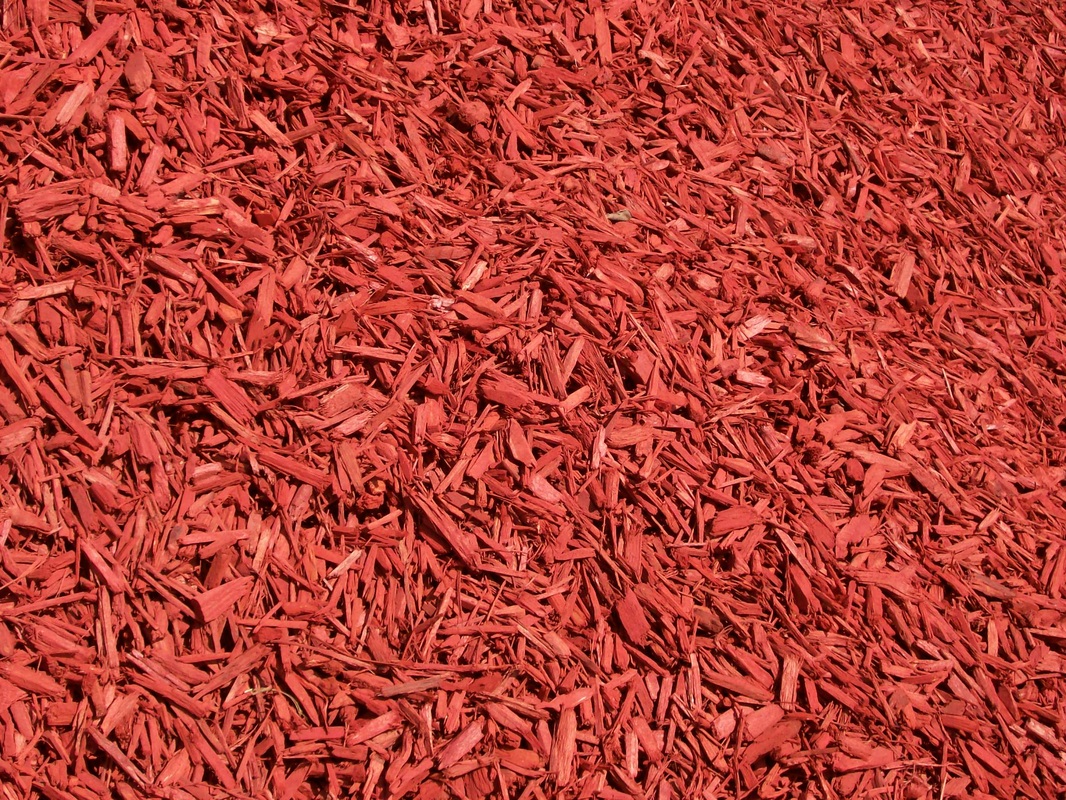
Red, black, and natural mulch change the look, but depth and installation quality matter more.






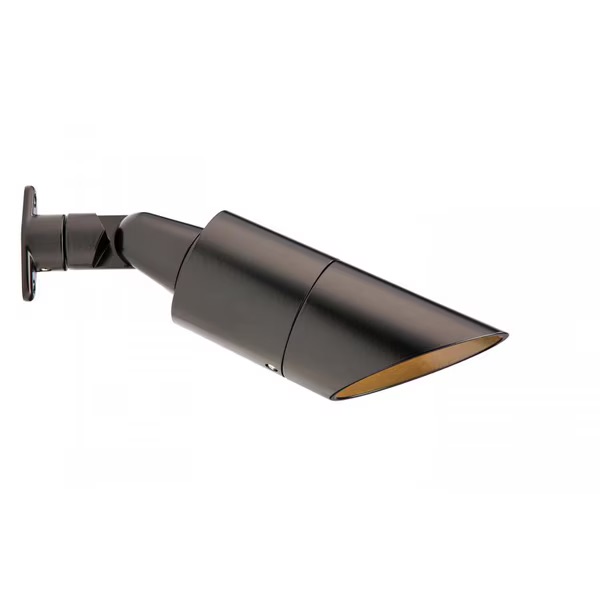













How Much Mulch Do I Need for Garden Beds in Toronto? is a specific soft-landscaping question for Toronto homeowners, not a generic yard-care topic. The right answer depends on bed size, soil condition, weeds, plant health, mulch depth, edging, cleanup level, watering access, disposal, and how the bed connects to the rest of the property.
For most Toronto garden beds, use 2 to 3 inches of mulch after weeds are removed and the bed edge is cleaned. One cubic yard of mulch covers about 162 square feet at 2 inches deep or about 108 square feet at 3 inches deep. The direct answer is: measure the bed square footage, choose the depth, then divide by the coverage rate. A 300 square foot bed usually needs about 2 cubic yards at 2 inches or about 3 cubic yards at 3 inches. Do not guess by bag count unless the area is very small.
| Scope | Typical Cost or Rule | What It Usually Means |
|---|---|---|
| 100 sq ft bed | 0.6-1.0 yd³ | Light refresh at 2 inches or full top-up at 3 inches. |
| 300 sq ft bed | 2.0-3.0 yd³ | Common front and side garden bed size for Toronto homes. |
| 600 sq ft bed | 4.0-6.0 yd³ | Large backyard beds, corner lots, or full-property refreshes. |
Use this quick visual to see what usually changes the scope, price, or maintenance level.
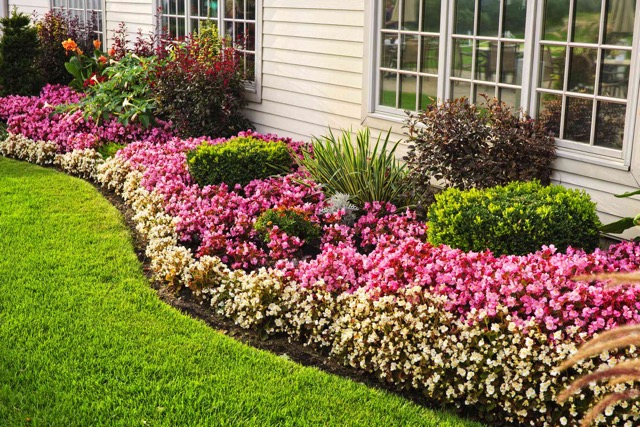
A good soft-landscaping job starts with the bed conditions, not only the final material.
Red, black, and natural mulch change the look, but depth and installation quality matter more.
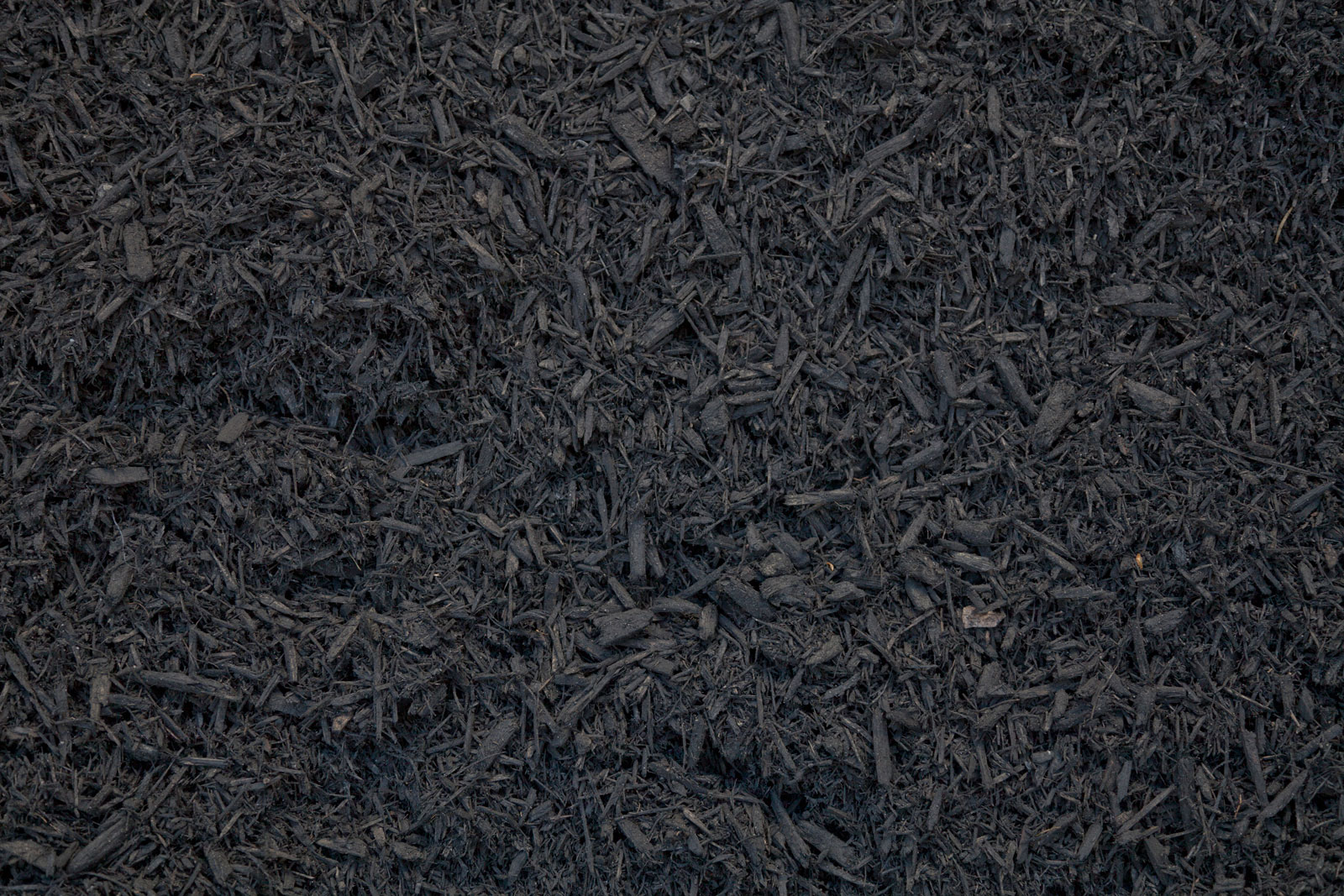
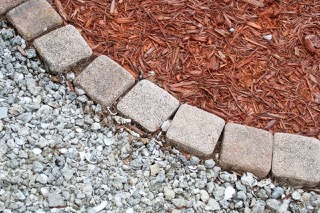
Uneven mulch looks patchy and can leave weeds exposed in thin sections.

Bulk mulch is usually cleaner for medium and large projects than buying dozens of bags.
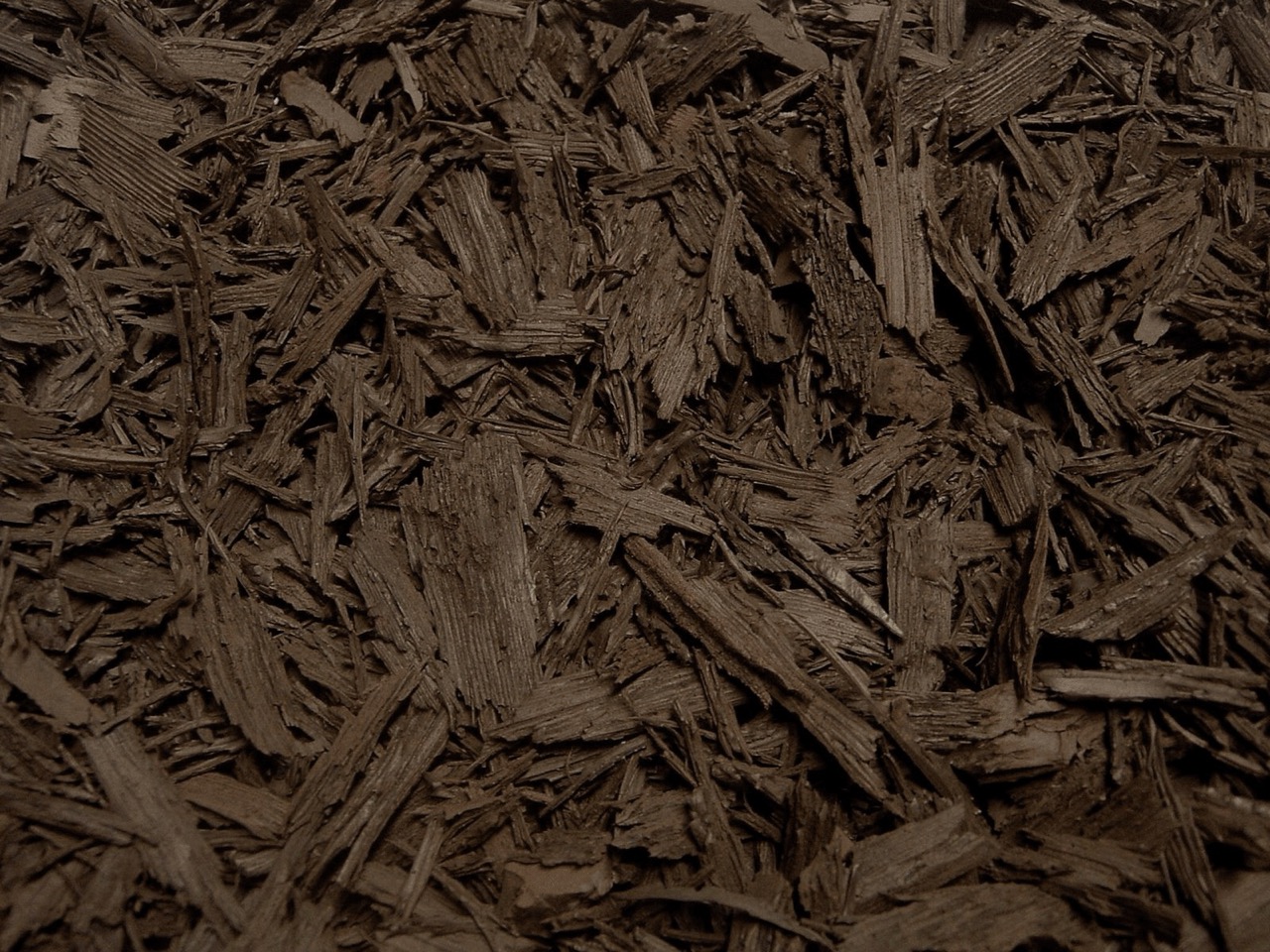
Mulch hides soil, so add compost or soil before mulch if the bed is low or compacted.
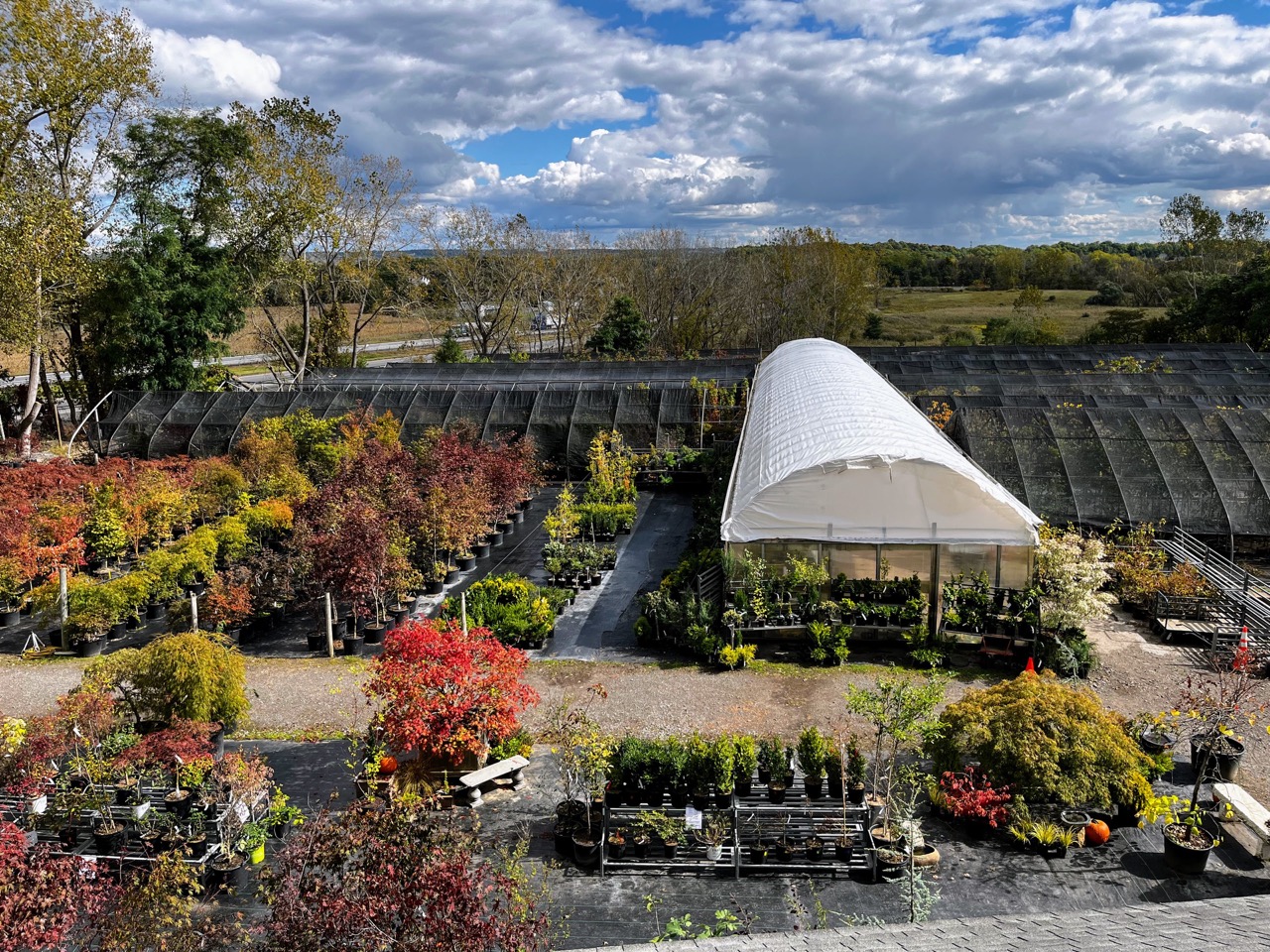
Two inches is usually enough for an annual refresh when the bed already has mulch and weeds are controlled. Three inches is better for new beds, exposed soil, or areas that dry quickly in summer. More than 3 inches is usually not better because thick mulch can hold too much moisture around stems and can reduce oxygen movement into the soil. In Toronto clay soil, the best result is a clean edge, weed removal, light soil improvement where needed, and a consistent 2 to 3 inch layer.
For irregular beds, break the bed into simple rectangles and triangles, calculate each section, then add them together. A curved bed that is 4 feet deep along a 40 foot fence line is roughly 160 square feet. At 3 inches deep, that needs about 1.5 cubic yards of mulch. Always add a small margin for edges and settling, but avoid ordering too much because excess mulch often gets piled too thick around shrubs and tree trunks.
Usually no for planted garden beds. Landscape fabric can reduce weeds for a short time, but it often traps debris on top, makes planting harder, blocks soil improvement, and can interfere with perennial spreading. A better long-term system is proper bed edging, hand weeding, soil correction, and mulch at the correct depth. Fabric can make sense under decorative stone in some low-planting zones, but under organic mulch in active planting beds it often creates more maintenance later.
For most Toronto homes, better results come from combining cleanup, bed preparation, edging, mulch, planting, and watering into one clear plan instead of treating each item separately.
Landscaping Services Mulch and Gravel Installation Planting Services