
Clean bed line
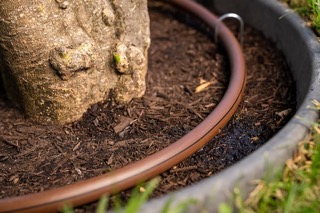
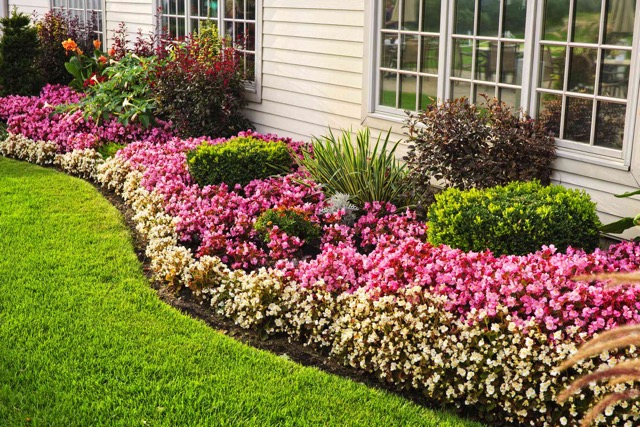
A defined edge makes mulch look intentional instead of spilling into the lawn.



















Best Edging for Mulch Beds in Toronto Spade Edge vs Plastic vs Stone is a specific soft-landscaping question for Toronto homeowners, not a generic yard-care topic. The right answer depends on bed size, soil condition, weeds, plant health, mulch depth, edging, cleanup level, watering access, disposal, and how the bed connects to the rest of the property.
For most Toronto mulch beds, the best edging is a clean spade edge if you want a natural look and lower upfront cost. Stone edging is better when you need a permanent border beside lawn, walkways, or sloped beds. Plastic edging is cheaper, but it can heave, crack, or look wavy after freeze-thaw cycles if it is not installed carefully. The direct answer is: use spade edging for simple garden beds, stone edging for high-visibility or long-term borders, and avoid flimsy plastic where snow, lawn equipment, or frost movement will abuse it.
| Scope | Typical Cost or Rule | What It Usually Means |
|---|---|---|
| Spade edge | $2-$6/linear ft | Clean, natural, affordable, but needs seasonal touch-up. |
| Plastic or metal edge | $5-$12/linear ft | Useful for curves, but quality and staking matter. |
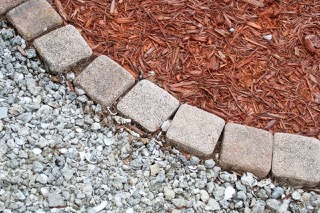
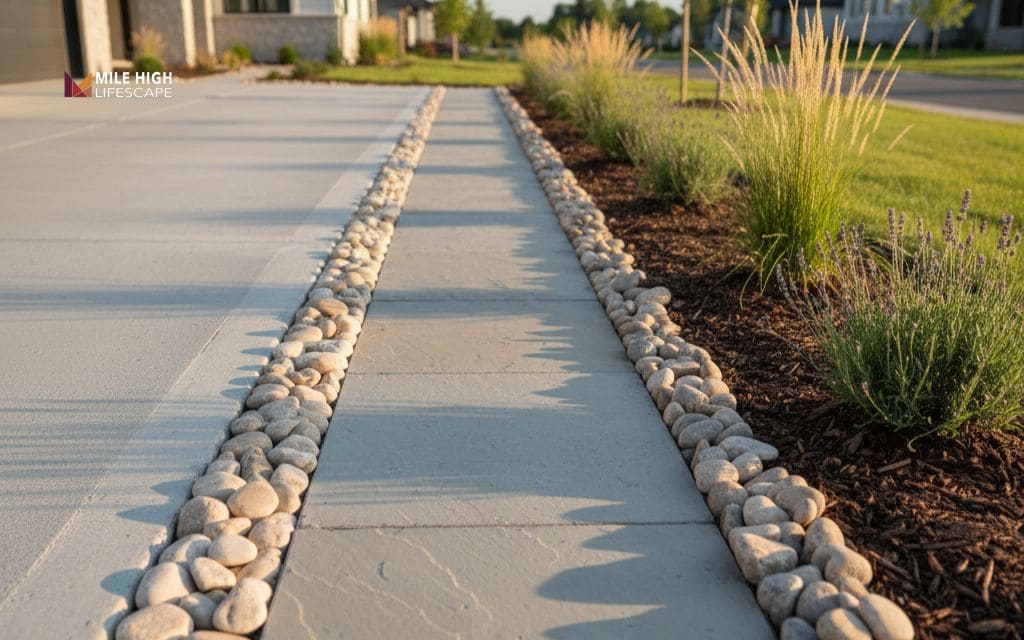
| Stone or paver edge | $18-$45+/linear ft | Higher cost, strongest visual border, best for long-term beds. |
Use this quick visual to see what usually changes the scope, price, or maintenance level.
A good soft-landscaping job starts with the bed conditions, not only the final material.
A defined edge makes mulch look intentional instead of spilling into the lawn.

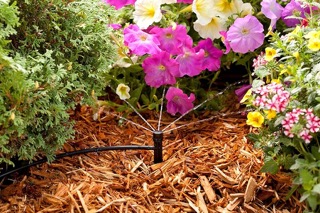
High-visibility beds usually justify stronger edging because the line is seen every day.

Curves need smooth layout before mulch, otherwise the bed shape looks accidental.
Edging should be done before mulch delivery so the final depth sits neatly inside the bed.

Yes, a spade edge is enough for many Toronto garden beds when the lawn is level, the bed is not on a slope, and the homeowner accepts seasonal maintenance. It creates a clean trench that separates turf from mulch without adding a visible hard border. The limitation is durability. Mowing, foot traffic, rain, and freeze-thaw movement soften the edge over time, so it should be refreshed once or twice per season for the crispest look.
Stone edging is worth it when the bed is beside a walkway, driveway, patio, sloped lawn, or high-traffic front entrance. It costs more upfront, but it holds mulch better, defines the landscape permanently, and can match interlock or natural stone features. In Toronto, stone edging also helps where snow piles, salt, and spring runoff disturb soft edges. The tradeoff is installation cost and layout precision: poorly set stones can look uneven and create mowing headaches.
Edging helps, but it does not stop grass forever. Turf spreads by roots and rhizomes, especially when the edge is shallow or neglected. A deeper spade edge, a physical edging strip, or stone border slows the movement, but regular trimming is still needed. The most reliable system is a clear bed line, correct mulch depth, and maintenance before grass roots establish inside the bed. Waiting until midsummer usually makes the cleanup more expensive.
For most Toronto homes, better results come from combining cleanup, bed preparation, edging, mulch, planting, and watering into one clear plan instead of treating each item separately.
Landscaping Services Mulch and Gravel Installation Planting Services