
Plan plant timing
Spring and fall are usually easier on shrubs because temperatures are milder.















How to Prepare Garden Beds Before Planting Shrubs and Perennials is a specific soft-landscaping question for Toronto homeowners, not a generic yard-care topic. The right answer depends on bed size, soil condition, weeds, plant health, mulch depth, edging, cleanup level, watering access, disposal, and how the bed connects to the rest of the property.
Garden beds should be prepared before planting by removing weeds, loosening compacted soil, checking drainage, adding compost or quality soil where needed, laying out plant spacing, and confirming irrigation or watering access. The direct answer is: do not simply dig holes in poor clay and drop plants in. Toronto yards often have compacted fill, construction debris, or heavy clay under the top few inches. Shrubs and perennials establish faster when the whole bed is improved, not only the planting hole. Good preparation reduces transplant shock, root circling, water stress, and early plant failure.
| Scope | Typical Cost or Rule | What It Usually Means |
|---|---|---|
| Basic bed prep | $3-$8/sq ft | Weeding, loosening, light soil amendment, and grading. |
| New planting bed | $8-$18/sq ft | Bed shaping, soil improvement, layout, mulch, and cleanup. |
| Full soft landscape install | $15-$35+/sq ft | Plants, soil, mulch, edging, irrigation coordination, and design layout. |
Use this quick visual to see what usually changes the scope, price, or maintenance level.
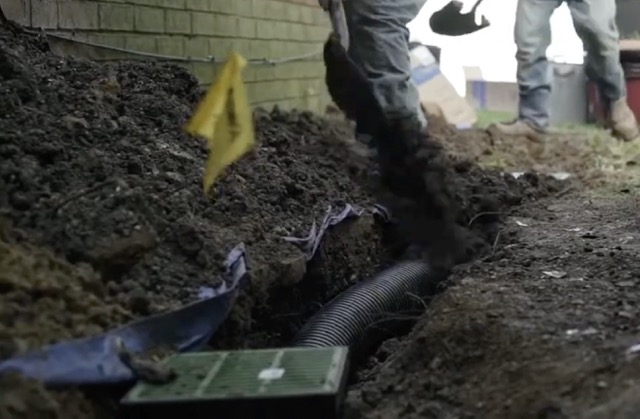
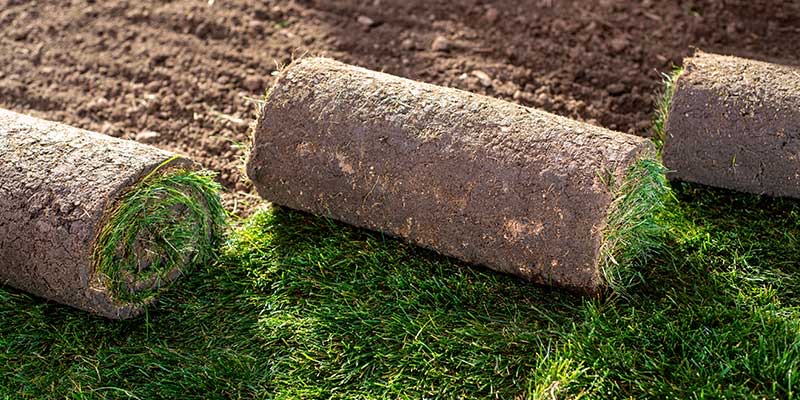
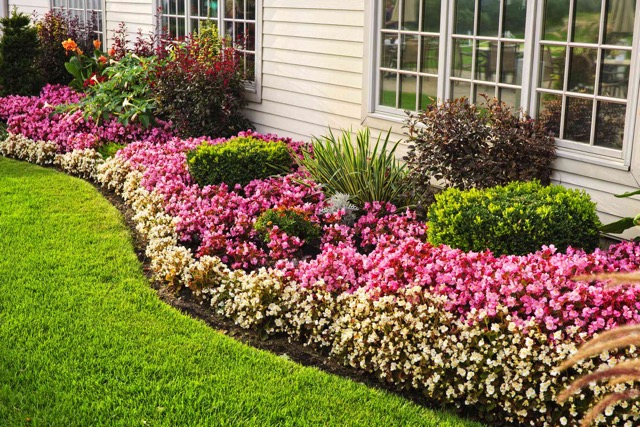
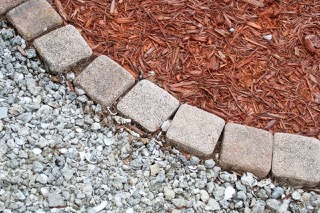
A good soft-landscaping job starts with the bed conditions, not only the final material.
Spring and fall are usually easier on shrubs because temperatures are milder.

Plant spacing should be based on mature size, not the small nursery container size.

Whole-bed soil improvement helps roots move beyond the original planting hole.

Shrubs, perennials, mulch, and irrigation should be planned together before installation.

No, amending only the planting hole is usually not the best approach in compacted Toronto soil. If the planting hole is much richer than the surrounding soil, roots may stay inside that pocket instead of spreading into the wider bed. A better method is to loosen and improve the broader planting area, correct drainage, and backfill with soil that blends with the existing conditions. The goal is a root zone that encourages outward growth, not a soft container inside hard clay.
Most shrubs need a prepared root zone at least 12 to 18 inches deep, depending on plant size and soil conditions. The planting hole should usually be wider than the root ball, not dramatically deeper. Planting too deep is a common failure point because the crown can sit below grade and stay wet. For perennials, 8 to 12 inches of improved soil is often enough, but drainage still matters. Heavy clay should be loosened and blended, not simply covered with a thin top layer.
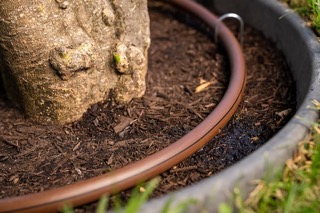
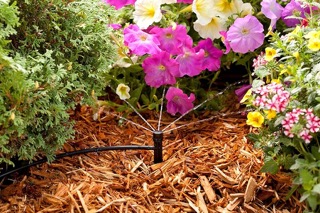
New planting beds do not always need a full irrigation system, but they need reliable watering for the first season. Shrubs and perennials often fail because they dry out during the establishment period, especially beside fences, under roof overhangs, or in full sun. Drip irrigation is efficient because it waters the root zone slowly and keeps foliage drier. If irrigation is not installed, the homeowner needs a clear hand-watering schedule and a way to check moisture below the mulch layer.
For most Toronto homes, better results come from combining cleanup, bed preparation, edging, mulch, planting, and watering into one clear plan instead of treating each item separately.
Landscaping Services Mulch and Gravel Installation Planting Services