

















Native Shrubs for Pollinators in Toronto Gardens
The best native shrubs for Toronto pollinator gardens include serviceberry, red-osier dogwood, ninebark, elderberry, viburnum, chokeberry, and buttonbush in wetter sites. Native shrubs are useful because they provide flowers, berries, nesting habitat, and seasonal structure while handling local weather better than many ornamental imports.
What Toronto Homeowners Should Know
The best native shrubs for Toronto pollinator gardens include serviceberry, red-osier dogwood, ninebark, elderberry, viburnum, chokeberry, and buttonbush in wetter sites. Native shrubs are useful because they provide flowers, berries, nesting habitat, and seasonal structure while handling local weather better than many ornamental imports.
Top 10 Native Shrubs for Toronto Pollinator Gardens
Native shrubs help Toronto gardens support pollinators, birds, seasonal flowers, berries, and winter structure without relying only on annual flowers.
Serviceberry
Early flowers and bird-friendly berries.
One of the best native-style choices for layered residential gardens.
Red-Osier Dogwood
Winter stem colour and wildlife value.
Red stems are strongest on younger growth.

Ninebark
Tough flowering shrub with foliage colour.
Handles heavier soil better than many ornamentals.
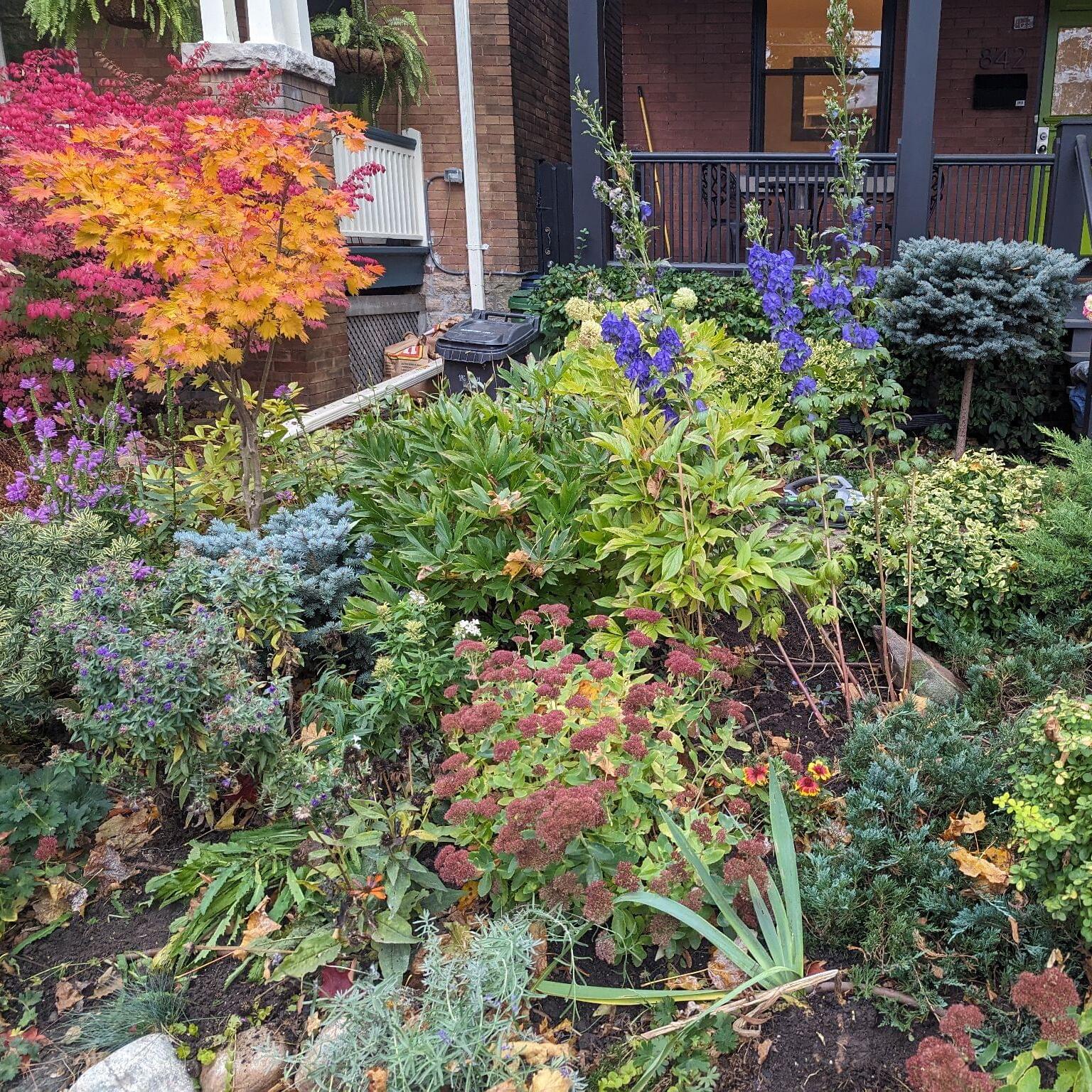
Elderberry
Large pollinator shrub with berries.
Needs space and moisture for best performance.
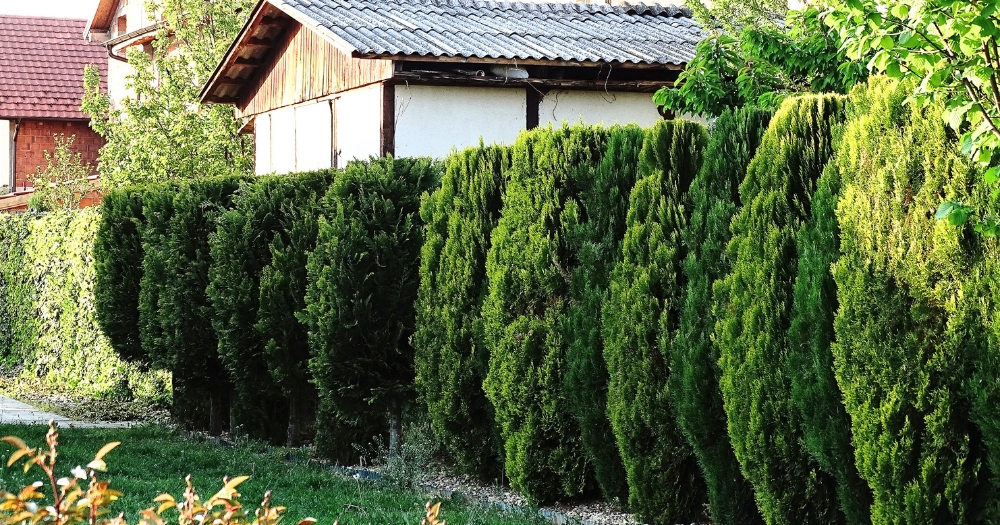
Arrowwood Viburnum
Screening shrub with flowers and fruit.
Viburnums support birds and seasonal habitat.
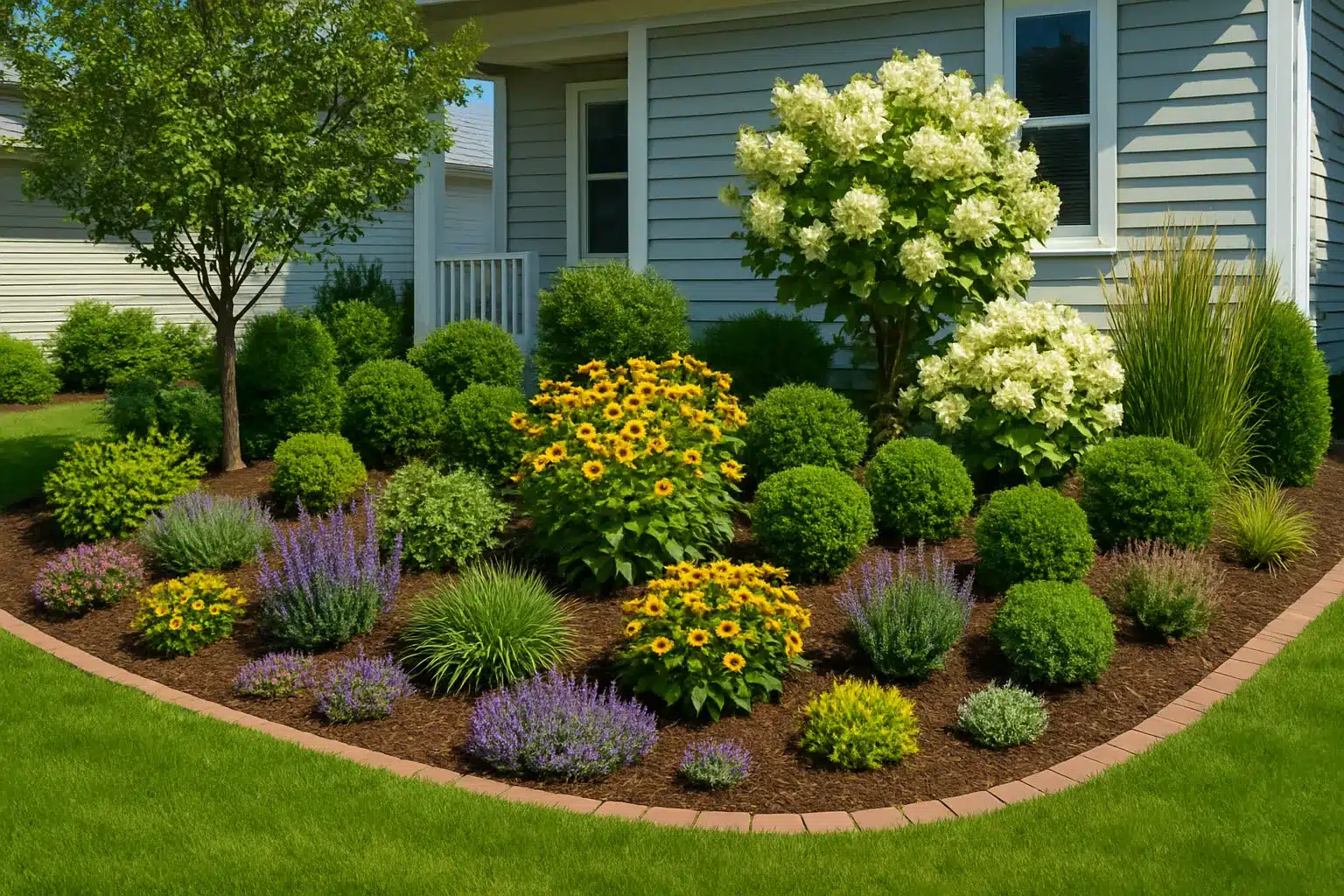
Chokeberry
Compact wet-to-average soil shrub.
Offers flowers, berries, and fall colour.
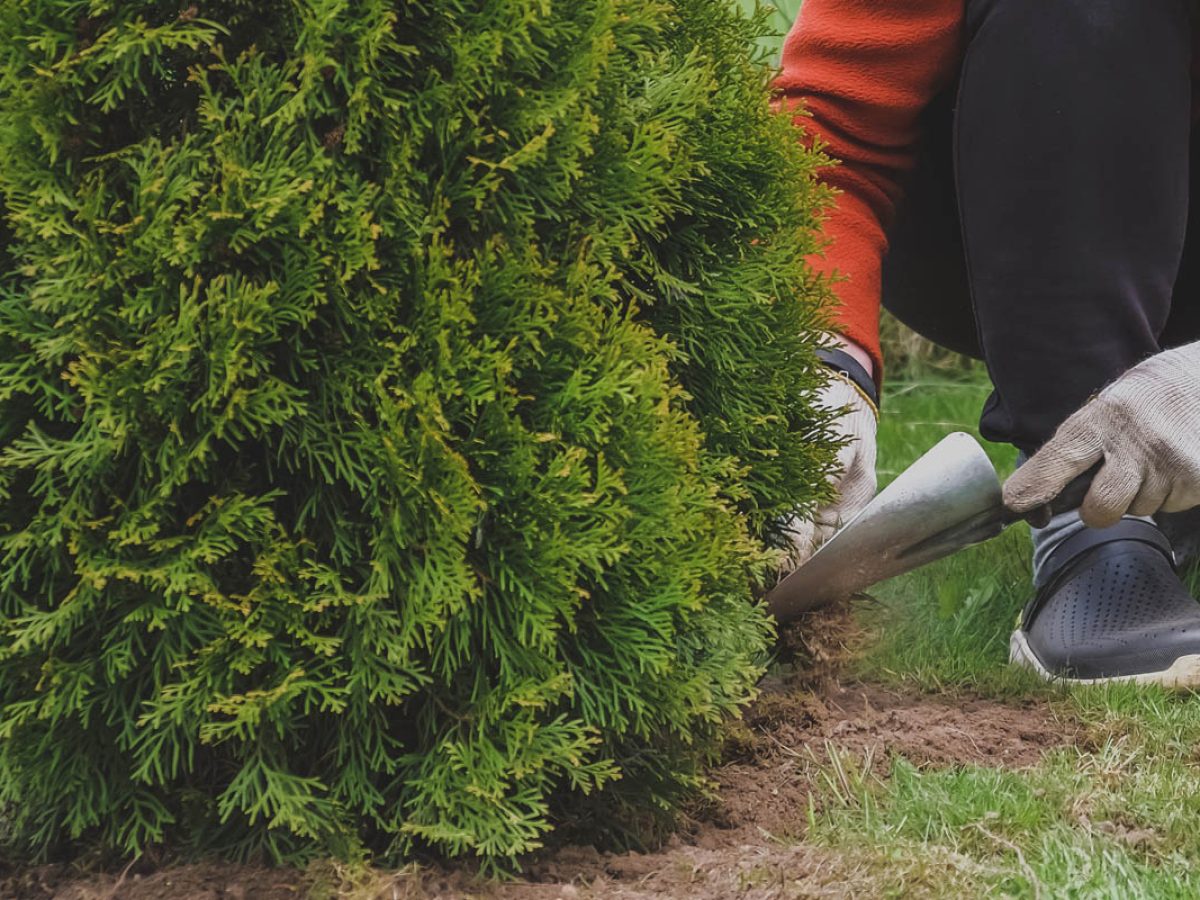
Buttonbush
Native shrub for wet areas.
Round flowers attract pollinators and suit moist soil.
Nannyberry
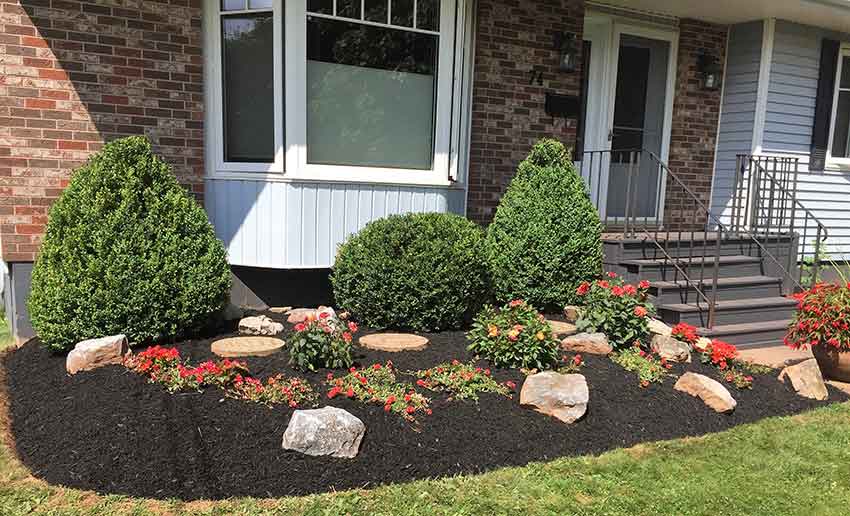
Large shrub for natural screening.
Can become small-tree sized, so spacing matters.

Fragrant Sumac
Low spreading shrub for dry sunny slopes.
Handles poorer soil and helps stabilize slopes.
Winterberry
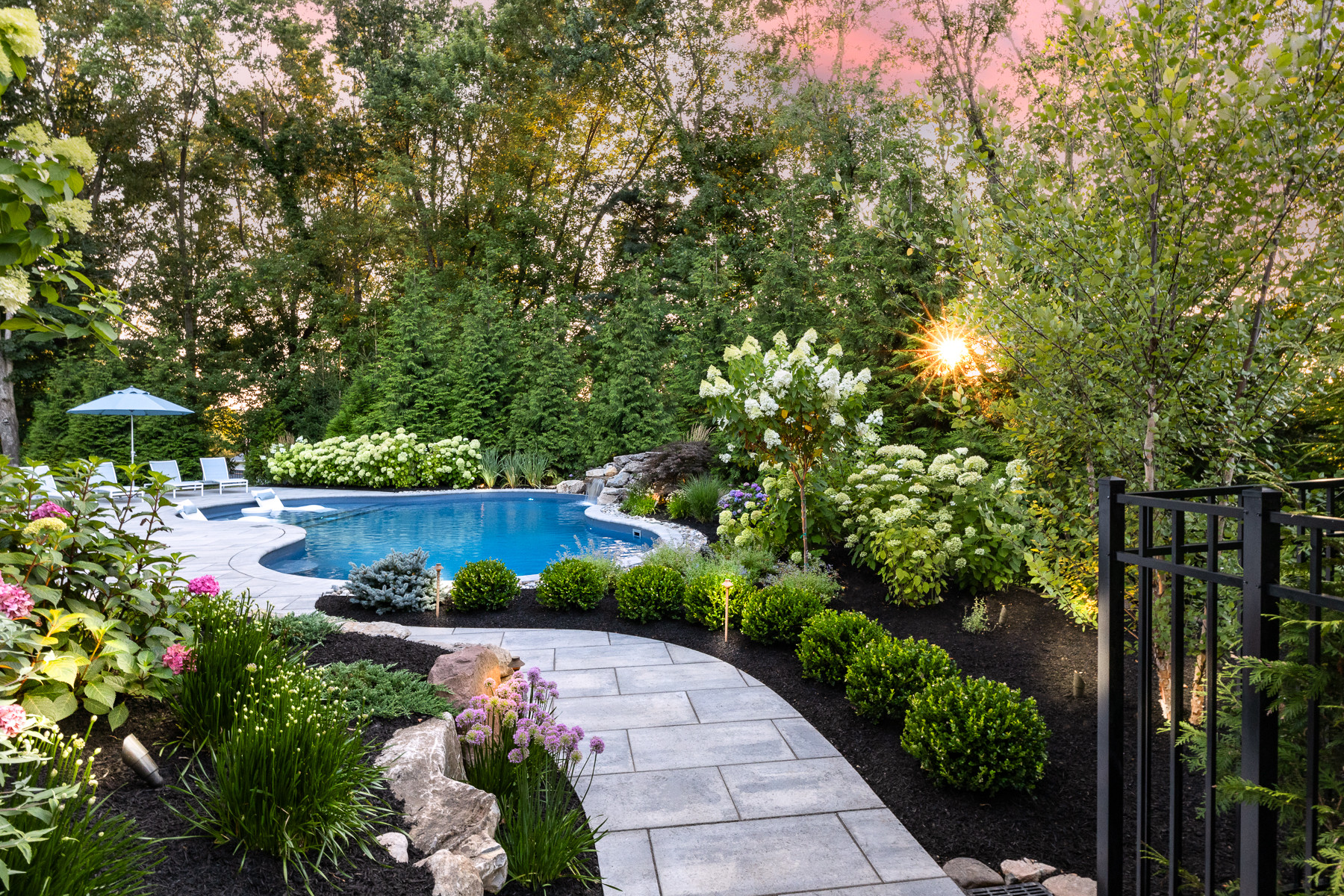
Winter berries in moist soil.
Needs a compatible male plant nearby for berries.
Best fit
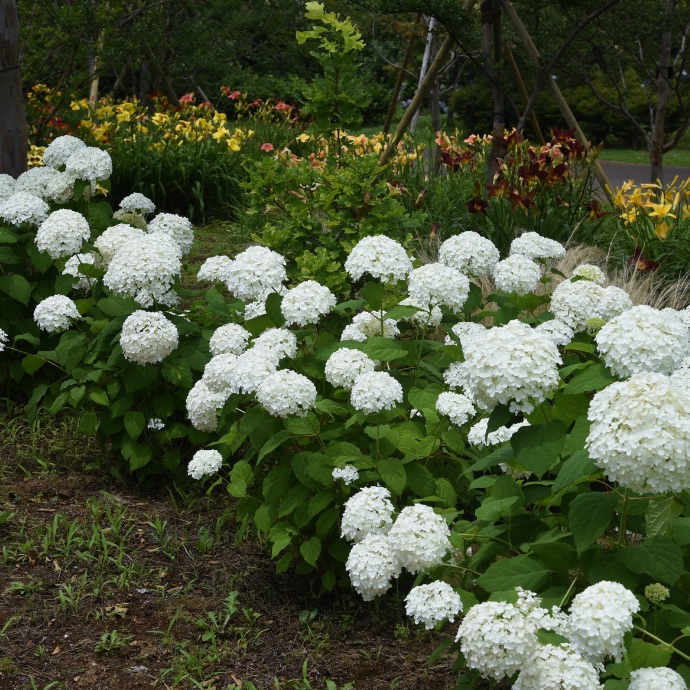
Serviceberry, red-osier dogwood, ninebark, elderberry, viburnum, chokeberry, and buttonbush are strong native shrub choices for Toronto gardens. Serviceberry feeds early pollinators in spring, elderberry and viburnum support insects and birds, and red-osier dogwood brings winter stem colour.
Toronto warning
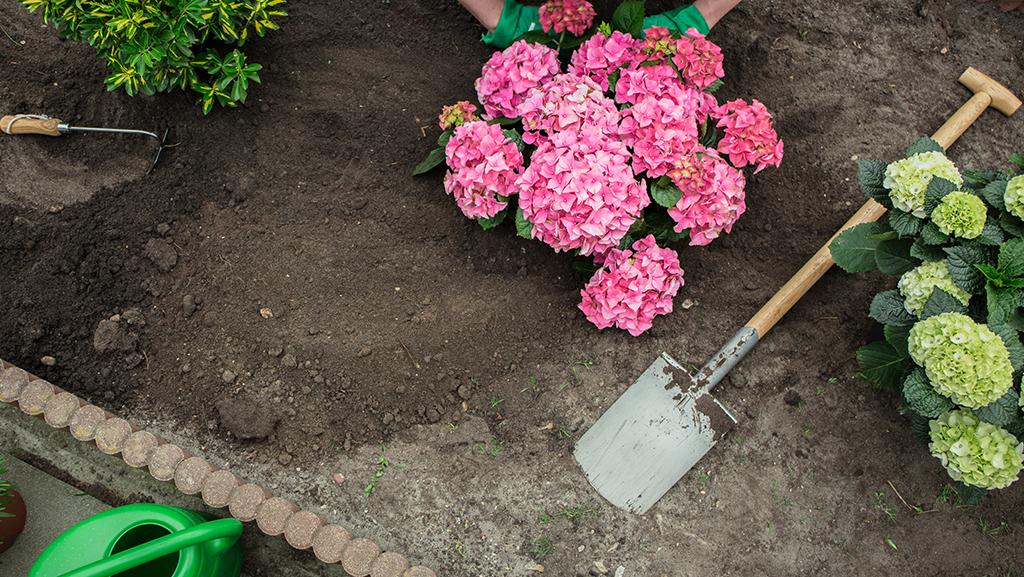
Native shrubs can be lower maintenance after establishment, but they still need correct placement and pruning. A shrub adapted to wet soil will not perform in a hot dry boulevard, and a large native shrub can outgrow a small front bed if mature size is ignored.
Smart upgrade
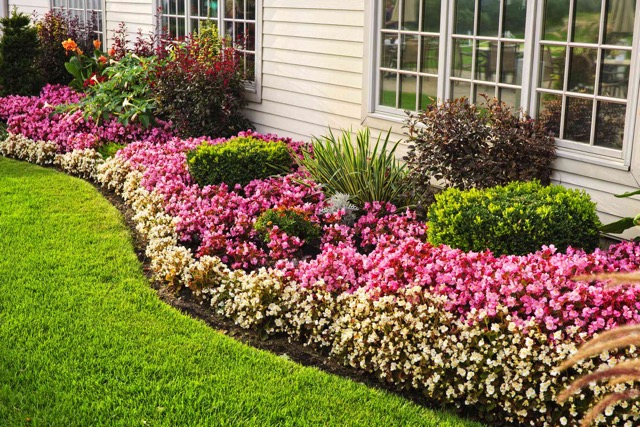
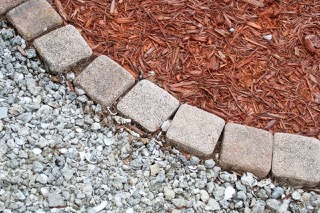
Yes, native shrubs can look neat when planted in intentional groups with clean edges, mulch, and repeated plant forms. A front yard does not need to look messy to support pollinators.
Common Questions About Native Shrubs for Pollinators in Toronto Gardens
Which native shrubs attract pollinators in Toronto?
Serviceberry, red-osier dogwood, ninebark, elderberry, viburnum, chokeberry, and buttonbush are strong native shrub choices for Toronto gardens. Serviceberry feeds early pollinators in spring, elderberry and viburnum support insects and birds, and red-osier dogwood brings winter stem colour. Native shrubs are not only “wild” plants; they can be used in clean residential designs when grouped properly. The best pollinator result comes from overlapping bloom times, avoiding pesticide use, and including shrubs, perennials, and trees instead of flowers alone.
Are native shrubs lower maintenance?
Native shrubs can be lower maintenance after establishment, but they still need correct placement and pruning. A shrub adapted to wet soil will not perform in a hot dry boulevard, and a large native shrub can outgrow a small front bed if mature size is ignored. Their advantage is resilience: many tolerate local winters, support wildlife, and need less intensive fertilizing once rooted. During the first year, native shrubs still need watering like any new planting. Low maintenance comes from matching the plant to the site, not from the native label alone.
Can native shrubs look neat in a front yard?
Yes, native shrubs can look neat when planted in intentional groups with clean edges, mulch, and repeated plant forms. A front yard does not need to look messy to support pollinators. For a tidy Toronto design, combine serviceberry or viburnum as structure, ninebark or dogwood as mid-height shrubs, and native perennials in controlled drifts. Keep the bed edge sharp and avoid too many single specimens. The result can look professional, colourful, and ecological at the same time. Design discipline is what makes native planting fit urban homes.
Practical Planting Details for Toronto and the GTA
| Item | Typical Answer | Why It Matters |
|---|---|---|
| Spring flowers | Serviceberry | Use this as the starting point, then adjust for sun, soil, drainage, access, and mature plant size. |
| Wet soil option | Buttonbush | Use this as the starting point, then adjust for sun, soil, drainage, access, and mature plant size. |
| Winter stems | Red-osier dogwood | Use this as the starting point, then adjust for sun, soil, drainage, access, and mature plant size. |
| Bird value | Viburnum and elderberry | Use this as the starting point, then adjust for sun, soil, drainage, access, and mature plant size. |
Choose Plants by Category
For installation, spacing, soil preparation, mulch, edging, and aftercare, connect this planting plan with planting services in Toronto, full landscaping, mulch and river rock installation, and irrigation services so the plants are not only selected well, but installed and watered correctly.