

















Best Plants for Clay Soil in Toronto Backyards
For Toronto clay soil, choose plants that tolerate heavier ground: ninebark, dogwood, serviceberry, switchgrass, sedum, daylily, black-eyed Susan, coneflower, and some hydrangeas. Clay holds nutrients and water, but it compacts easily. The fix is not removing all soil; it is loosening, improving drainage, and choosing tough plants.
What Toronto Homeowners Should Know
For Toronto clay soil, choose plants that tolerate heavier ground: ninebark, dogwood, serviceberry, switchgrass, sedum, daylily, black-eyed Susan, coneflower, and some hydrangeas. Clay holds nutrients and water, but it compacts easily. The fix is not removing all soil; it is loosening, improving drainage, and choosing tough plants.
Top 10 Plants for Clay Soil in Toronto Backyards
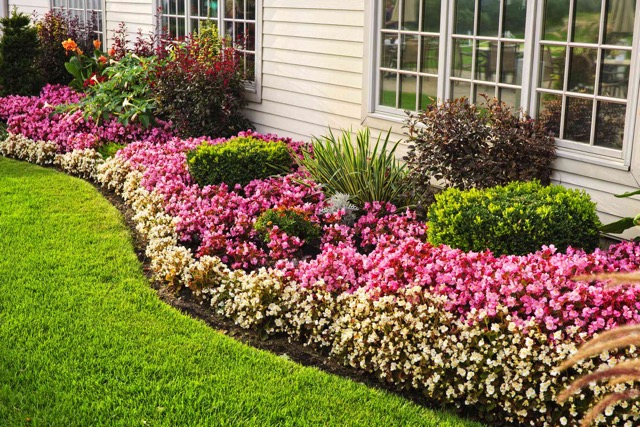
Toronto clay can grow excellent gardens when plants are chosen for heavier soil and the bed is loosened, mulched, and not planted while wet.

Ninebark
Shrub for heavy soil and foliage colour.
Tolerates clay better than many refined shrubs.
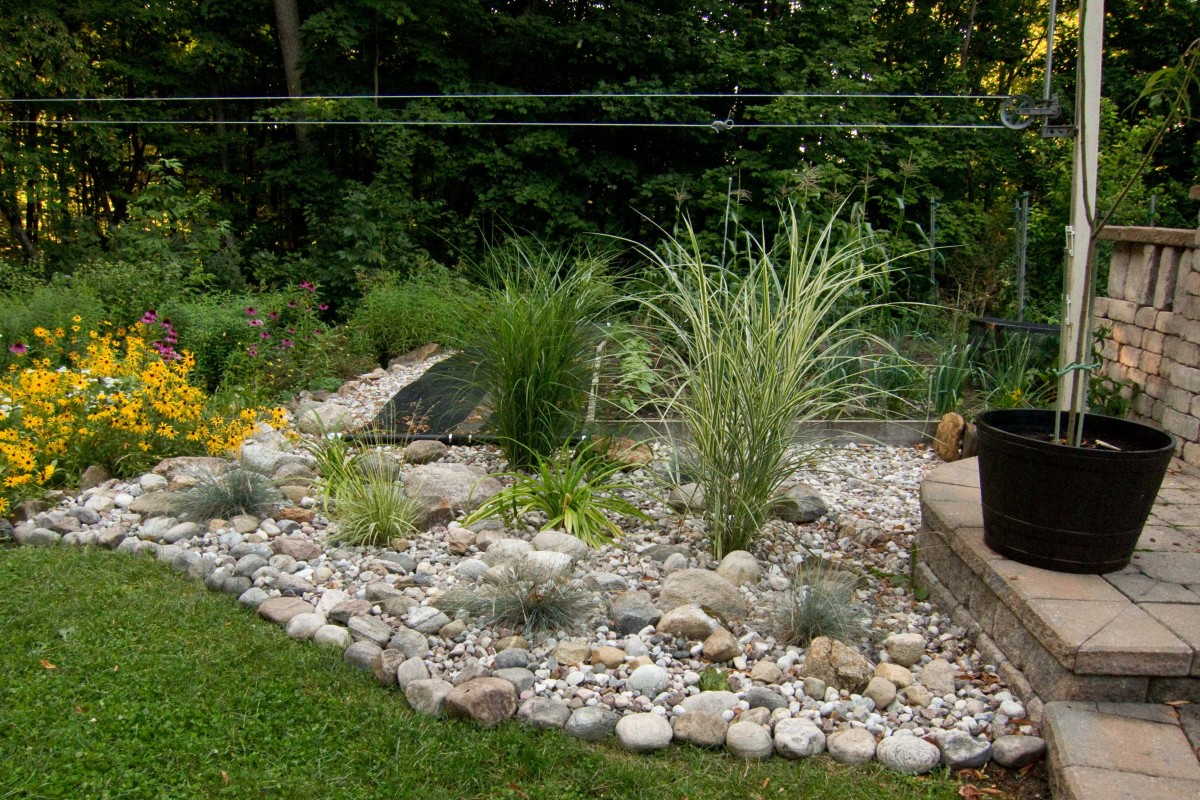
Red-Osier Dogwood
Shrub for damp clay and winter stems.
Good in heavier, wetter soil where many plants struggle.
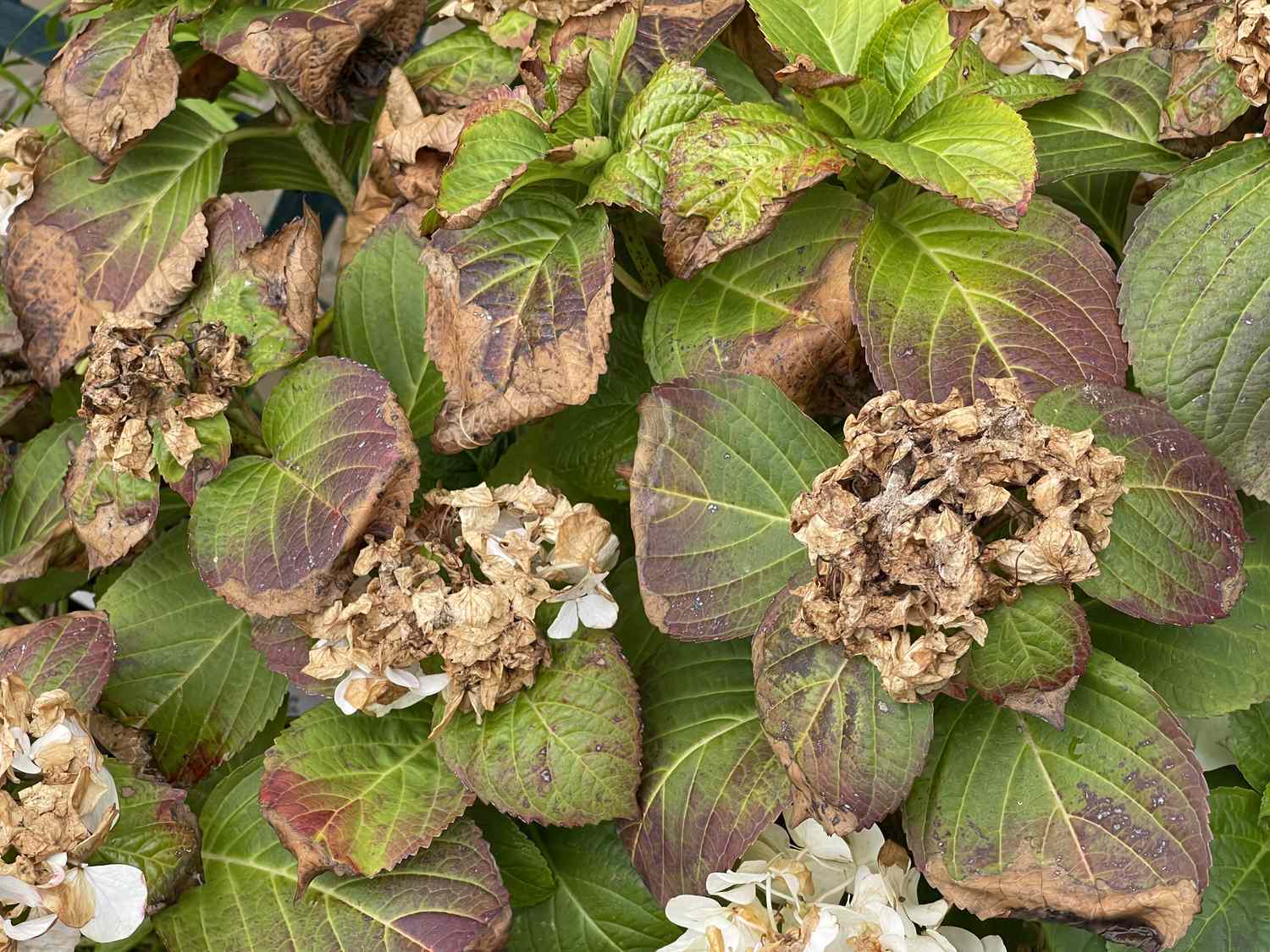
Serviceberry
Small tree for clay-tolerant structure.
Performs well if clay is loosened and drainage is reasonable.
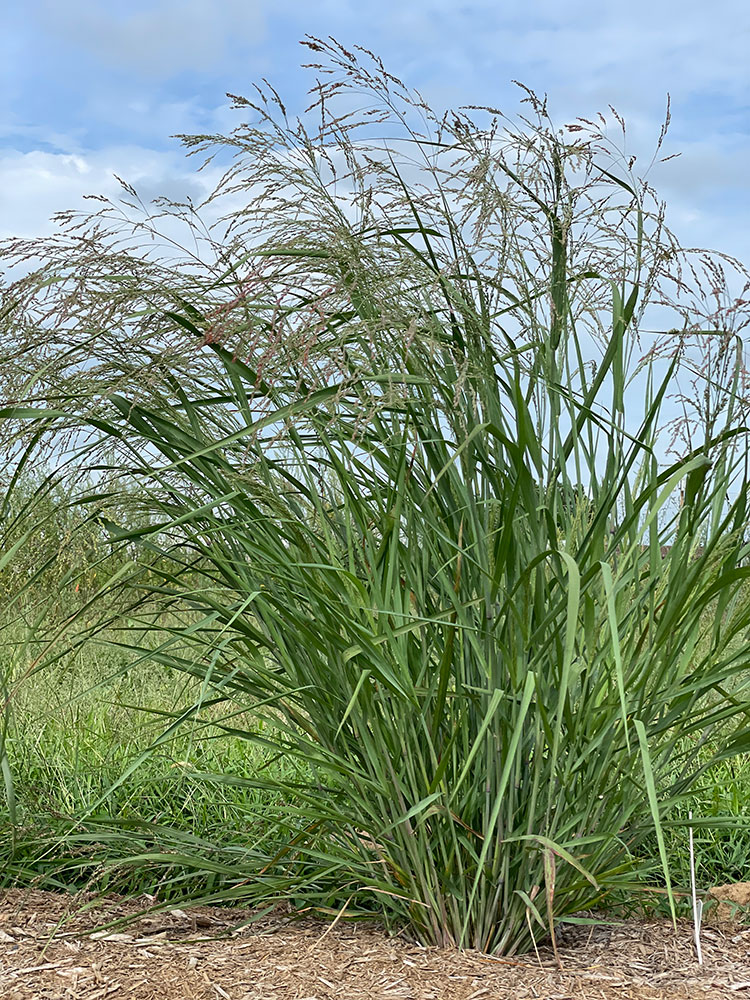
Switchgrass
Ornamental grass for clay and seasonal texture.
Deep roots help it adapt to tougher soil.

Daylily
Tough perennial for compacted sunny beds.
One of the most forgiving perennials for clay.

Black-Eyed Susan
Bright perennial for clay and pollinators.
Establishes well in improved clay and gives late colour.
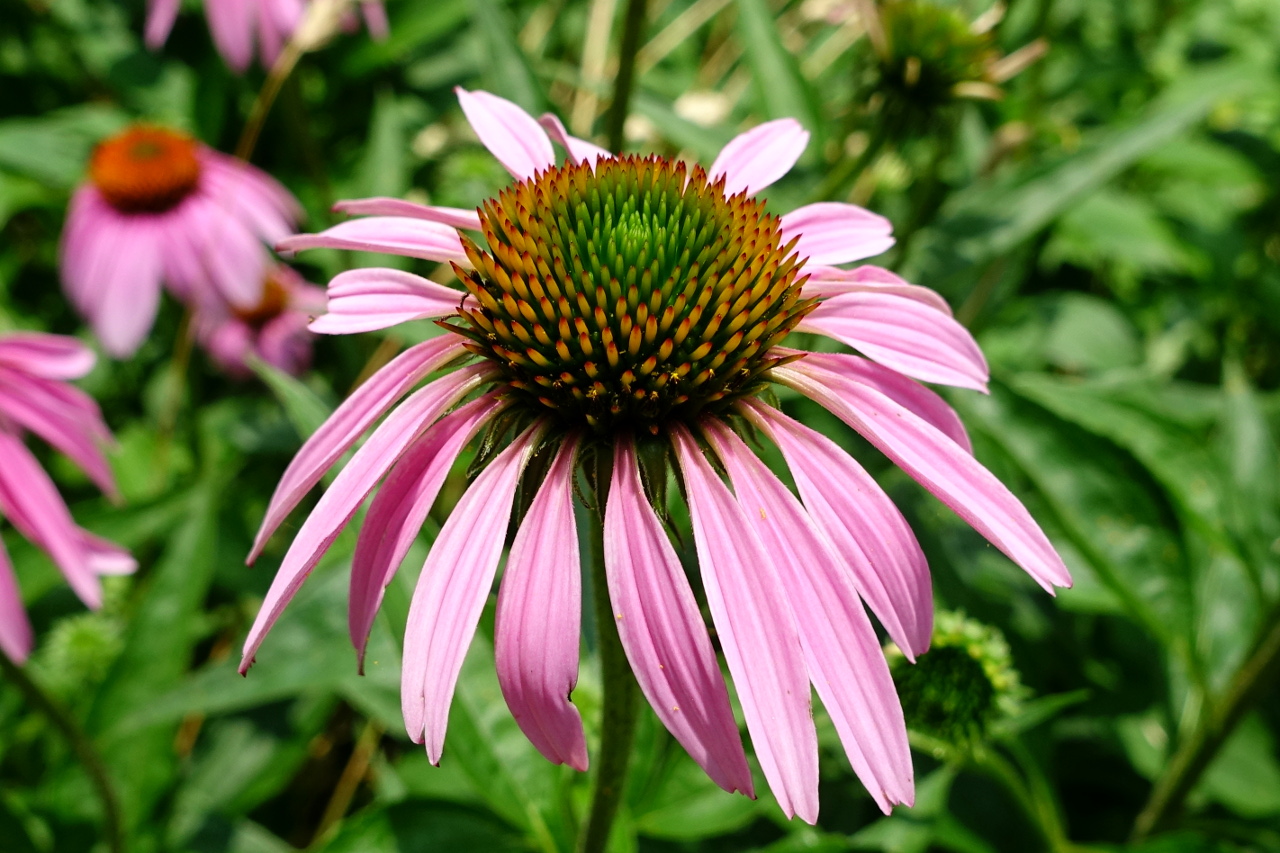
Coneflower
Summer flower for improved clay soil.
Needs drainage; heavy wet clay should be raised or amended.

Sedum
Dry-edge perennial for raised clay beds.
Works where clay has been lifted and drainage improved.

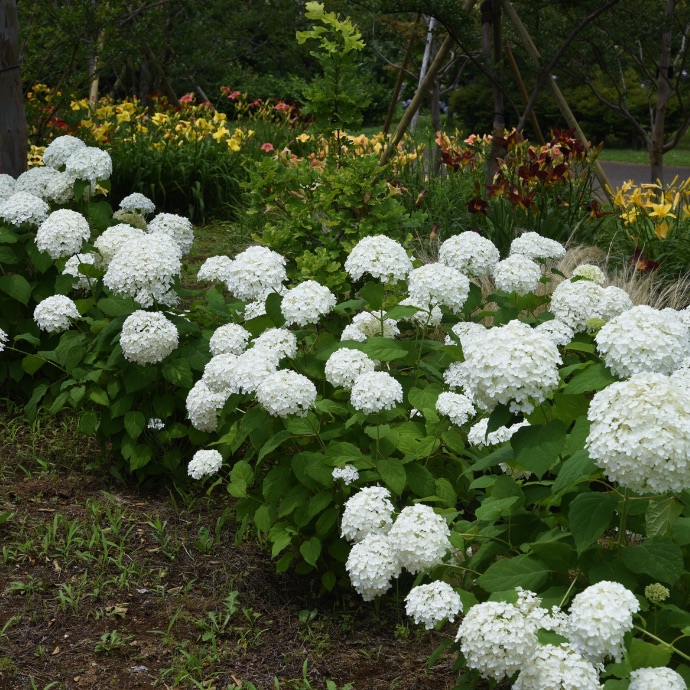
Panicle Hydrangea
Flowering shrub for improved clay.
Reliable Toronto bloomer with enough water and mulch.
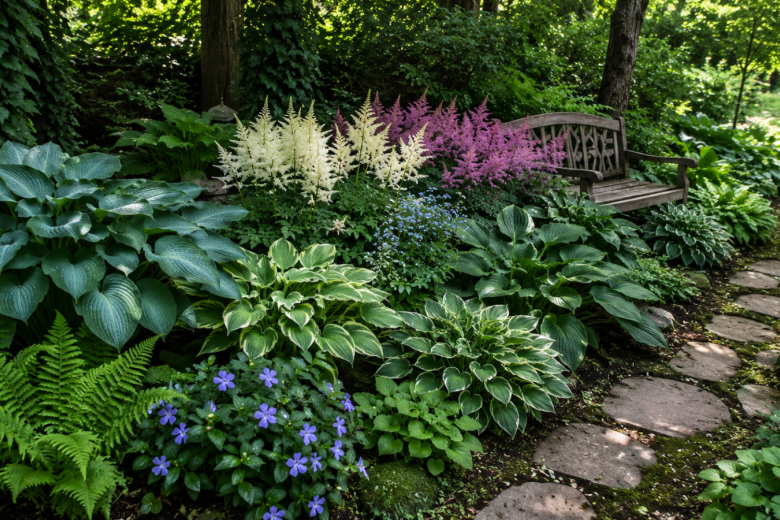
Joe-Pye Weed
Tall perennial for moist clay.
Loves moisture and attracts pollinators.
Best fit
Ninebark, red-osier dogwood, serviceberry, switchgrass, daylily, sedum, black-eyed Susan, coneflower, and many panicle hydrangeas can grow well in Toronto clay soil when the bed is prepared correctly. Clay is not automatically bad; it holds nutrients and moisture better than sandy soil.

Toronto warning
Usually no, you do not need to replace all clay soil before planting. Complete replacement can create a bathtub effect where water sits in the imported soil pocket and roots stay trapped.
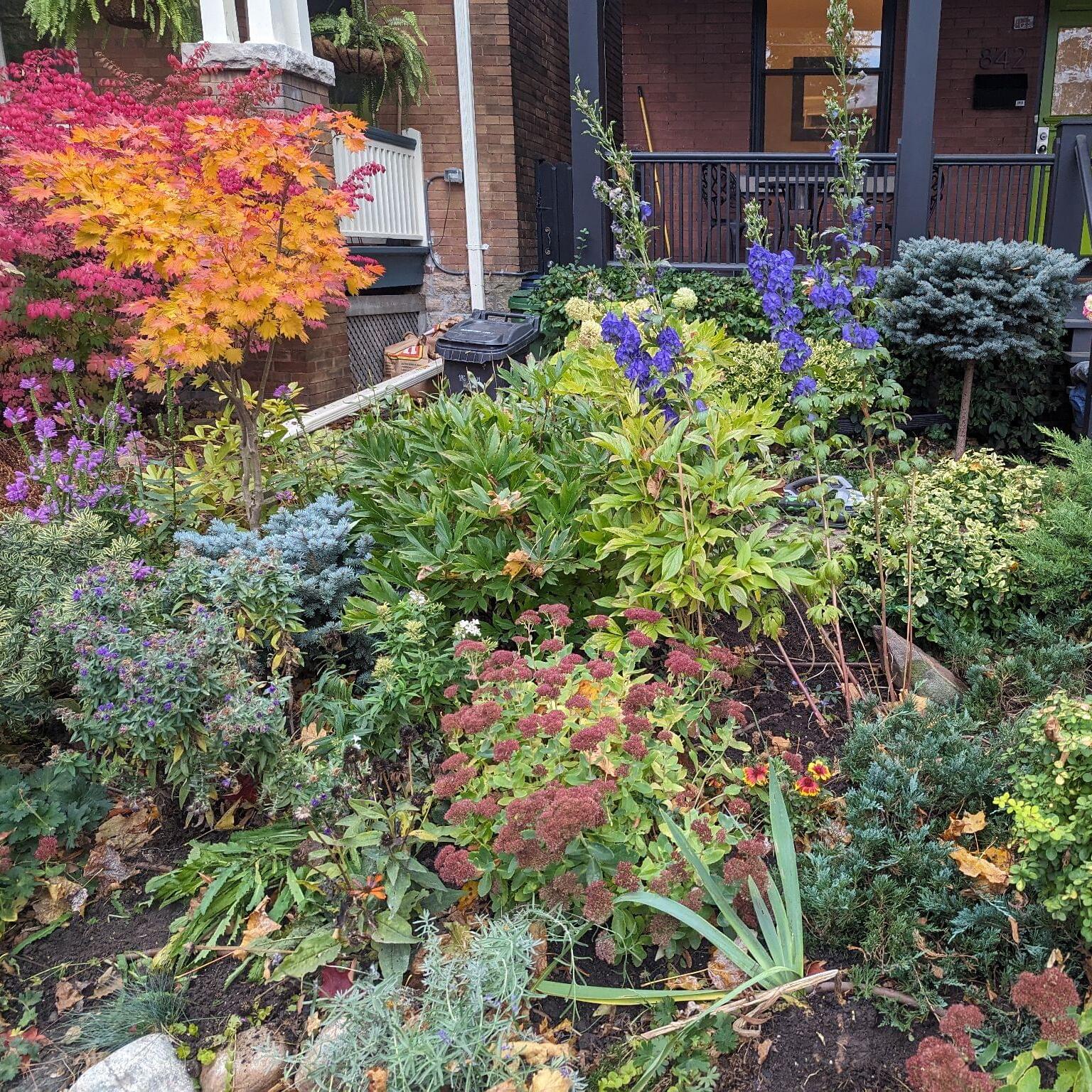
Smart upgrade
Clay soil is too wet when a squeezed handful stays shiny, sticky, and dense instead of crumbling. Planting into wet clay smears the sides of the hole and creates a hard wall roots cannot easily penetrate.
Common Questions About Best Plants for Clay Soil in Toronto Backyards
What plants grow well in Toronto clay soil?
Ninebark, red-osier dogwood, serviceberry, switchgrass, daylily, sedum, black-eyed Susan, coneflower, and many panicle hydrangeas can grow well in Toronto clay soil when the bed is prepared correctly. Clay is not automatically bad; it holds nutrients and moisture better than sandy soil. The problem is compaction and poor oxygen around roots. Plants that hate wet feet or demand sharp drainage struggle unless the bed is raised or amended. Choose plants with stronger root systems and avoid delicate alpine or Mediterranean plants in heavy clay.
Should clay soil be replaced before planting?
Usually no, you do not need to replace all clay soil before planting. Complete replacement can create a bathtub effect where water sits in the imported soil pocket and roots stay trapped. A better approach is to loosen the planting area wider than the root ball, blend organic matter moderately, correct grading if water sits, and mulch the surface. Raised beds are useful where drainage is very poor. In most Toronto backyards, improving structure and selecting clay-tolerant plants gives a better long-term result than digging out everything.
How do you know clay soil is too wet for planting?
Clay soil is too wet when a squeezed handful stays shiny, sticky, and dense instead of crumbling. Planting into wet clay smears the sides of the hole and creates a hard wall roots cannot easily penetrate. If water stands in the hole for hours, drainage should be corrected before shrubs or trees go in. Some moisture is normal in spring, but constant saturation causes root rot. The practical answer is to plant when the soil is workable, loosen a wide area, and use raised beds or drainage solutions where water regularly collects.
Practical Planting Details for Toronto and the GTA
| Item | Typical Answer | Why It Matters |
|---|---|---|
| Clay advantage | Holds nutrients | Use this as the starting point, then adjust for sun, soil, drainage, access, and mature plant size. |
| Clay problem | Compaction and poor drainage | Use this as the starting point, then adjust for sun, soil, drainage, access, and mature plant size. |
| Best shrubs | Ninebark, dogwood, serviceberry | Use this as the starting point, then adjust for sun, soil, drainage, access, and mature plant size. |
| Best perennials | Daylily, sedum, coneflower | Use this as the starting point, then adjust for sun, soil, drainage, access, and mature plant size. |
Choose Plants by Category
For installation, spacing, soil preparation, mulch, edging, and aftercare, connect this planting plan with planting services in Toronto, full landscaping, mulch and river rock installation, and irrigation services so the plants are not only selected well, but installed and watered correctly.