

















Low-Maintenance Planting Plan for a Toronto Front Yard
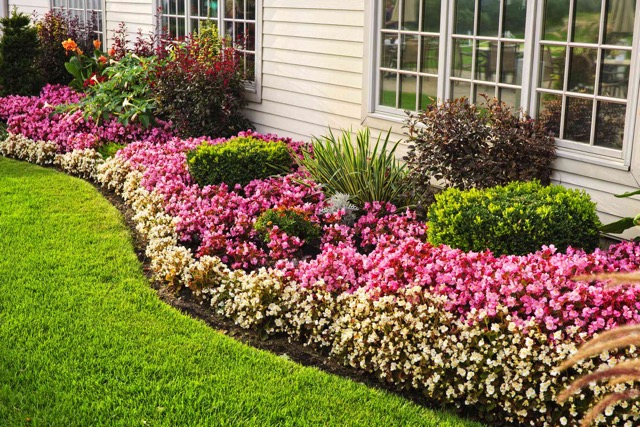
A low-maintenance Toronto front yard should use evergreen structure, repeat-blooming shrubs, tough perennials, mulch, edging, and simple irrigation. The best plant mix is usually boxwood or yew for structure, hydrangea or spirea for flowers, ornamental grasses for movement, and daylily, sedum, or salvia for colour.
What Toronto Homeowners Should Know
A low-maintenance Toronto front yard should use evergreen structure, repeat-blooming shrubs, tough perennials, mulch, edging, and simple irrigation. The best plant mix is usually boxwood or yew for structure, hydrangea or spirea for flowers, ornamental grasses for movement, and daylily, sedum, or salvia for colour.
Top 10 Low-Maintenance Plants for Toronto Front Yards
A low-maintenance front yard works best when plants have tidy mature sizes, winter structure, and enough toughness for heat, salt, clay, and missed watering.
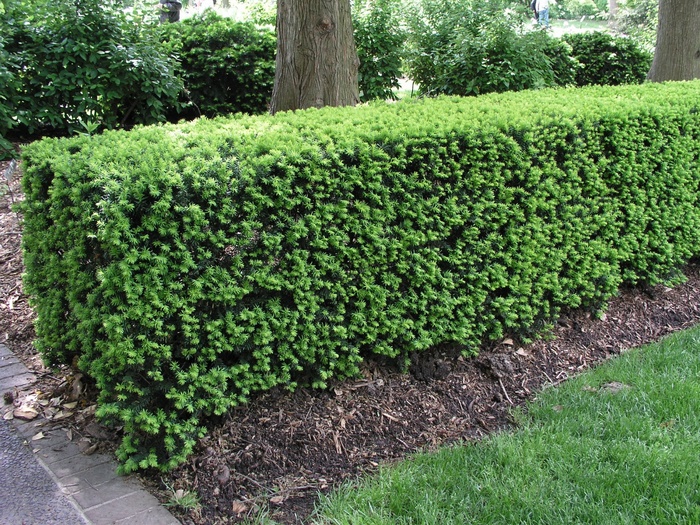
Yew
Evergreen structure with shade tolerance.
Prunes cleanly and keeps winter structure.

Boxwood
Formal low shrub for curb appeal.
Needs drainage and winter protection in exposed areas.

Panicle Hydrangea
Long-blooming shrub for sun.
Blooms reliably on new wood in Toronto.
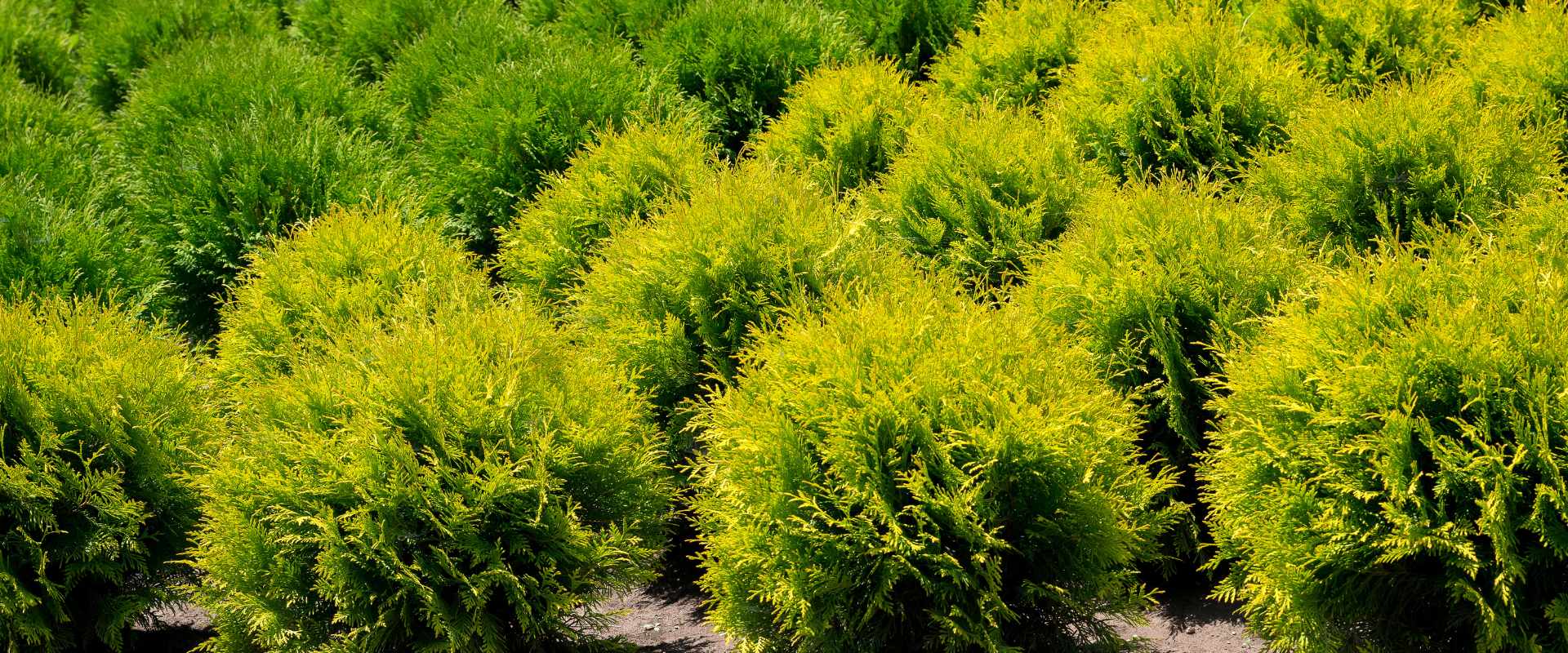
Dwarf Globe Cedar
Round evergreen accent.
Adds shape without becoming a tall hedge.

Spirea
Easy flowering shrub for sunny beds.
Responds well to simple seasonal pruning.

Sedum
Low-water perennial for hot edges.
Stores water and needs little fuss once established.

Daylily
Durable perennial for tough sites.
Handles clay, heat, and missed maintenance better than many flowers.
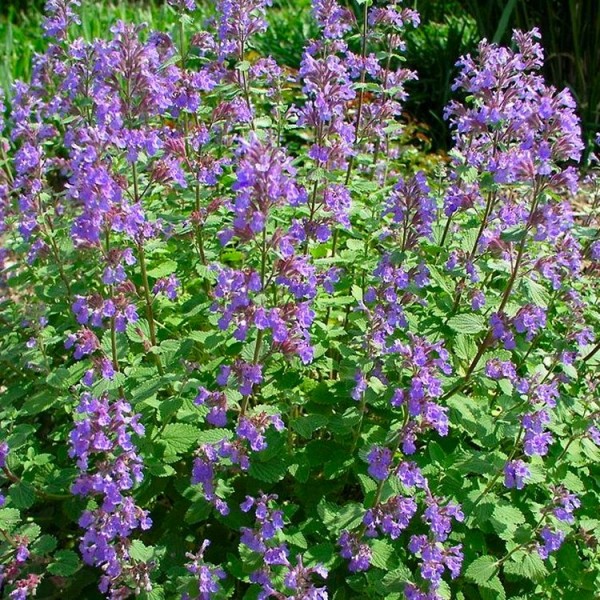
Catmint
Soft border plant with repeat colour.
Can be cut back after bloom to refresh.

Karl Foerster Grass
Upright structure and movement.
Narrow habit works in small front yards.
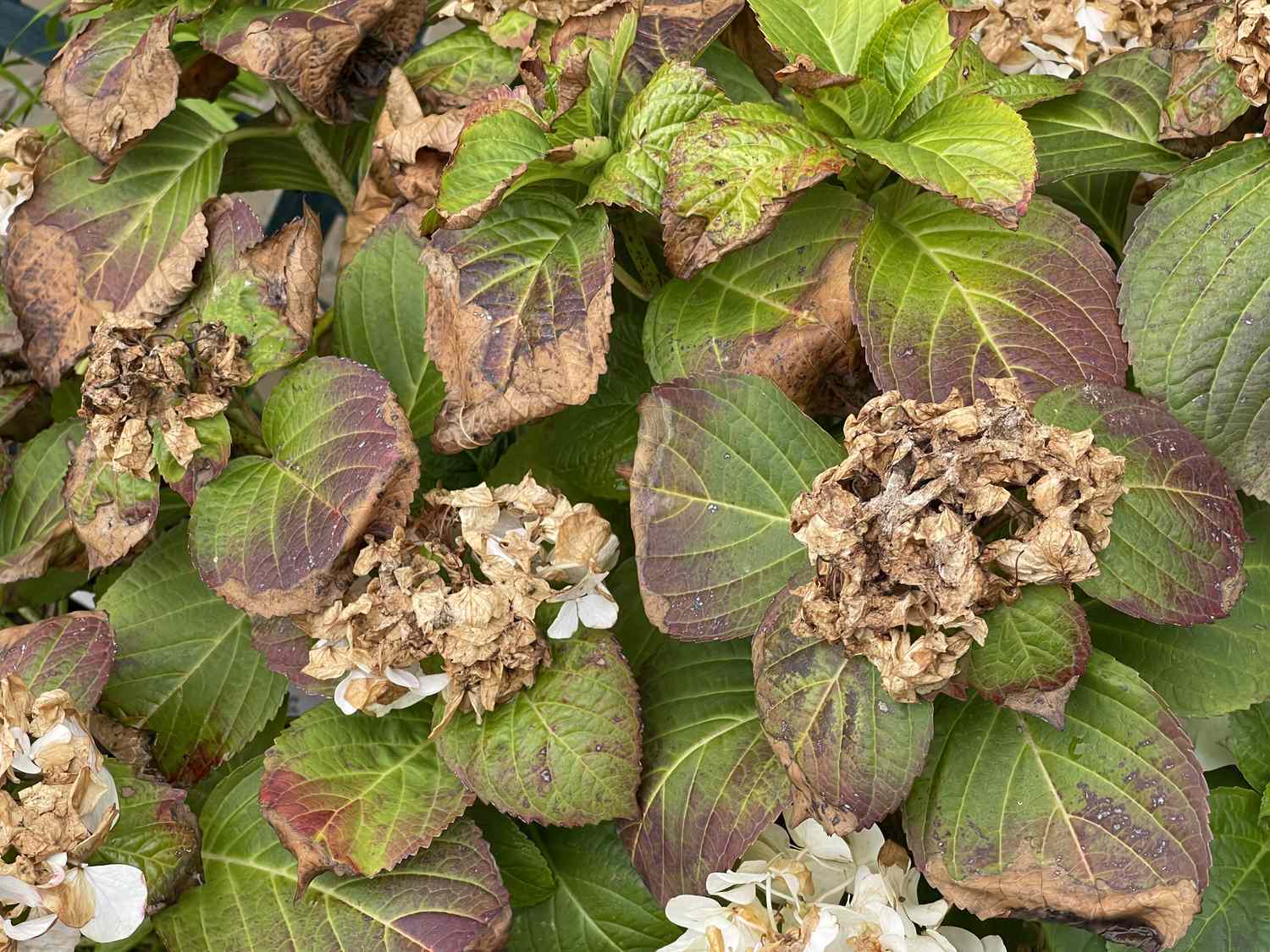
Serviceberry
Small tree for seasonal interest.
Flowers, berries, and fall colour in one plant.
Best fit
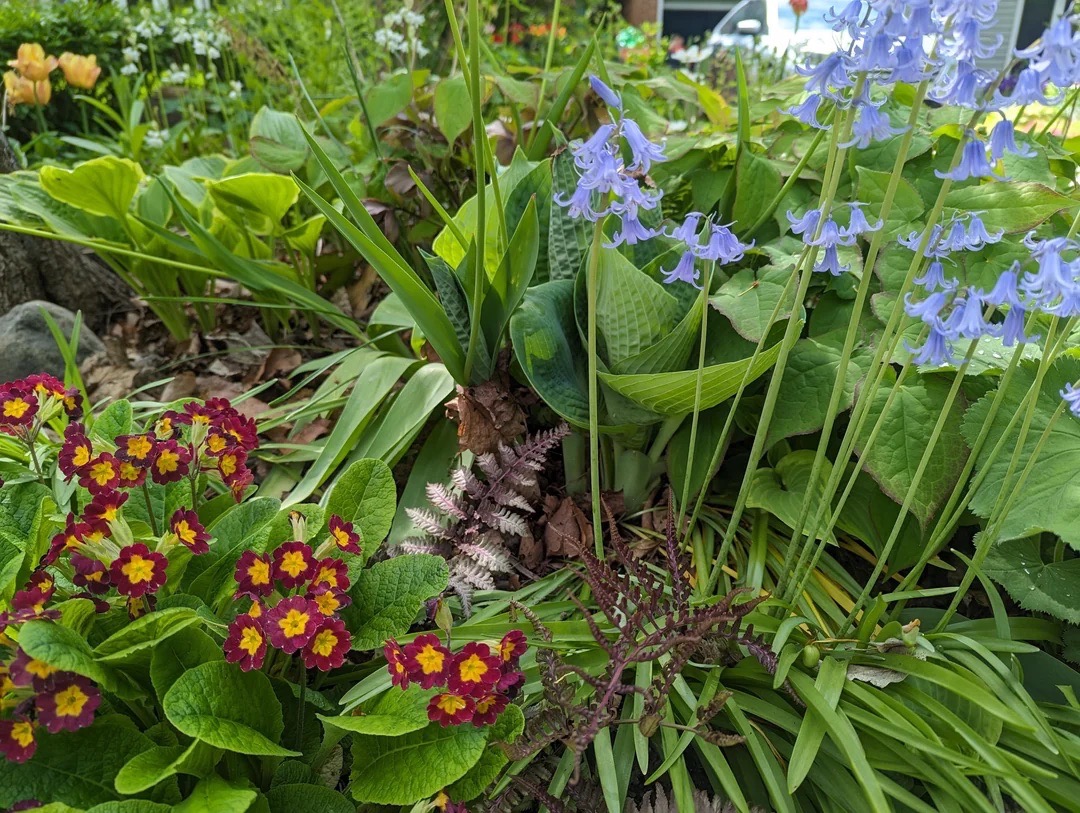
The best low-maintenance plan starts with evergreen structure, then adds flowering shrubs and a limited number of perennials. For many Toronto homes, that means yew or boxwood near the foundation, hydrangeas or spirea for seasonal bloom, ornamental grasses for texture, and sedum or daylily in hot edges.
Toronto warning
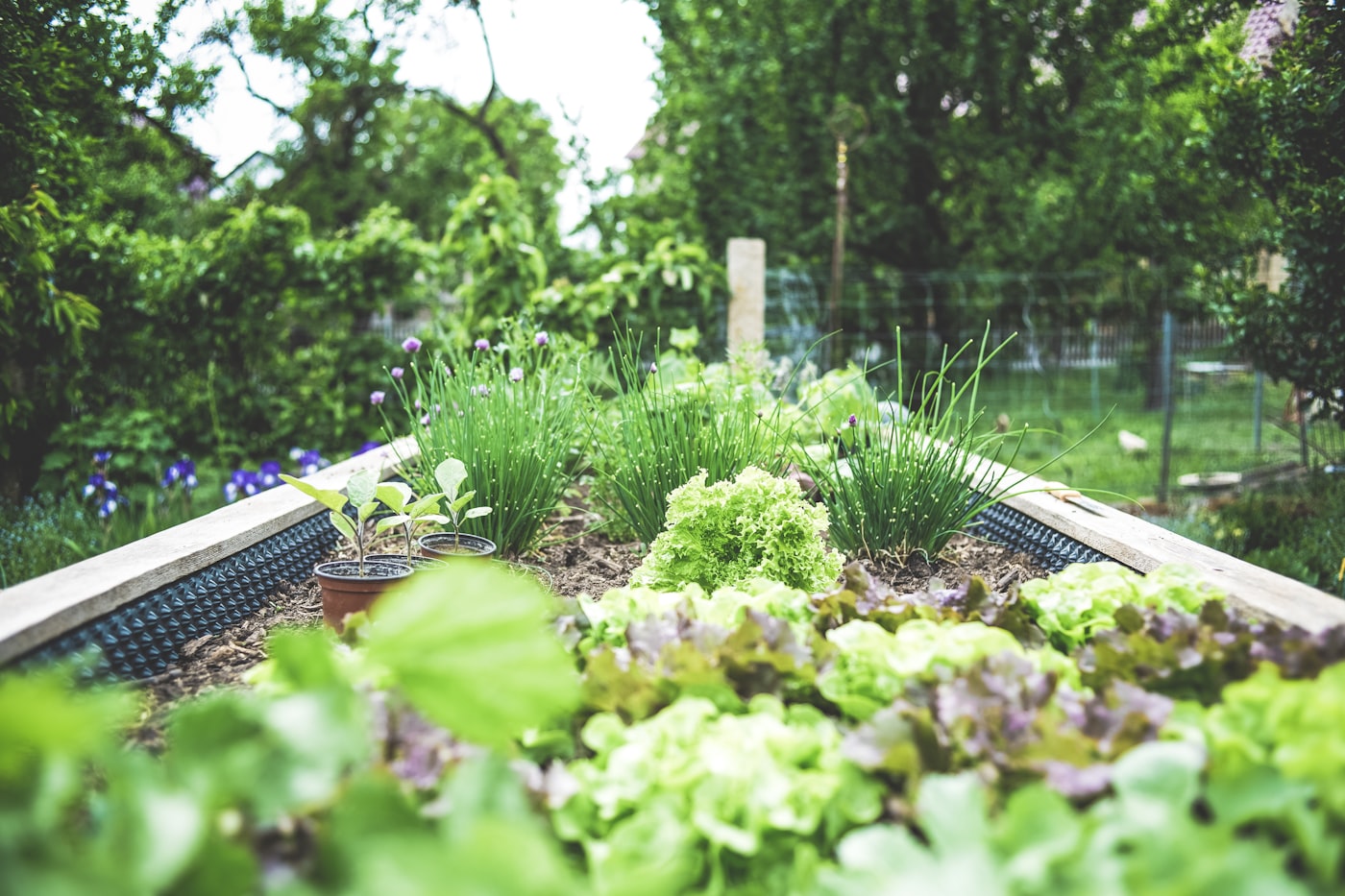
Avoid plants that need constant staking, deadheading, division, winter protection, or heavy watering unless you truly enjoy maintenance. Delicate annual-heavy beds, aggressive spreaders, and shrubs that outgrow the space quickly become work.
Smart upgrade
Yes, irrigation can make a low-maintenance planting plan much better, especially during the first two growing seasons. New shrubs and perennials fail most often because watering is inconsistent, not because the plant list is wrong.
Common Questions About Low-Maintenance Planting Plan for a Toronto Front Yard
What is the best low-maintenance planting plan for a Toronto front yard?
The best low-maintenance plan starts with evergreen structure, then adds flowering shrubs and a limited number of perennials. For many Toronto homes, that means yew or boxwood near the foundation, hydrangeas or spirea for seasonal bloom, ornamental grasses for texture, and sedum or daylily in hot edges. Use mulch and a clean bed edge to reduce weeds and make the design look finished. Avoid planting one of every flower from the nursery. Repetition is easier to maintain, easier to water, and stronger from the street.
Which plants should be avoided in a low-maintenance yard?
Avoid plants that need constant staking, deadheading, division, winter protection, or heavy watering unless you truly enjoy maintenance. Delicate annual-heavy beds, aggressive spreaders, and shrubs that outgrow the space quickly become work. In Toronto, also be careful with plants placed beside salted sidewalks or under roof overhangs with little rain. A low-maintenance yard is not plant-free; it is planted with the right mature sizes and water needs. Choosing fewer varieties in larger groups usually reduces pruning, replacement, and weeding over time.
Does irrigation make a low-maintenance planting plan better?
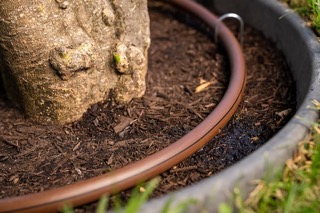
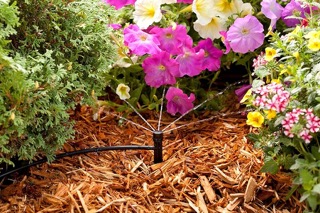
Yes, irrigation can make a low-maintenance planting plan much better, especially during the first two growing seasons. New shrubs and perennials fail most often because watering is inconsistent, not because the plant list is wrong. Drip irrigation or targeted spray zones keep water at the root area and reduce hand-watering time. Once plants are established, watering can be reduced, but Toronto summers still bring dry periods that stress foundation beds. A simple irrigation setup protects the investment in plants, mulch, and soil preparation.
Practical Planting Details for Toronto and the GTA
| Item | Typical Answer | Why It Matters |
|---|---|---|
| Best structure | Evergreens | Use this as the starting point, then adjust for sun, soil, drainage, access, and mature plant size. |
| Best colour | Hydrangea/spirea/perennials | Use this as the starting point, then adjust for sun, soil, drainage, access, and mature plant size. |
| Weed control | Mulch and edging | Use this as the starting point, then adjust for sun, soil, drainage, access, and mature plant size. |
| Time saver | Drip irrigation | Use this as the starting point, then adjust for sun, soil, drainage, access, and mature plant size. |
Choose Plants by Category
For installation, spacing, soil preparation, mulch, edging, and aftercare, connect this planting plan with planting services in Toronto, full landscaping, mulch and river rock installation, and irrigation services so the plants are not only selected well, but installed and watered correctly.