














French Drain vs Dry Well in Toronto Clay Soil:
Which One Do You Need?
Choose a French drain when water needs to move sideways across the property. Choose a dry well when water needs underground storage and slow release. In Toronto clay soil, a dry well must be sized carefully because clay drains slowly. Many properties need both: a French drain collects and moves water, while a dry well or gravel well stores it when there is no lower outlet.
Clear Answer for Toronto Homeowners
Choose a French drain when water needs to move sideways across the property. Choose a dry well when water needs underground storage and slow release. In Toronto clay soil, a dry well must be sized carefully because clay drains slowly. Many properties need both: a French drain collects and moves water, while a dry well or gravel well stores it when there is no lower outlet.
French drain
Best for long soggy bands, side yards, and subsurface water that must travel to an outlet.
Use this as a field check: if this symptom matches your yard after the next rain, this is the first repair path to price before digging randomly.
What the Problem Usually Looks Like
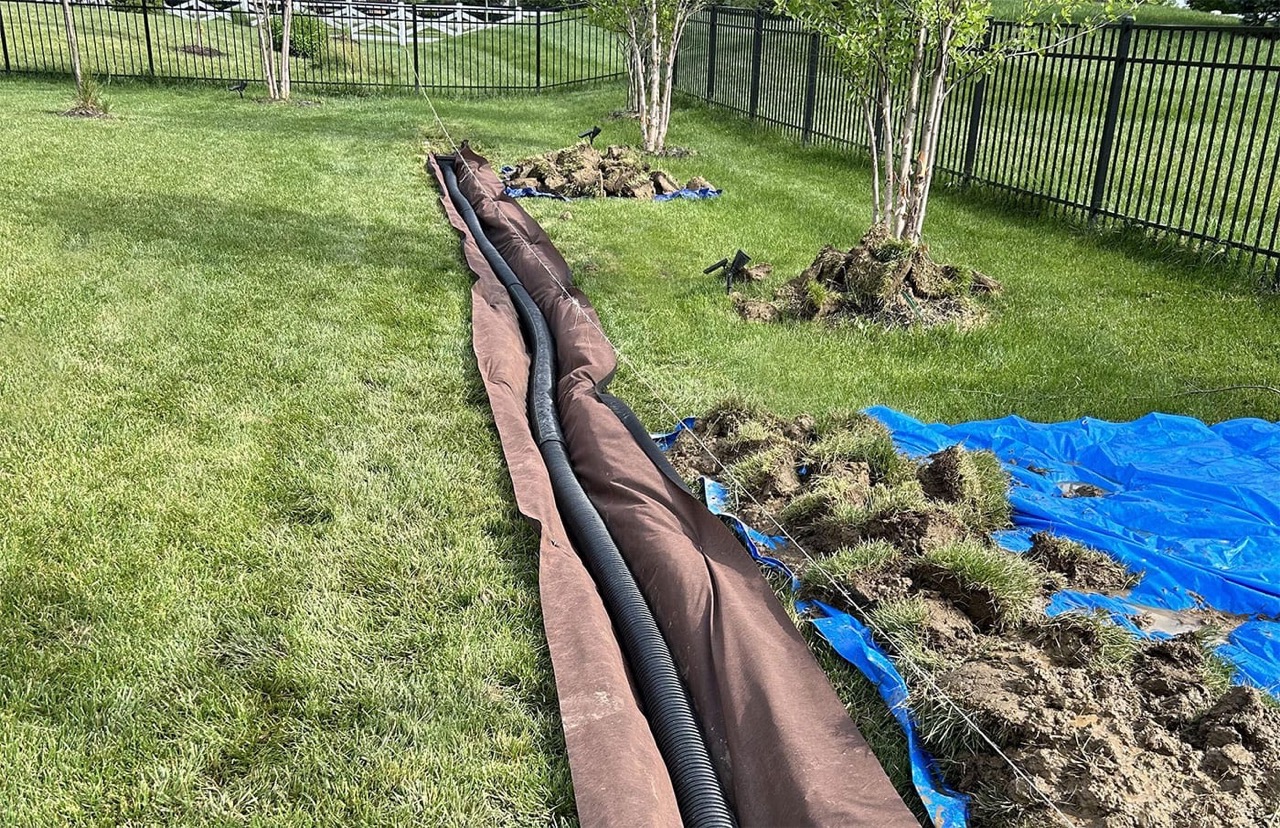
French drain
Best for long soggy bands, side yards, and subsurface water that must travel to an outlet.
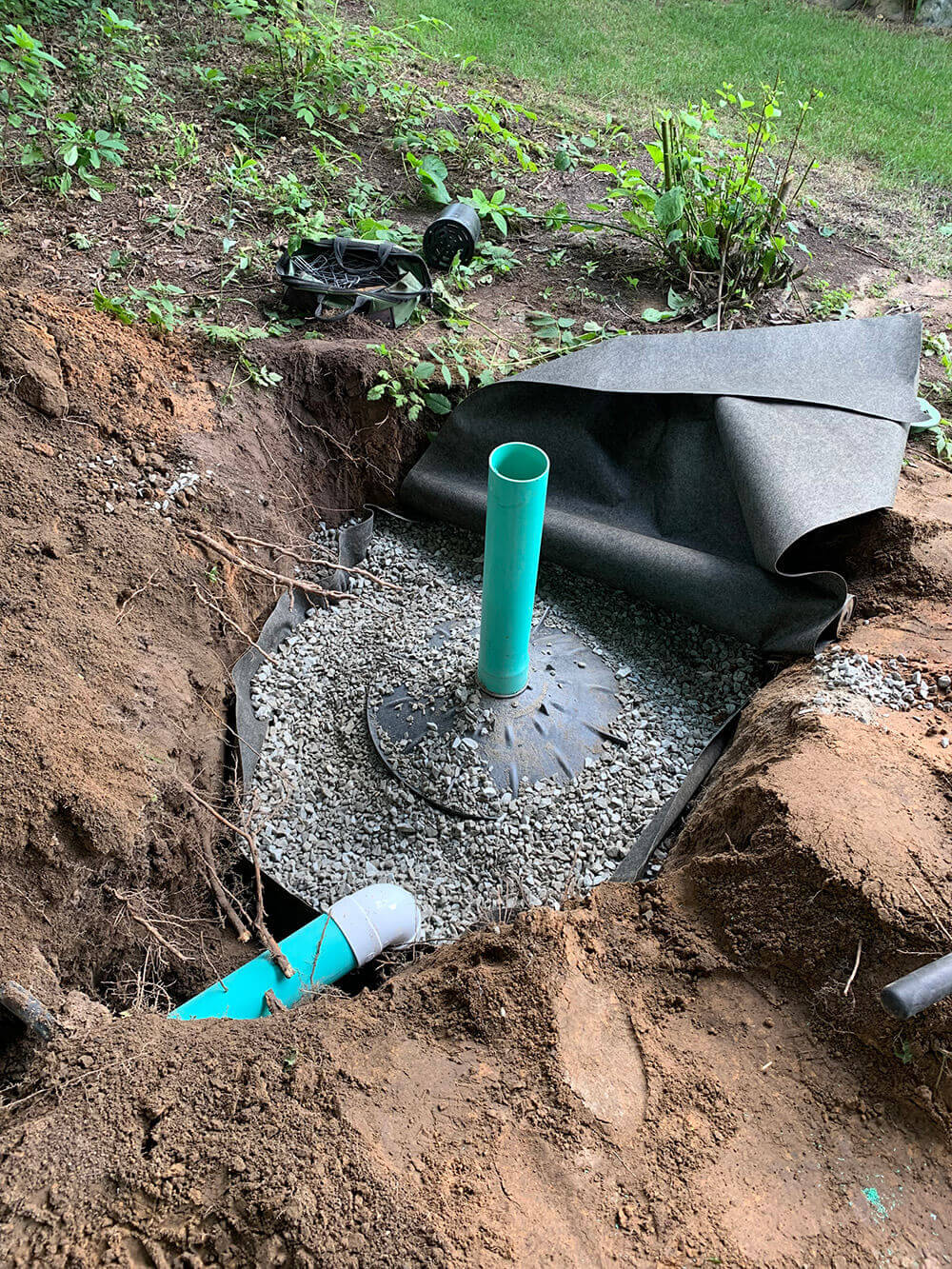
Dry well
Best for roof runoff or sump discharge where underground storage is possible.
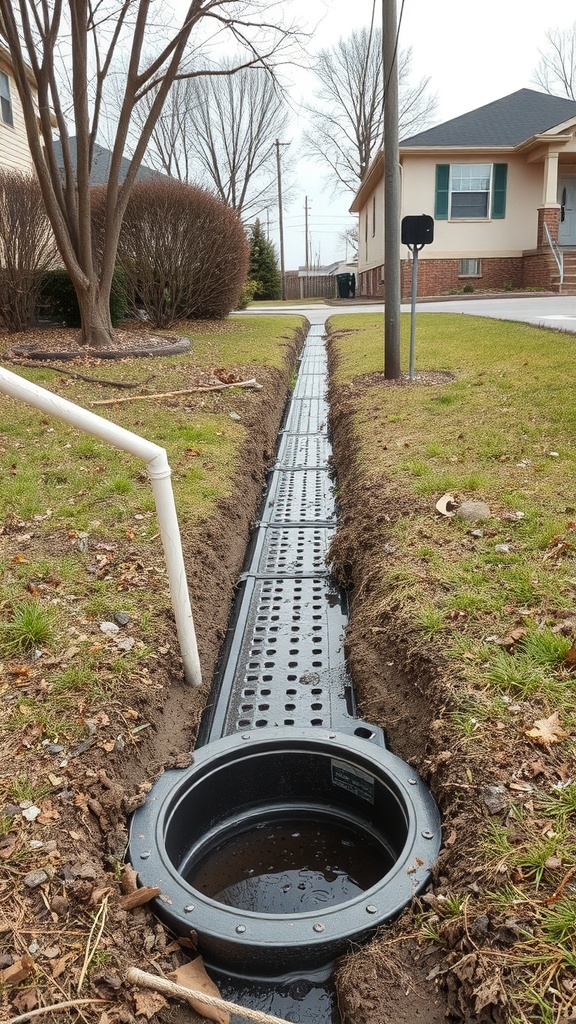
Combination system
A catch basin, French drain, and dry well can work together on difficult Toronto lots.
Tap Each Sign That Matches Your Yard
Water spreads in a long band
No downhill outlet exists
Sump or roof water needs storage
What this means
Select the signs above. If one sign matches, start with the source of water. If two signs match, pricing a drain route makes sense. If all three match, the yard likely needs a real drainage system with grading, pipe, stone, and a safe outlet.
Typical Toronto/GTA Drainage Cost Ranges
| Repair | Common Range | Best Fit |
|---|---|---|
| French drain | $3,500-$12,000+ | Moving water |
| Dry well | $2,500-$8,000+ | Storing water |
| Hybrid system | $6,500-$15,000+ | Collecting, moving, and storing |
Homeowners Also Ask
What is the most likely cause of French drain vs dry well?
The most likely cause depends on where the water starts, where it sits, and how long it remains after rain. In Toronto and the GTA, repeat drainage issues usually come from compacted clay soil, reverse grade, short downspouts, blocked pipe outlets, old buried drains, settlement near patios or foundations, or no safe outlet. A good diagnosis happens during rain or immediately after rain, because dry-weather inspection often hides the real water path.
Can this be fixed without digging up the whole yard?
Yes, some drainage problems can be fixed with a shorter repair, but only when the source and outlet are clear. A downspout extension, pop-up emitter, small catch basin, or short solid pipe may solve a localized issue. Larger problems need French drainage, regrading, dry wells, gravel wells, or a combined system. The right repair should move water to a safe location instead of pushing the puddle into another part of the yard.
When should I call a drainage contractor in Toronto?
Call a drainage contractor when water stays longer than 24 hours, reaches the foundation, floods a low lawn area, freezes on a walkway or driveway, returns after every storm, or comes from sump pump discharge. These are serious lead-quality problems because water can damage sod, planting beds, patios, fence posts, basement walls, and winter safety. A contractor can confirm slope, soil, discharge options, utilities, and the best drainage system.
Related Drainage Services and Guides
If this problem keeps coming back, the yard needs a drainage plan, not another temporary patch. The Sprinkler Company can connect French drainage, gravel wells, sump pump discharge routing, catch basins, grading, landscaping, sod restoration, and irrigation services into one clean Toronto/GTA installation.