



















Best Full-Sun Perennials for Toronto Gardens
For full-sun Toronto gardens, the most reliable perennials are coneflower, black-eyed Susan, salvia, catmint, daylily, sedum, Russian sage, ornamental grasses, and yarrow. These plants handle heat better than thirsty shade plants, return every year, and attract pollinators when planted in groups. The best full-sun bed uses repeated drifts instead of one of everything.
What Toronto Homeowners Should Know
For full-sun Toronto gardens, the most reliable perennials are coneflower, black-eyed Susan, salvia, catmint, daylily, sedum, Russian sage, ornamental grasses, and yarrow. These plants handle heat better than thirsty shade plants, return every year, and attract pollinators when planted in groups. The best full-sun bed uses repeated drifts instead of one of everything.
Top 10 Full-Sun Perennials for Toronto Gardens
These perennials are strong choices for Toronto beds that receive six or more hours of direct sun and need reliable colour without annual replanting.
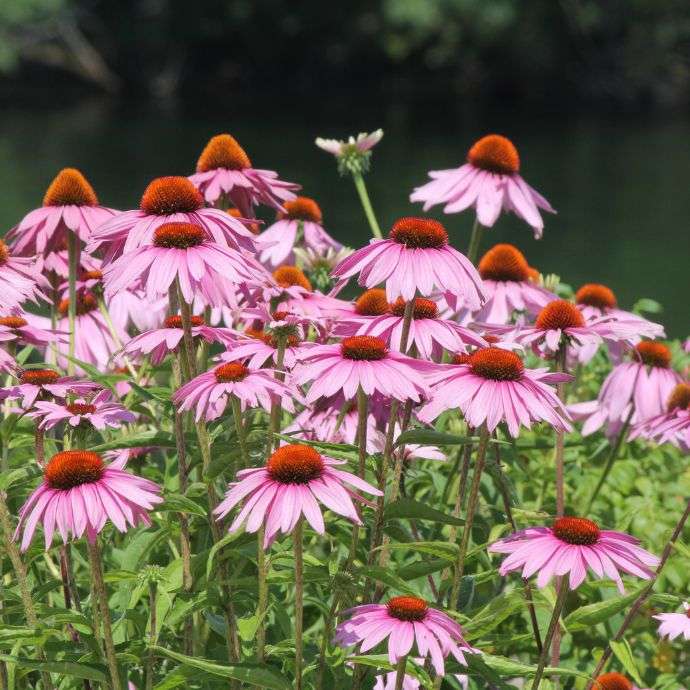
Coneflower
All-around pollinator perennial for July and August colour.
Deep roots help it handle summer heat after establishment.

Black-Eyed Susan
Bright yellow late-summer colour with strong curb appeal.
It spreads modestly and fills gaps faster than many perennials.
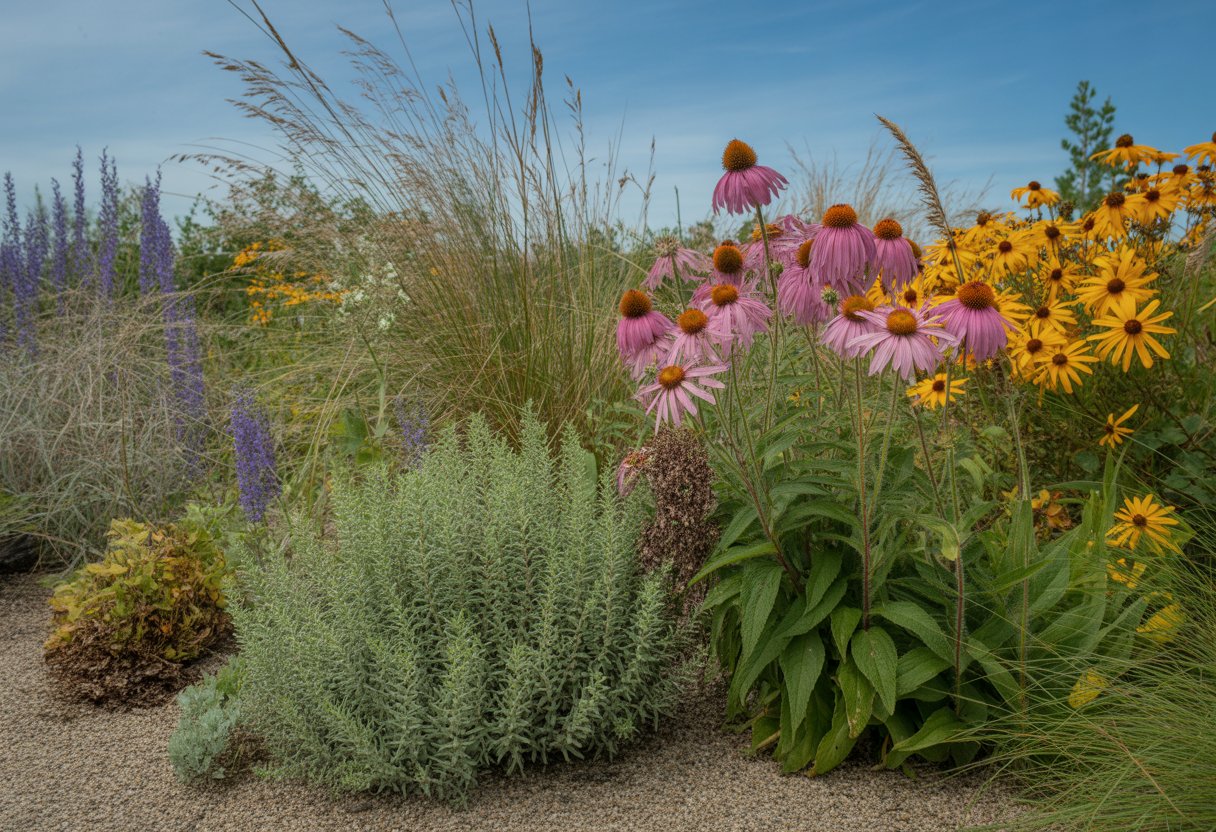
Salvia
Early purple bloom for bees and clean border structure.
Cutting back spent flowers can encourage a second flush.

Catmint
Soft blue-purple edging along sunny paths and driveways.
It tolerates heat, dry soil, and reflected warmth from paving.

Sedum
Late-season flowers for dry, hot garden edges.
Fleshy leaves store water, making sedum useful in low-water beds.

Daylily
Durable flower for heat, clay, and low-maintenance beds.
Daylilies are forgiving and establish quickly in improved clay.

Russian Sage
Airy silver-blue texture for open sunny beds.
It needs drainage and room; cramped wet beds make it weak.
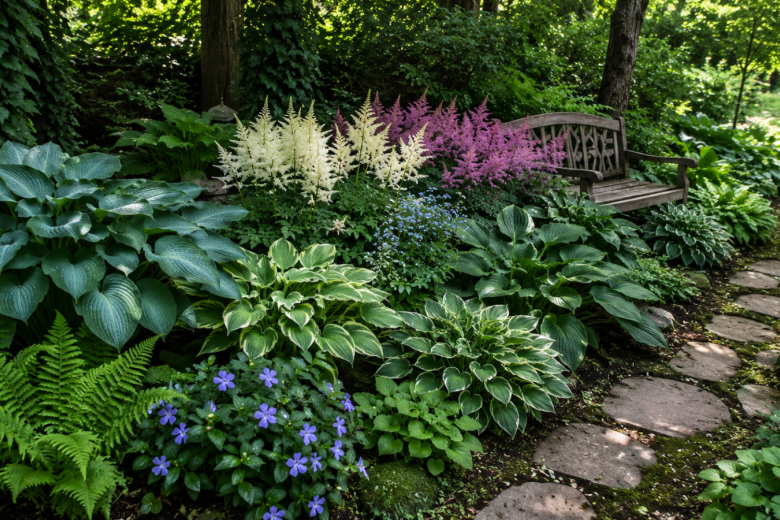
Yarrow
Long-blooming perennial for dry, lean soil.
Yarrow is drought tolerant once rooted and supports pollinators.
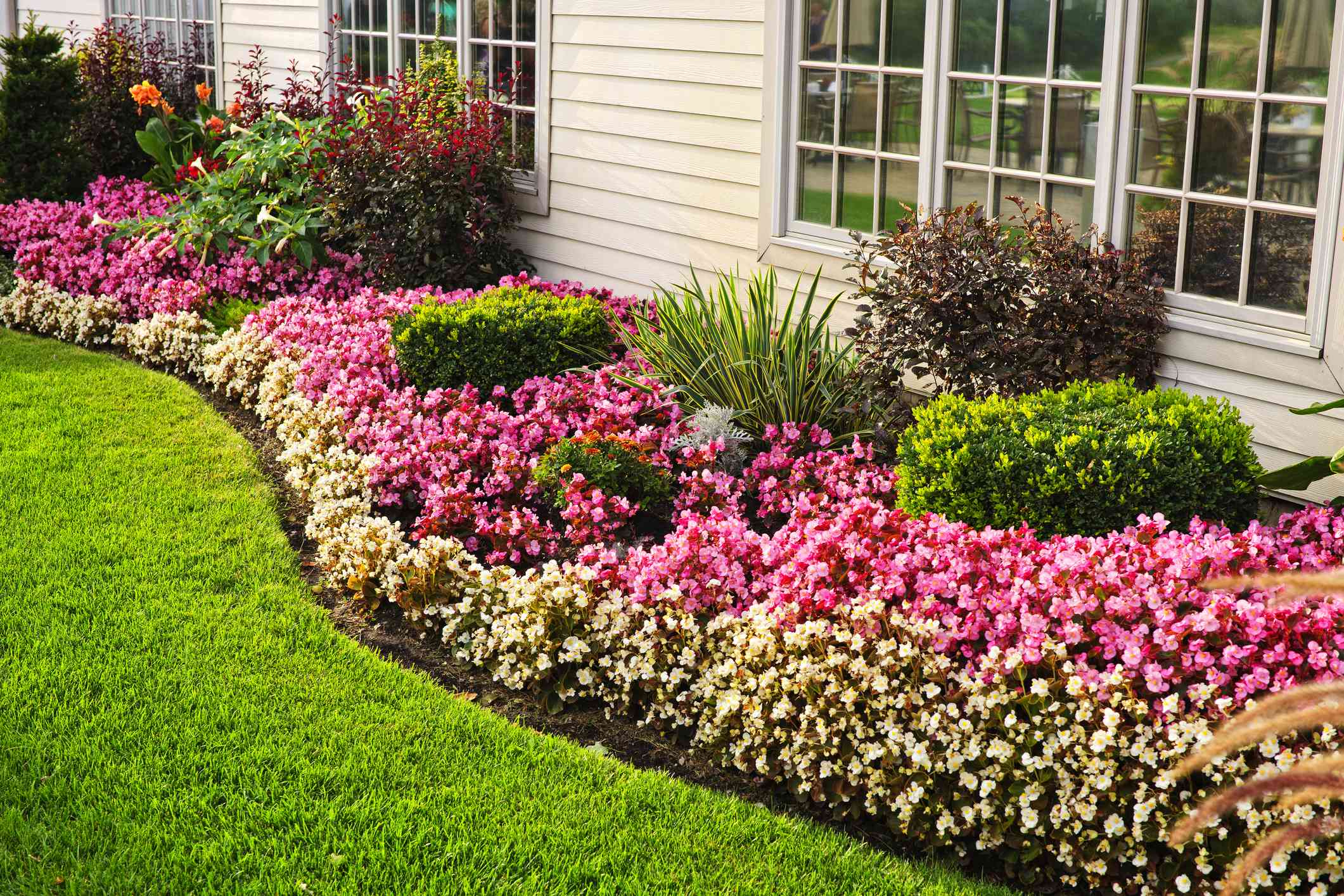
Ornamental Grass
Movement, height, and fall texture.
Grasses keep structure after many flowers finish blooming.
Coreopsis
Compact yellow flowers for repeated summer colour.
Deadheading improves bloom, but established plants are still easy.
Best fit
Coneflower, black-eyed Susan, salvia, catmint, sedum, and ornamental grasses are among the most dependable full-sun perennials for Toronto and the GTA. They tolerate summer heat better than many showier nursery plants and usually come back after winter when planted in well-drained soil.
Toronto warning
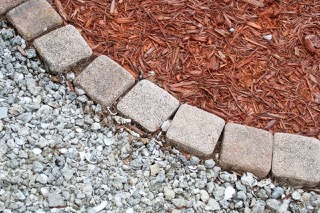
Mulch is usually better for most full-sun perennial beds because it moderates soil temperature, holds moisture, and improves the bed as it breaks down. River rock can look clean, but it stores heat, reflects sun, and can stress young perennials during July and August.
Smart upgrade
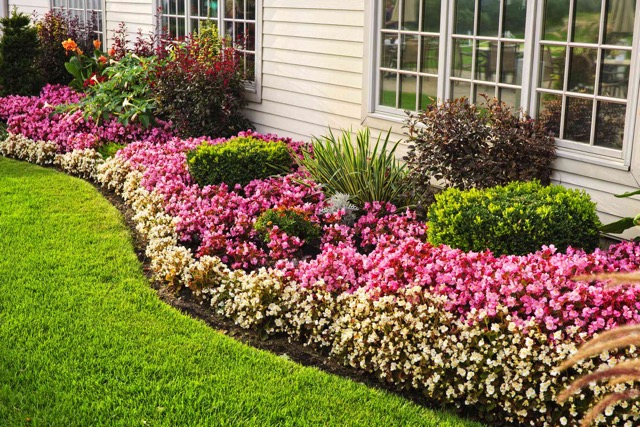
A visible Toronto front-yard bed usually needs repeated groups, not single plants scattered everywhere. For a small bed, use three to five plants of each main variety.
Common Questions About Best Full-Sun Perennials for Toronto Gardens
Which full-sun perennials are most dependable in Toronto?
Coneflower, black-eyed Susan, salvia, catmint, sedum, and ornamental grasses are among the most dependable full-sun perennials for Toronto and the GTA. They tolerate summer heat better than many showier nursery plants and usually come back after winter when planted in well-drained soil. Full sun means at least six hours of direct light, not simply a bright yard. In heavy clay, the bed should be loosened and amended before planting. If you want flowers from June through September, mix early salvia, midsummer coneflowers, late sedum, and grasses for structure.
Should full-sun perennials be planted in mulch or river rock?
Mulch is usually better for most full-sun perennial beds because it moderates soil temperature, holds moisture, and improves the bed as it breaks down. River rock can look clean, but it stores heat, reflects sun, and can stress young perennials during July and August. Rock works better around drought-tolerant grasses, sedum, and architectural plantings where irrigation is controlled. For mixed flower beds, shredded mulch at 2 to 3 inches is the safer choice. Keep mulch off plant crowns so perennials do not rot during wet spring weather.
How many perennials do you need for a visible front-yard bed?
A visible Toronto front-yard bed usually needs repeated groups, not single plants scattered everywhere. For a small bed, use three to five plants of each main variety. For a larger bed, groups of five to seven create a stronger effect from the sidewalk and driveway. Spacing depends on mature width, but many common perennials land between 16 and 24 inches apart. More plants cost more upfront, yet they fill faster, shade weeds, and look intentional. A sparse bed can be cheaper but may look unfinished for two or three seasons.
Practical Planting Details for Toronto and the GTA
| Item | Typical Answer | Why It Matters |
|---|---|---|
| Sun needed | 6+ hours | Use this as the starting point, then adjust for sun, soil, drainage, access, and mature plant size. |
| Best bloom window | June-September | Use this as the starting point, then adjust for sun, soil, drainage, access, and mature plant size. |
| Watering after planting | First season critical | Use this as the starting point, then adjust for sun, soil, drainage, access, and mature plant size. |
| Best design move | Repeat groups of 3-7 | Use this as the starting point, then adjust for sun, soil, drainage, access, and mature plant size. |
Choose Plants by Category
For installation, spacing, soil preparation, mulch, edging, and aftercare, connect this planting plan with planting services in Toronto, full landscaping, mulch and river rock installation, and irrigation services so the plants are not only selected well, but installed and watered correctly.