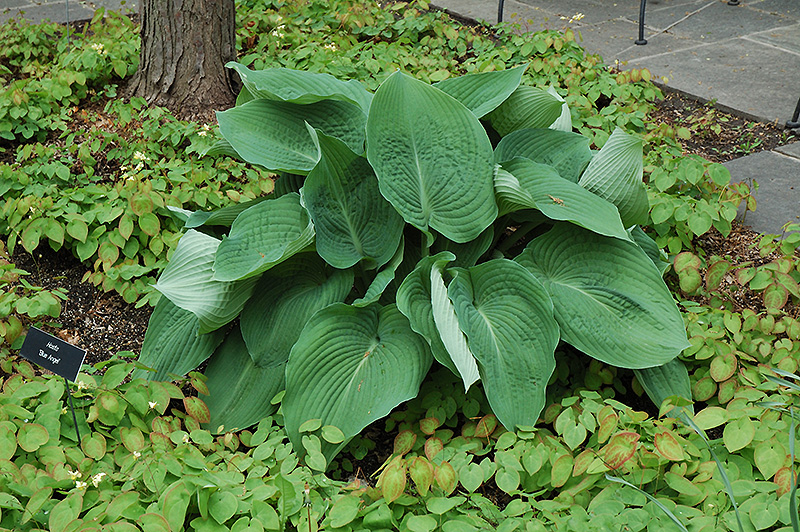
Large hostas
Hostas are usually the best starting point for shade because their foliage stays attractive when flowers are limited.


















Shady Toronto yards need perennials that tolerate lower light, tree roots, fence shade, clay soil, and slower drying conditions.
The best shade perennials for Toronto backyards are plants that perform with lower light and root competition. Reliable choices often include hostas, ferns, astilbe, coral bells, brunnera, lungwort, hellebore, barrenwort, and shade-tolerant sedges. The certain answer is that shade gardens should be designed for foliage first and flowers second. In deep shade, many flowering plants bloom less, but leaf colour, texture, and contrast can still make the bed look full. For dry shade under trees, soil preparation and watering are critical because tree roots can steal moisture from new perennials.
| Planning Question | Clear Answer |
|---|---|
| Best foliage | Hosta, fern, brunnera, coral bells, and sedges. |
| Best flowers | Astilbe, hellebore, lungwort, and shade-tolerant bloomers. |
| Hardest condition | Dry shade under mature trees. |
| Catalog link | Use the perennial catalog to filter and compare shade options. |
Shade gardens are usually won with foliage texture, not only flowers.
| Item | Price / Fact | What It Means |
|---|---|---|
| Shade perennials | $11.25-$45+ each | Hostas, ferns, coral bells, and other shade choices. |
| Dry shade prep | $300-$1,500+ | Soil improvement and careful root-zone work. |
| Small shade bed | $800-$3,500+ | Plants, soil, mulch, and labour. |
| Layered shade garden | $2,500-$7,500+ | Adds shrubs, evergreens, and perennials. |
Compare the biggest practical factors before buying plants.
Hostas are usually the best starting point for shade because their foliage stays attractive when flowers are limited.
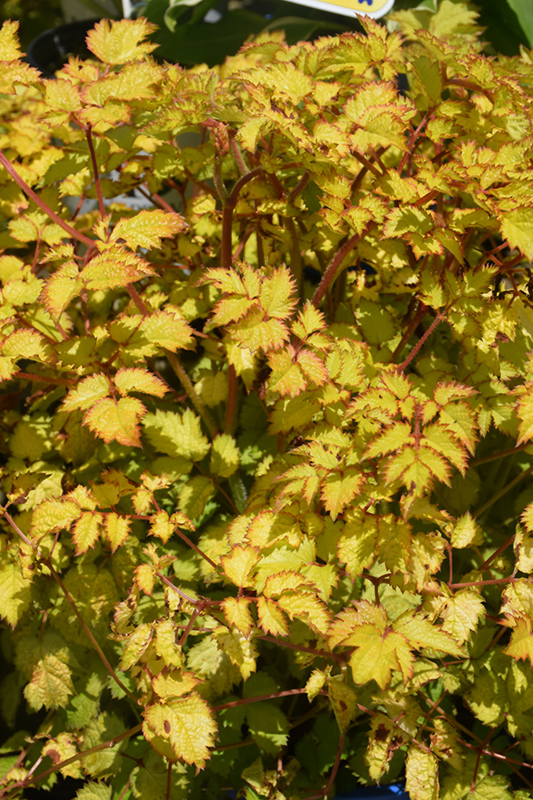
Astilbe adds plume-like flowers in shade, but it performs best where soil does not dry out completely.

Coral bells bring leaf colour to shade beds, which helps when a Toronto yard has limited direct sunlight.
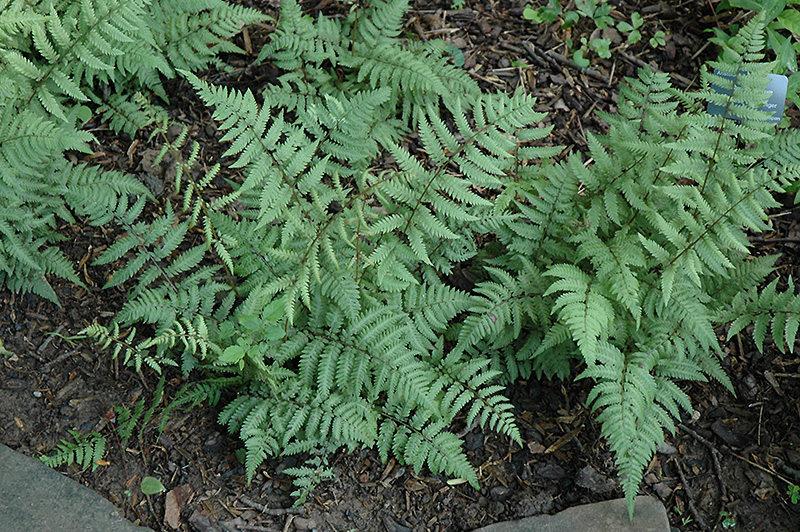
Ferns are useful under trees and along shaded fences because texture matters more than bloom count in darker beds.
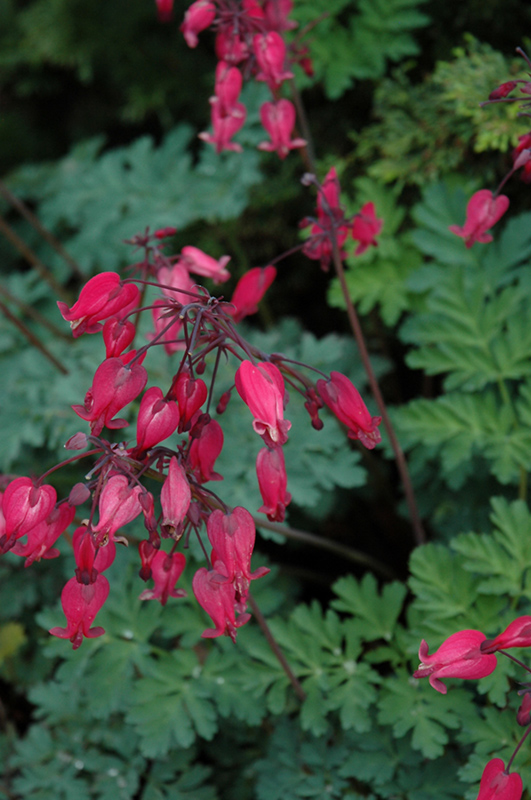
The best shade perennials for Toronto include hostas, ferns, astilbe, brunnera, coral bells, lungwort, hellebores, barrenwort, and shade-tolerant sedges. The factual answer is that shade gardens should rely on foliage texture and leaf colour more than constant flowers. Deep shade reduces bloom strength for many plants, but hostas, ferns, and brunnera can still make the bed look full and intentional. Toronto shade beds also vary: morning sun is different from dense tree shade, fence shade, or north-side house shade. Plant selection should match the actual light and soil moisture. For a better local result, compare the plant choice with sun exposure, mature width, soil moisture, winter exposure, and the installed catalog size before ordering.
Dry shade is hard because plants receive less sunlight while also competing with tree roots for water and nutrients. Mature trees can intercept rainfall before it reaches the ground, and their roots can pull moisture from the same soil layer where new perennials are trying to establish. This means a shaded bed can still be dry even if it looks cool and protected. The certain answer is that dry shade needs careful plant choice, compost, mulch, and slow watering. Hostas and ferns may still need irrigation during dry periods, especially in the first season after planting. For a better local result, compare the plant choice with sun exposure, mature width, soil moisture, winter exposure, and the installed catalog size before ordering.
A shade perennial bed should be budgeted by plant count, soil preparation, mulch, and whether tree-root competition makes the work more delicate. Individual perennial catalog prices can start from $11.25 installed, but a finished bed usually needs multiple plants placed by mature spread. Dry shade or compacted soil may add labour because the soil must be improved without damaging major roots. A small shade refresh may be modest, while a layered shade garden with shrubs, evergreens, and perennials costs more. The catalog pages are useful because they show installed pricing with plant plus labour included, available sizes, and live stock checks for Ontario-grown material. The best value comes from hardy plants chosen for the exact shade condition.
Shade is not one condition. Morning sun with afternoon shade is very different from dense tree shade or a north side yard.
Dry shade is harder than moist shade because trees and fences reduce rain reaching the bed.
Perennials in shade often grow slower, so spacing should balance patience with the need for coverage.
Adding a few shade-tolerant shrubs can give the bed structure while perennials fill the lower layer.
Some do, but foliage is usually more reliable than flowers.
Yes, hostas are common shade perennials for Toronto gardens.
Yes, but choose carefully and avoid damaging large roots.
Often yes, especially under trees or roof overhangs.
Browse installed plant options before choosing your landscape design. The Sprinkler Company catalogs show Ontario-grown selections, available sizes, live stock checks, and installed pricing with plant plus labour included.
Evergreens Shrubs Perennials