
















Best Plants for Small Backyard Garden Beds in Toronto
For small Toronto backyard beds, choose compact plants with long seasonal value: dwarf hydrangea, boxwood, yew, compact spirea, salvia, sedum, hosta for shade, ornamental grasses, serviceberry where height is needed, and columnar evergreens for privacy. Avoid oversized shrubs that eat the whole patio.
What Toronto Homeowners Should Know
For small Toronto backyard beds, choose compact plants with long seasonal value: dwarf hydrangea, boxwood, yew, compact spirea, salvia, sedum, hosta for shade, ornamental grasses, serviceberry where height is needed, and columnar evergreens for privacy. Avoid oversized shrubs that eat the whole patio.
Top 10 Plants for Small Backyard Garden Beds in Toronto
Small Toronto beds need compact, multi-season plants that do not swallow patios, fences, walkways, or narrow entertaining spaces.
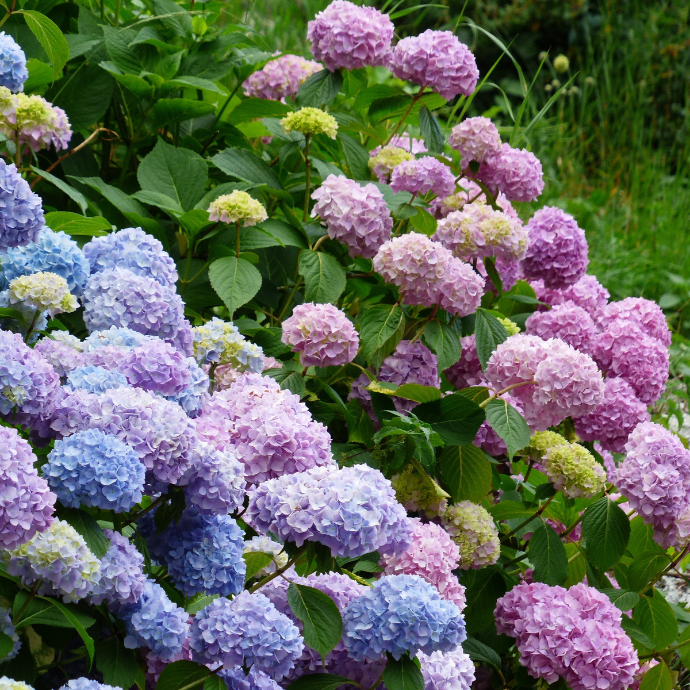
Dwarf Hydrangea
Compact flowers for small beds.
Choose compact varieties to avoid blocking patios.

Boxwood
Small evergreen structure.
Can be clipped into tidy shapes.
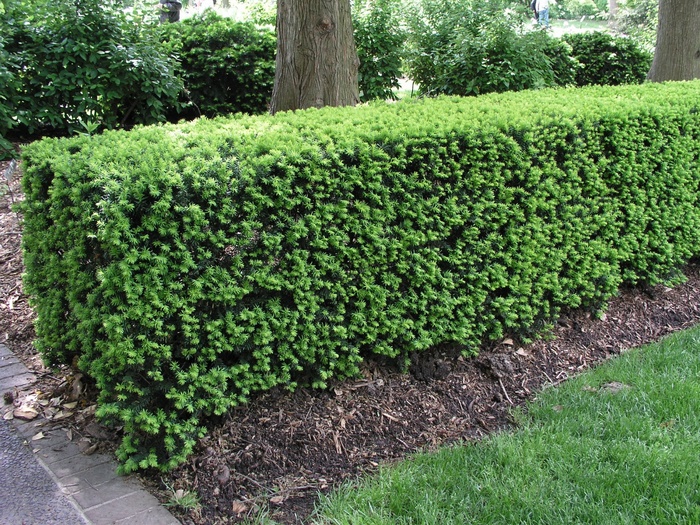
Yew
Shade-tolerant evergreen for narrow beds.
Prunes well and works where cedars get too wide.
Compact Spirea
Easy flowering shrub for sunny spaces.
Low cost and simple pruning make it practical.
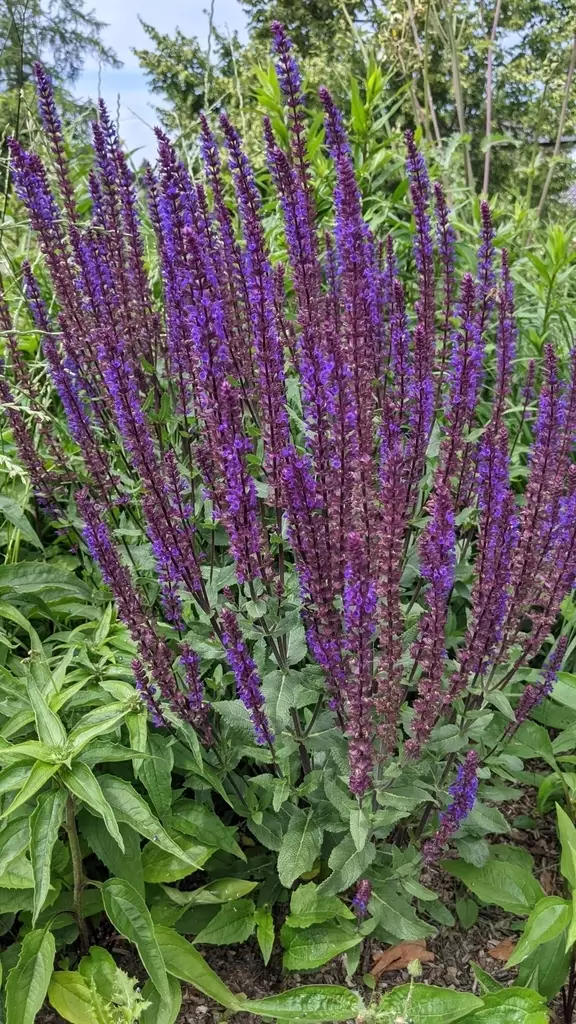
Salvia
Compact purple perennial for full sun.
Good bloom and pollinator value in small areas.

Sedum
Low-water perennial for patio edges.
Handles heat from stone and small urban yards.
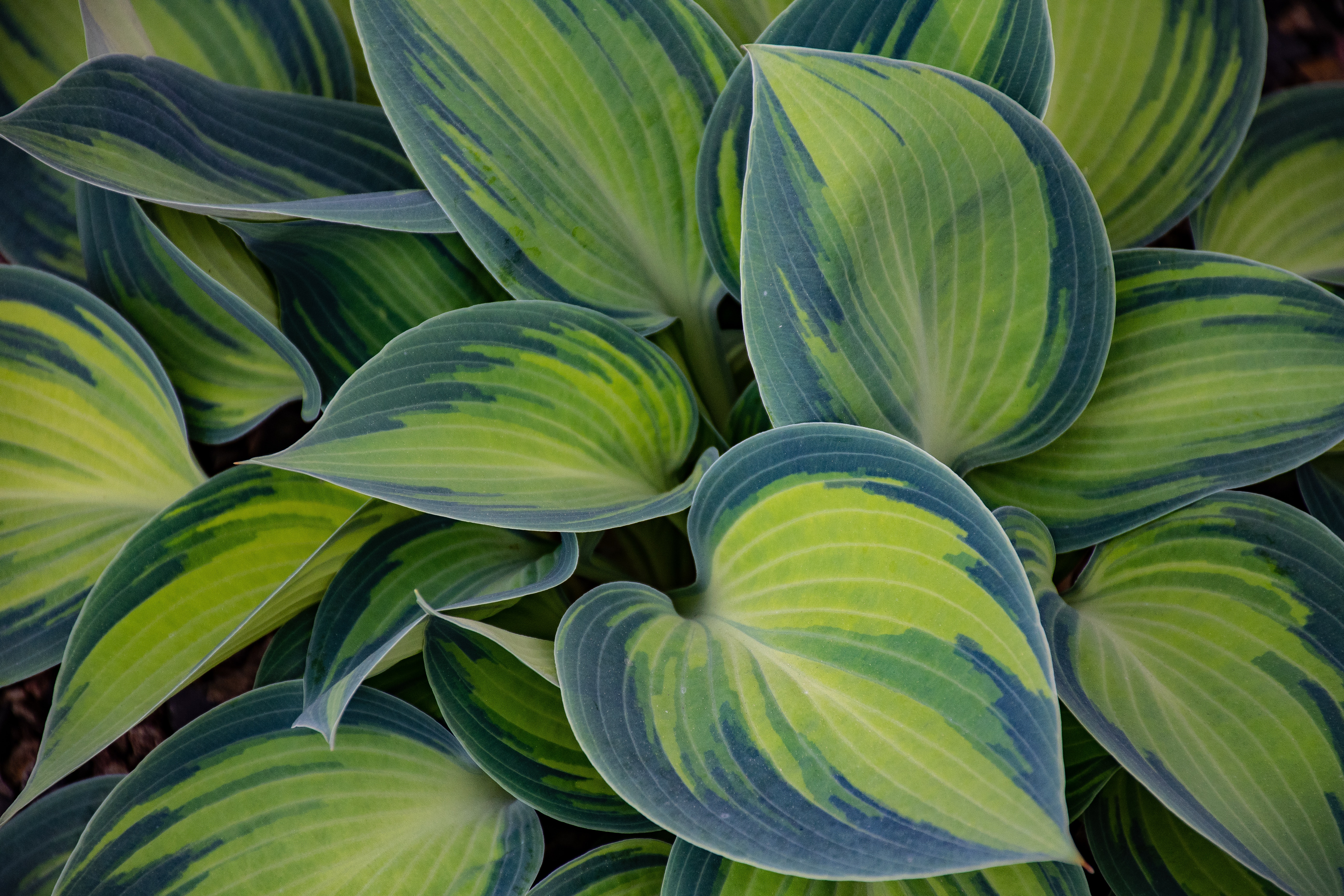
Hosta
Shade plant for north-facing small beds.
Large leaves make a bed look full without many plants.
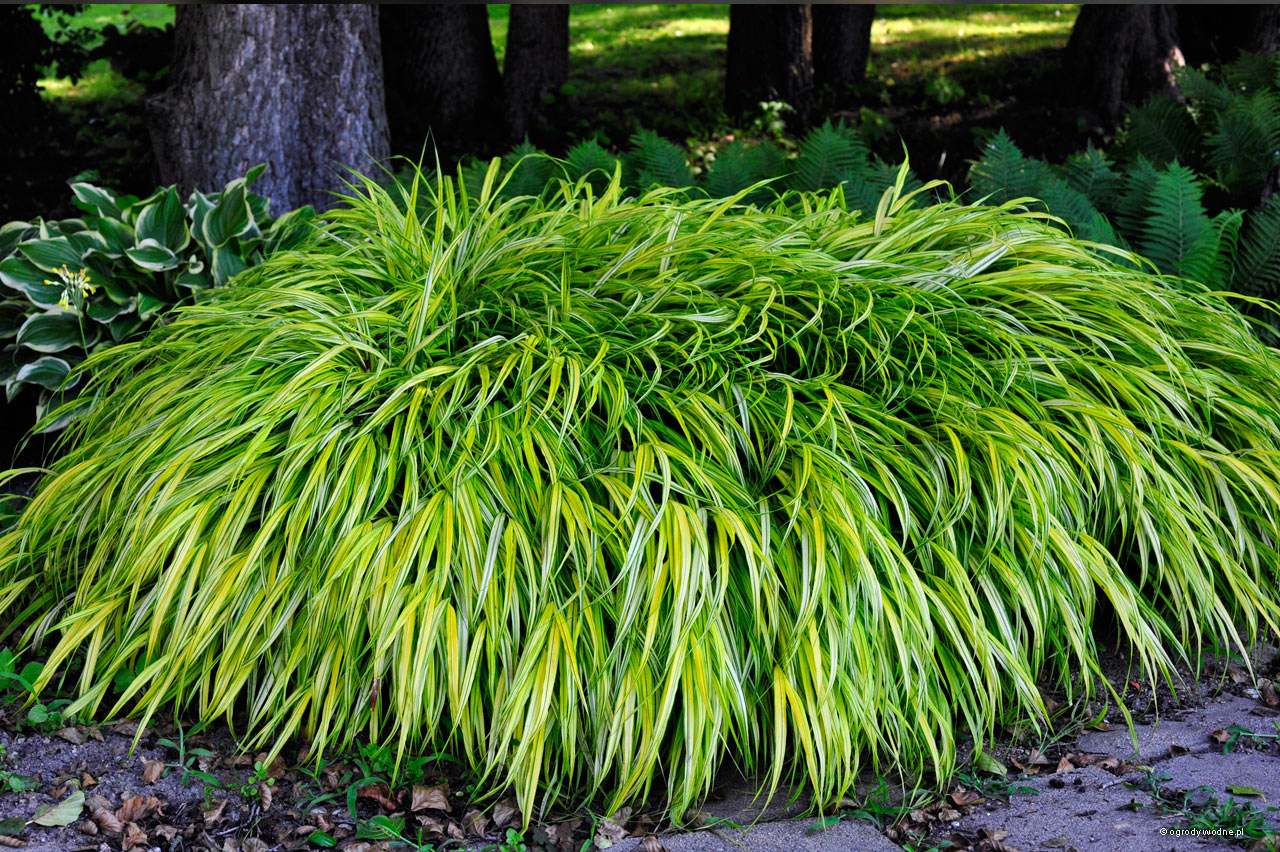
Japanese Forest Grass
Soft texture for small shade gardens.
Slow-growing and elegant in tight spaces.
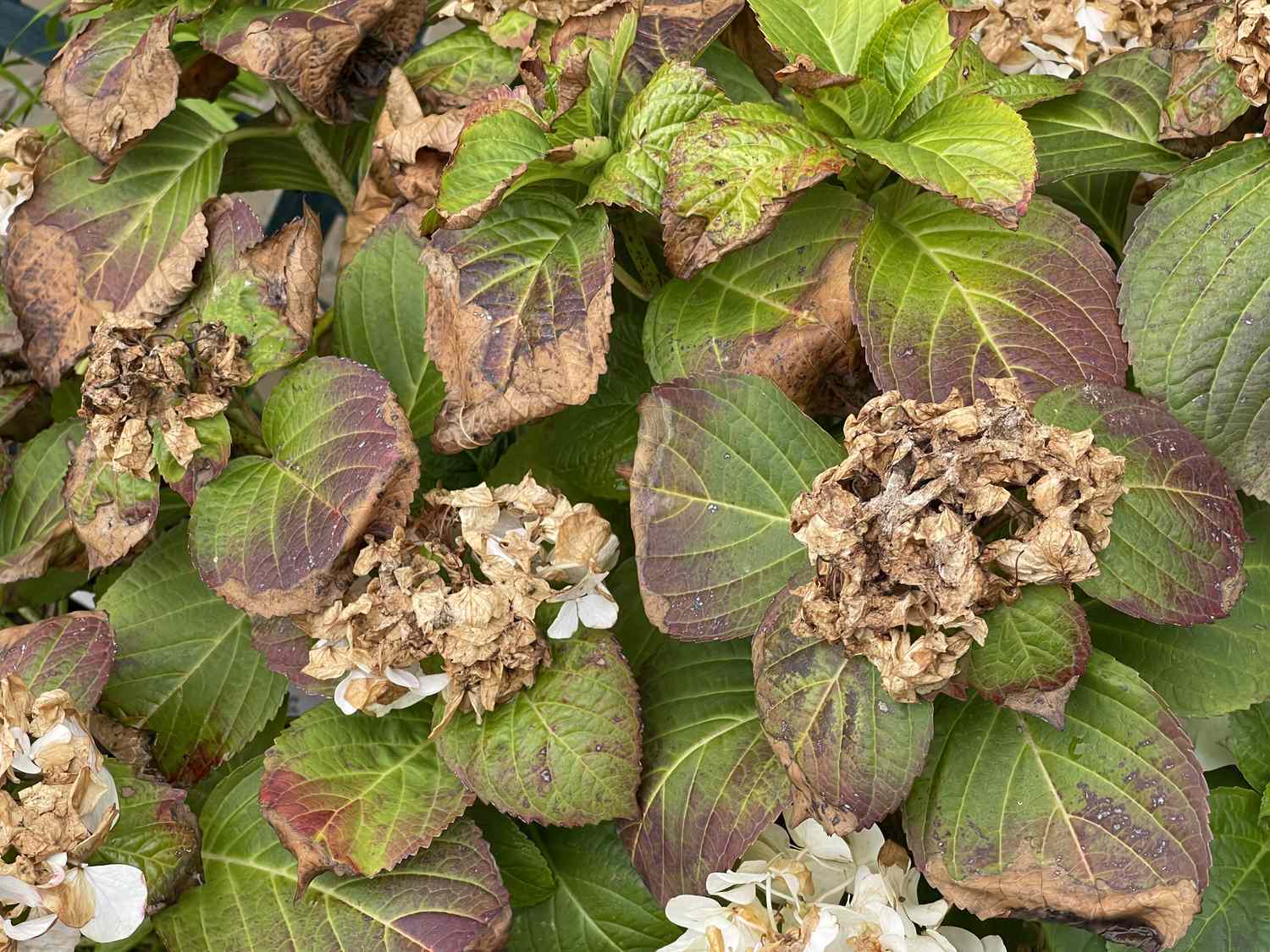
Serviceberry
Small tree when vertical height is needed.
Adds height without a giant shade canopy.
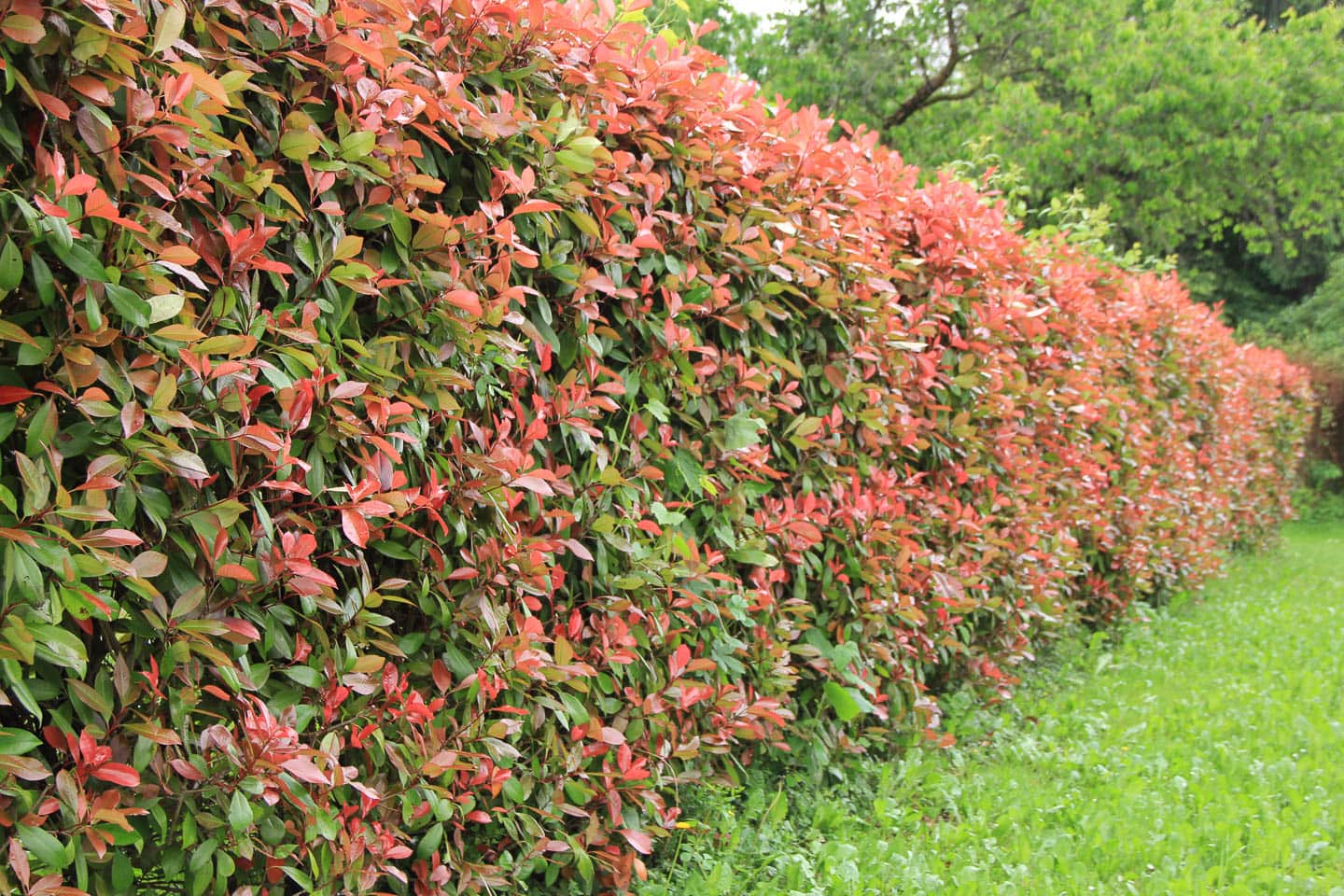
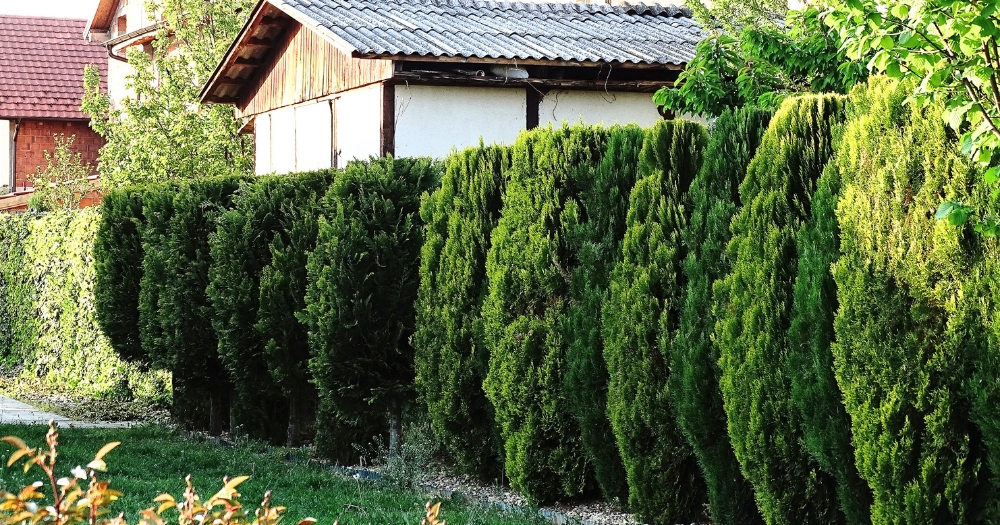
Columnar Cedar or Juniper
Narrow privacy without too much width.
Columnar plants solve privacy in tight fence beds.
Best fit
Small backyard beds need compact plants that give more than one season of value. Dwarf hydrangeas, compact spirea, boxwood, yew, salvia, sedum, hosta, and ornamental grasses are strong choices because they stay manageable and still look full.
Toronto warning
Use layers, repetition, and correct spacing. Put the tallest plant at the back or corner, use compact shrubs as structure, then repeat two or three perennial types in groups.

Smart upgrade
Yes, small backyard beds can include trees if the tree is chosen by mature size and canopy shape. Serviceberry, compact Japanese maple in protected sites, and columnar evergreens can add height without overwhelming the yard.
Common Questions About Best Plants for Small Backyard Garden Beds in Toronto
What plants work best in small Toronto backyard beds?
Small backyard beds need compact plants that give more than one season of value. Dwarf hydrangeas, compact spirea, boxwood, yew, salvia, sedum, hosta, and ornamental grasses are strong choices because they stay manageable and still look full. If privacy or height is needed, use serviceberry or columnar evergreens instead of broad shrubs. The biggest mistake is planting large nursery favourites in tiny beds beside patios. A plant that matures to 6 feet wide will make a small yard feel smaller and increase pruning work.
How do you make a small bed look full without overcrowding?
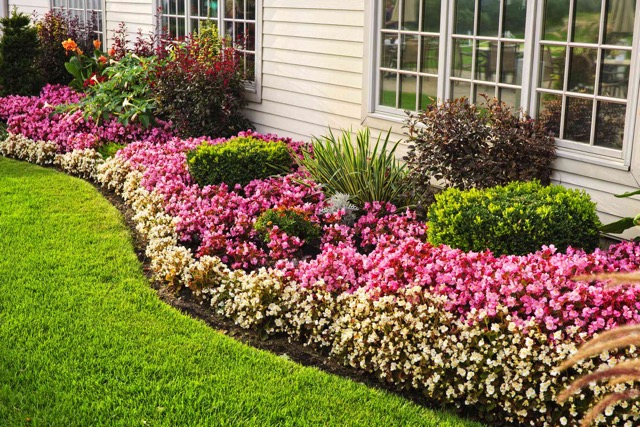
Use layers, repetition, and correct spacing. Put the tallest plant at the back or corner, use compact shrubs as structure, then repeat two or three perennial types in groups. Mulch the open spaces while plants establish. Overcrowding looks good for one season, then causes poor airflow, mildew, pruning problems, and hidden dead zones. In Toronto’s short growing season, homeowners often want instant fullness, but a bed designed for mature size looks better by year two or three. Use fewer plant varieties and stronger groupings for a cleaner result.
Can small backyard beds include trees?
Yes, small backyard beds can include trees if the tree is chosen by mature size and canopy shape. Serviceberry, compact Japanese maple in protected sites, and columnar evergreens can add height without overwhelming the yard. Avoid large shade trees close to patios, fences, drains, and foundations unless the yard has enough space. A small tree can make a compact backyard feel more designed by pulling the eye upward and creating shade. The key is to leave room for roots, access, pruning, and the rest of the planting bed.
Practical Planting Details for Toronto and the GTA
| Item | Typical Answer | Why It Matters |
|---|---|---|
| Best compact shrub | Dwarf hydrangea/spirea | Use this as the starting point, then adjust for sun, soil, drainage, access, and mature plant size. |
| Best shade plant | Hosta | Use this as the starting point, then adjust for sun, soil, drainage, access, and mature plant size. |
| Best structure | Boxwood or yew | Use this as the starting point, then adjust for sun, soil, drainage, access, and mature plant size. |
| Best vertical accent | Serviceberry or columnar evergreen | Use this as the starting point, then adjust for sun, soil, drainage, access, and mature plant size. |
Choose Plants by Category
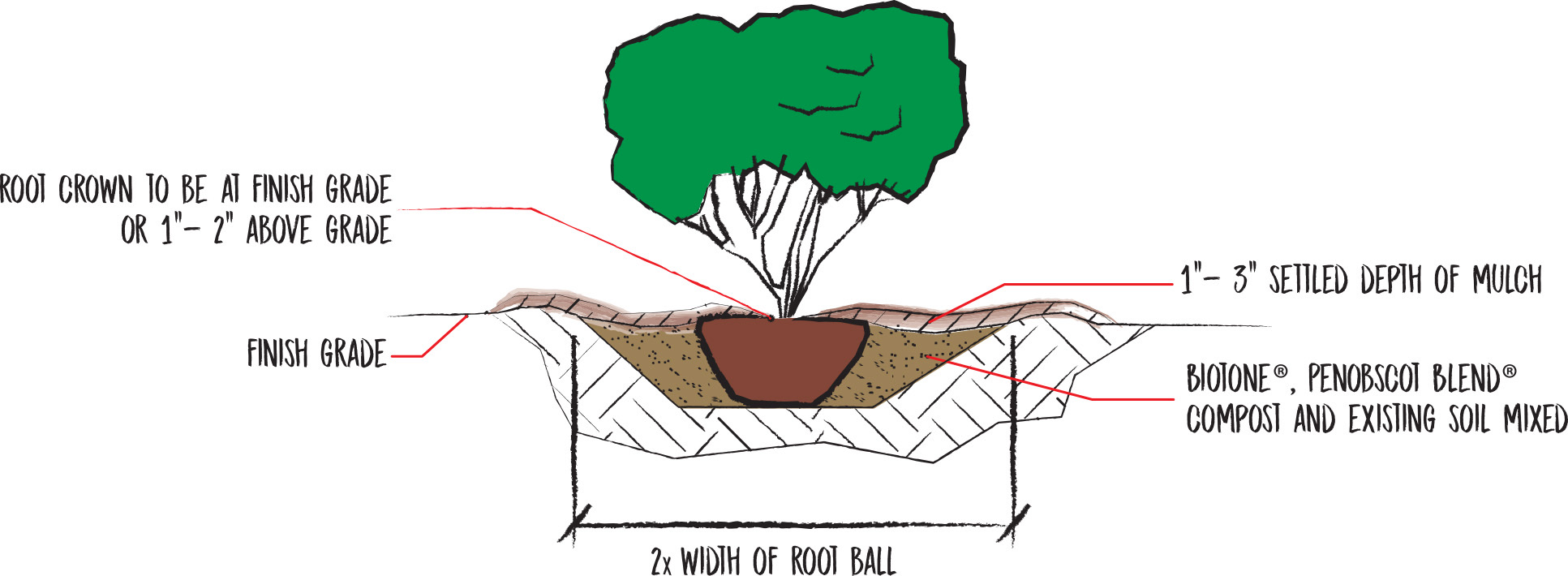
For installation, spacing, soil preparation, mulch, edging, and aftercare, connect this planting plan with planting services in Toronto, full landscaping, mulch and river rock installation, and irrigation services so the plants are not only selected well, but installed and watered correctly.