
What sod works best in shade?
Fescue blends are often better for partial shade than pure sunny-lawn sod. They can tolerate less light, but they still need watering and proper mowing height.









Shady Toronto backyards can be difficult for sod because grass still needs light. The best sod choice depends on whether the yard has light shade, heavy tree cover, wet soil, or traffic from kids and pets.
For shady Toronto backyards, fescue-based sod or a shade-tolerant cool-season blend is usually better than standard sunny-lawn sod. It handles partial shade better, needs less direct sun, and can perform better near fences and trees. In deep shade, mulch or planting beds may be better than sod.
Fescue blends are often better for partial shade than pure sunny-lawn sod. They can tolerate less light, but they still need watering and proper mowing height.

Sometimes, but heavy shade and tree-root competition make it harder. Thin canopy pruning, soil improvement, and irrigation can help, but some areas may need mulch or planting instead.

Mow slightly higher, avoid heavy traffic, water deeply when needed, and do not over-fertilize. Shaded grass grows slower and recovers more slowly from damage.
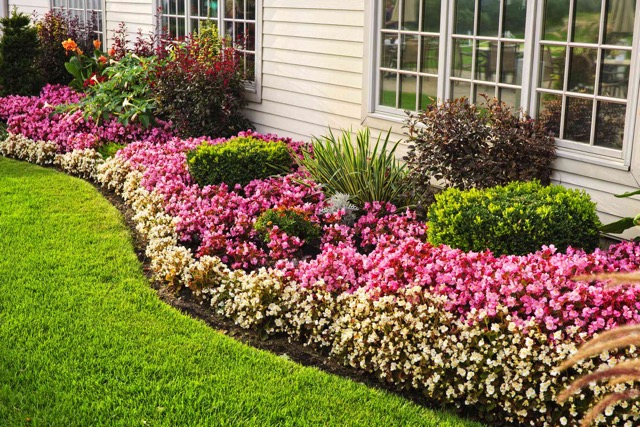
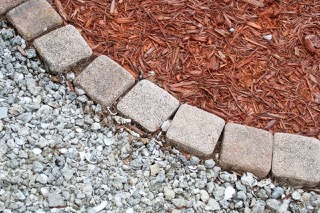
If the area receives very little direct or filtered light, groundcover, mulch, stepping stones, or planting beds may be more reliable than forcing grass.


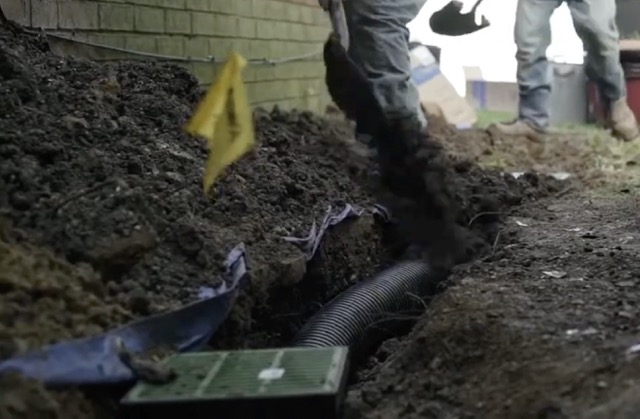
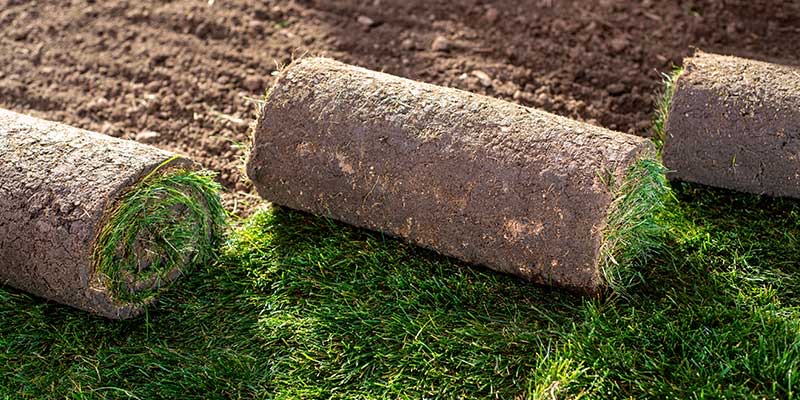
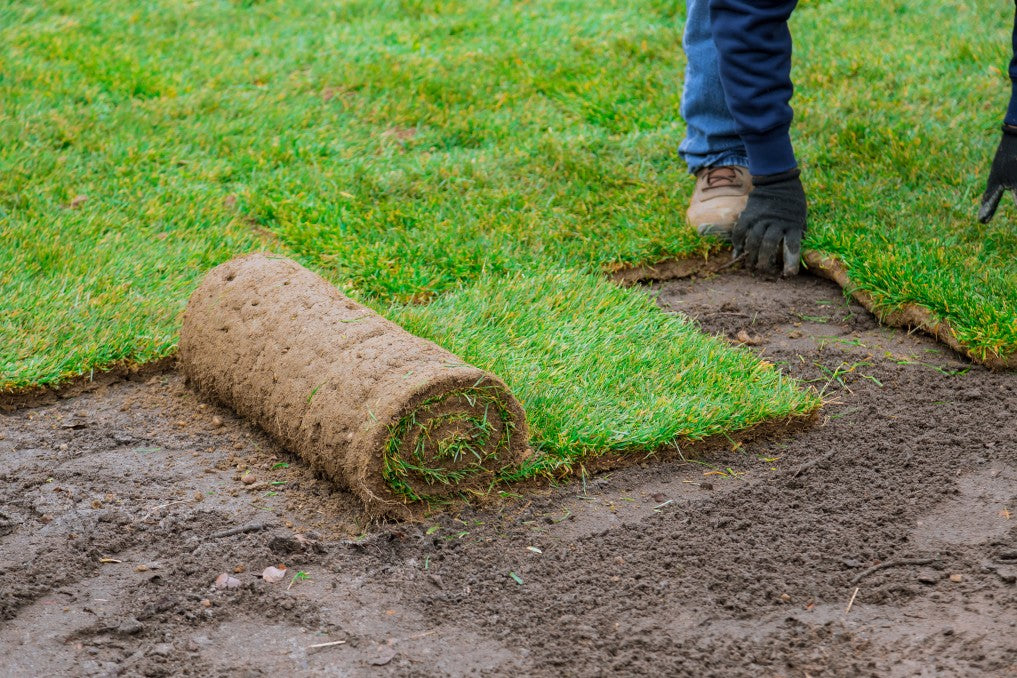
Good sod work is not only laying rolls. The lawn area should be cleaned, graded, topped with suitable soil where needed, and watered immediately after installation.
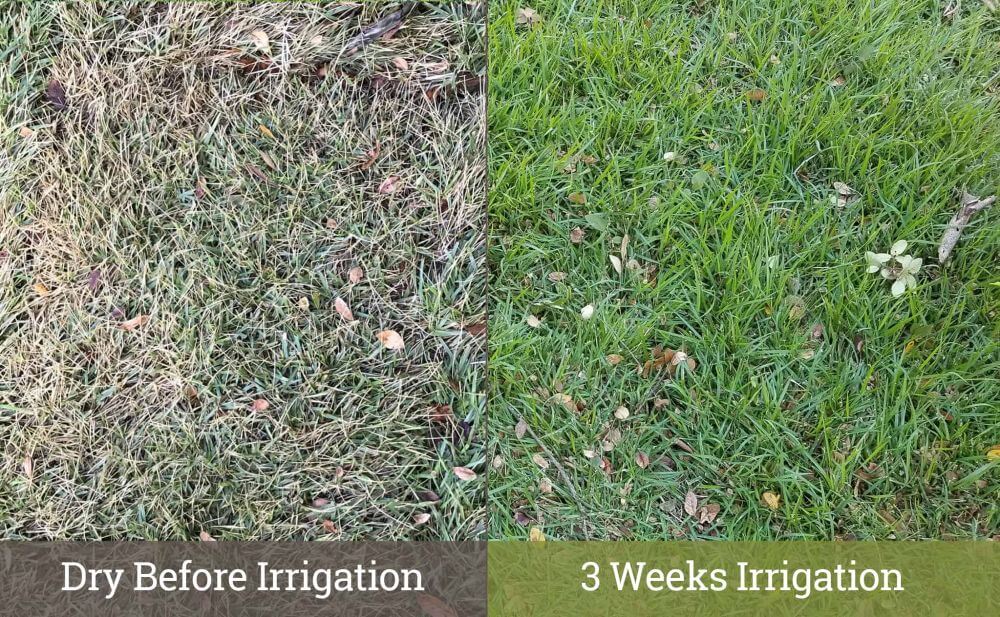
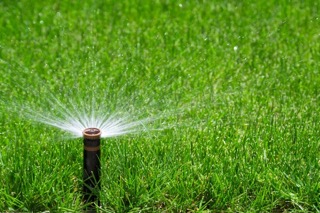
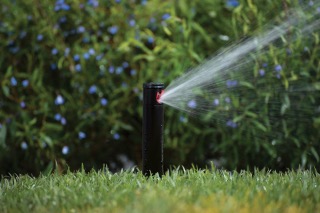
Even watering is one of the biggest differences between a lawn that roots evenly and a lawn that dries out in patches. Sprinkler coverage should be checked before or right after installation.
Shady backyards are one of the hardest places to grow a thick lawn. Grass needs light, and many Toronto yards have fences, mature trees, narrow side yards, garages, and neighbouring homes that reduce sun exposure.
The best sod for shade is usually a more shade-tolerant cool-season blend, often with fescue. Still, even shade-tolerant sod has limits. If an area receives very little light or has heavy root competition from trees, mulch, groundcover, or planting beds may perform better than grass.
Maintenance also changes in shade. Shaded sod should be mowed higher, watered carefully, and protected from heavy traffic. Overwatering shady areas can create disease pressure, while underwatering can be a problem near tree roots.
Fescue-based blends are often better for partial shade than standard sunny-lawn sod. Very dense shade may still be unsuitable for grass.
Sometimes, but tree roots and shade make it harder. Soil improvement, pruning, and careful watering may be needed.
Low light, moisture imbalance, tree-root competition, and heavy traffic can all cause shaded sod to thin over time.
Mulch, stepping stones, shade planting, groundcovers, or garden beds may be better where grass cannot get enough light.
Need help with sod installation, lawn repair, grading, or irrigation coverage in Toronto or the GTA? The right prep and watering plan can make the new lawn establish faster and look cleaner.
Get Sod Installation Help