






Backyard Regrading
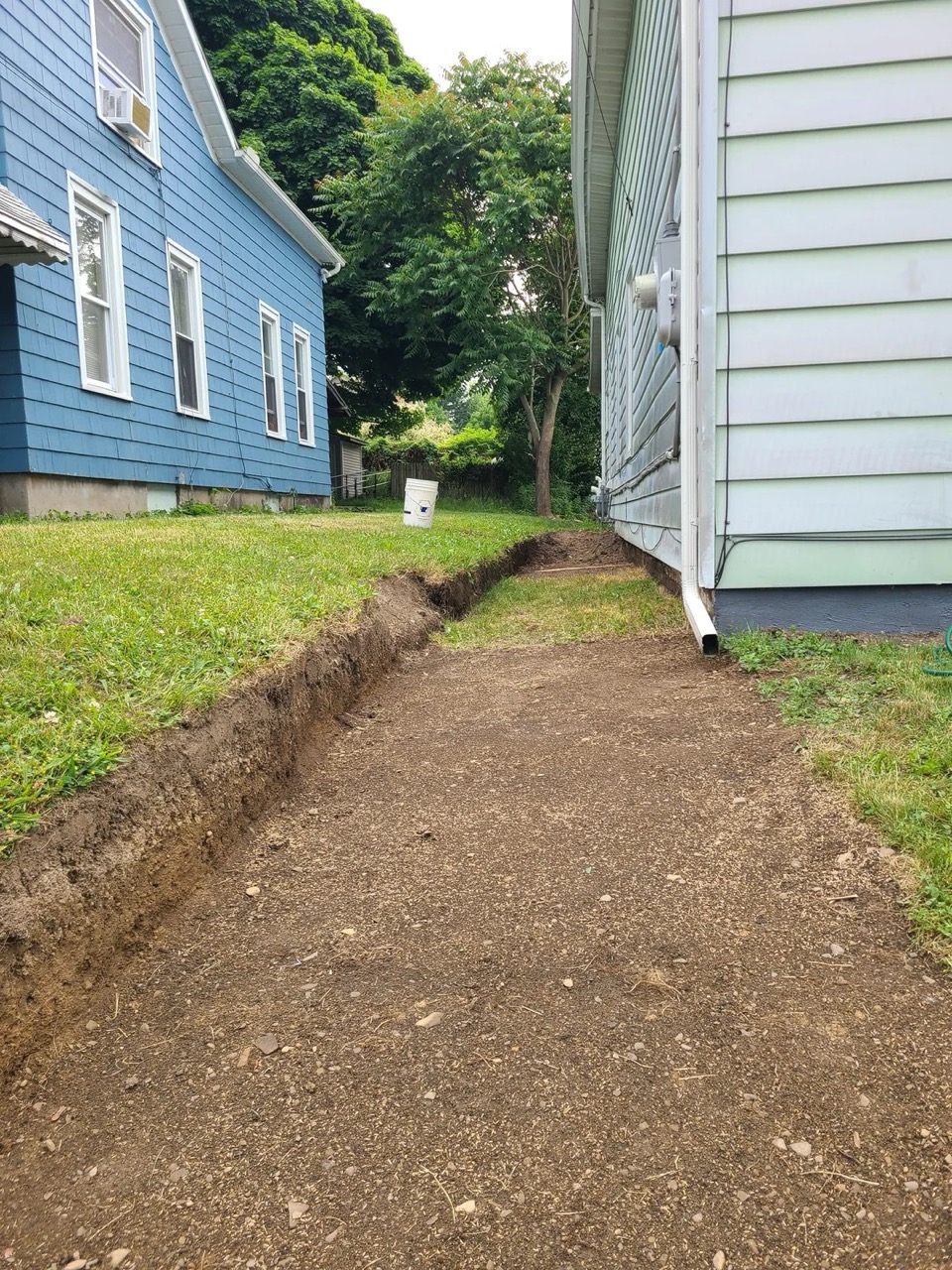
Regrading is the right fix when water is pooling because the yard is flat, uneven, or sloping toward the wrong area. It creates a better surface slope so rainwater can move away instead of collecting in low spots.
Usually, the price for irrigation opening is $100 + tax. The price can vary if the system is commercial or big residential.
GET IT NOWBasically, the price for winterization is $100 + tax. The cost can vary if the system is commercial or big residential.
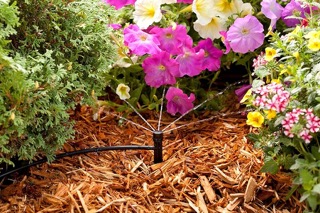
GET IT NOWPrices start at $550 per zone. We use Hunter and Rain Bird materials. 5-year warranty. Parts and labor are included.
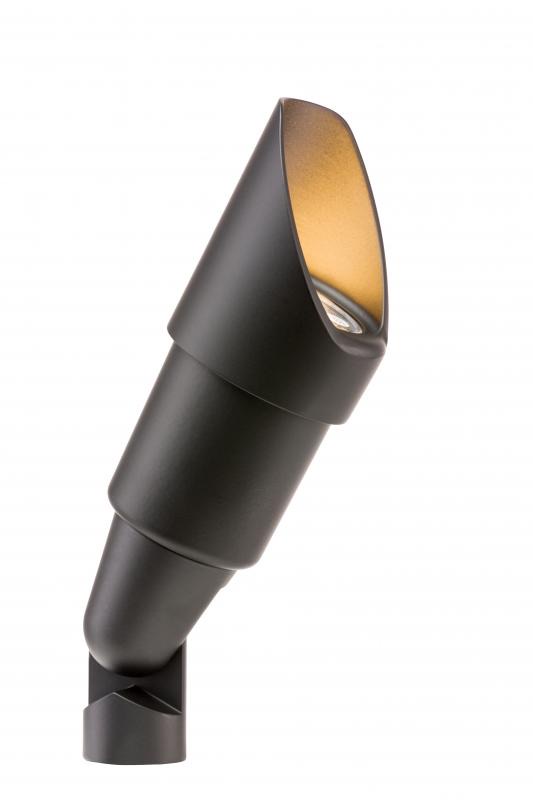
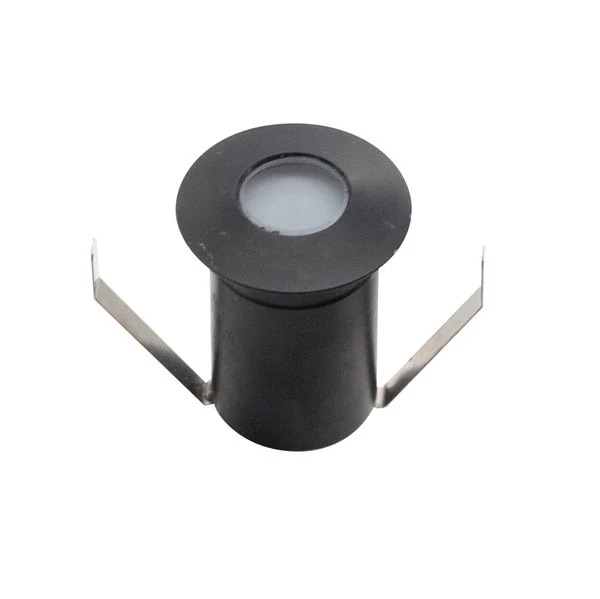
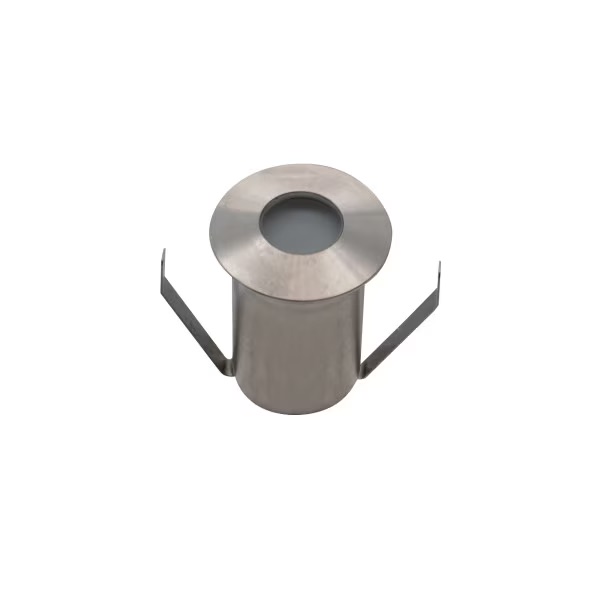
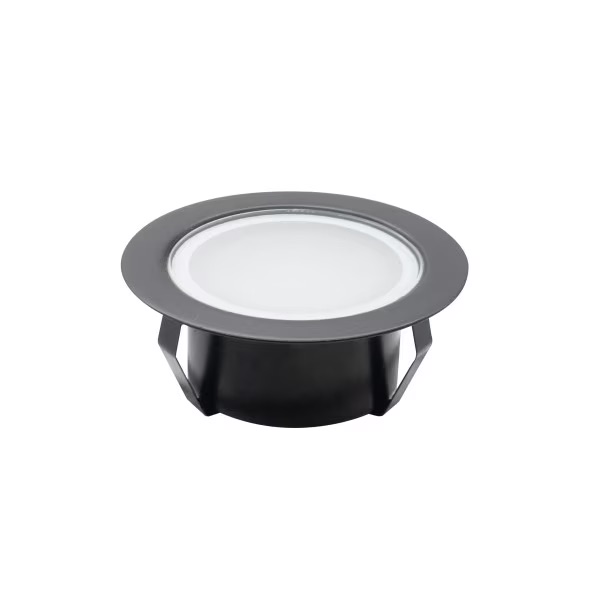
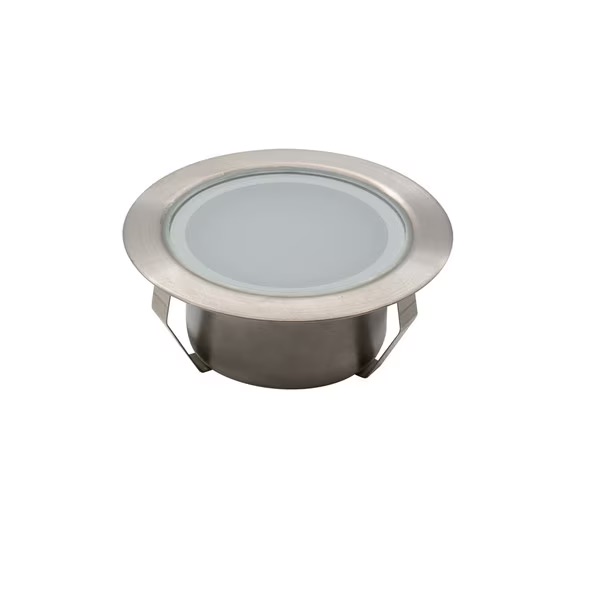
GET IT NOWLED fixtures start from $250 due to long lifespan and reduced maintenance costs. Parts & labour are included.
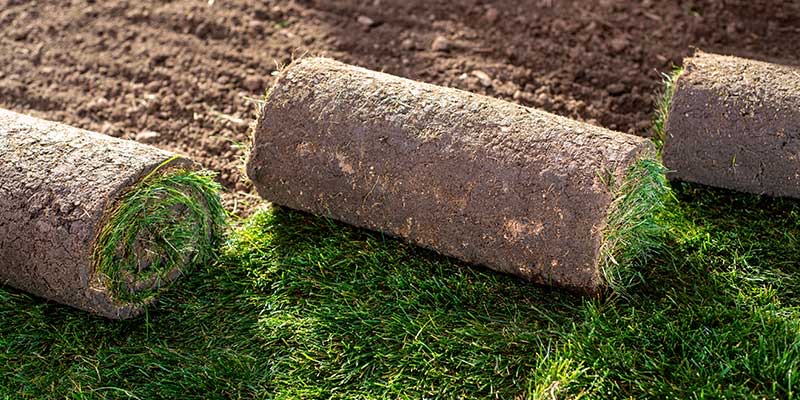
GET IT NOWResidential sod averages $1.10–$3.50 per sq.ft. Commercial starts at $0.75. Labour is included.
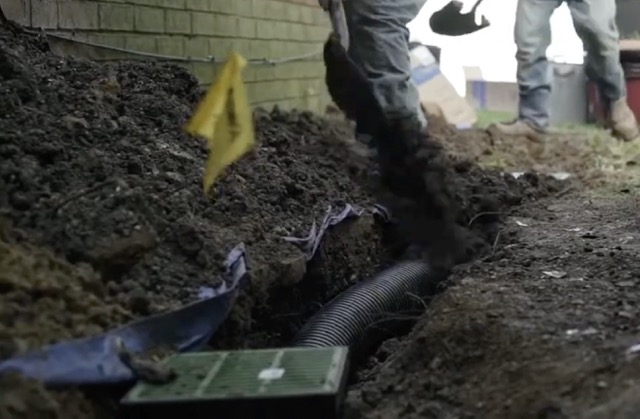
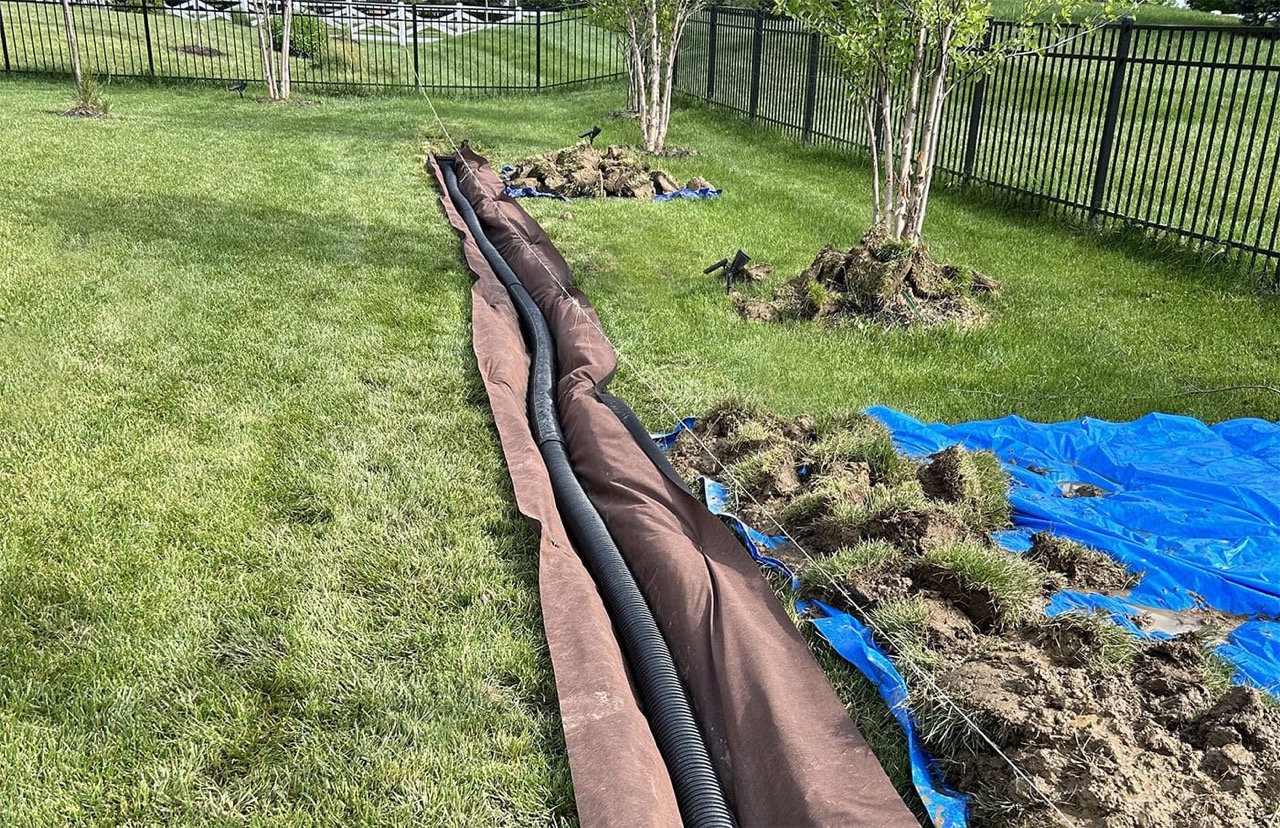
GET IT NOWFrench drainage installation cost ranges $25–$40 per foot depending on complexity. Parts and labor are included.
GET IT NOWFull inspection, diagnostics, pressure testing, and system adjustments.
BOOK ONLINE
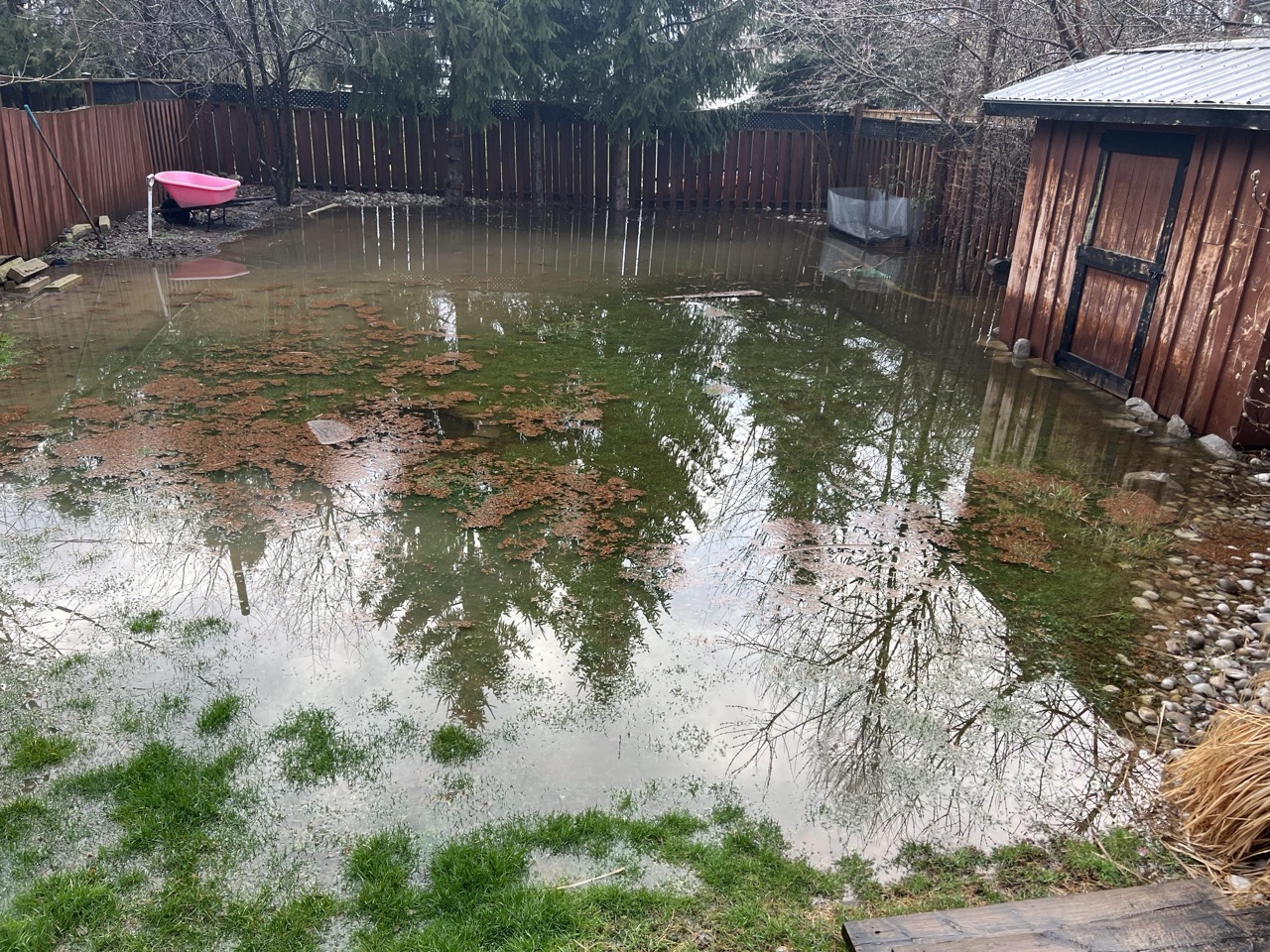
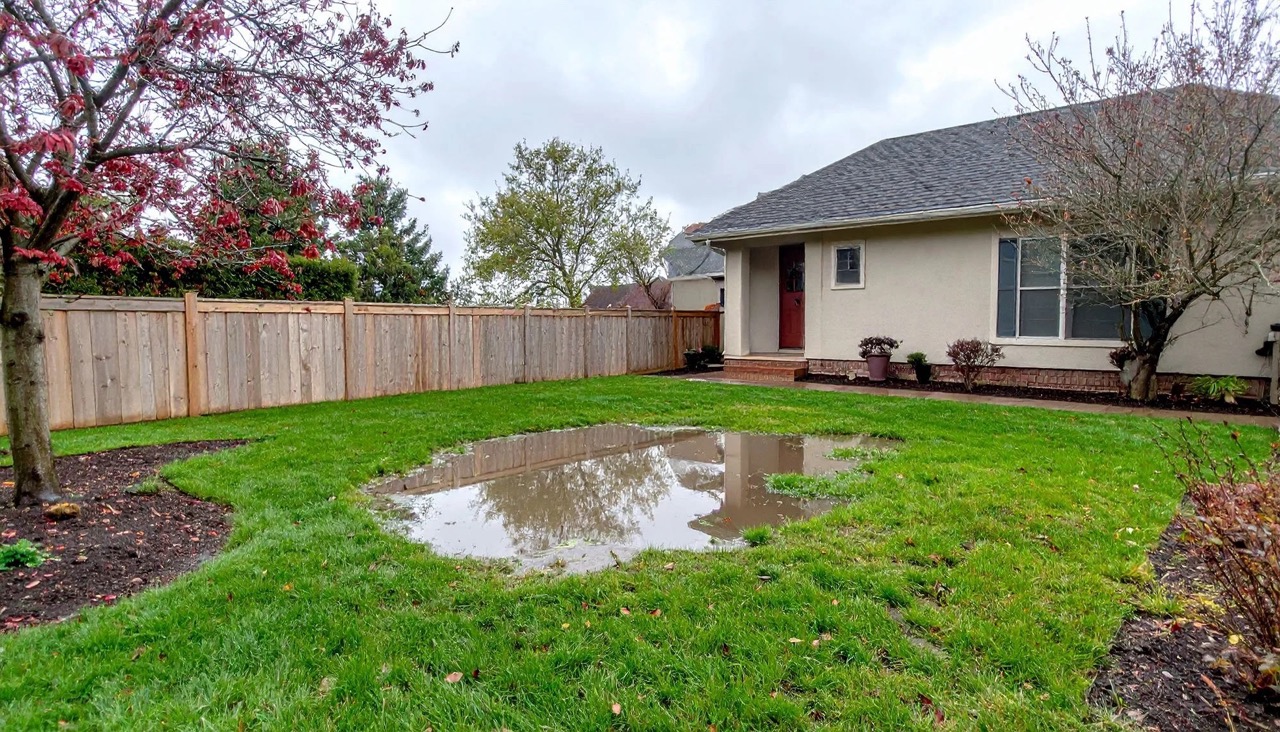
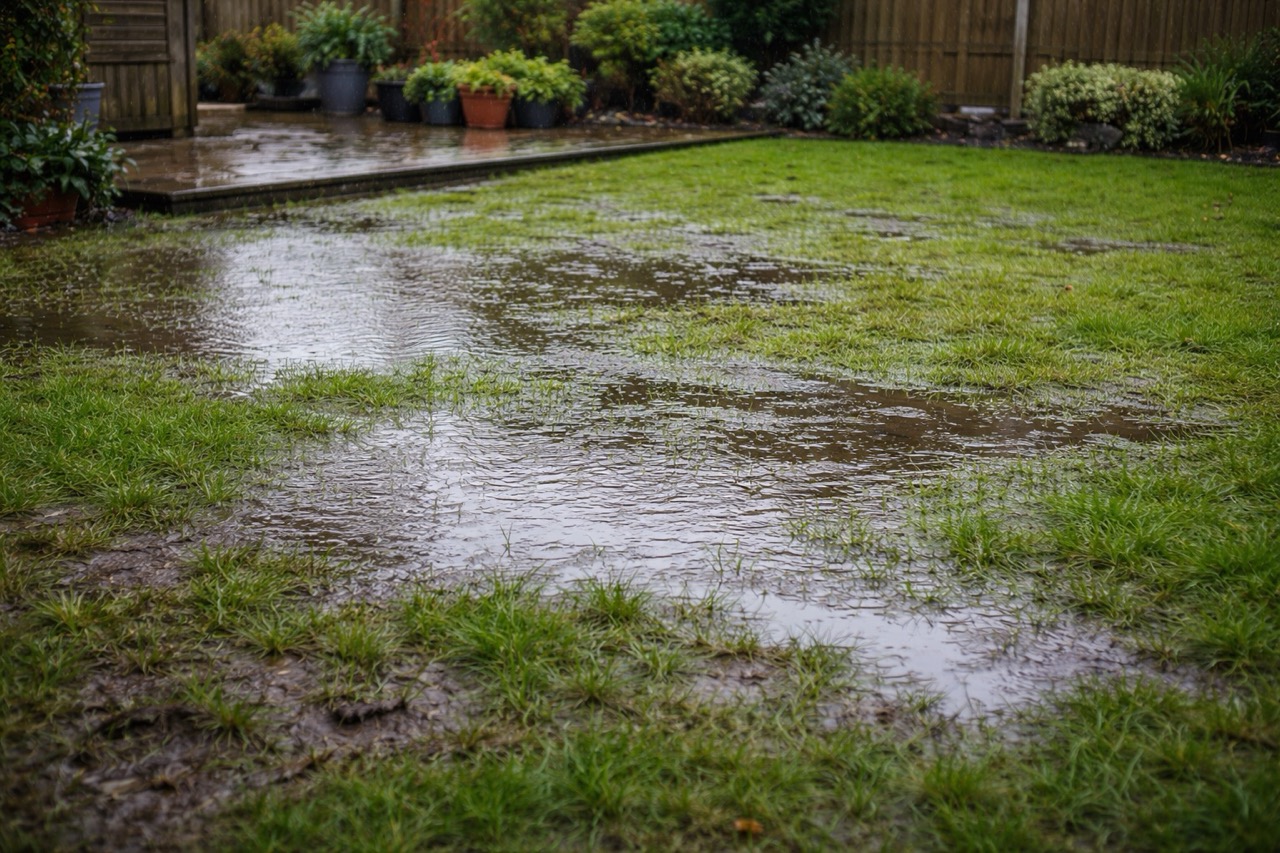
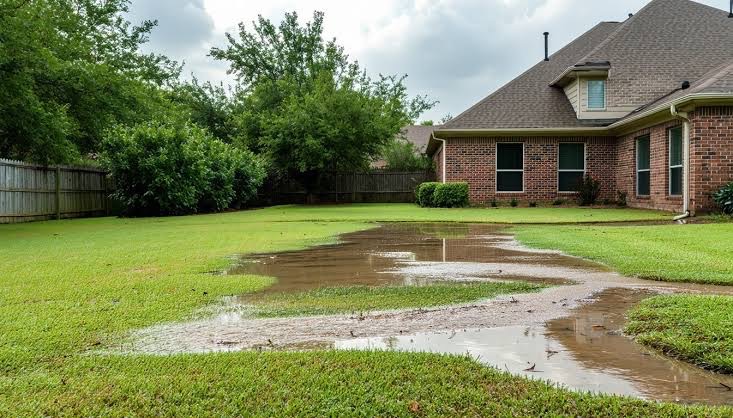
Standing water in backyard after rain is usually caused by poor slope, compacted soil, low spots, clay-heavy ground, blocked drainage routes, or water flowing from patios, roofs, neighbours, or side yards into one problem area.
Yes, regrading can fix standing water in backyard after rain when the main issue is poor slope or low spots. Regrading reshapes the soil so surface water moves away from the house, lawn, patio, fence line, or soggy middle area instead of sitting in one place.
But regrading is not always the only fix. If water has nowhere to drain, the soil is heavy clay, or the yard receives water from several directions, the project may also need a French drain, catch basin, swale, gravel drainage area, topsoil correction, or new sod. For pricing, see our guide on backyard regrading cost in Toronto.
Regrading is the right fix when water is pooling because the yard is flat, uneven, or sloping toward the wrong area. It creates a better surface slope so rainwater can move away instead of collecting in low spots.
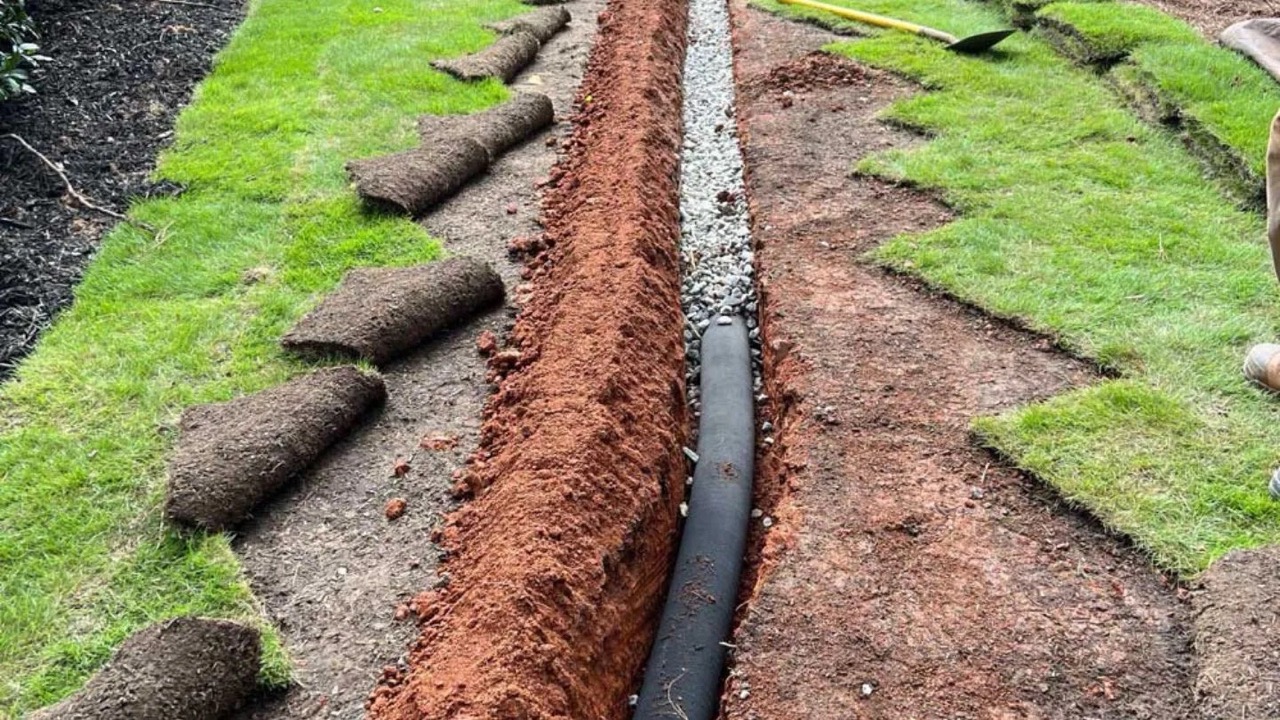
A French drain can help when water sits below the surface, the soil stays wet for days, or there is no easy surface route for water to escape. It moves water through gravel and perforated pipe toward a better drainage outlet.
When water naturally collects in one low area, a catch basin may be needed to collect and redirect it. This is common near patios, lawn depressions, side yards, and backyard corners where surface grading alone is not enough.
Regrading can fix standing water after rain when the main cause is poor surface slope, uneven soil, or low spots. It works by reshaping the yard so rainwater flows away from problem areas instead of settling in the lawn.
Regrading may not be enough when the yard has heavy clay soil, no drainage outlet, water coming from neighbouring properties, a high water table, or deep soggy areas that stay wet for days. In those cases, drainage work may be needed.
Common causes include flat grading, compacted soil, clay soil, low spots, poor downspout discharge, patio runoff, fence-line pooling, blocked drainage paths, and soil settling after construction. Toronto backyards often have more than one cause at the same time.
A French drain is better when water needs to be collected below the surface and moved away through gravel and pipe. Regrading is better when the surface slope is wrong. Many wet backyard projects use both for a more complete fix.
Often, yes. Regrading and drainage work usually disturb the lawn, so new topsoil and sod may be needed after the grade is corrected. For related planning, see sod installation cost per square foot in Toronto and best time to install sod in Toronto.
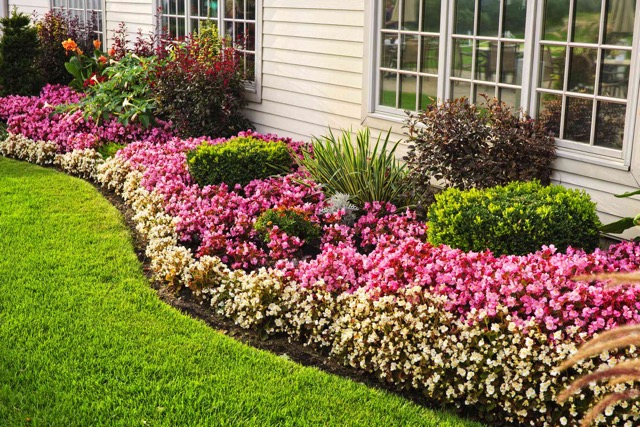
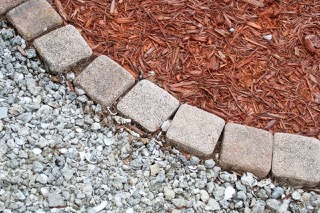
Yes. Drainage should be fixed before sod, planting, stepping stones, lighting, mulch, or patio upgrades. Otherwise, finished landscaping may need to be disturbed later. Before final design, review stepping stone ideas and outdoor pathway lighting ideas.
For most Toronto homes, standing water in backyard after rain is fixed by identifying whether the problem is poor slope, compacted soil, clay, low spots, runoff, or missing drainage before choosing regrading, French drains, catch basins, topsoil, or sod replacement.