
How soon can you walk on new sod?
Avoid regular walking for at least the first week. Light access for watering may be necessary, but repeated traffic should wait until roots start grabbing the soil.


















New sod looks finished right away, but it still needs time to root. Walking on it too soon can shift seams, create low spots, and slow establishment, especially after heavy watering.
You should avoid regular walking on new sod for at least the first 7 days, and heavy use should usually wait 2 to 3 weeks. The best answer is to use the root test: if the sod lifts easily, stay off; if it resists a gentle tug, light use can begin.
Avoid regular walking for at least the first week. Light access for watering may be necessary, but repeated traffic should wait until roots start grabbing the soil.

For normal use, wait about two to three weeks or until the sod passes a gentle tug test. Wet sod is easier to damage, so avoid play after watering.

Yes. Foot traffic can press uneven marks into wet soil, separate seams, or lift corners before roots establish.
/how-to-lay-sod-to-start-new-lawns-2132203_Hero1A-339b58bbe9ff4ae98e1d965e0e510ba0.jpg)
Mow only after the sod has rooted and the grass is tall enough. Use a sharp blade and avoid cutting too short during the first mow.


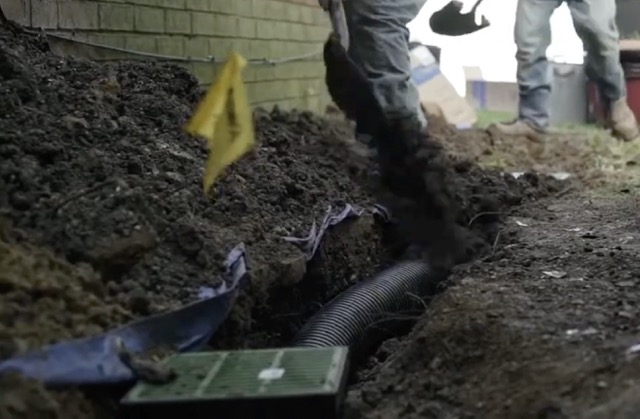
Good sod work is not only laying rolls. The lawn area should be cleaned, graded, topped with suitable soil where needed, and watered immediately after installation.
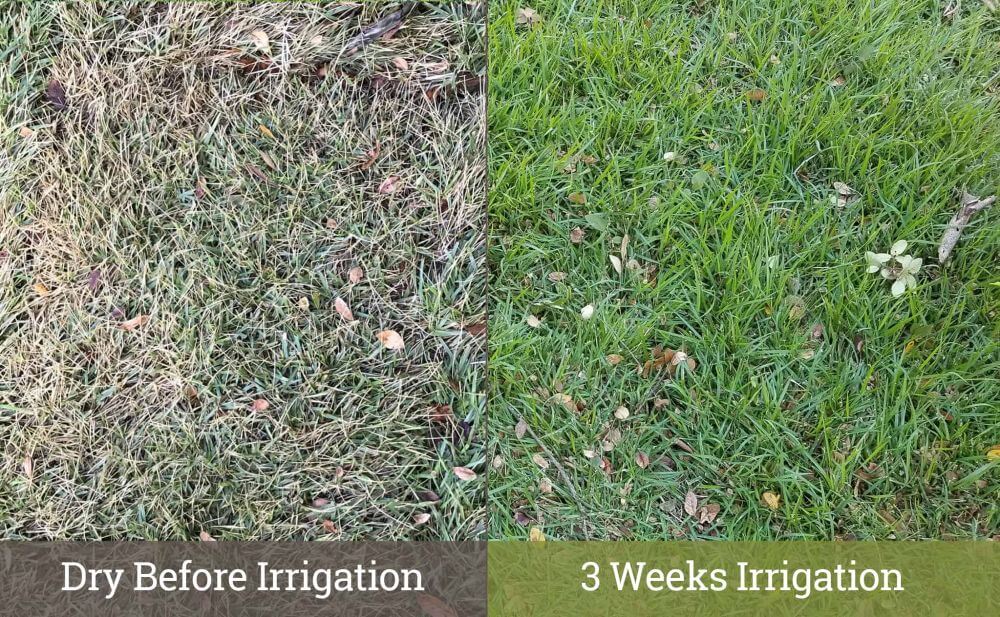
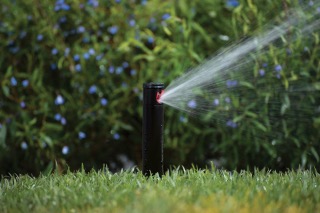
Even watering is one of the biggest differences between a lawn that roots evenly and a lawn that dries out in patches. Sprinkler coverage should be checked before or right after installation.
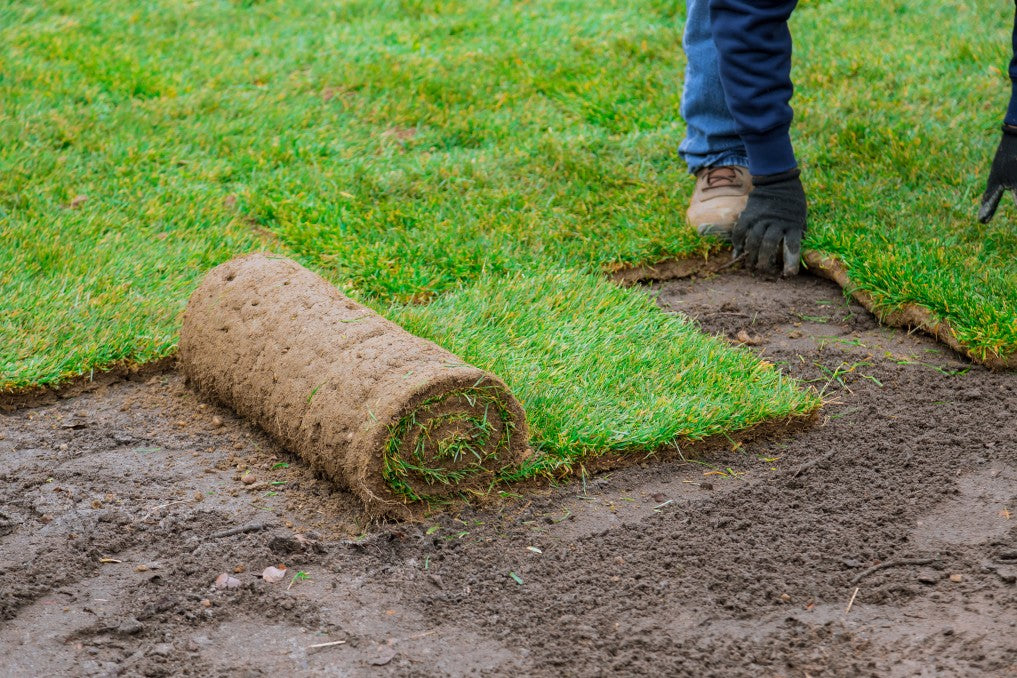
New sod looks ready the moment it is installed, but the roots still need time to attach to the soil. Walking on fresh sod too soon can shift rolls, press footprints into soft soil, and create uneven seams that are harder to correct later.
For most Toronto lawns, light access for watering is acceptable when needed, but regular use should be avoided during the first week. Family traffic, pets, furniture, and backyard play should wait until the lawn begins rooting.
The best test is simple: gently tug a corner. If the sod lifts easily, it needs more time. If it resists, roots are starting to knit into the soil and the lawn can gradually handle more normal use.
Only when necessary for watering or light access. Avoid regular walking immediately after installation.
Wait until the sod has rooted, usually around two to three weeks. Dog urine and digging can damage new sod quickly.
Wait until the lawn passes the gentle tug test and the soil is not soft or wet from frequent watering.
No, wait until the sod is established. Heavy furniture can block light, trap moisture, and leave marks in the new lawn.
Need help with sod installation, lawn repair, grading, or irrigation coverage in Toronto or the GTA? The right prep and watering plan can make the new lawn establish faster and look cleaner.
Get Sod Installation Help