How Much Does a Boxwood or Yew Hedge Cost to Plant in Toronto?
In Toronto and the GTA, a professionally planted boxwood or yew hedge commonly costs about $40 to $150+ per linear foot, depending on plant size, spacing, access, soil work, and finishing. Small starter shrubs cost less, while larger instant-impact plants cost much more. A short 20-foot hedge may land around $1,500 to $4,500+, while larger or mature hedge projects can exceed that range.
Is Boxwood or Yew More Expensive?
Boxwood and yew can both be expensive when larger plants are used, but yew often costs more when the goal is a taller evergreen screen because each plant is larger and heavier. Boxwood is commonly used for lower formal hedges, borders, and garden structure. Yew is often used where homeowners want more height, shade tolerance, and a stronger evergreen privacy hedge.
What Makes Hedge Planting Cost More?
The biggest price factors are plant size, number of plants, spacing, soil quality, access, excavation, mulch, edging, irrigation, and disposal. Tight spacing creates a fuller hedge faster but requires more plants. Larger boxwoods or yews give instant structure but cost more to buy, move, and plant. Poor soil, roots, clay, slopes, or tight backyard access can also increase labour.
When Is Boxwood the Better Hedge Choice?
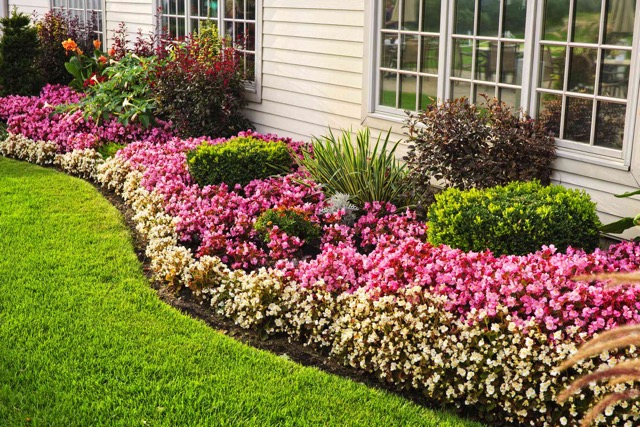
Boxwood is usually better for low formal hedges, garden borders, front-yard structure, walkway edges, and classic landscape designs. It can be clipped into clean shapes and works well where the hedge does not need to become a tall privacy wall. Boxwood is slower growing than many screening plants, so it is best when you want a refined look more than fast height.
When Is Yew the Better Hedge Choice?
Yew is usually better for taller evergreen hedges, shade-tolerant screening, foundation planting, and privacy near fences. It handles pruning well and can create a dense, dark-green hedge with enough space and proper care. Yew often works better than boxwood where the hedge needs more height or where part of the yard receives shade.
How Far Apart Should Boxwoods or Yews Be Planted?
Spacing depends on plant size, cultivar, mature width, and how quickly you want the hedge to fill in. Smaller boxwoods may be planted closer for a tight formal hedge, while yews usually need more room because they can grow wider and taller. Planting too close can cause crowding, poor airflow, and disease pressure. Planting too wide lowers cost but takes longer to close the gaps.
Does Mulch Matter for Boxwood and Yew Hedges?
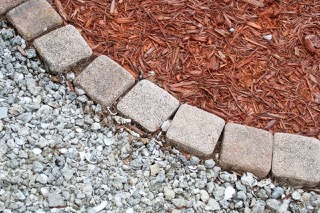
Yes. Mulch helps reduce weeds, protect roots, and keep soil moisture more consistent during the first growing season. It is especially useful around formal hedges where grass competition can stress the plants. Keep mulch away from stems and trunks so moisture does not sit directly against the plant base. For finishing hedge beds, see gravel and mulch installation services.
Do Boxwood and Yew Hedges Need Irrigation?
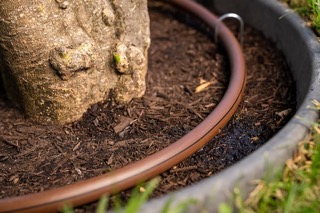
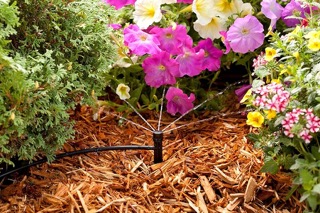
New hedges need steady watering while roots establish. Boxwood and yew do not like extreme drying, but they also do not perform well in constantly soggy soil. Drip or micro-irrigation can help because it waters the root zone slowly without soaking foliage. If the hedge is installed during a larger yard project, plan irrigation before mulch, sod, or stone finishes go in.
Can Hedge Planting Be Done With Sod or Lawn Work?
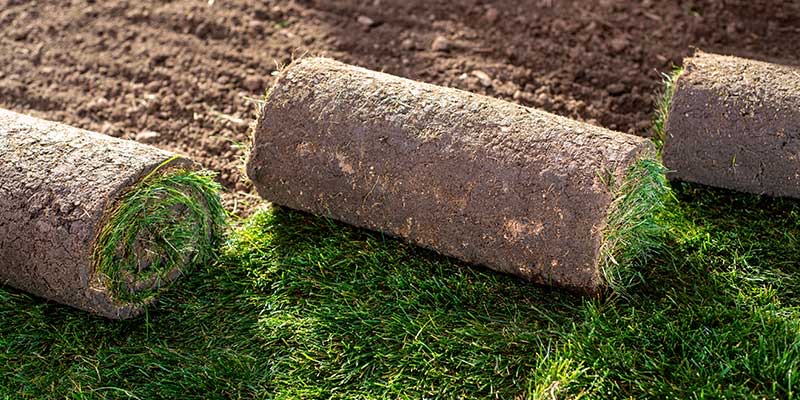
Yes. Hedges are often installed with sod, garden bed edging, grading, and planting upgrades. It is usually best to define the hedge bed first, then install sod around it for a clean finish. If the lawn is being replaced at the same time, review sod installation cost so the hedge, bed edge, irrigation, and lawn are planned together.
Which Hedge Is Better for Toronto Homes: Boxwood or Yew?
Choose boxwood if you want a lower, formal, polished hedge for borders, entries, and garden structure. Choose yew if you want more height, shade tolerance, and evergreen screening. For many Toronto yards, the best design may use boxwood for front-yard formality and yew for privacy or shaded areas. Professional planting services in Toronto can match hedge type, spacing, soil, and irrigation to the property.