How Much Does It Cost to Water a Lawn in Toronto in 2026?
Using the City of Toronto 2026 Block 1 rate of $4.8629 per cubic metre, watering 1,000 sq. ft. of lawn with 1 inch of water costs about $11.47. If that same lawn receives 1 inch every week for a month, the water cost is about $49.70. At 1.5 inches per week, the monthly cost is about $74.55. Source: City of Toronto 2026 water rates.
What Is the Formula for Calculating Lawn Watering Cost?
The basic formula is: lawn area × watering depth × municipal rate. One inch of water over 1,000 sq. ft. equals about 623 gallons, or about 2.36 cubic metres. Multiply 2.36 m³ by your local 2026 water rate. In Toronto: 2.36 × $4.8629 = about $11.47 for every 1,000 sq. ft. watered with 1 inch.
How Much Does Weekly Lawn Watering Cost by Lawn Size?
In Toronto, 1 inch of water costs about $5.74 per week for 500 sq. ft., $11.47 per week for 1,000 sq. ft., $22.94 per week for 2,000 sq. ft., and $34.41 per week for 3,000 sq. ft.. If you water 1.5 inches weekly, multiply those numbers by 1.5. Large lawns, overspray, and long sprinkler run times can raise summer water bills quickly.
How Do GTA Lawn Watering Costs Compare in 2026?
Rates vary by municipality. For 1 inch of water over 1,000 sq. ft., the approximate 2026 usage cost is $11.47 in Toronto, $12.67 in Markham, $14.07 in Richmond Hill, and $7.89 in Halton. Peel single-unit residential customers under 50 m³ are lower on the first water tier, but wastewater is applied to 85% of metered use, so the effective cost is about $5.58 per 1,000 sq. ft. per inch before fixed charges and stormwater fees.
Does Lawn Watering Also Trigger Wastewater Charges?
Often, yes. Many municipalities bill wastewater based on metered water use, even when water is used outdoors. Markham states that lawn watering, car washing, pool filling, and draining can still result in sanitary sewer fees because the municipality must recover water and wastewater costs charged by York Region. Peel applies wastewater charges to 85% of residential metered water use. Always check your local bill structure before assuming outdoor water is billed as water only.
How Much Water Does a Lawn Usually Need?
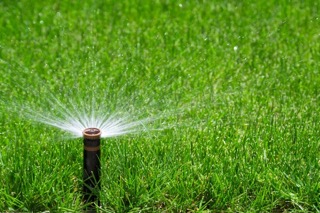
A typical established lawn often needs about 1 to 1.5 inches of water per week, including rainfall, during dry summer weather. The real amount depends on soil type, sun exposure, slope, grass condition, and temperature. Clay soil may hold moisture longer, while sandy or compacted soil may dry faster. A properly tuned sprinkler system service in Toronto can help reduce waste by improving coverage and run times.
What Makes Lawn Watering More Expensive Than Expected?
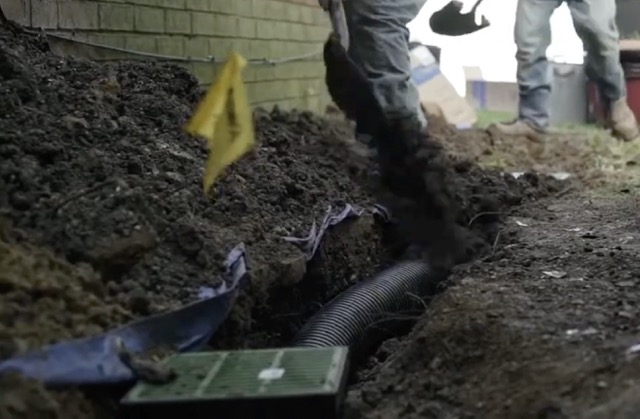
Common cost drivers include watering too often, watering during wind or midday heat, broken sprinkler heads, leaks, overspray onto pavement, poor nozzle matching, and zones that run longer than needed. A hidden leak can waste far more water than normal lawn irrigation. If one zone suddenly uses more water or leaves soggy spots, irrigation pipe repair may be needed before the water bill climbs.
Can Sprinkler Problems Increase Lawn Watering Costs?
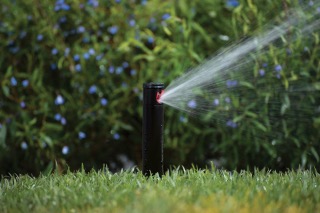
Yes. Broken heads, clogged nozzles, low pressure, and poor spray patterns often make homeowners run the system longer to compensate for dry spots. That wastes water and still may not fix the coverage issue. If heads are damaged or not spraying evenly, replacing sprinkler heads can be cheaper than paying for repeated overwatering all season.
How Can You Lower Lawn Watering Costs?
Water early in the morning, water deeply instead of lightly every day, adjust schedules after rainfall, fix leaks quickly, and avoid watering sidewalks or driveways. Smart controllers, rain sensors, pressure-regulated heads, and matched nozzles can reduce waste. A well-designed system from the start also matters; the right irrigation installation should match zone layout, water pressure, head type, and plant needs.
When Should You Investigate a High Water Bill?
Investigate if your bill jumps after irrigation season starts, if the meter moves while no fixtures are running, if the lawn has unexplained wet spots, or if sprinkler zones run longer than expected. A high bill can be caused by irrigation leaks, stuck valves, broken heads, or controller programming errors. Reviewing the top signs your irrigation system needs repair can help catch problems before they become expensive.