

Look for soggy ground
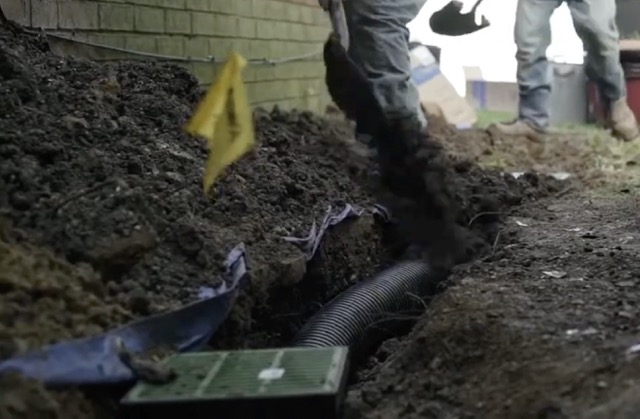
A broken lateral line often creates a wet patch, soft soil, or bubbling water while the zone is running.


















A broken sprinkler pipe underground usually shows up as low pressure, bubbling water, soggy soil, or one area of lawn that is much wetter than the rest.
Yes, you can often find a broken sprinkler pipe underground by reading the symptoms before digging. The most reliable clues are sudden low pressure in one zone, bubbling water, unusually soft soil, a sunken area, muddy water around a head, or one part of the lawn becoming much wetter than the rest. Run only the suspected zone and watch the ground for several minutes. Heads before the break may spray normally, while heads after the break may barely rise. Follow the line between working and weak heads; the break is often between those points. Dig carefully by hand once the likely area is narrowed.
| Question | Certain Answer |
|---|---|
| Most likely clue | Wet, soft, bubbling, or sunken soil while only one zone is running. |
| Pressure fact | A lateral pipe break can steal enough flow that downstream heads will not pop up. |
| Should you dig randomly? | No. Trace the zone pattern first so you do not create extra damage. |
| Best next step | Run the zone, mark weak heads, locate the wettest area, then expose the pipe carefully. |
A broken lateral line often creates a wet patch, soft soil, or bubbling water while the zone is running.
Heads before the break may work normally while heads after the break may be weak or not rise.
Sprinkler pipes usually connect heads in a logical route through the zone.

Use hand tools near the suspected break to avoid damaging more pipe or wire.
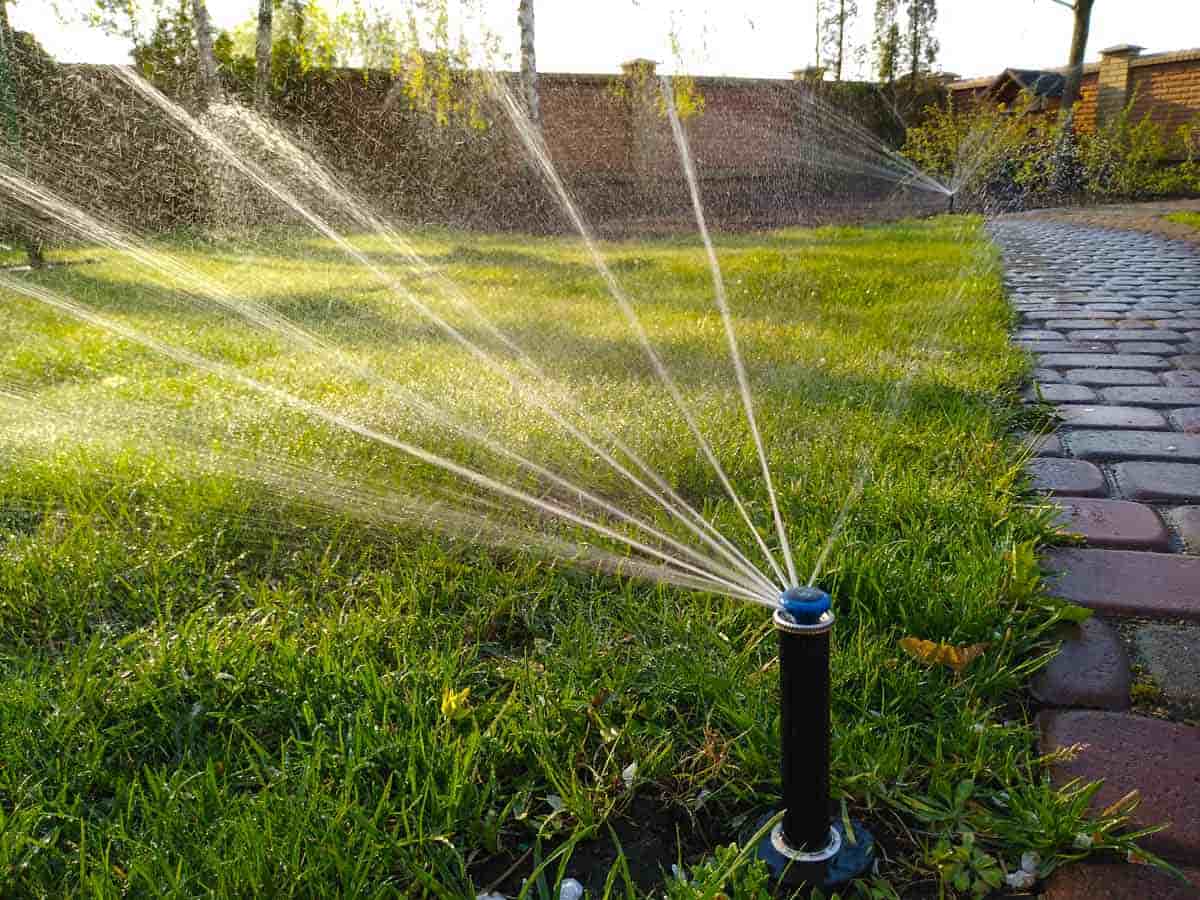
Underground breaks often happen after aeration, fencing, planting, grading, interlock work, or winter damage. A broken pipe can waste large amounts of water and reduce coverage enough to brown out parts of the lawn.
Professional leak locating can save time when the water does not surface clearly. This is common in sandy soil, under mulch, below hardscape edges, or near tree roots.
Additional factual note: Broken underground pipes are common after fence posts, aeration, planting, grading, interlock edging, or winter movement. The leak may not surface immediately if the soil drains well.
Additional factual note: If there is no obvious puddle, compare the first strong head and the first weak head on the zone. The pipe break or blockage is often between those two points.
Low pressure, wet ground, bubbling water, or heads not popping up can point to a broken pipe.
Yes. Water may drain into soil, gravel, or a low area without surfacing immediately.
Usually start near the wettest point, but dig carefully and confirm the zone path first.
Yes, roots can shift, crush, or expose irrigation lines over time.
Need help with sprinkler valves, heads, timers, wiring, rain sensors, or low-pressure zones in Toronto or the GTA? A proper diagnosis can prevent wasted water, lawn damage, and repeat repairs.
Book Sprinkler Repair