Why Is Water Building Up Near My Foundation?
Water near the foundation almost always comes down to one of a few root causes. The most common in the GTA is negative grading — soil that slopes toward the house rather than away from it, directing every rain event straight at the foundation wall. Clay-heavy soil compounds the problem because it absorbs water slowly and holds it for hours, keeping the ground around the foundation saturated long after rain stops. Other causes include misdirected or clogged downspouts dumping roof water beside the wall, impermeable hardscape like patios and driveways that channel runoff inward, and a naturally high water table in low-lying GTA properties. Diagnosing the actual source is the first step — the right drainage fix around the house depends entirely on where the water is coming from.
How Dangerous Is Water Near the Foundation?
Very — and the damage compounds silently over time. Water near the foundation creates hydrostatic pressure against the wall, a slow force that widens hairline cracks, accelerates efflorescence, and eventually pushes water through basement walls. In Toronto's freeze-thaw climate, saturated soil adjacent to the foundation expands when it freezes, causing frost heaving that can crack footings and shift structural elements season after season. Mould follows water infiltration quickly. Addressing foundation water early is almost always far less expensive than what comes next — proper drainage system installation around the house typically costs a fraction of basement waterproofing or structural foundation repair.
What Is the Correct Drainage Slope Around a House?
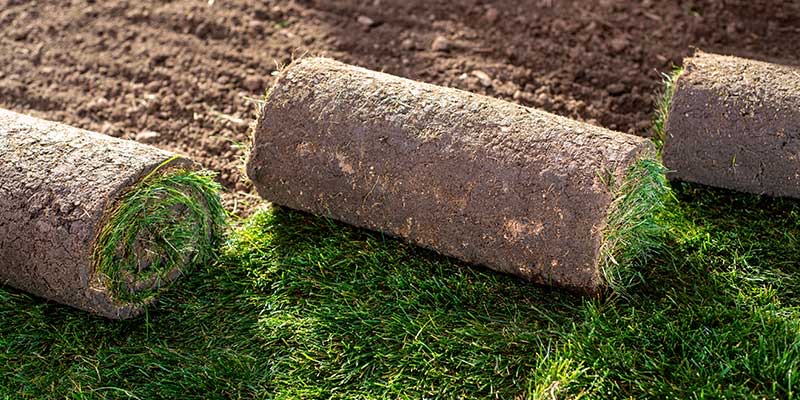
The standard for drainage around the house is a minimum drop of 6 inches over the first 10 feet of ground away from the foundation — roughly a 5% slope. This gives surface water enough momentum to move away from the wall before it can soak into the surrounding soil. Many GTA homes lose this slope as soil settles, sod compacts, and garden beds are built up against the house over time. Regrading involves bringing in clean topsoil, rebuilding the correct slope, and restoring the surface — our team also provides sod installation to finish the repair properly. If your ground is flat or slopes inward anywhere within that 10-foot zone, correcting the grade is the highest-priority fix for drainage around the house.
Can Downspouts Cause Water to Pool Near the Foundation?
Yes — and it is one of the most overlooked contributors to water near the foundation. A standard GTA home roof can shed thousands of litres in a single heavy rain. If downspouts terminate within a metre or two of the wall, all of that water saturates the soil right beside the foundation. The fix ranges from simple downspout extensions discharging at least 1.5–2 metres away, to underground connections that route roof water into a French drain system and carry it completely off the property. Redirecting downspouts is often the fastest and cheapest first step, and sometimes resolves foundation water pooling on its own.
What Is a French Drain and How Does It Fix Foundation Water?
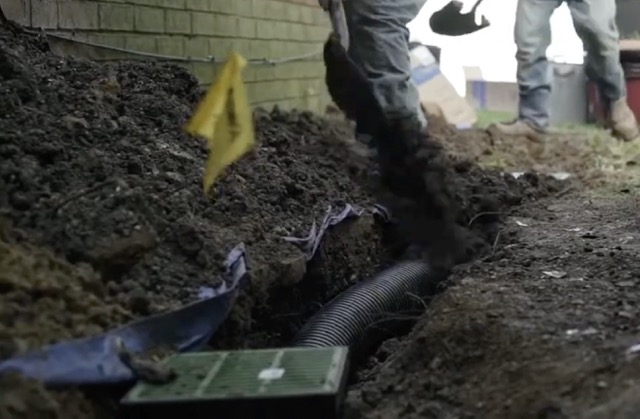
A French drain is a gravel-filled trench with a perforated pipe that intercepts water moving through the soil and redirects it to a safe discharge point — a storm drain, a lower area of the yard, or a dry well. Installed parallel to the foundation or across the path water travels, it stops water near the foundation before it ever reaches pooling stage. Unlike surface fixes, a French drain works underground — it handles the water that regrading or catch basins alone cannot reach. For a full breakdown of installation costs across the GTA, see our French drain cost guide for Toronto and the GTA.
What Role Do Catch Basins Play in Drainage Around the House?
A catch basin is a surface-level grated inlet set into a low spot of the yard. It collects standing water and routes it through underground pipe to a discharge point — typically the municipal storm system or a lower area of the lot. For homes where a single low spot near the foundation is the main problem, a catch basin is a fast and highly effective fix. It handles surface-level pooling best, which is why it is often combined with a French drain in a complete drainage system installation around the house — the catch basin takes the surface water while the French drain handles what moves underground.
Can Landscaping Help With Drainage Around the House?
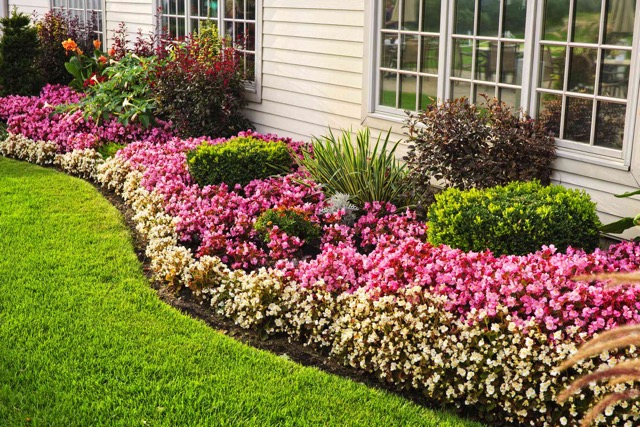
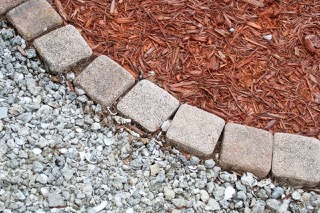
Strategic landscaping is a useful complement to proper drainage infrastructure. Moisture-tolerant plants like willows, river birch, and native sedges placed in low areas absorb excess water and reduce visible pooling. Replacing compacted grass near the foundation with properly installed mulch or gravel improves infiltration and reduces surface runoff. A rain garden — a shallow planted depression positioned to receive redirected runoff — can absorb significant volumes during moderate rain events. However, landscaping alone is not a substitute for corrected grading or subsurface drainage when clay soil or high water table is involved. Our team offers both planting services and full landscaping services across Toronto and the GTA.
Does a Sprinkler System Make Water Near the Foundation Worse?
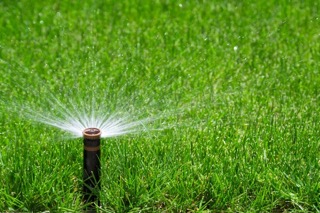
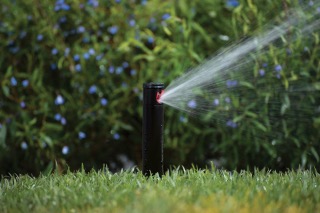
It can, if zones near the house are poorly positioned or over-scheduled. Sprinkler heads too close to the foundation wall — or aimed toward it — add a regular moisture load to soil that may already be struggling to drain. Systems should be programmed to run early in the morning when absorption is highest, and foundation-adjacent zones should be carefully zoned to direct spray away from the wall. A properly designed sprinkler system installation accounts for foundation clearance from the start. Existing systems contributing to water near the foundation can usually be corrected through a sprinkler system service visit and zone adjustment.
What Should Vaughan and North GTA Homeowners Know About Foundation Drainage?
Vaughan and the northern GTA present specific drainage challenges. Newer subdivisions often have builder grading that has settled unevenly over the first decade, reversing the slope that originally existed. Tight lot lines mean neighbour runoff can compound the problem on both sides of a property. Mature tree root systems in older areas can disrupt subsurface drainage paths and create new low spots as roots decay. Both situations increase the risk of water near the foundation going undetected until basement symptoms appear. Our team provides dedicated drainage installation services in Vaughan covering site assessment, French drain design, catch basin installation, and full system implementation.
When Should You Call a Professional About Water Near Your Foundation?
Call a professional when water near the foundation is recurring after every significant rain, when efflorescence or moisture staining has appeared on basement walls, when DIY grading or downspout adjustments have not held, or when multiple sides of the house show pooling. A drainage contractor will assess whether the issue is a grading problem, a soil infiltration problem, a subsurface flow problem, or a combination, and design drainage around the house accordingly. Our full range of landscaping and drainage services covers everything from the initial site assessment through to final planting and restoration once drainage work is complete.