Irrigation Opening
Opening Cost Calculator
Check-Up / Service Call
Full inspection, diagnostics, pressure testing, and system adjustments.
BOOK ONLINEUsually, the price for irrigation opening is $90 + tax. The price can vary if the system is commercial or big residential.
GET IT NOWBasically, the price for winterization is $100 + tax. The cost can vary if the system is commercial or big residential.
GET IT NOWPrices start at $550 per zone. We use Hunter and Rain Bird materials. 5-year warranty. Parts and labor are included.
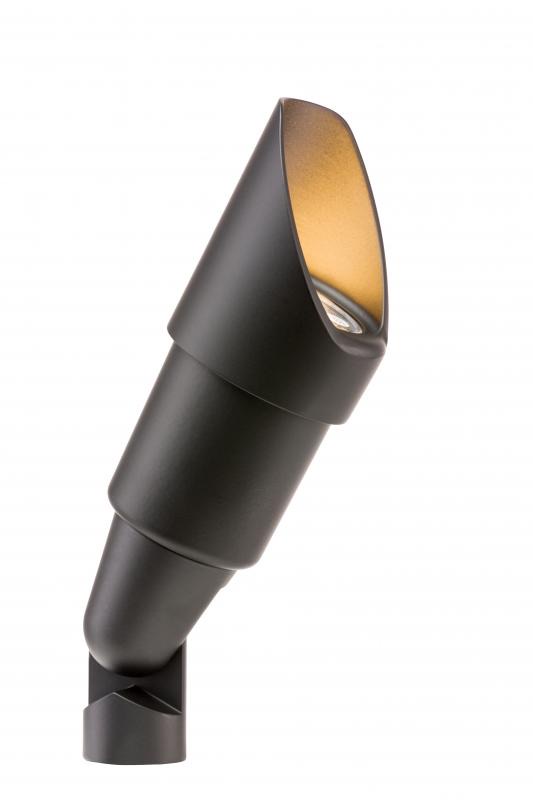
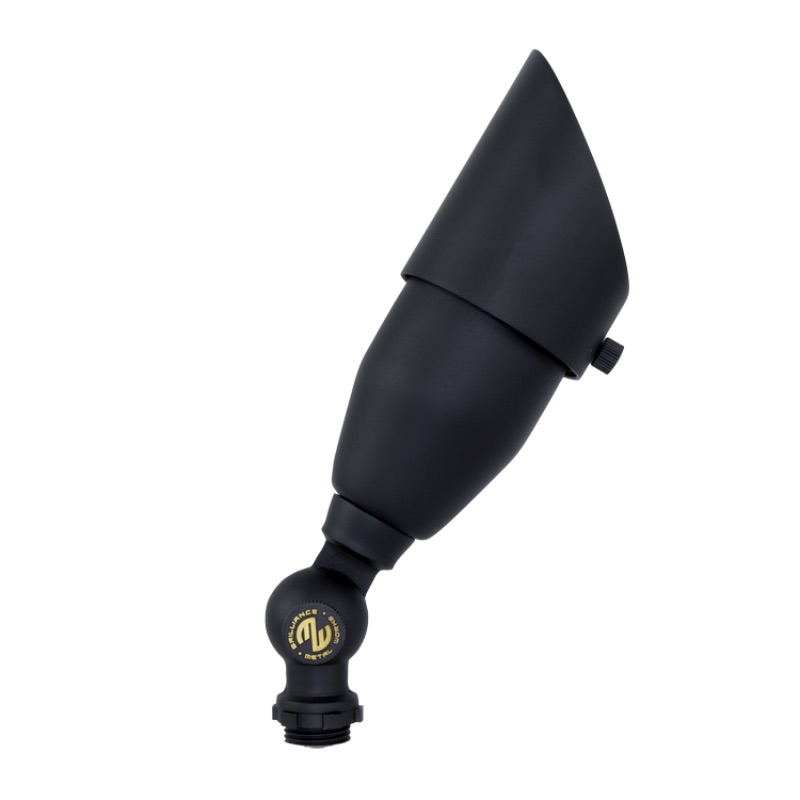
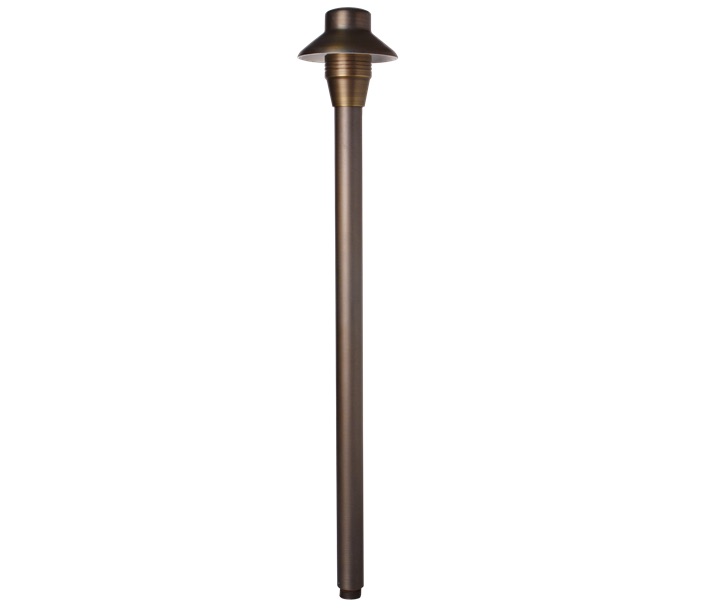
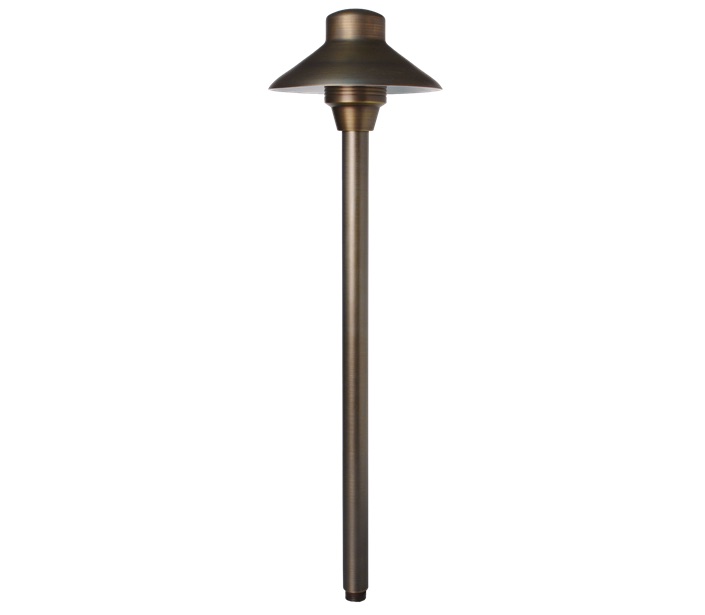
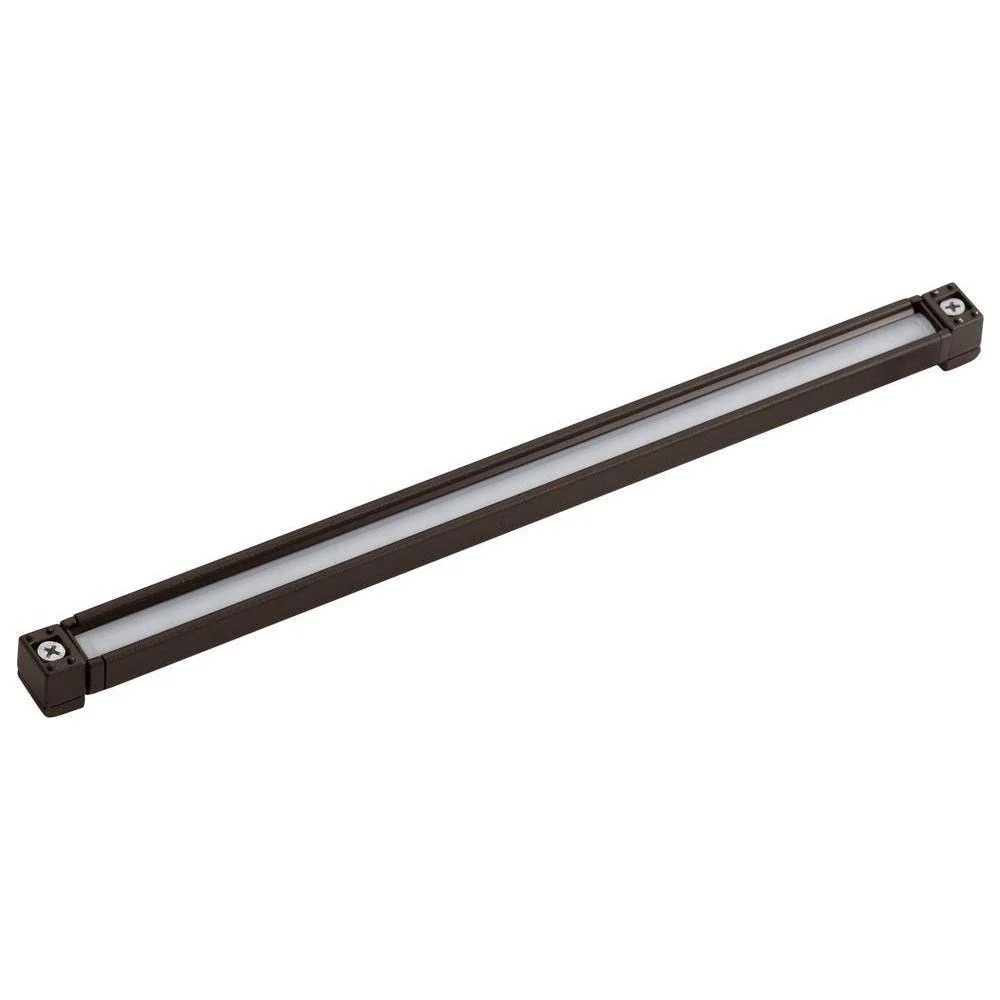
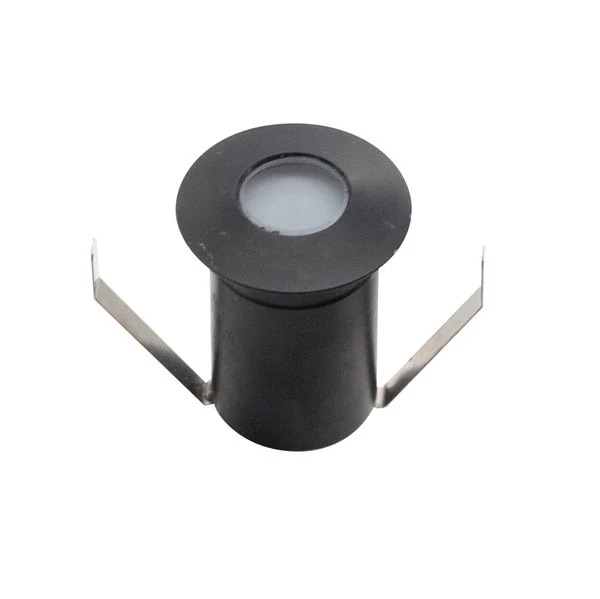
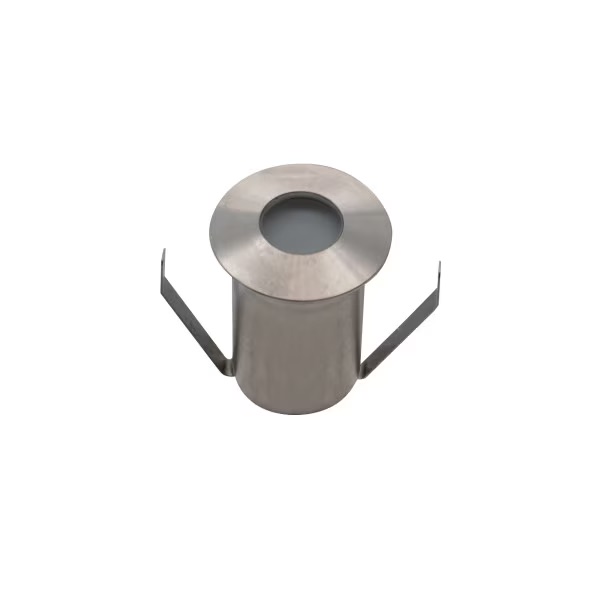
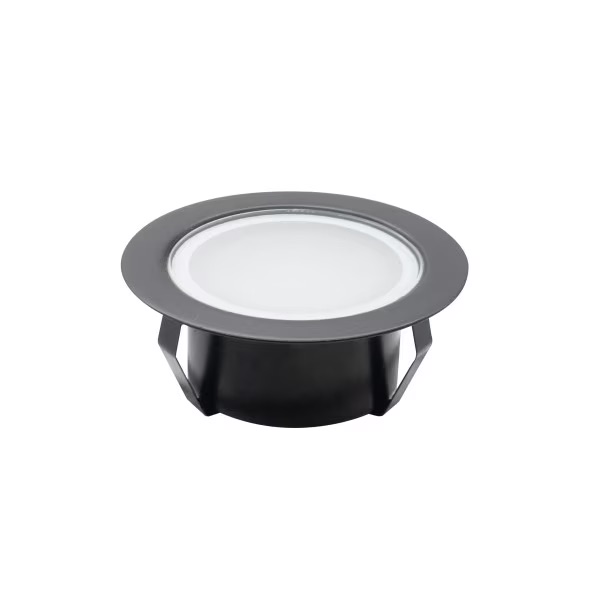
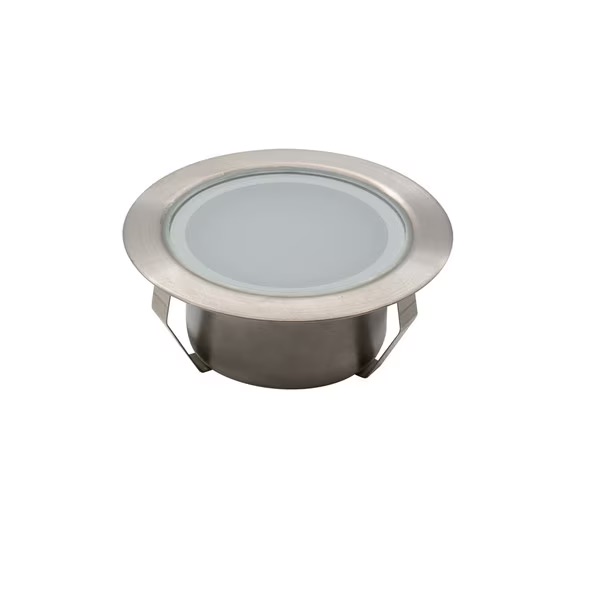
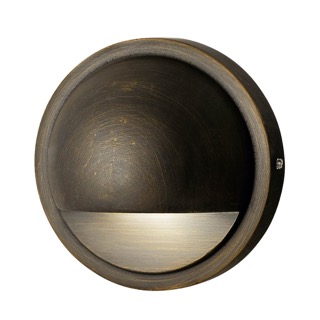
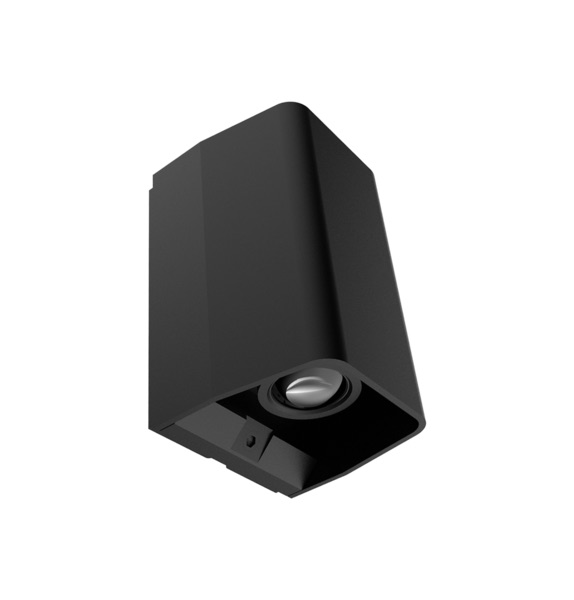
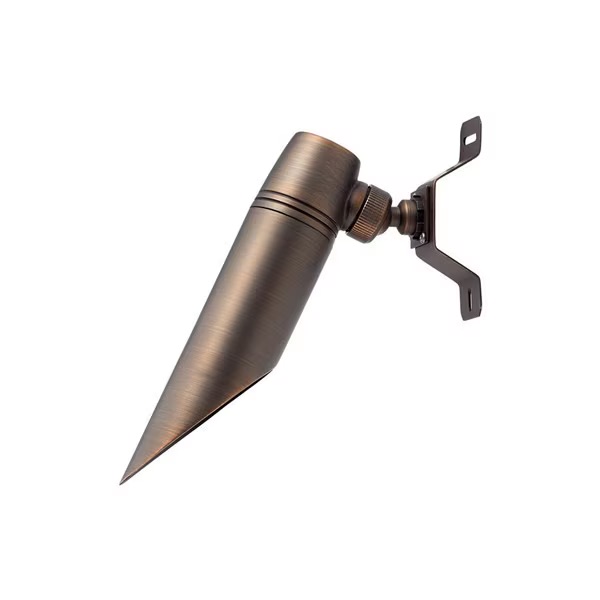
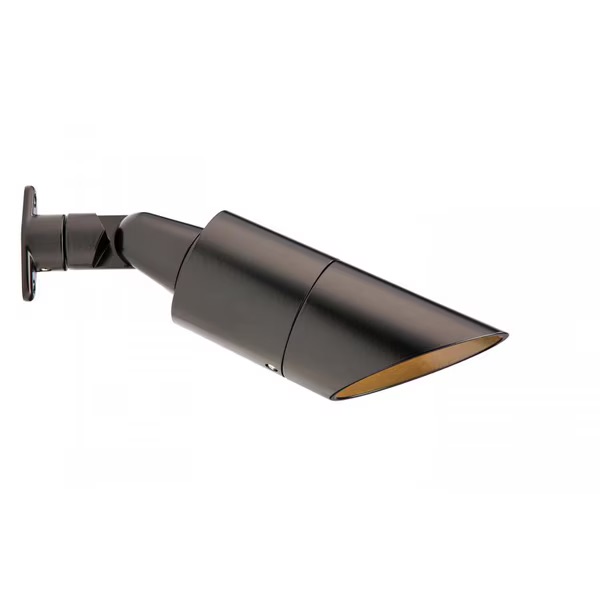
GET IT NOWLED fixtures start from $250 due to long lifespan and reduced maintenance costs. Parts & labour are included.
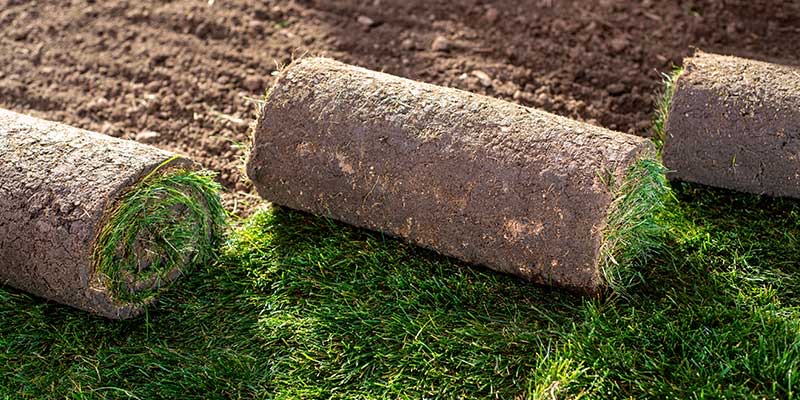
GET IT NOWResidential sod averages $1.10–$3.50 per sq.ft. Commercial starts at $0.75. Labour is included.
GET IT NOWFrench drainage installation cost ranges $25–$40 per foot depending on complexity. Parts and labor are included.
GET IT NOWFull inspection, diagnostics, pressure testing, and system adjustments.
BOOK ONLINE
The automatic sprinkler system draining is the best way to get your irrigation system pass the winter dry. The process is through the internal drainage mechanism of the system, which discharges the water from the pipes and gear automatically. During this winterization process, the timer and the valves are cooperating to ensure that the whole area is properly drained, which significantly reduces the risk of freezing. This is the perfect solution for homeowners who do not want to deal with any e. Hiring professionals to do an annual inspection and automatic drain mechanism checkup is a must to guarantee such a system is functioning. This way is most effective in usual mild-winter areas, where freezing is not a major problem but a possibility only. Nevertheless, it should be guaranteed that all zones might be activated to water remaining can be efficiently dispersed.
In the manual sprinkler system, draining the water involves farmers physically sucking the water out of each zone of the irrigation system. The homeowner or technician thus must physically open the valves and pull out the water in the pipelines so that no water should be left in the pipes that will become frozen and burst the pipes in winter. Nonetheless, this technique may be more labor-intensive; however, going for a complete winterization compliant with the user having full control of the course is the way some are opting for. Moreover, it's more advantageous in areas with cold winter conditions, where the drop in temperatures is highly possible. Wrenches and hoses together with other tools are necessary for the correct drainage of the pipes. Once they are done with the draining, they should check all the constituents to see if any have worn out or need some repair.
The blowout drainage of the sprinkler system is one of the most efficacious methods of winterizing the irrigation system, especially in the naturally cold areas. No such thing as magic is needed for the problem to be fixed, it is just a fact that air compressor purges all pipes and fittings from water. The air compressor is then linked to the system, and the pressured air is used to drive the water through the sprinkler heads, making sure that the entire system is completely evacuated. On the whole, it is argued that this method of protection is the best since the water is the one that first freezes. The blowout must be done with care in order to prevent any injury to the irrigation system. After blowout, a thorough inspection is a good idea to make sure that every part is dry and ready for winter storage.

Winter is a season that can be really hard and your sprinkler system may lose its effectiveness in that period. Thus, insulation of the system is the next best thing we can do. Start with the pipes and fittings that obviously are in the most exposed position outdoors and hence are the most likely to freeze. The foam pipe insulation or the heat tape slices be thought of wrapping or being put inside the tightest zones so as to hold the warmth inside. In the overground areas, the covers or blankets designed for irrigation systems are used to insulate them. Besides that, be sure that the water system is emptied before the winter when some water which can freeze and, in this way, transcript parts of it. Another very essential action entails regular inspections of the insulation and immediately replacing torn parts.
Absolutely, you can prepare the sprinkler system for winter by yourself, together with some fundamental tools and a bit of knowledge. The system starts with several major functions such as shutting the water supply off, draining the system, or using an air compressor in case of blowout. It is very important that before you begin, you have a clear understanding of your system's layout and the components. If, for example, you live in a flooded area, you can drain the system manually, which could be not the most convenient method, but it will work for sure. Treat to the system the right way to have the tools, and follow the safety precautions to damage securely your system. If you are either unsure of or uncomfortable with the process, talking to a professional might be useful. The smart way to winterize your sprinkler system is what will save you the biggest share of repairs in the spring and at the same time guarantee that your system will be in working condition during the warmer weather days.
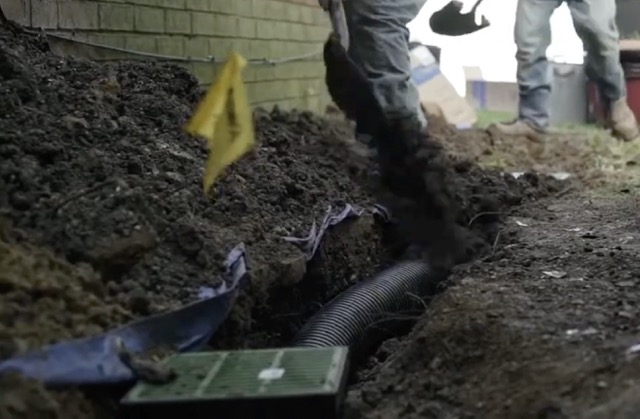
In Ontario, the ideal time for sprinkler system winterization is late October to early November. With a drop of temperature, it becomes mandatory to the irrigation system get itself prepared for the coming winter days. As per the records, the first severe frost in Ontario in the past could be in mid-November or even earlier. Hence, it is very vital to finish winterization before the temperature crosses the freezing zone below the freezing level. Weather forecasts provide a basis for the decision-making process of your winterization and be accountable for your actions if you don't properly winterize. Of course, if the weather suddenly cools down, you should become fast because the water in the pipes will ice/cool down and the pipes may be ruptured. The immediate attention that you're going to give to the winterization will be a good cover for your sprinkler system, besides the fact that it's being properly prepared for when spring starts then you can easily start the irrigation system.
If you do not winterize your sprinkler system, you may end up with huge and inevitable repair bills. The water remains in the pipes and may freeze when the temperature drops. The freezing water expands, thus the pressure created can cause a rupture or crack in the pipes, valves, or fittings. Accordingly, you might find yourself swimming in expensive repairs in spring, which are going to be the size of projects and time-consuming as well. Furthermore, the leftover water may tickle the backflow preventer, which is a very important part of the system to prevent contaminants to get into your drinking water supply. Besides the physical damage, the total effectiveness of the irrigation system may be reduced resulting in the insufficient watering of your landscape. Hence, it is essential to cover your system with snow before the winter begins to prevent these problems.
Winterizing your sprinkler system yourself can be a great way of saving money as well as seeking proper operational efficiency of it. The first thing to do is to turn the main water supply off and drain the water from the pipes. To do this, you should manually open all the water valves and let them empty the water completely. Besides, using an air compressor to get rid of the rest of the water that might be left in the pipes, ensure that you strictly observe the safety guidelines and make sure not to go beyond the recommended pressure so that no damage occurs. Examine all the parts for wear and tear, and if any are damaged, replace them, then, cover exposed pipes with foam insulation or heat tape to prevent frozen pipes. Finally, don't forget to drain backflow preventers and other main elements. Fortunately, by the development of the above points, you will mostly air protect your irrigation system from any frost, which will thus be reducing the cost of spring repairs by the very fact that no ice damages that are usually related to this type of weather will occur.
How to Winterize Sprinkler System