Landscaping

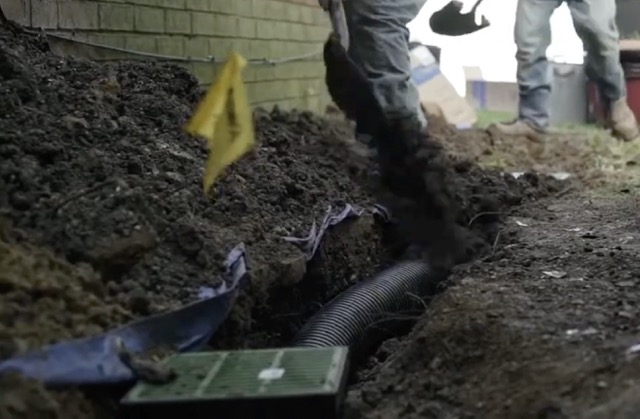
French Drainage Installation

LEARN MORE

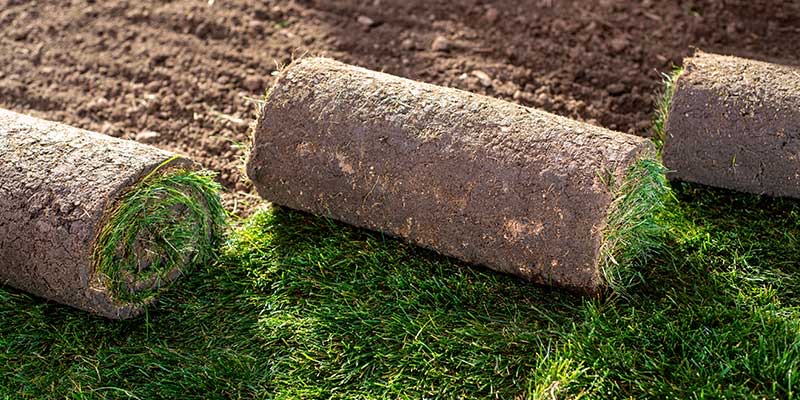
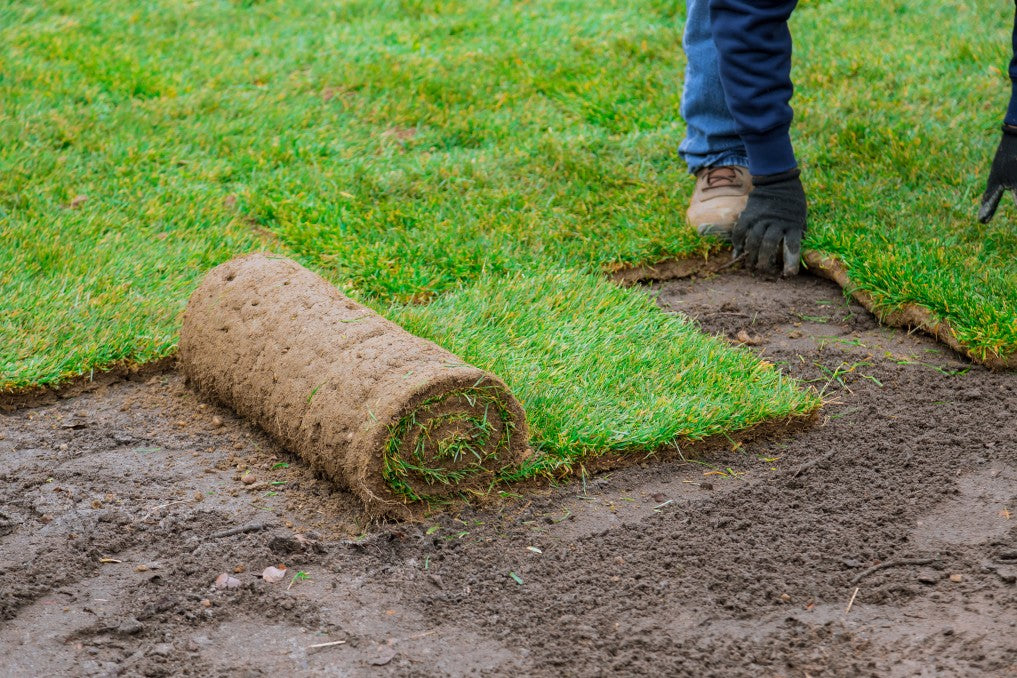
SOD Installation

LEARN MORE

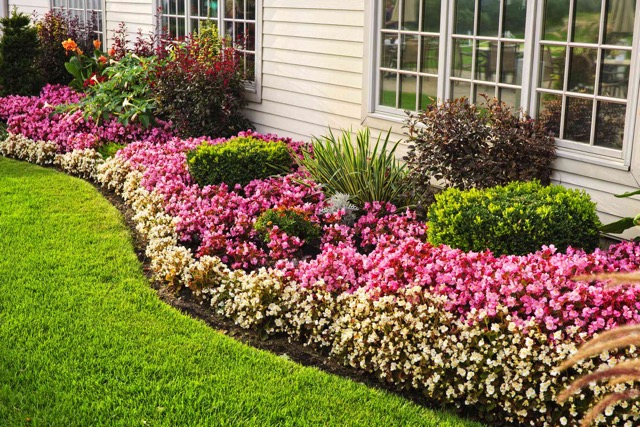
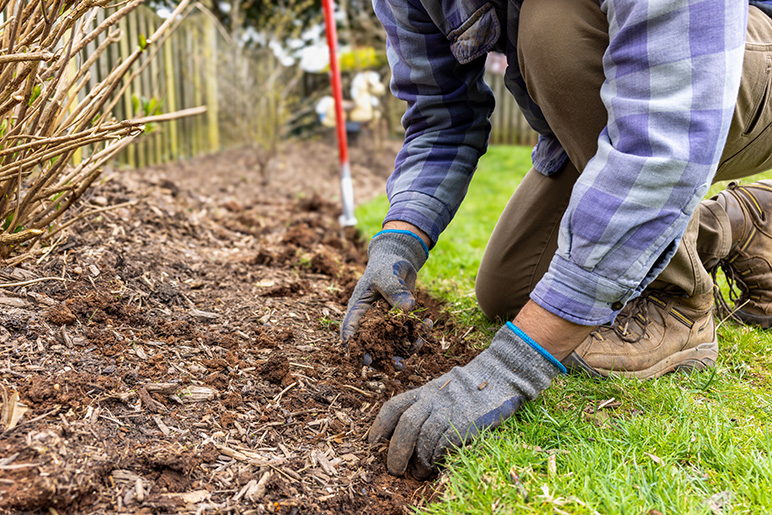
Flower Beds & Planting

LEARN MORE

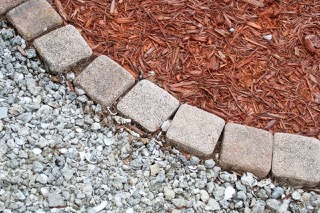
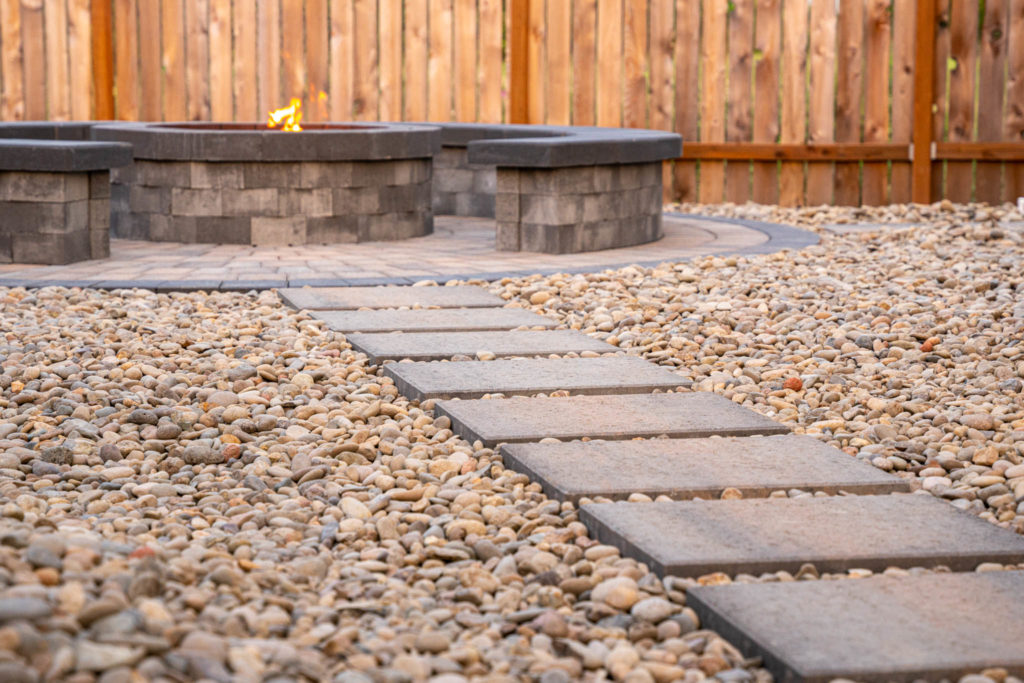
Gravel & Mulch Installation

LEARN MORE
Low-Maintenance Front Yard Ideas · Toronto

10 Low-Maintenance Front Yard Landscaping Ideas
for Toronto Homes

Low-maintenance front yard landscaping in Toronto should combine planting, mulch, river rock, edging, lawn repair, driveway care, irrigation, lighting, and practical hardscape upgrades. The best plan is not one feature. It is a clean front-yard system that looks good from the street and is easier to maintain through heat, snow, salt, weeds, and spring cleanup.

10Front Yard Ideas
PlantsSoft Landscaping Base
WaterMaintenance Factor
EdgesCleaner Look
low maintenance front yard landscaping Toronto

Best Low-Maintenance Front Yard Ideas for Toronto Homes

What is the best low-maintenance front yard landscaping for Toronto?

The best low-maintenance front yard landscaping for Toronto is a balanced upgrade: hardy shrubs and perennials, clean mulch or river rock, defined edging, healthy sod or overseeded lawn, proper watering, simple lighting, and only the hardscape elements that solve real problems. Yes, planting is the starting point, but the front yard also depends on driveway appearance, drainage, walkways, retaining walls, and seasonal cleanup. A good design should reduce weeding, reduce hand watering, avoid overcrowded plants, and still look structured in winter.

IdeaBest UseWhy It Helps
PlantingShrubs, flowers, perennials, evergreensAdds structure, colour, privacy, and year-round curb appeal.
Mulch, river rock, edgingGarden beds and drainage stripsControls weeds, defines beds, and keeps the front yard tidy.
Lawn repairSod, overseeding, or hydroseedingFixes patchy grass and makes the whole front yard look maintained.
Systems and hardscapeIrrigation, lighting, retaining walls, walkwaysSolves water, safety, slope, access, and evening curb-appeal problems.

Front Yard Priority Diagram

Use this to decide what should come first before spending money on finishes.

Drainage and gradingFirst
Planting and soilHigh
Watering setupHigh
Lighting and finishingMedium

What to Check First

Do these checks before choosing plants, mulch, lights, or stone.

Open the front-yard checklist
Check sun exposure, soil compaction, downspouts, slope, snow storage, salt exposure, lawn condition, driveway surface, walkway traffic, and watering access.
Best comparison
Soft landscaping improves curb appeal quickly, but irrigation, lighting, edging, and small hardscape fixes usually decide how easy the yard is to maintain long term.
low maintenance front yard landscaping Toronto shrubs flowers perennials

1. Plant Low-Maintenance Shrubs, Flowers, and Perennials

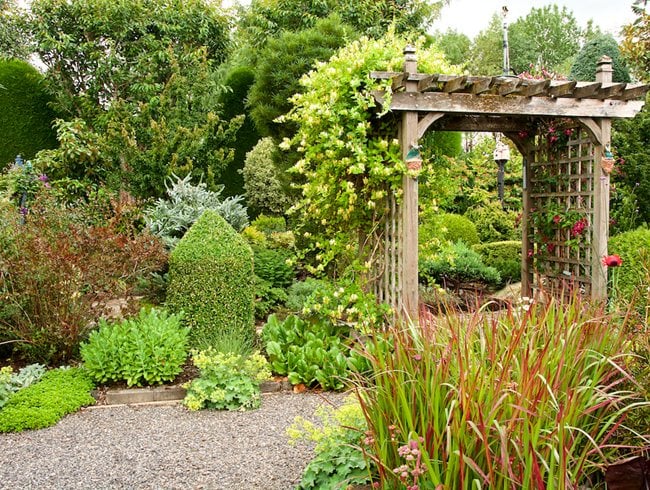
Start with hardy structure plants, then add controlled colour. For Toronto front yards, good low-maintenance choices include boxwood, yew, dwarf cedar, hydrangea, spirea, ninebark, hosta, coneflower, salvia, daylily, ornamental grasses, and black-eyed Susan. The right answer is not “plant everything.” Use fewer varieties in repeated groups so the bed looks designed and is easier to weed, prune, and water.

low maintenance front yard landscaping Toronto mulch river rock edging

2. Use Mulch, River Rock, and Clean Edging Together

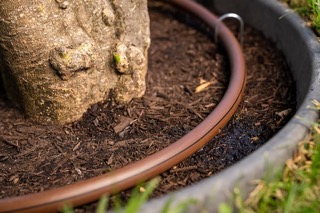
Mulch is best around living plants because it protects soil moisture and reduces weeds. River rock is better in drainage strips, side-yard runoff areas, and places where mulch washes away. Edging matters because it keeps the line clean between lawn, beds, stone, and driveway. For most Toronto homes, the best design uses mulch in planted beds, river rock in utility zones, and a crisp spade, metal, stone, or paver edge.

low maintenance front yard landscaping Toronto sod overseeding hydroseeding

3. Refresh the Lawn With Sod, Overseeding, or Hydroseeding

A front yard can have beautiful beds and still look unfinished if the lawn is thin, patchy, or full of weeds. Sod is best when you want an instant result and the existing grass is mostly dead. Overseeding is better when the lawn is thin but still alive. Hydroseeding can work for larger areas where seed coverage and erosion control matter. In Toronto, lawn success depends heavily on soil prep and watering during establishment.

low maintenance front yard landscaping Toronto driveway sealing

4. Seal the Driveway for a Cleaner Front-Yard Look

Driveway sealing is not soft landscaping, but it affects front-yard curb appeal immediately. A faded asphalt driveway can make new mulch, planting, and edging look less finished. Sealing helps darken the surface, reduce water penetration, and slow surface wear when the pavement is still in decent condition. It will not fix deep cracks, sinking, drainage problems, or a failing base. Use sealing as a finishing step after beds, lawn edges, and walkway transitions are planned.

low maintenance front yard landscaping Toronto sprinkler system installation

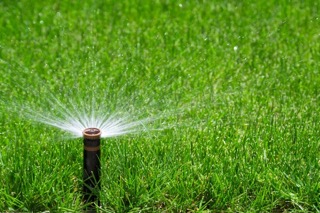
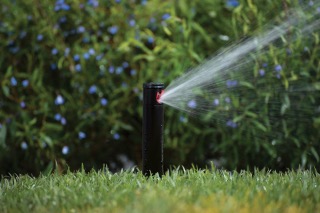
5. Add a Sprinkler System or Drip Irrigation

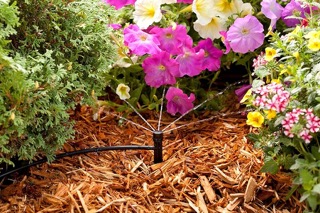
Low-maintenance landscaping still needs water. A sprinkler system is useful for lawn areas, while drip irrigation is usually better for shrubs, hedges, foundation beds, and perennial planting. The direct answer is yes, irrigation can reduce maintenance if it is zoned correctly and adjusted by plant type. Poor irrigation can waste water or overwater beds, so front-yard zones should separate lawn, shrubs, sunny beds, and shaded beds when possible.

low maintenance front yard landscaping Toronto landscape lighting installation

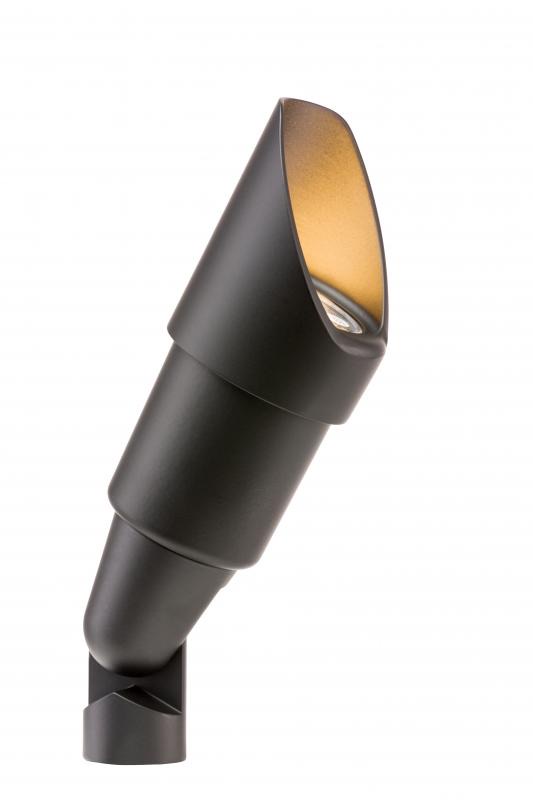
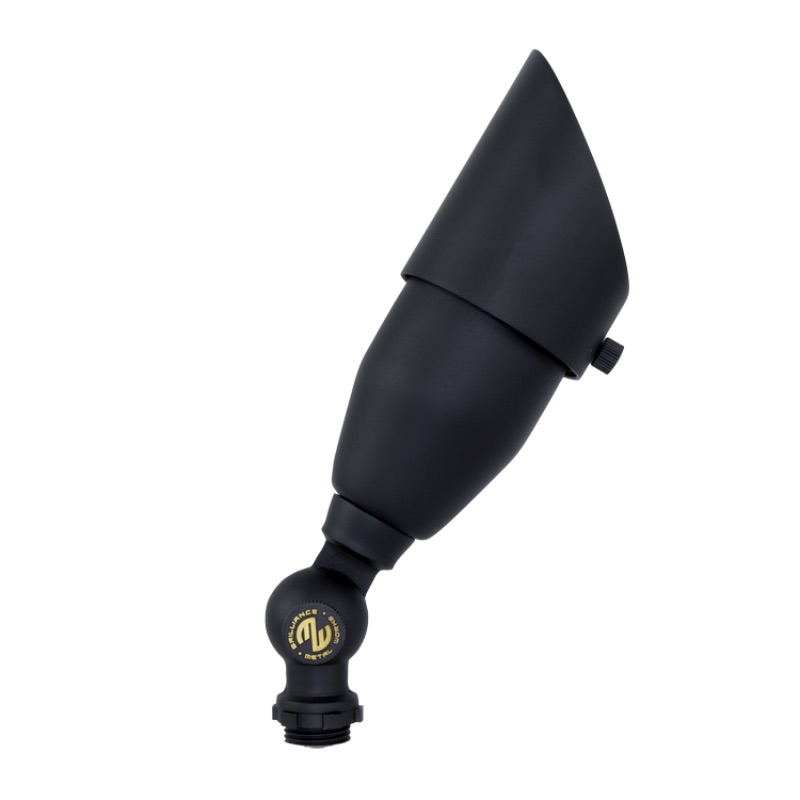
6. Install Landscape Lighting for Safety and Curb Appeal

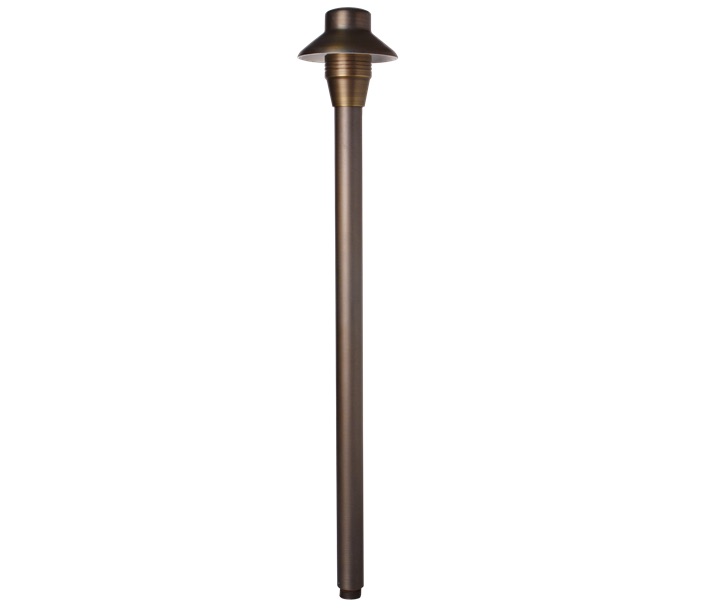
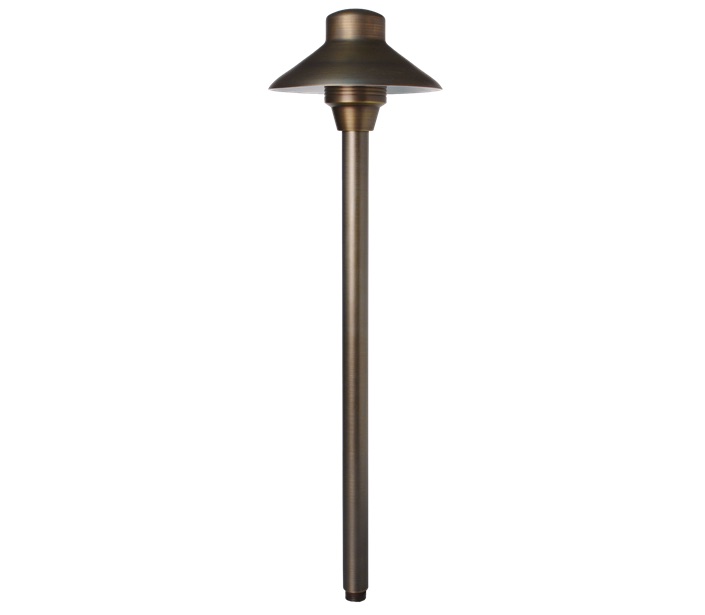
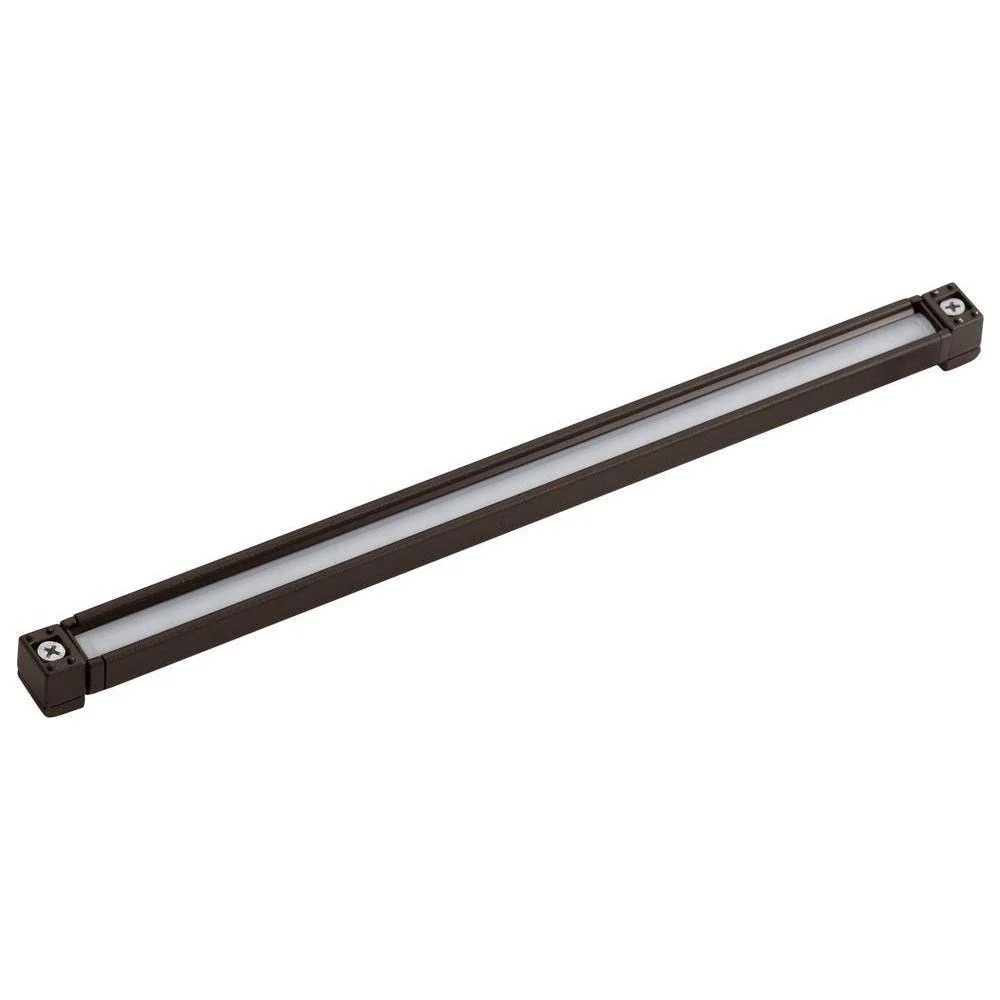
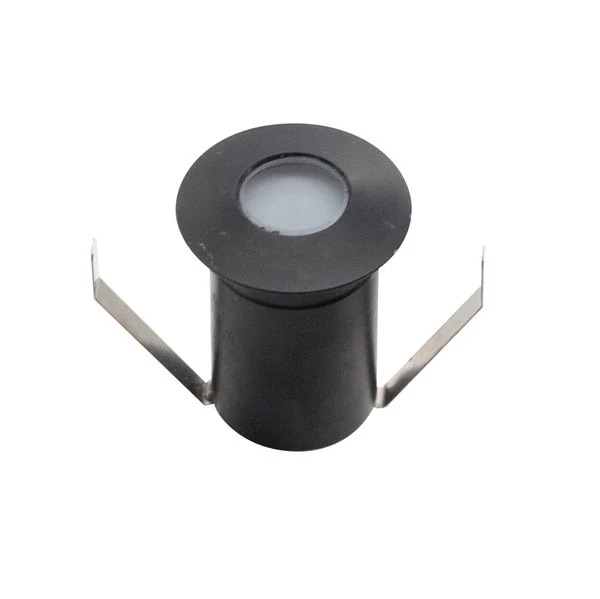
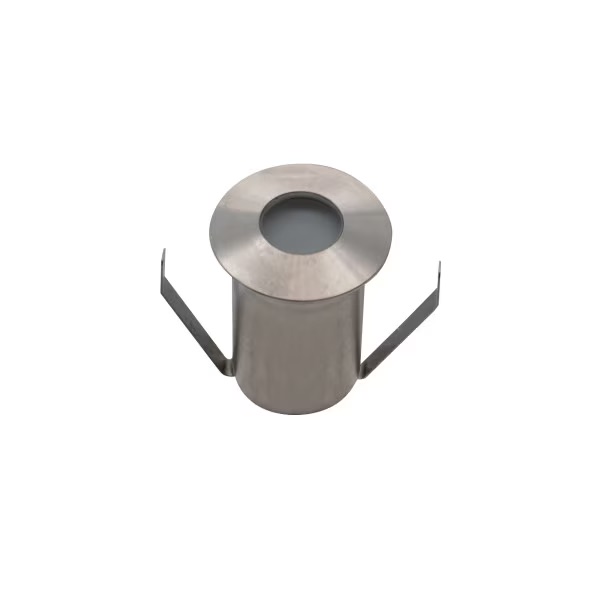
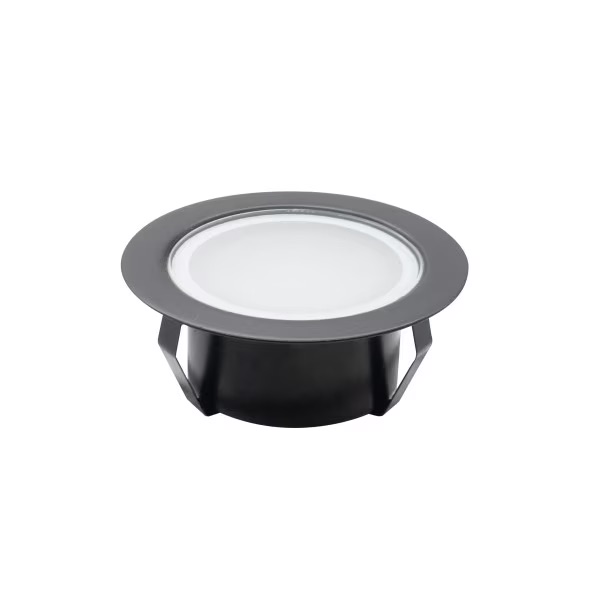
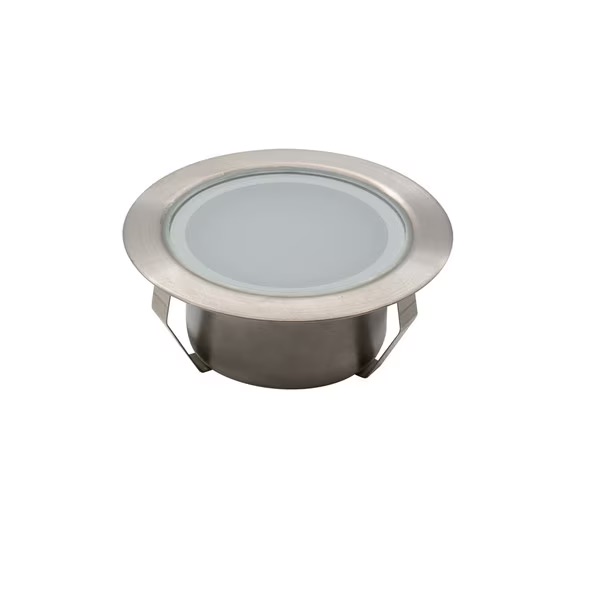
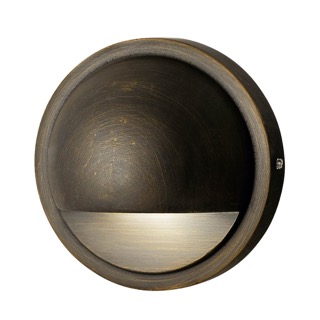
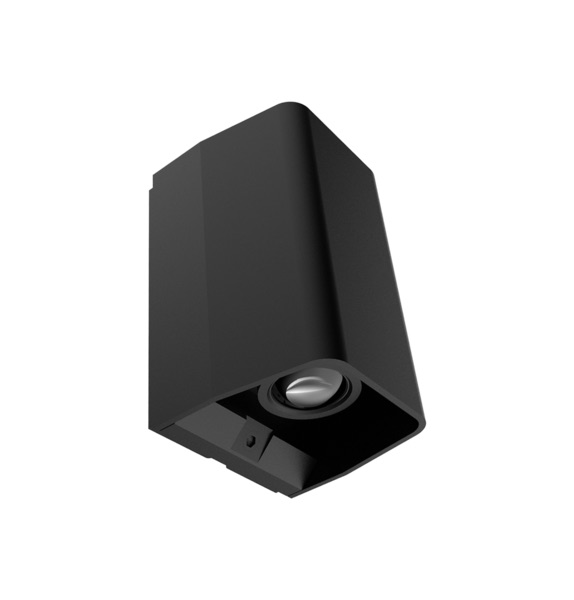
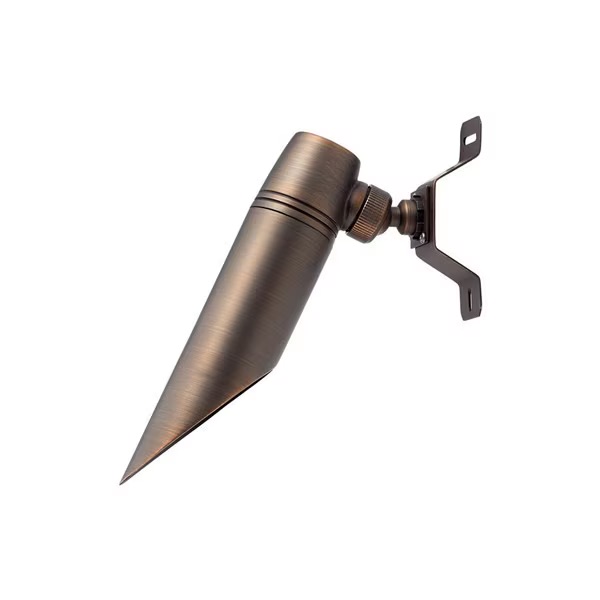
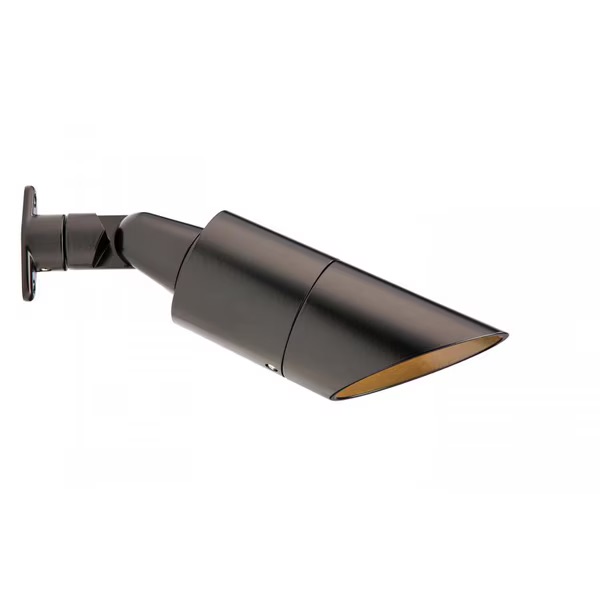
Landscape lighting makes a low-maintenance front yard look finished after dark. Use path lights for walkways, accent lights for trees or architectural plants, and small in-ground or hardscape lights where fixtures should stay subtle. The best front-yard lighting is not overly bright. It should guide people safely, highlight the best planting or stone features, and avoid glare into windows, sidewalks, and neighbours’ homes.

low maintenance front yard landscaping Toronto retaining wall installation

7. Use a Small Retaining Wall Where Grade Is the Problem

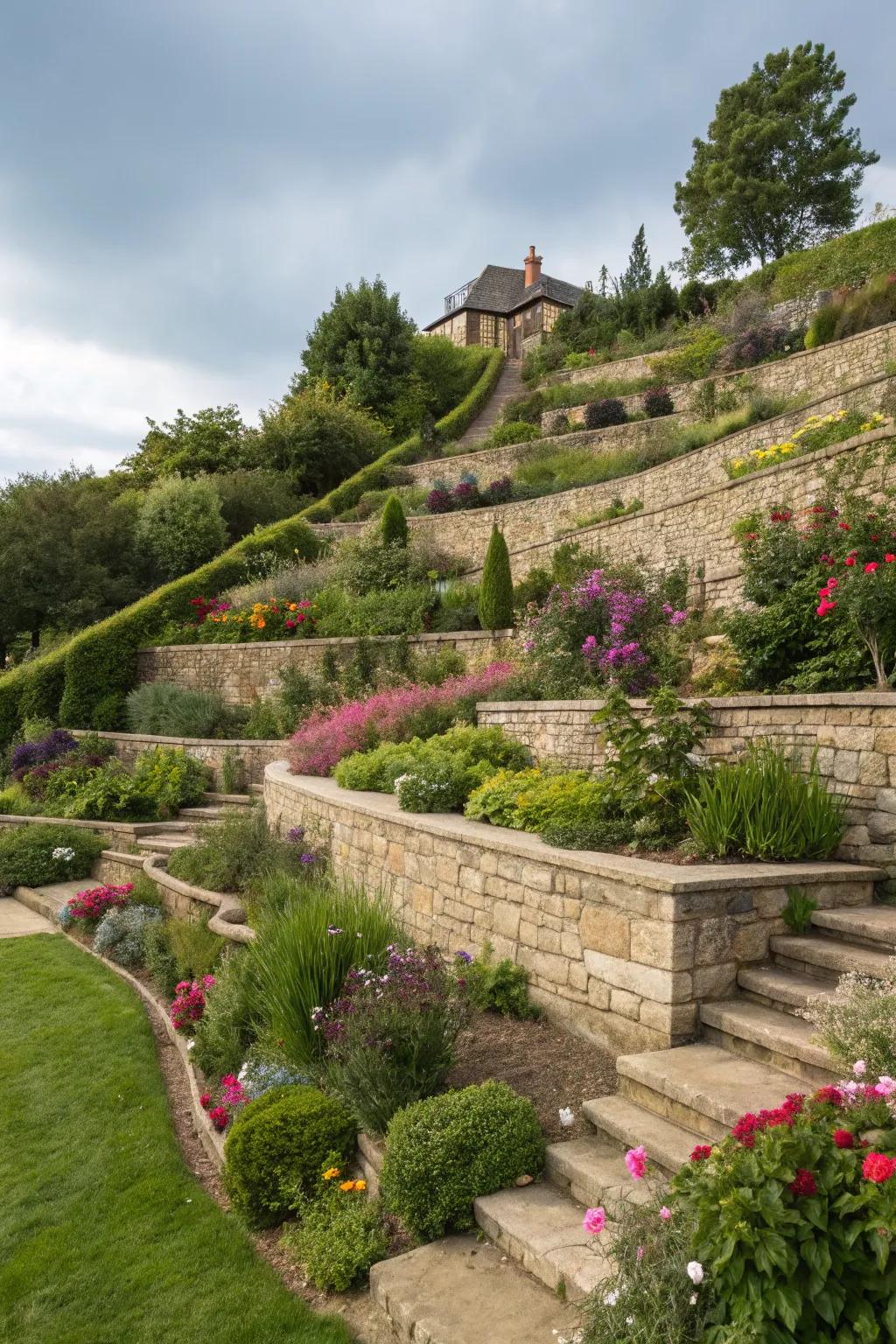
Retaining walls are useful when a front yard slopes toward the sidewalk, driveway, or house. A small wall can create level planting beds, reduce mulch washout, organize the grade, and make maintenance easier. The important answer is that a wall should not be installed only for looks if water is the real issue. Proper base, drainage stone, filter fabric, wall height, and outlet planning matter more than block colour.

8. Build Raised Flower Beds for Easier Planting

Raised flower beds are a strong option when the existing soil is compacted, the yard is small, or the homeowner wants cleaner separation from the lawn. They warm up faster in spring, improve drainage, and make planting easier to control. For front yards, raised beds should be scaled carefully so they do not block sightlines, crowd walkways, or feel too bulky beside the house. Use them for herbs, annual colour, perennials, or compact shrubs.

low maintenance front yard landscaping Toronto stepping stone walkway

9. Add a Simple Stepping Stone or Walkway Connection

A stepping stone path can reduce worn grass lines and make the front yard easier to use. It works well from driveway to side gate, sidewalk to porch, or porch to garden bed. The low-maintenance version uses stable stones, proper spacing, and gravel, mulch, or groundcover around the stones so mowing is not awkward. If the path carries daily traffic, a full interlocking walkway may be better than loose stepping stones.

low maintenance front yard landscaping Toronto annual cleanup weed control

10. Keep the Design Simple With Annual Cleanup and Weed Control

The most low-maintenance front yards are maintained before they become overgrown. Plan one spring cleanup, one mulch or bed-edge refresh, and light pruning at the correct time for the plants. Weed control is easier when beds have clear edges, mulch is kept at the right depth, and plants are spaced to fill the bed without crowding. A simple design that is maintained twice a year usually looks better than an expensive design that is ignored.

low maintenance front yard landscaping Toronto complete garden bed ideas

Best order for a front-yard upgrade

  1. Fix grading, drainage, and water direction before adding decorative materials.
  2. Choose plants based on sun, salt exposure, mature size, and watering access.
  3. Install irrigation sleeves, lighting wire, and edging before final mulch or river rock.
  4. Finish with lawn repair, driveway sealing, cleanup, and seasonal maintenance.

Plant Low-Maintenance Shrubs, Flowers, and Perennials

Start with hardy structure plants, then add controlled colour. For Toronto front yards, good low-maintenance choices include boxwood, yew, dwarf cedar, hydrangea, spirea, ninebark, hosta, coneflower, salvia, daylily, ornamental grasses, and black-eyed Susan. The right answer is not “plant everything.” Use fewer varieties in repeated groups so the bed looks designed and is easier to weed, prune, and water.

Use Mulch, River Rock, and Clean Edging Together

Mulch is best around living plants because it protects soil moisture and reduces weeds. River rock is better in drainage strips, side-yard runoff areas, and places where mulch washes away. Edging matters because it keeps the line clean between lawn, beds, stone, and driveway. For most Toronto homes, the best design uses mulch in planted beds, river rock in utility zones, and a crisp spade, metal, stone, or paver edge.

Refresh the Lawn With Sod, Overseeding, or Hydroseeding

A front yard can have beautiful beds and still look unfinished if the lawn is thin, patchy, or full of weeds. Sod is best when you want an instant result and the existing grass is mostly dead. Overseeding is better when the lawn is thin but still alive. Hydroseeding can work for larger areas where seed coverage and erosion control matter. In Toronto, lawn success depends heavily on soil prep and watering during establishment.

Seal the Driveway for a Cleaner Front-Yard Look

Driveway sealing is not soft landscaping, but it affects front-yard curb appeal immediately. A faded asphalt driveway can make new mulch, planting, and edging look less finished. Sealing helps darken the surface, reduce water penetration, and slow surface wear when the pavement is still in decent condition. It will not fix deep cracks, sinking, drainage problems, or a failing base. Use sealing as a finishing step after beds, lawn edges, and walkway transitions are planned.

Add a Sprinkler System or Drip Irrigation

Low-maintenance landscaping still needs water. A sprinkler system is useful for lawn areas, while drip irrigation is usually better for shrubs, hedges, foundation beds, and perennial planting. The direct answer is yes, irrigation can reduce maintenance if it is zoned correctly and adjusted by plant type. Poor irrigation can waste water or overwater beds, so front-yard zones should separate lawn, shrubs, sunny beds, and shaded beds when possible.

Install Landscape Lighting for Safety and Curb Appeal

Landscape lighting makes a low-maintenance front yard look finished after dark. Use path lights for walkways, accent lights for trees or architectural plants, and small in-ground or hardscape lights where fixtures should stay subtle. The best front-yard lighting is not overly bright. It should guide people safely, highlight the best planting or stone features, and avoid glare into windows, sidewalks, and neighbours’ homes.

Use a Small Retaining Wall Where Grade Is the Problem

Retaining walls are useful when a front yard slopes toward the sidewalk, driveway, or house. A small wall can create level planting beds, reduce mulch washout, organize the grade, and make maintenance easier. The important answer is that a wall should not be installed only for looks if water is the real issue. Proper base, drainage stone, filter fabric, wall height, and outlet planning matter more than block colour.

Build Raised Flower Beds for Easier Planting

Raised flower beds are a strong option when the existing soil is compacted, the yard is small, or the homeowner wants cleaner separation from the lawn. They warm up faster in spring, improve drainage, and make planting easier to control. For front yards, raised beds should be scaled carefully so they do not block sightlines, crowd walkways, or feel too bulky beside the house. Use them for herbs, annual colour, perennials, or compact shrubs.

Add a Simple Stepping Stone or Walkway Connection

A stepping stone path can reduce worn grass lines and make the front yard easier to use. It works well from driveway to side gate, sidewalk to porch, or porch to garden bed. The low-maintenance version uses stable stones, proper spacing, and gravel, mulch, or groundcover around the stones so mowing is not awkward. If the path carries daily traffic, a full interlocking walkway may be better than loose stepping stones.

Keep the Design Simple With Annual Cleanup and Weed Control

The most low-maintenance front yards are maintained before they become overgrown. Plan one spring cleanup, one mulch or bed-edge refresh, and light pruning at the correct time for the plants. Weed control is easier when beds have clear edges, mulch is kept at the right depth, and plants are spaced to fill the bed without crowding. A simple design that is maintained twice a year usually looks better than an expensive design that is ignored.
Build the Front Yard as One System

The best low-maintenance front yard combines planting, mulch, edging, lawn repair, irrigation, lighting, and practical hardscape fixes in the right order.

Landscaping Services Planting Services Irrigation Services Outdoor Lighting