
Compare by area
The best material depends on whether the area is a planting bed, drainage strip, or decorative border.



















Mulch vs River Rock Around House Which Is Better for Toronto Landscaping? is a specific soft-landscaping question for Toronto homeowners, not a generic yard-care topic. The right answer depends on bed size, soil condition, weeds, plant health, mulch depth, edging, cleanup level, watering access, disposal, and how the bed connects to the rest of the property.
Mulch is usually better around shrubs, perennials, and foundation planting because it improves the bed visually, protects soil moisture, and slowly breaks down into organic matter. River rock is usually better for drainage strips, splash zones, narrow side yards, and places where mulch washes away. The direct answer for Toronto homes is: use mulch in living planting beds and river rock in utility or drainage areas. Around a foundation, neither material fixes grading by itself. If water is moving toward the house, the slope and drainage need to be corrected first.
| Scope | Typical Cost or Rule | What It Usually Means |
|---|---|---|
| Mulch beds | $3-$8/sq ft installed | Best for shrubs, perennials, flowers, and curb appeal. |
| River rock zones | $8-$18/sq ft installed | Best for drainage strips, low-maintenance borders, and splash areas. |
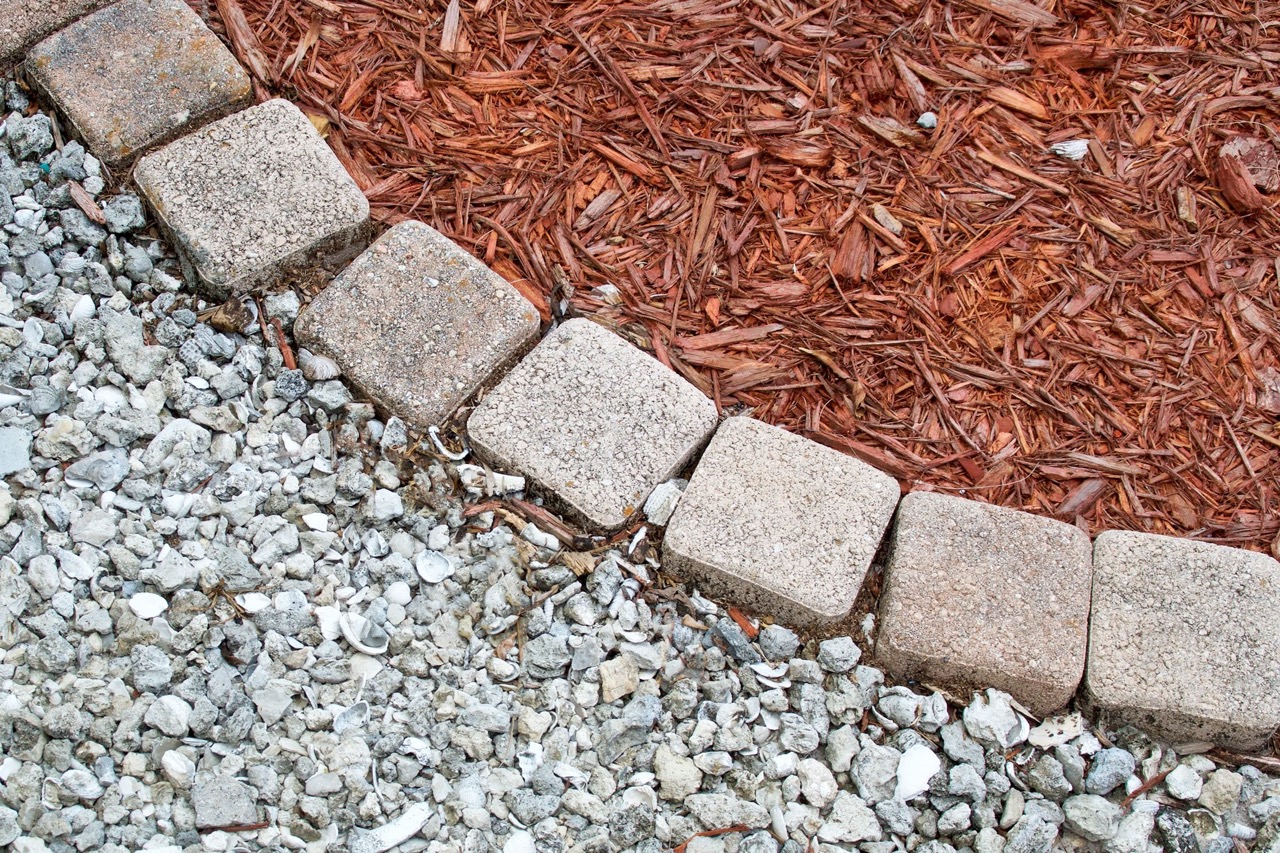
| Hybrid design | Varies by layout | Mulch for plants, river rock near downspouts or hard-to-maintain strips. |
Use this quick visual to see what usually changes the scope, price, or maintenance level.
A good soft-landscaping job starts with the bed conditions, not only the final material.
The best material depends on whether the area is a planting bed, drainage strip, or decorative border.
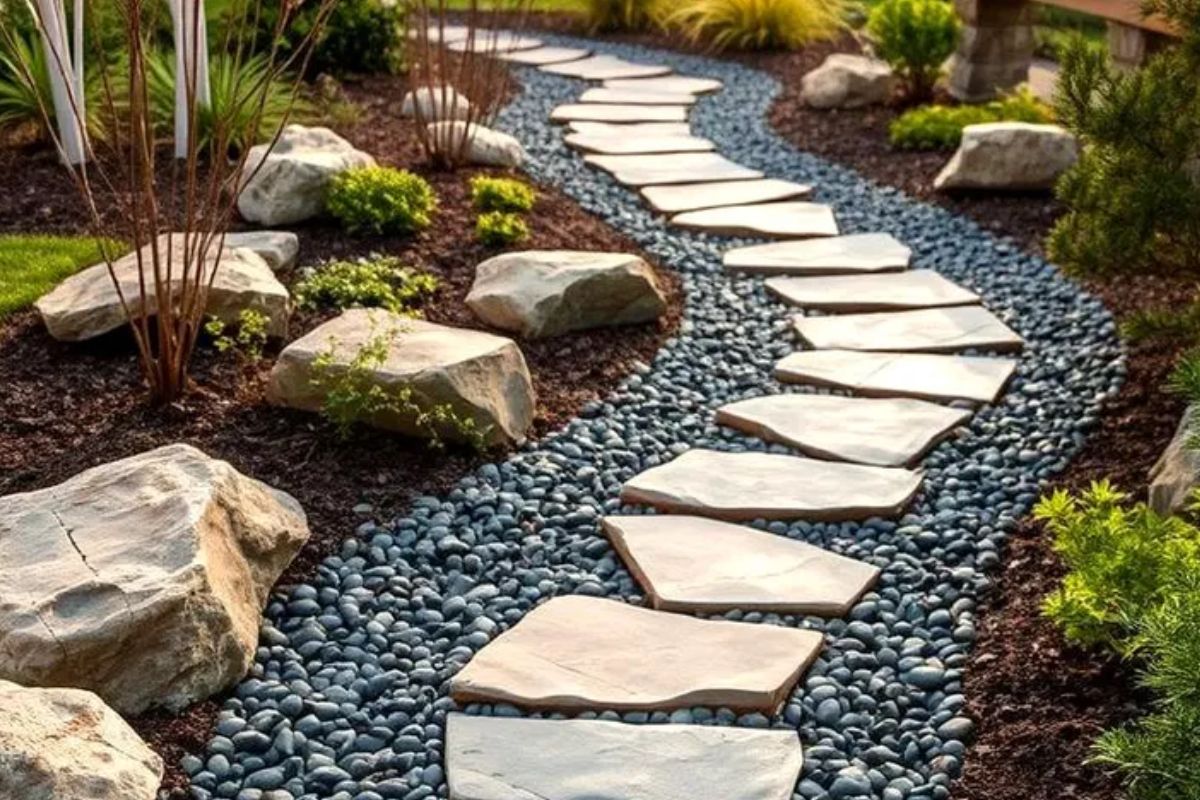
Stone lasts longer in splash zones and areas where organic mulch blows or washes away.
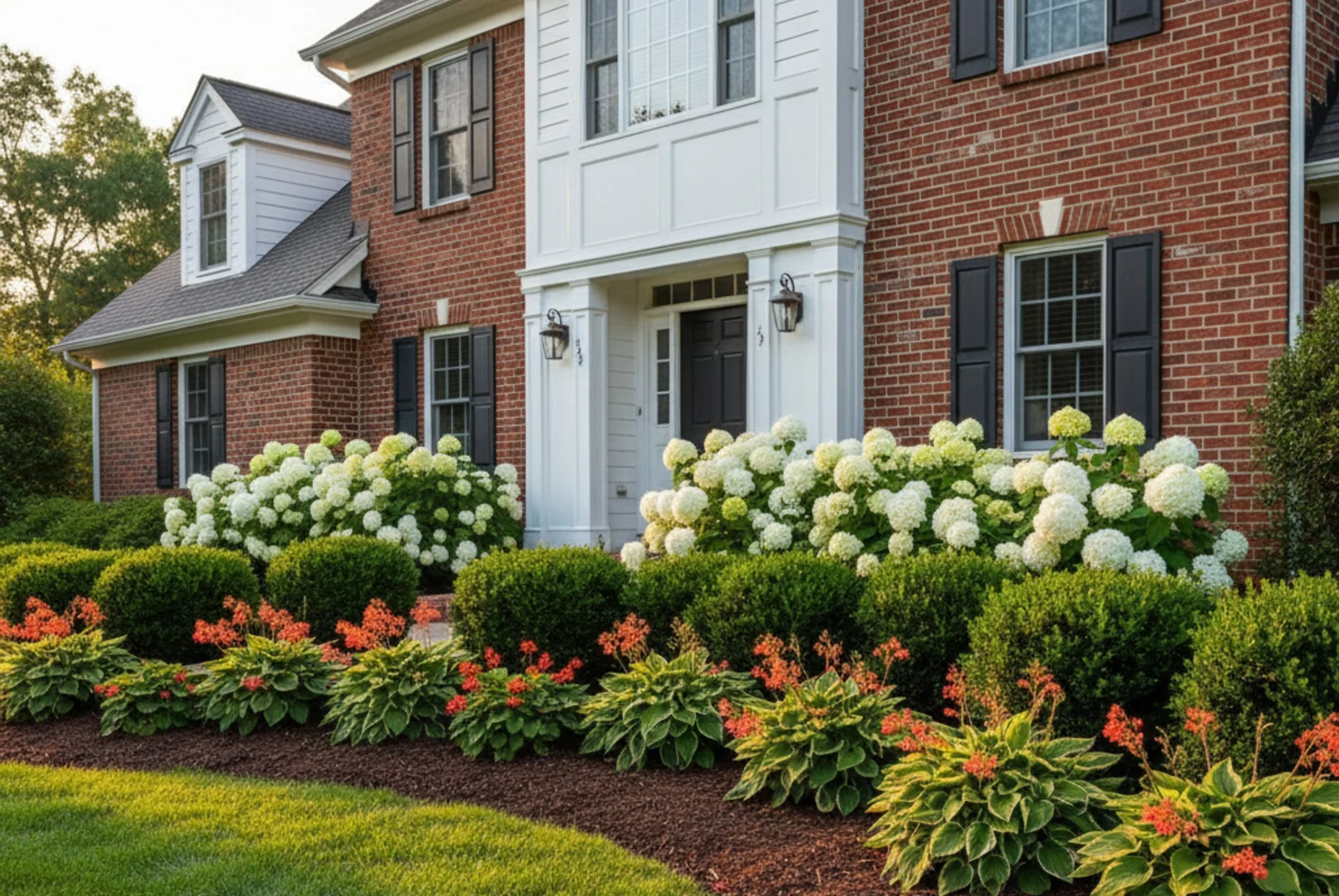
Shrubs and perennials usually perform better when the soil can breathe and organic matter returns.
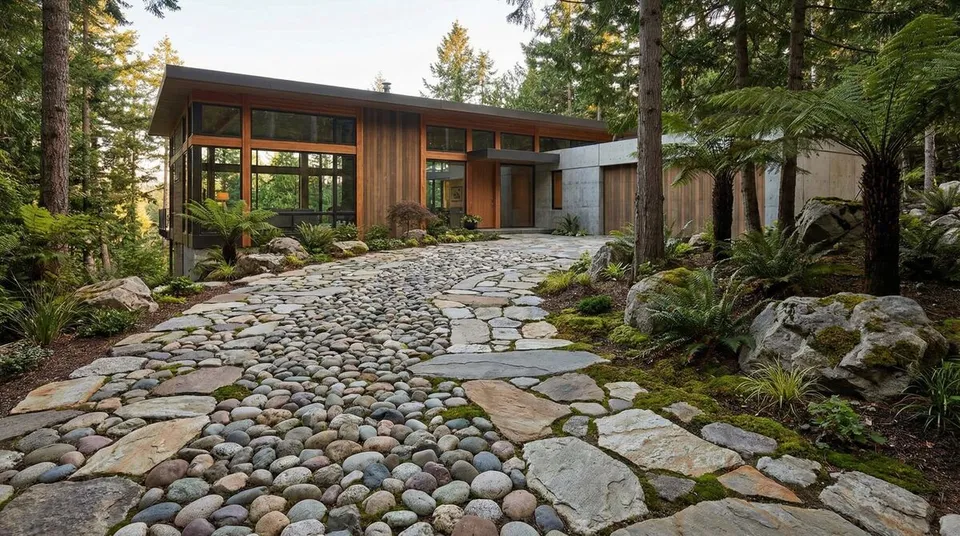
Rock can look clean, but it should not be used to disguise water moving toward the foundation.
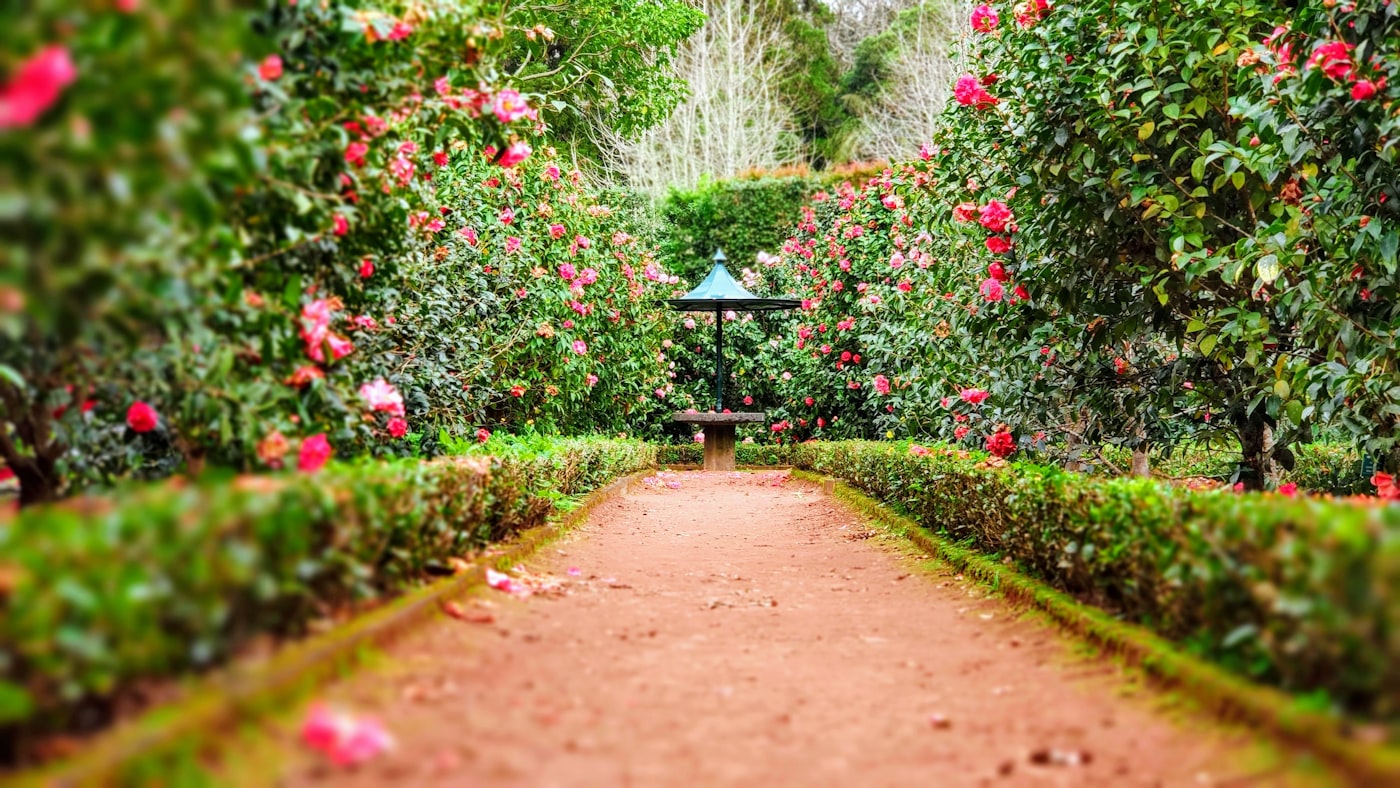
No material stops weeds completely. River rock can reduce soil disturbance and does not decompose, but weed seeds can still germinate in dust, leaves, and organic debris that collect between stones. Mulch also suppresses many annual weeds when installed at 2 to 3 inches, but it breaks down and needs refreshing. The factual answer is that weed control depends more on bed preparation, edging, and ongoing maintenance than on choosing rock or mulch alone.
Yes, river rock can be safe beside a foundation when grading is correct and water drains away from the house. It is often useful below downspouts, under roof drip lines, and beside narrow walkways. But river rock does not solve negative slope, clogged window wells, poor downspout extensions, or compacted clay. If the soil slopes toward the foundation, rock may make the area look finished while the water problem remains underneath.
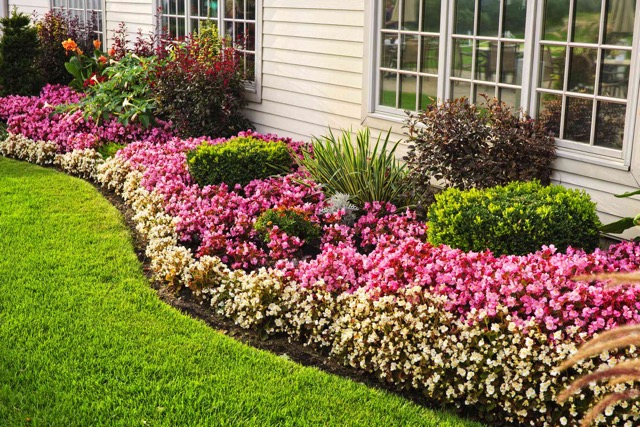
Mulch usually looks warmer and better for curb appeal when the goal is a planted front yard with shrubs, perennials, and flowers. River rock looks cleaner and more architectural when used in narrow strips, modern beds, or drainage zones. The best Toronto front yards often use both: mulch where plants need moisture and root protection, and river rock where water movement, salt exposure, or tight access makes mulch messy.
For most Toronto homes, better results come from combining cleanup, bed preparation, edging, mulch, planting, and watering into one clear plan instead of treating each item separately.
Landscaping Services Mulch and Gravel Installation Planting Services