What Is the Main Difference Between an Overwatered Lawn and Underwatered Grass?
An overwatered lawn usually has too much moisture sitting around the roots, which reduces oxygen and can lead to shallow roots, fungus, soft soil, and thinning turf. Underwatered grass dries out because the root zone is not receiving enough moisture, often causing dull colour, curled blades, footprints that stay visible, and brown patches. Both problems can look similar from a distance, so the best diagnosis starts with checking soil moisture, drainage, and your watering schedule.
What Are the Most Common Signs of an Overwatered Lawn?
Common signs of an overwatered lawn include squishy soil, puddles, runoff, mushroom growth, algae, yellowing grass, and a musty smell. You may also notice weeds that like wet soil, more lawn disease, or grass that pulls up easily because roots are weak. If water is pooling after normal irrigation or rainfall, the issue may involve grading, compacted soil, or drainage, not just watering time.
What Are the Most Common Signs of Underwatered Grass?
Underwatered grass often looks blue-green, greyish, brittle, curled, or straw-coloured. One simple sign is the footprint test: if footprints remain visible after walking across the lawn, the grass may be lacking moisture. Dry soil, slow growth, crispy edges, and widening brown patches are also common. In hot GTA summers, underwatered grass can decline quickly on sunny slopes, boulevards, and compacted areas near driveways or walkways.
How Much Water Does a Healthy Lawn Usually Need?
Many established lawns perform best with about 1 to 1.5 inches of water per week, including rainfall, but soil type, sun exposure, slope, turf condition, and temperature all matter. Clay soil may hold moisture longer, while sandy or compacted soil can dry unevenly. A practical goal is to water deeply enough to moisten the root zone, then allow the surface to dry before watering again.
When Is the Best Time of Day to Water Grass?
The best time to water grass is usually early morning, before the heat of the day and before wind increases evaporation. Morning watering gives moisture time to reach the roots while allowing the blades to dry during daylight. Evening watering can sometimes leave grass wet for too long overnight, which may increase disease pressure, especially when the lawn is already dense, shaded, or overwatered.
Can a Sprinkler System Cause Overwatering?
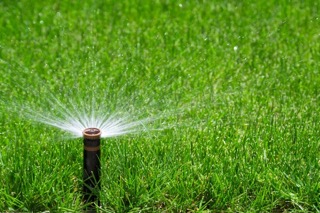
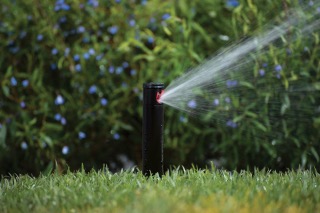
Yes. A sprinkler system can overwater if zones run too long, heads overlap too heavily, nozzles are mismatched, rain sensors are not working, or the controller schedule is not adjusted seasonally. A professional sprinkler system service in Toronto can check coverage, pressure, controller settings, damaged heads, and sensor performance so the lawn receives more even watering.
What Should You Do If Your Lawn Stays Wet for Too Long?
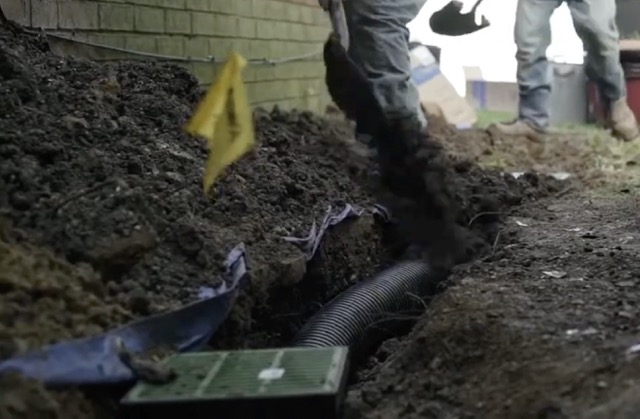
If your lawn stays wet for more than a day or two after irrigation or rainfall, reduce watering first and inspect the area for poor drainage. Persistent wet spots can be caused by compacted soil, low grading, downspout discharge, heavy clay, or irrigation leaks. In problem areas, drainage work such as a French drain system may help move excess water away from the lawn and root zone.
What Should You Do If Your Grass Is Too Dry?
If grass is too dry, water deeply and less frequently rather than giving it short daily watering. Short watering often keeps roots near the surface, making turf less resilient during heat. Check that water is actually reaching dry zones, especially along edges, corners, and narrow strips. If dry patches follow a sprinkler pattern, the issue may be coverage. If the soil is poor or compacted, landscaping improvements may help improve grading, soil depth, and long-term lawn health.
When Does a Lawn Need Sod Repair Instead of More Water?
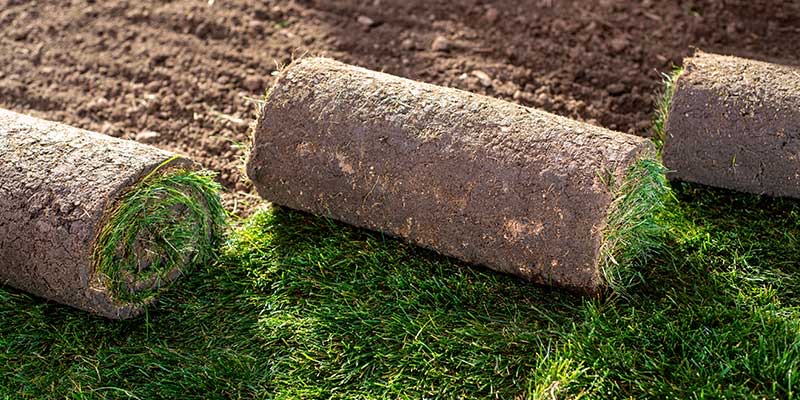
A lawn may need sod repair when grass has died back completely, roots are gone, soil is exposed, or weeds have taken over damaged patches. Water can help stressed turf recover, but it cannot revive dead grass. If the lawn has widespread bare areas, uneven soil, or old turf that no longer fills in, reviewing sod installation cost can help compare repair options against ongoing patching and reseeding.
How Can Planting Beds Affect Lawn Watering?
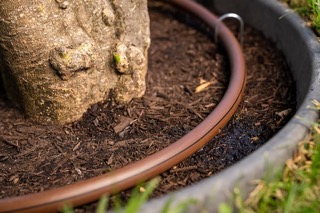
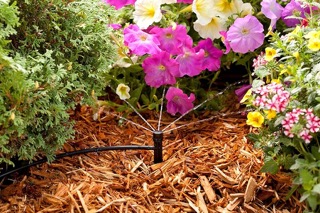
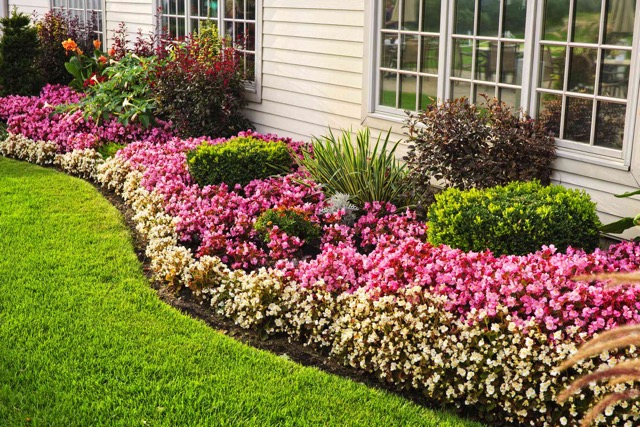
Planting beds, trees, and hedges can change how water moves through a yard. Dense roots may compete with grass for moisture, while shaded beds may stay wet longer than open lawn areas. New plants also need different watering than established turf. If your lawn borders garden beds or hedges, professional planting services in Toronto can help plan spacing, soil, mulch, and irrigation zones so grass and plants are not fighting the same watering schedule.