













Water Pooling Beside Foundation After Rain:
Drainage Fixes for Toronto Homes
Water pooling beside a foundation is a high-priority drainage problem because it can saturate basement walls, overload weeping tile, enter window wells, and freeze along walkways. The cause is usually reverse grade, short downspouts, compacted soil, settlement near the wall, or a blocked pipe. The correct fix is to move water away from the house using grading, solid pipe, French drainage, or foundation-side drainage planning.
Clear Answer for Toronto Homeowners
Water pooling beside a foundation is a high-priority drainage problem because it can saturate basement walls, overload weeping tile, enter window wells, and freeze along walkways. The cause is usually reverse grade, short downspouts, compacted soil, settlement near the wall, or a blocked pipe. The correct fix is to move water away from the house using grading, solid pipe, French drainage, or foundation-side drainage planning.
Factual Answers About water pooling beside foundation
Is water pooling beside a foundation serious?
Yes, water pooling beside a foundation is serious because it keeps soil saturated against basement walls. That can increase hydrostatic pressure, overload weeping tile, enter cracks, fill window wells, and create winter ice hazards. The certain answer is that water should be moved away before it becomes a basement problem. Grading, downspout routing, French drainage, and weeping tile planning are common fixes.
What causes water to pool beside the house?
The usual causes are reverse grading, settled soil, short downspouts, compacted clay, blocked buried pipes, or hardscape that slopes toward the wall. Toronto lots often have narrow side yards where fences, paths, and patios trap water against the foundation. A proper repair starts by correcting the water source and slope, then adding pipe or drainage storage if gravity alone cannot solve it.
Will adding soil beside the foundation fix it?
Sometimes, but only if the issue is shallow settlement and the new soil creates a stable slope away from the house. Adding soil over clay without compaction, drainage, or downspout correction can hide the problem temporarily while water still moves underneath. If water returns after each storm, the yard likely needs a drain route, not just more soil.
Why does this matter locally?
Toronto notes that basement flooding protection subsidies can include backwater valves, sump pumps, battery backup, and foundation drain work, with the expanded 2026 program listing up to $6,650 per eligible property, including sump pump and backwater valve categories. The City also reported that heavy rainfall events in July and August 2024 caused basement flooding in more than 1,000 homes. That is why small yard drainage symptoms should be treated as early warning signs, especially when water reaches the foundation, window wells, basement walls, patios, or sump pump discharge areas. For homeowners, the useful takeaway is direct: exterior drainage, sump discharge, downspout routing, grading, and foundation-side water control should be planned together. A visible yard puddle can be a landscape issue, but when it connects to the house it becomes a basement flooding risk.
Correct the slope
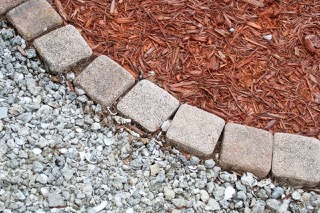
Soil should fall away from the foundation instead of creating a trough beside the wall.
Use this as a field check: if this symptom matches your yard after the next rain, this is the first repair path to price before digging randomly.
What the Problem Usually Looks Like
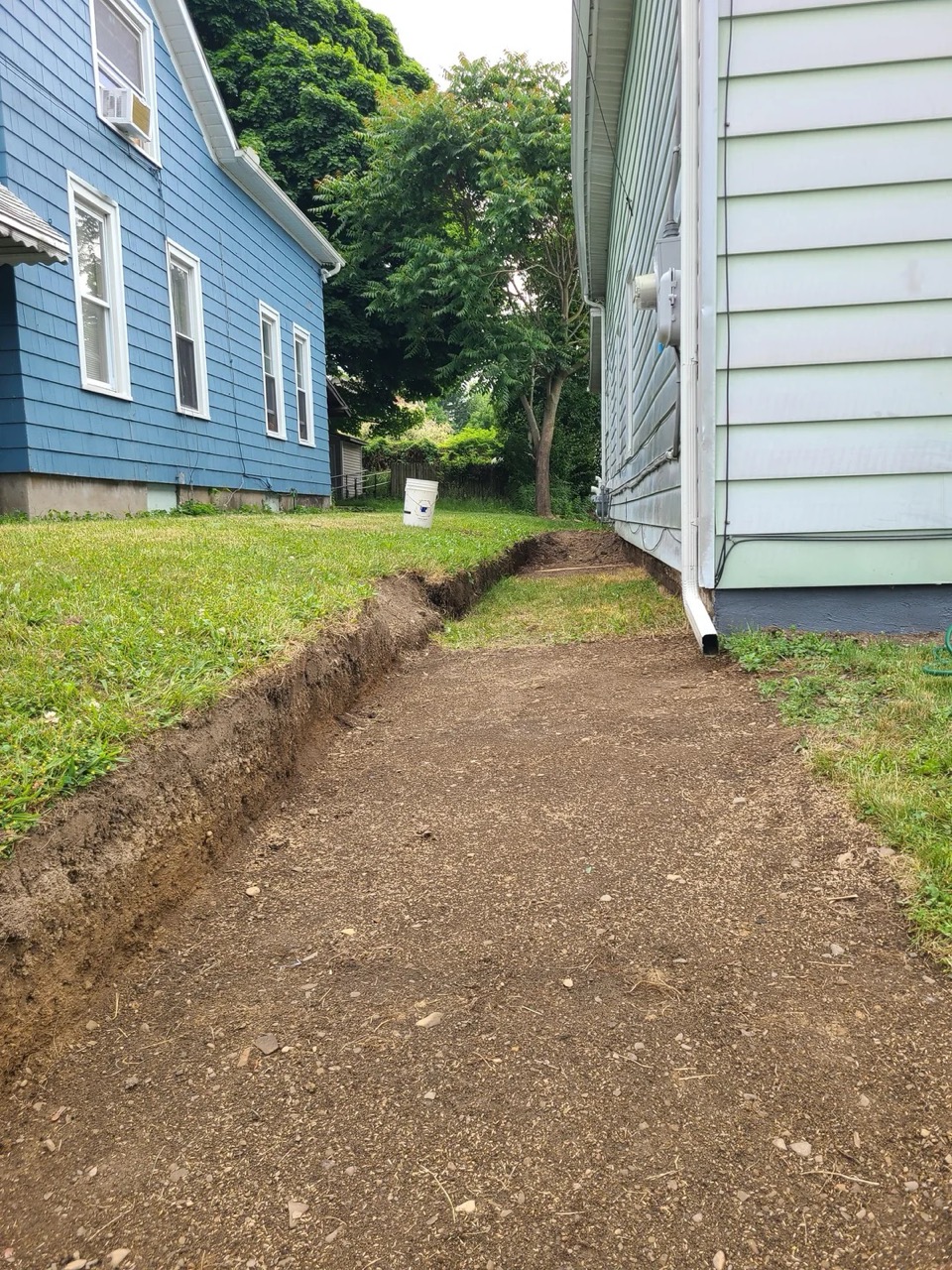
Correct the slope
Soil should fall away from the foundation instead of creating a trough beside the wall.
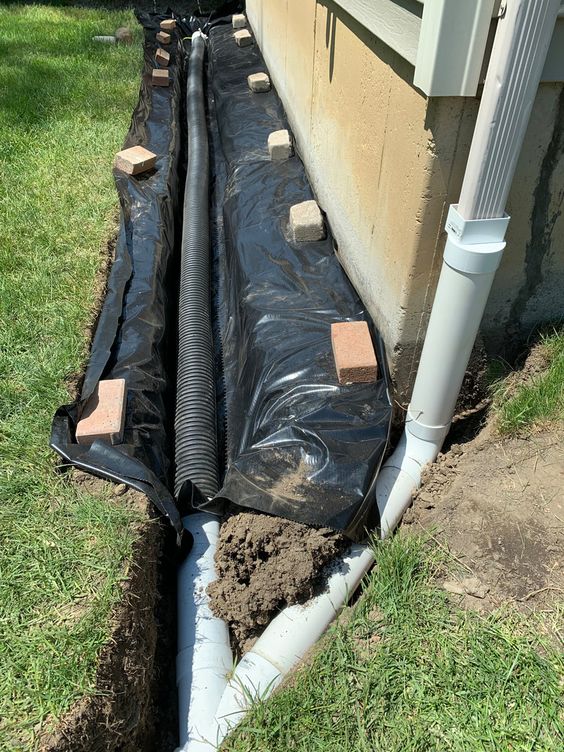
Move roof water
Downspouts are often the biggest water source beside Toronto foundations.
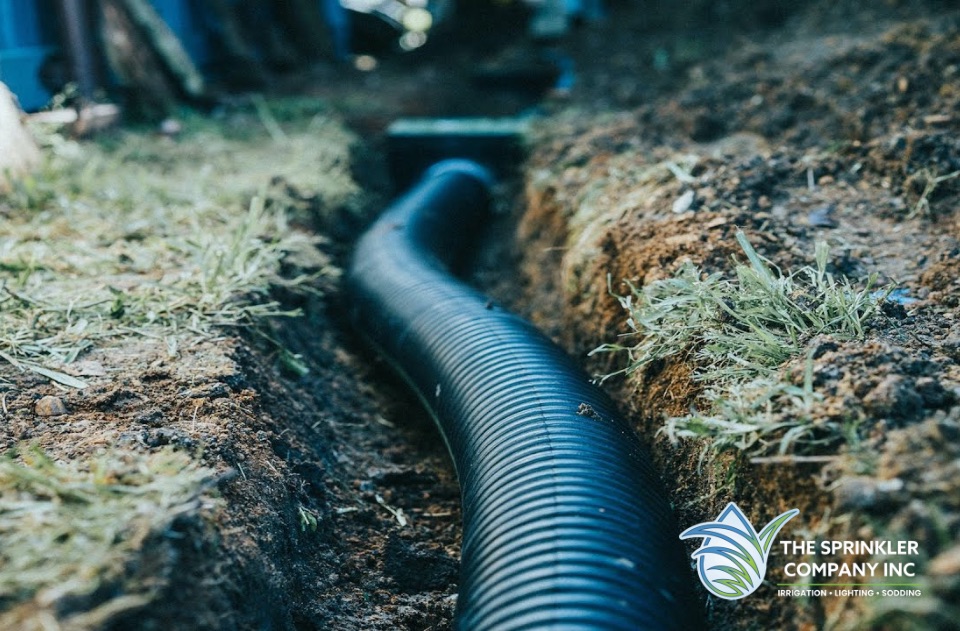
Use drainage pipe
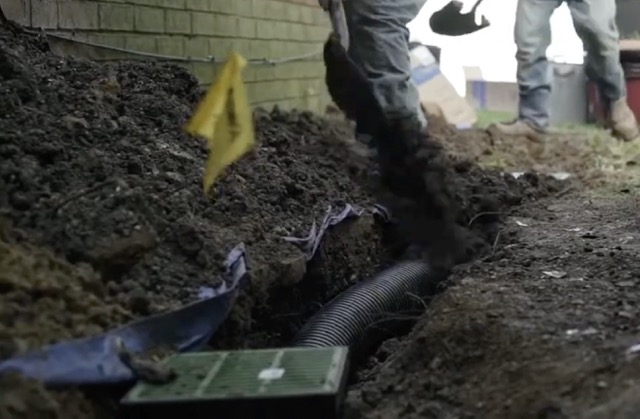
A solid pipe or French drain route may be needed when grading alone cannot move water.
Tap Each Sign That Matches Your Yard
Puddles touch foundation wall
Water appears after roof runoff
Basement feels damp after storms
What this means
Select the signs above. If one sign matches, start with the source of water. If two signs match, pricing a drain route makes sense. If all three match, the yard likely needs a real drainage system with grading, pipe, stone, and a safe outlet.
Typical Toronto/GTA Drainage Cost Ranges
| Repair | Common Range | Best Fit |
|---|---|---|
| Soil regrading | $1,500-$6,000+ | Surface slope repair |
| Downspout routing | $850-$3,500+ | Roof runoff control |
| Weeping tile or drain work | $5,000+ | Foundation-side water issues |
Homeowners Also Ask
What is the most likely cause of water pooling beside foundation?
The most likely cause depends on where the water starts, where it sits, and how long it remains after rain. In Toronto and the GTA, repeat drainage issues usually come from compacted clay soil, reverse grade, short downspouts, blocked pipe outlets, old buried drains, settlement near patios or foundations, or no safe outlet. A good diagnosis happens during rain or immediately after rain, because dry-weather inspection often hides the real water path.
Can this be fixed without digging up the whole yard?
Yes, some drainage problems can be fixed with a shorter repair, but only when the source and outlet are clear. A downspout extension, pop-up emitter, small catch basin, or short solid pipe may solve a localized issue. Larger problems need French drainage, regrading, dry wells, gravel wells, or a combined system. The right repair should move water to a safe location instead of pushing the puddle into another part of the yard.
When should I call a drainage contractor in Toronto?
Call a drainage contractor when water stays longer than 24 hours, reaches the foundation, floods a low lawn area, freezes on a walkway or driveway, returns after every storm, or comes from sump pump discharge. These are serious lead-quality problems because water can damage sod, planting beds, patios, fence posts, basement walls, and winter safety. A contractor can confirm slope, soil, discharge options, utilities, and the best drainage system.
Related Drainage Services and Guides
If this problem keeps coming back, the yard needs a drainage plan, not another temporary patch. The Sprinkler Company can connect French drainage, gravel wells, sump pump discharge routing, catch basins, grading, landscaping, sod restoration, and irrigation services into one clean Toronto/GTA installation.