Commercial irrigation systems are aimed at providing highly efficient and evenly spaced watering to big areas like condos, office buildings, plazas, and commercial real estate. These systems, unlike residential ones, are capable of handling greater water demand, several zones, and sophisticated controls- thus they allow property managers to easily maintain a great landscape while also having the capability of controlling water usage and saving on water expenses in the long run.
What Is a Commercial Irrigation System and How Does It Work?
A commercial irrigation system refers to a professionally engineered watering setup that is capable of covering large properties such as office buildings, condominium complexes, shopping malls, schools, and industrial complexes. It evenly waters the outdoor areas of such large spaces by using a variety of components, including underground piping, control valves, sprinkler heads, drip lines, and centralized controllers. Commercial irrigation systems can withstand higher water pressures, multiple zones (typically 10–50+ zones), and longer run times without experiencing pressure loss compared to residential ones. In order to save water, electrically controlled valves are used to regulate water flow from the municipal line or a dedicated pump, and these valves are opened and closed according to a scheduled program. Smart commercial controllers are capable of making water-redirection decisions automatically based on temperature readings, soil moisture, and variations in water demand throughout the year, which results in a significant decrease in water consumption by up to 30–50%. Sprinkler heads such as rotors, high-efficiency nozzles, and drip emitters are chosen according to the size of the turf, type of plants, and spacing requirements. When commercial irrigation systems are designed correctly, they not only enhance the health of the plants but they also satisfy the requirements of the building code and greatly diminish the quantity of water wastage and thus the operating costs.
What Is the Difference Between Residential and Commercial Irrigation Systems?
The distinction between residential and commercial irrigation systems is basically the size, water needs, and engineering standards. A typical residential irrigation system serves a property up to about 10,000 sq. ft., uses 4-10 zones, and has 3/4″-1″ piping. Residential systems generally water 10,000 to 20,000 gallons of water per month during the peak season and they are equipped with simple timers with very little monitoring.
Commercial irrigation systems, on the other hand, are tailored for properties over 20,000 sq.ft. and can be seen to have 15-60+ zones, 1.5″-3″ mainlines as well as commercial-grade electric valves. A large commercial site without water efficiency control measures can use up to 100,000-500,000+ gallons of water per month. Smart commercial controllers, flow sensors, and pressure regulation can lead to water savings of 30-50% and at the same time, prevent line failures and flooding. Commercial systems also need hydraulic calculations, backflow prevention, and municipal compliance. Because of the higher pressure, longer runtimes, and continuous operation, commercial irrigation components are designed for 2-3 times longer service life than residential-grade equipment.
How Much Does a Commercial Irrigation System Cost in Canada?
It can be challenging to get a firm granite on the price of a commercial irrigation system in Canada as it can vary widely based on factors such as the size of the property, the complexity of the landscaping, the existing water infrastructure, the zoning regulations, and the sophistication of the controllers. Typically, basic commercial irrigation systems for small properties, such as small business complexes or multi-unit townhomes, start at around $8,000–$15,000 and can go up to $50,000–$120,000+ for large commercial sites, such as plazas, industrial parks, or condo complexes.
The most important factors that affect the costs are:
Size of property – the systems are usually priced per acre or by total square footage (e.g., $2,000–$10,000 per acre).
The amount of zones – commercial properties normally need 15–60 zones, and each zone adds to the labor and material costs.
Water supply upgrades – new backflow preventers, booster pumps, and pressure regulators can add $1,500 to $10,000.
Controllers & automation – smart controllers with weather sensors or flow monitoring add $300–$1,500 per controller.
Drainage integration – linking irrigation to drainage systems can raise the overall project costs.
Maintenance and seasonal services (e.g., winterization) are generally around $500–$2,000 annually depending on the size of the system.
Commercial Irrigation Cost Estimates (Canada)
Component / Service
Typical Cost (CAD)
Small System (under 0.5 acre)
$8,000 – $15,000
Mid-Size Property (0.5–2 acres)
$15,000 – $50,000
Large Commercial Site (2+ acres)
$50,000 – $120,000+
Additional Zones (each)
$250 – $800
Smart Controller
$300 – $1,500
Backflow Prevention
$800 – $3,000
Booster Pump
$1,500 – $10,000
Annual Service / Winterization
$500 – $2,000
What Factors Affect the Cost of a Commercial Irrigation System?
A commercial irrigation system’s cost varies due to technical, site-specific, and regulatory factors. One main factor is property size – large landscapes obviously use more piping, sprinkler heads, and zones, so both material and labour costs will go up. Commercial properties usually need 15–60+ irrigation zones while residential systems often have less than 10.
Water supply and pressure are two other major factors. If a site has low pressure, it may be necessary to use booster pumps, pressure regulation, or bigger mainlines, which could add $1,500–$10,000 to the project. Soil type and grading determine how easy it will be to dig trenches; clay soil, slopes, and the presence of hardscapes will increase the installation time and the need for equipment.
The level of system design complexity also influences the price. Incorporating smart controllers, flow sensors, weather-based automation, and master valves can increase the initial cost by 20–40% but these features usually lower the water consumption by 30–50% in the long run. Municipal demands – such as backflow prevention, permits and inspections – are additional costs as well. Besides that, the type of landscape comes into play: irrigation of turf is typically less expensive than a system that mixes lawns, flower beds, trees, and drip irrigation.
How Long Does Commercial Irrigation System Installation Take?
The installation period of a commercial irrigation system mainly depends on the property size, system complexity, soil conditions, and if permits are required. Usually, small commercial properties under 0.5 acres can be finished within 3-5 business days, whereas mid-sized sites between 0.5-2 acres generally require 1-3 weeks. Commercial properties of a large size such as plazas, office parks, or condominium complexes can take 3-6 weeks or even longer.
The main points that have an impact on the installation duration are trenching length, number of zones, presence of hardscape obstacles, coordination with other trades, and municipal inspections. The weather can be a determining factor in the schedules, especially in Canada when rain or frozen ground may cause delays. Furthermore, systems incorporating booster pumps, backflow preventers, or smart controllers involve extra installation and testing time.
A well-organized installation by a professional covers pressure testing, zone calibration, controller programming, and final walkthroughs to verify proper coverage and compliance.
Commercial Irrigation Installation Timeline
Property Size
Typical Duration
Under 0.5 acre
3–5 days
0.5–2 acres
1–3 weeks
2–5 acres
3–5 weeks
5+ acres
5–8+ weeks
How Many Zones Does a Commercial Irrigation System Need?
The number of zones in a commercial irrigation system is mainly dictated by the size of the landscape, types of plants, water pressure and the hydraulic capacity. A zone is a group of sprinkler heads or drip lines that are controlled by one single valve. Residential systems normally have 4 to 10 zones whereas commercial systems generally demand 15 to 60+ zones.
Each zone should be able to supply water to the area with the water requirement of the plants. Turf, flower beds, shrubs, trees, and drip irrigation all need to be separated so that areas will not be overwatered or underwatered. Besides that, large properties also need zoning so that pressure loss can be controlled and uniform coverage can be achieved over long pipe runs.
Inadequate zoning may result in an increase of water usage by 20-40% as well as an uneven growth in plants or even the breakdown of the system. Smart commercial controllers enable you to precisely set a schedule for each zone which in turn results in a more efficient operation and lower operating costs.
Typical Zone Counts by Property Type
Property Type
Average Zones
Small plaza
10–20
Office building
15–30
Condo complex
25–50
Industrial site
30–60+
What Are the Best Sprinkler Heads for Commercial Irrigation Systems?
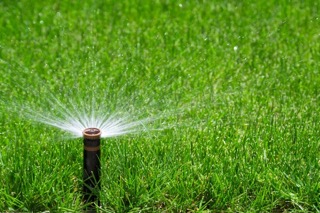
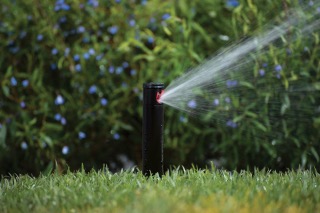
Commercial sprinkler heads must be chosen according to the area of coverage, pressure of the water, and durability. They are made to endure higher pressures, longer running times, and more frequent use. Most of the time the types are rotors, high-efficiency spray heads, and pressure-regulated nozzles.
Rotors are a great choice if you have a large turf area as they cover 20-65 feet per head with low precipitation rates thus minimizing runoff. High-efficiency spray heads are perfect for smaller areas and provide better water distribution while saving water wastage by up to 30% compared to traditional sprays. Pressure-regulated heads are a great solution to prevent your irrigation system from misting and uneven coverage when the pressure goes beyond the optimal levels.
What Is a Commercial Drip Irrigation System and When Is It Used?
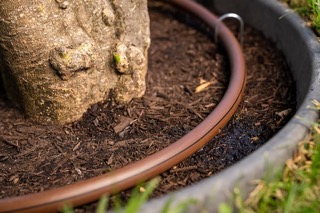
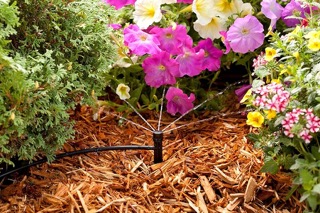
A commercial drip irrigation system supplies water directly to the plant root zone via emitters, tubing, or drip lines that work at low pressure. Such systems are typically used for flower beds, shrubs, trees, planters, green roofs, and narrow landscaped areas where sprinklers are not very effective.
Drip irrigation limits water loss by evaporation and runoff, hence, it uses 30 to 60% less water than traditional sprinkler systems. Water is delivered at a slow and steady rate that allows the soil to absorb it better and, at the same time, inhibits weed growth. Commercial drip systems usually have pressure regulators, filters, and zone-specific valves to ensure reliable performance.
Drip irrigation works well on slopes, clay soils, and areas with high-density planting. The initial installation cost may be 10 to 20% higher but the long-term water savings and the less loss of plants make drip systems very cost-effective.