Where Should Landscape Lights Be Placed?
Landscape lights should be placed where they improve safety, highlight important features, and guide movement through the yard. The most useful locations are walkways, steps, entrances, driveways, patios, trees, garden beds, retaining walls, fences, and water features. The goal is not to light everything equally, but to create layers of light that make the property easier to use and nicer to look at after dark.
Where Should Pathway Lights Be Placed?
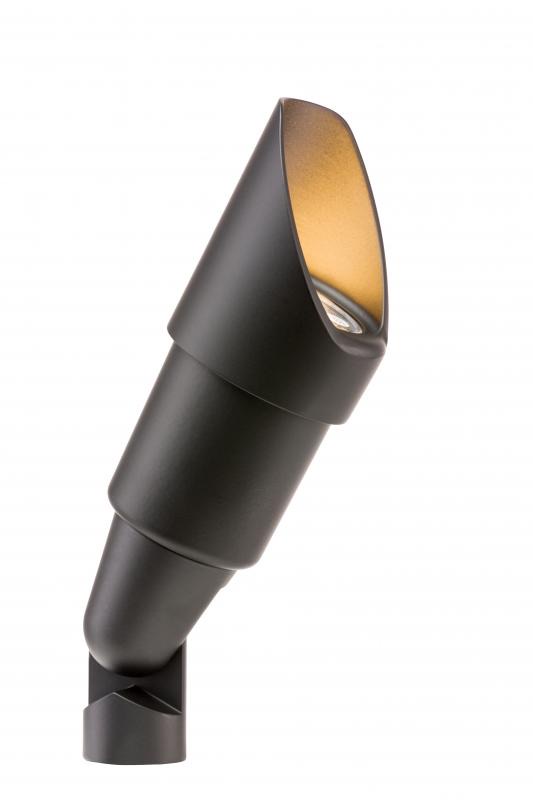
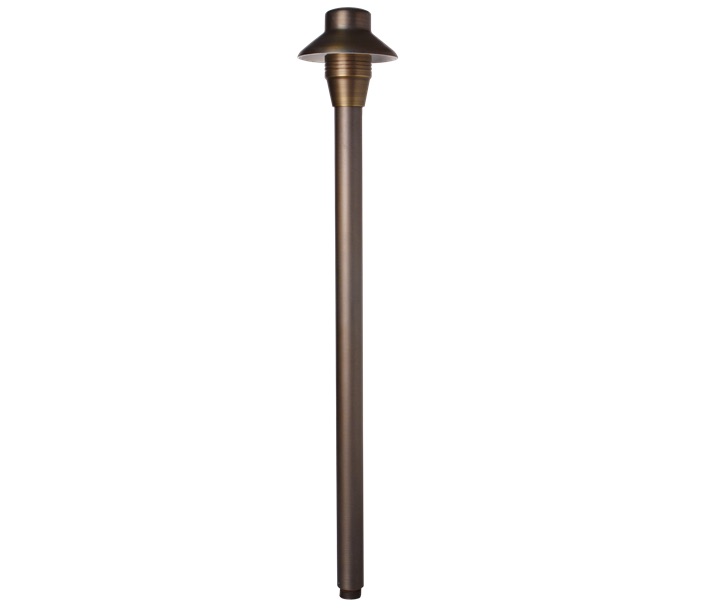
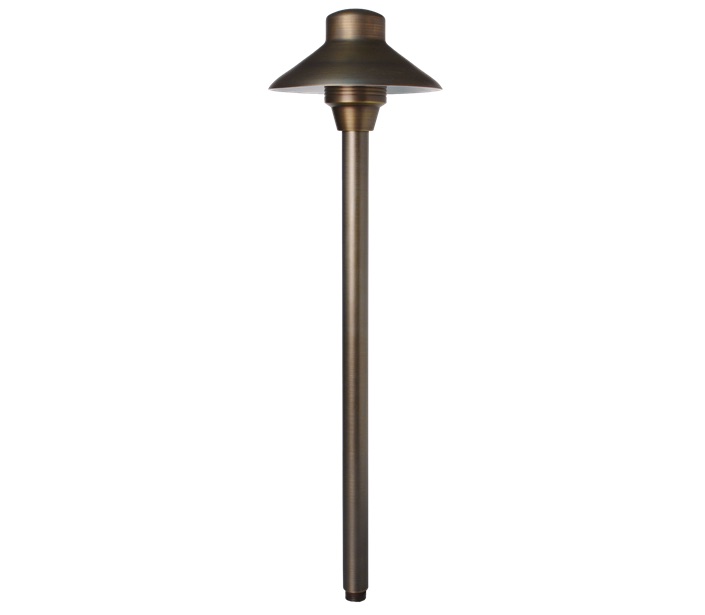
Pathway lights should be placed along walkways, garden paths, and driveway edges where people need safe footing. They usually look best when staggered from side to side instead of lined up like a runway. Keep fixtures far enough from the edge that they do not get kicked, hit by shovels, or buried by mulch. The light should wash the path gently without shining directly into people’s eyes.
Where Should Step and Stair Lights Go?
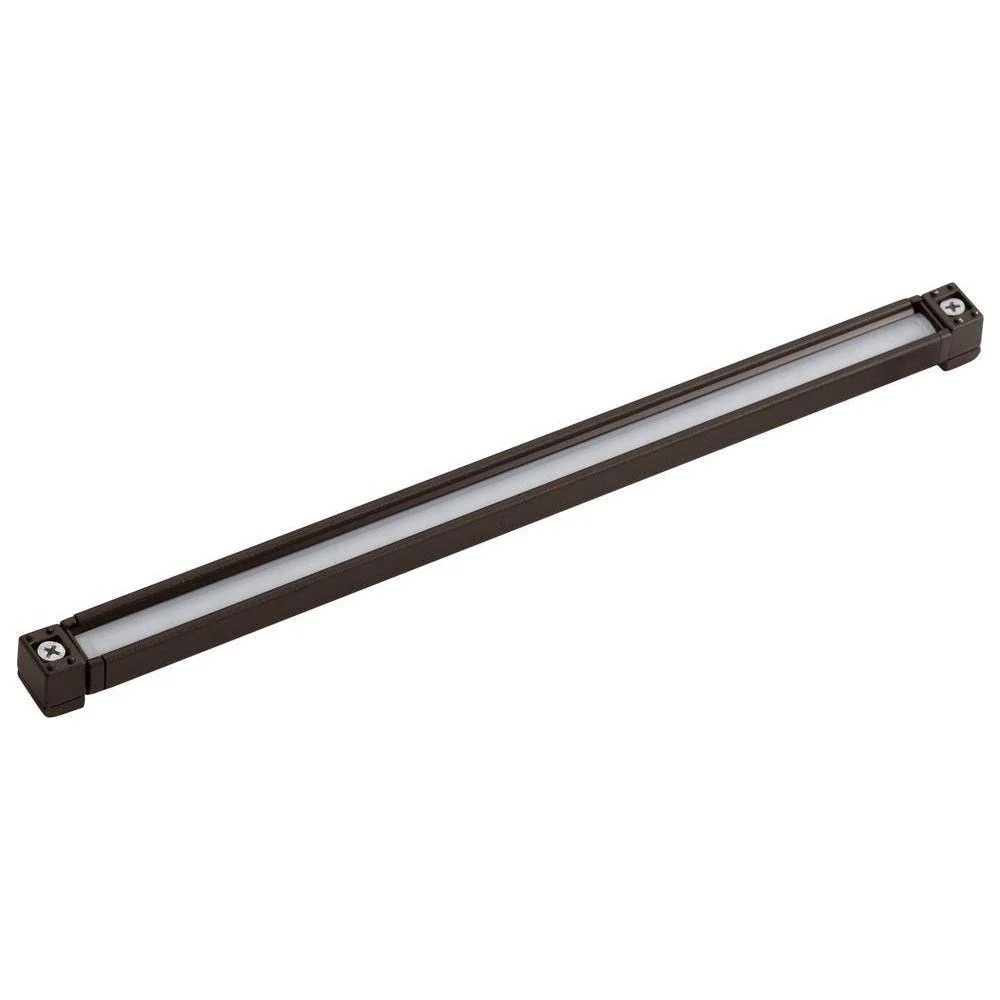
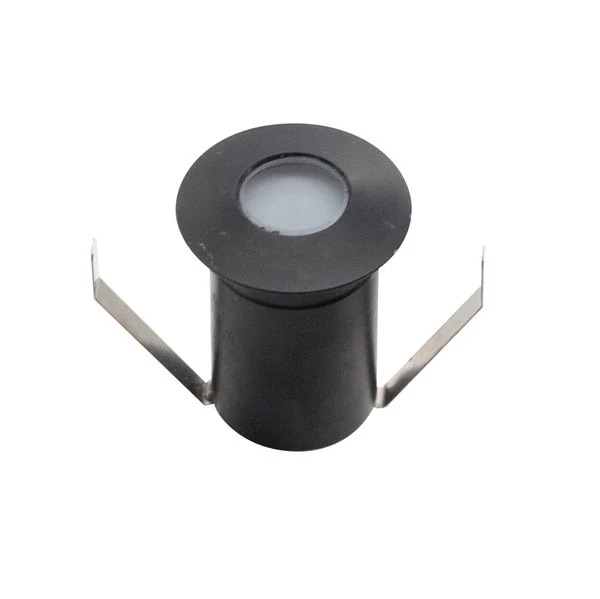
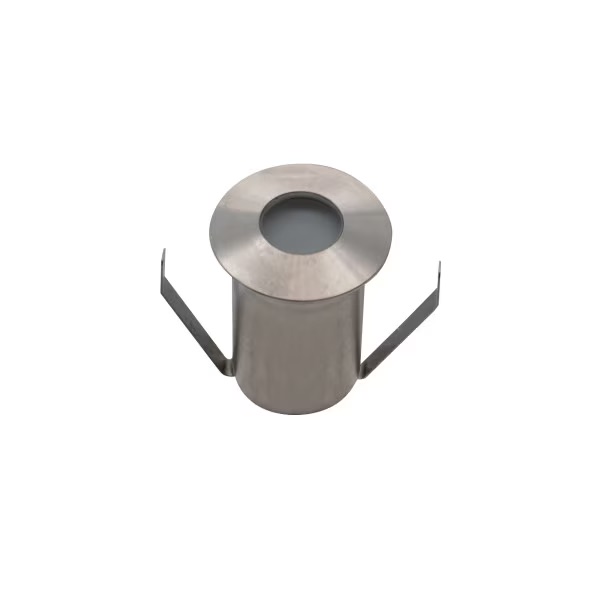
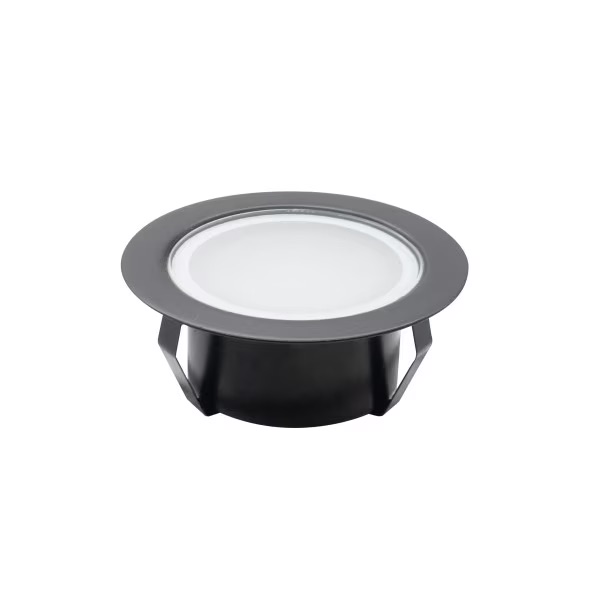
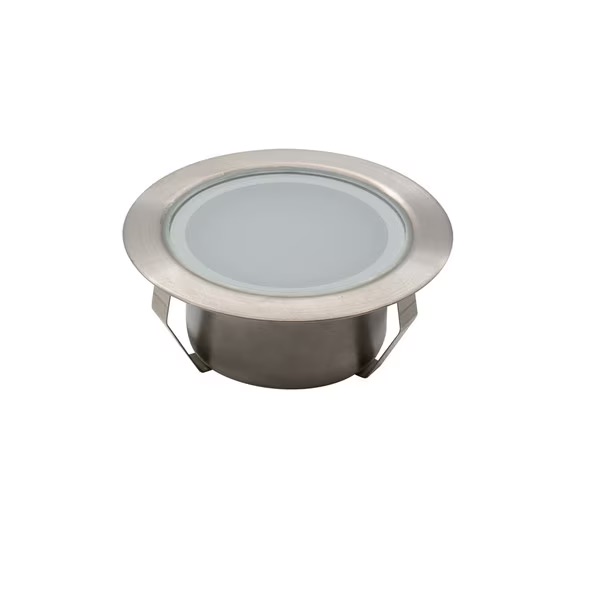
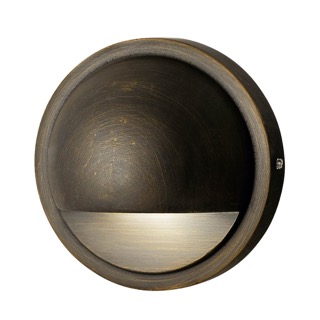
Step lights should be placed where elevation changes create trip hazards: stairs, porch steps, retaining wall steps, deck stairs, and patio transitions. The best placement lights the tread surface without glare. Fixtures can be installed into risers, side walls, posts, or nearby low-voltage path lights. Step lighting is one of the most practical upgrades because it improves safety every night.
Where Should Tree Uplights Be Placed?
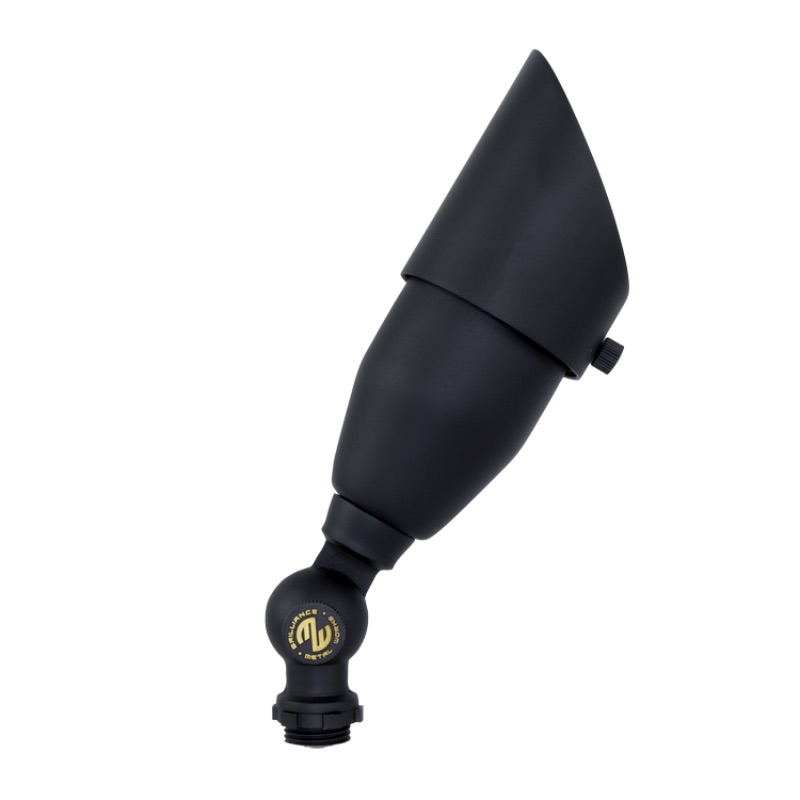
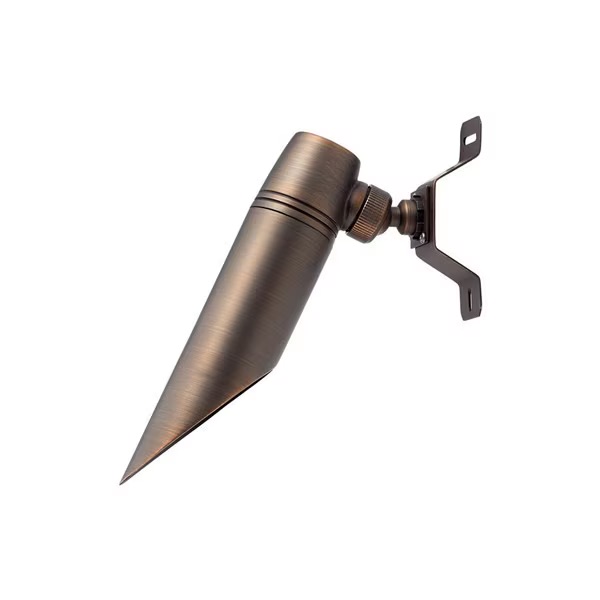
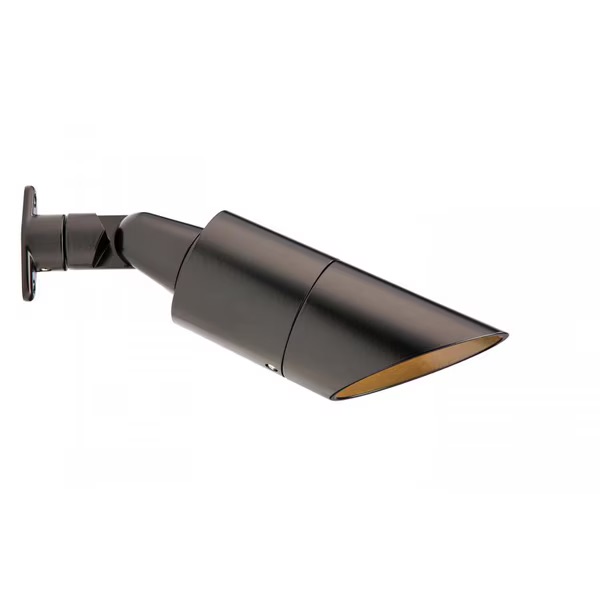
Tree uplights are usually placed near the base of a tree, aimed upward through the trunk and canopy. One light can work for a smaller ornamental tree, while larger trees may need two or three fixtures from different angles. Avoid placing lights where mowers, edging tools, or snow clearing will damage them. Uplighting works especially well on mature trees, feature shrubs, and privacy plantings.
Should You Light Garden Beds and Planting Areas?
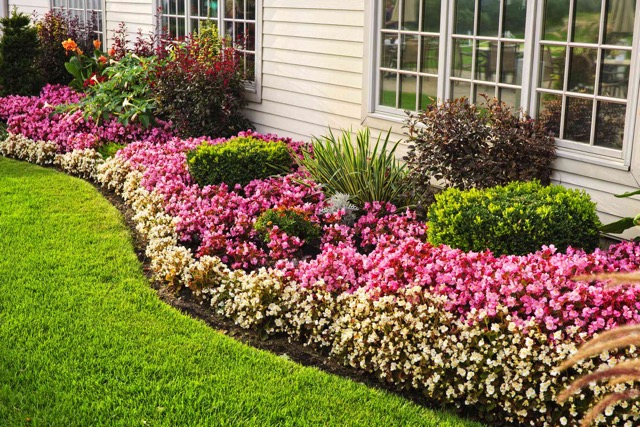
Yes, but garden bed lighting should be selective. Use lights to highlight specimen plants, flowering shrubs, ornamental grasses, boulders, or focal points, not every plant. If new planting is part of the project, lighting should be planned before mulch and final bed finishing. For planting layout help, see planting services in Toronto.
Where Should Lights Be Placed Around Patios and Seating Areas?
Patio lighting should make the space comfortable without blasting bright light into seating areas. Place lights around edges, steps, nearby planting beds, walls, and key transition points. Soft perimeter lighting usually feels better than one strong overhead light. For outdoor dining or lounge areas, combine subtle path lights, wall lights, step lights, and accent lights for a layered effect.
Should Retaining Walls Be Lit?
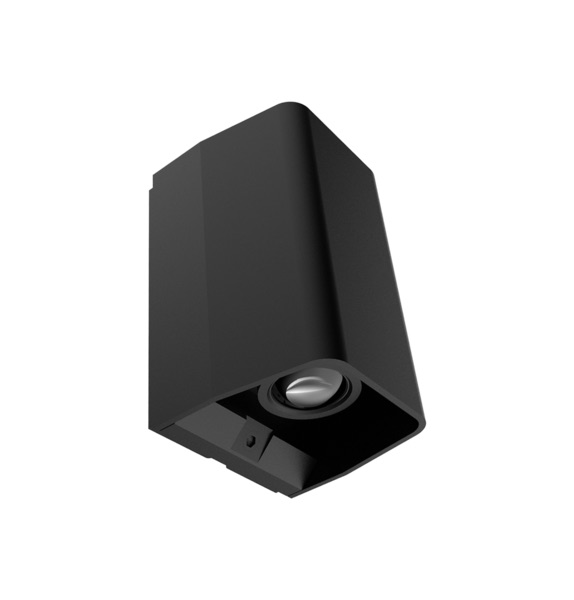
Retaining walls are excellent places for landscape lighting because they add height, texture, and safety. Lights can be placed along steps, wall caps, planting pockets, or at the base to graze the stone or concrete surface. If the wall is still being designed, plan lighting before construction. For wall material planning, see concrete vs stone retaining wall.
Where Should Front Yard Landscape Lights Go?
Front yard lights should focus on curb appeal, safe entry, and clear movement from the driveway or sidewalk to the door. Good placements include walkway edges, porch steps, house numbers, architectural columns, small trees, garden beds, and driveway transitions. Keep the lighting warm and controlled so the front yard looks welcoming rather than overly bright.
How Far Apart Should Landscape Lights Be Placed?
Spacing depends on fixture type, beam spread, brightness, and the effect you want. Path lights are often spaced to create gentle pools of light rather than continuous brightness. Accent lights depend on the size of the feature being lit. Avoid placing fixtures too close together, because overlighting can flatten the landscape and increase cost. For budgeting, review outdoor lighting installation cost in Toronto.
What Landscape Lighting Placement Mistakes Should You Avoid?
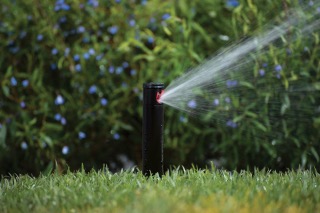
Common mistakes include placing lights in straight rows, using fixtures that are too bright, aiming lights into windows, ignoring steps, lighting every plant equally, and installing cables after finished landscaping is already complete. Lighting should also avoid sprinkler spray paths where possible. If sprinklers are being adjusted at the same time, a sprinkler system service in Toronto can help prevent conflicts between irrigation heads and lighting fixtures.