
Map the dry spot
Mark where the lawn browns out; repeated shapes often reveal the missed spray pattern.
















Dry spots with an active sprinkler system usually come from poor head spacing, clogged nozzles, low pressure, wind drift, or a watering schedule that is too shallow.
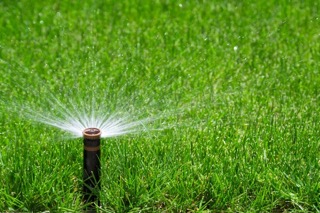
Dry spots appear even though sprinklers run because the lawn is not receiving even coverage. The system may be turning on correctly, but one area can still be missed by blocked spray, clogged nozzles, sunken heads, low pressure, poor spacing, wind drift, or mixed head types on the same zone. The certain answer is that runtime alone does not prove proper watering; precipitation rate and overlap matter. A healthy zone should provide head-to-head coverage where each sprinkler reaches the next sprinkler. If dry spots repeat in the same location, inspect the nearest heads, clean nozzles, check pressure, and adjust or add coverage.
| Question | Certain Answer |
|---|---|
| Most likely cause | Coverage gap, clogged nozzle, sunken head, or low pressure. |
| Important fact | A zone can run daily and still leave dry areas if spray patterns do not overlap. |
| Quick test | Place cups across the dry area and compare collected water after 15 minutes. |
| Best fix | Correct head height, nozzle pattern, pressure, and spacing before increasing runtime. |
Mark where the lawn browns out; repeated shapes often reveal the missed spray pattern.
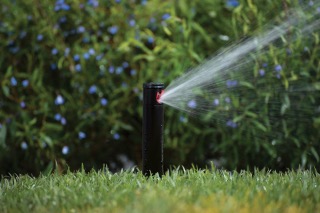
A tiny piece of debris can block part of a spray fan and create a dry wedge.
A rotor that sticks or stops short can leave a large arc dry.
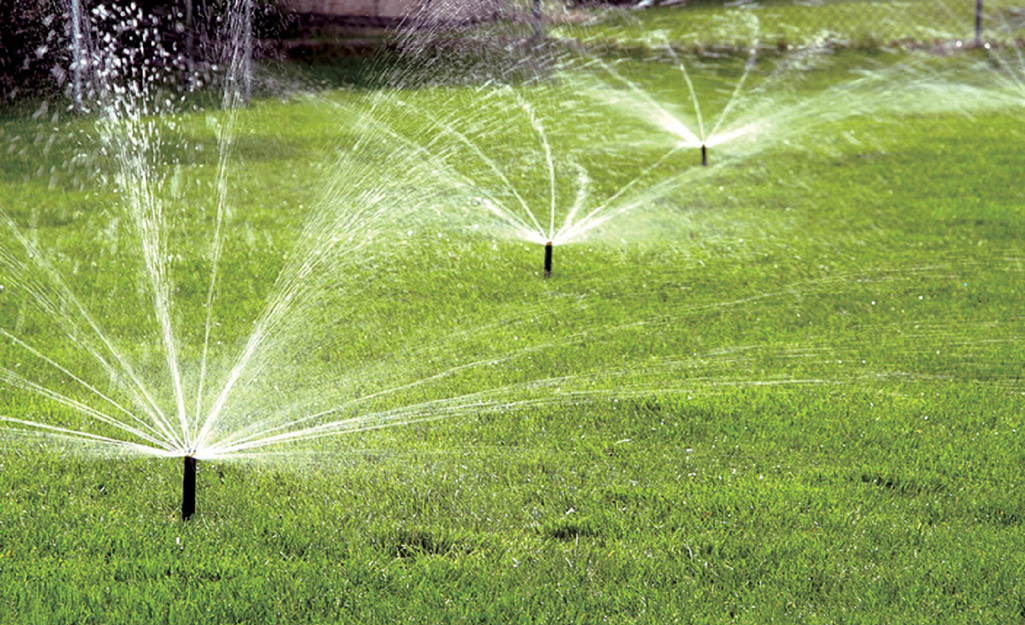
Mixed precipitation rates can overwater one area while another stays dry.
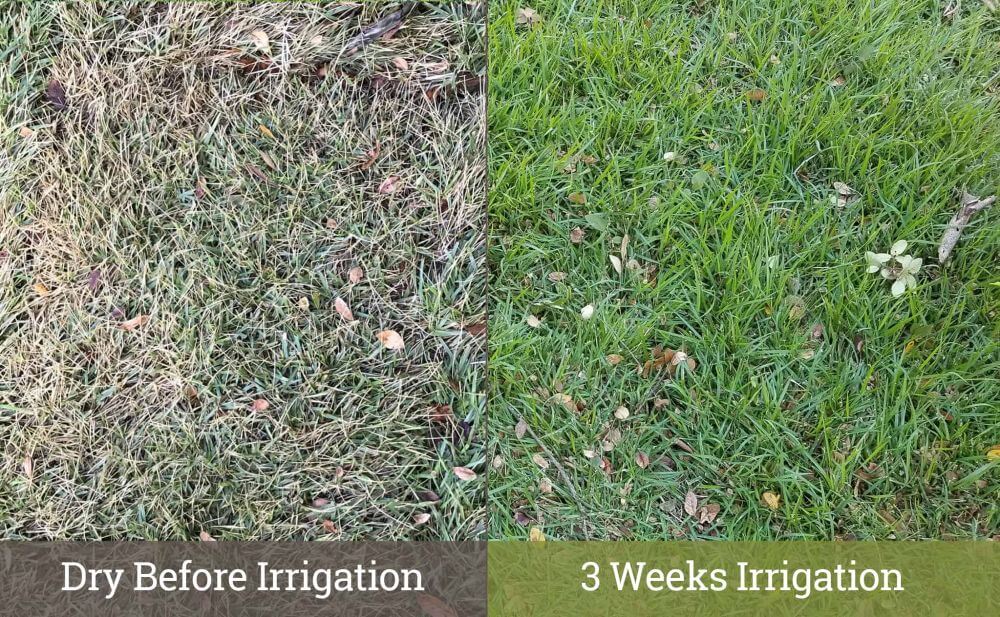
Dry spots are often blamed on heat, but irrigation layout is usually the first thing to check when the same patch dries out again and again.
Toronto lawns near fences, patios, road salt areas, large trees, and south-facing yards dry faster and may need different coverage than shaded areas.
Increasing runtime can help only when coverage is already even. If one location receives half the water, longer runtime may flood the rest of the zone.
A professional tune-up should measure coverage, head type, nozzle pattern, and zone pressure before recommending extra heads.
Only if coverage is even. If coverage is uneven, longer watering can waste water.
Yes, one blocked nozzle can create a visible dry wedge.
Yes, tree roots compete for water and can block spray.
Yes, heads and nozzles can often be adjusted or added without replacing the whole system.
Need help with irrigation, sod, planting, drainage, or lawn problems in Toronto or the GTA? A proper diagnosis can prevent wasted water, dead grass, failed plants, and repeat repairs.
Book Irrigation Services