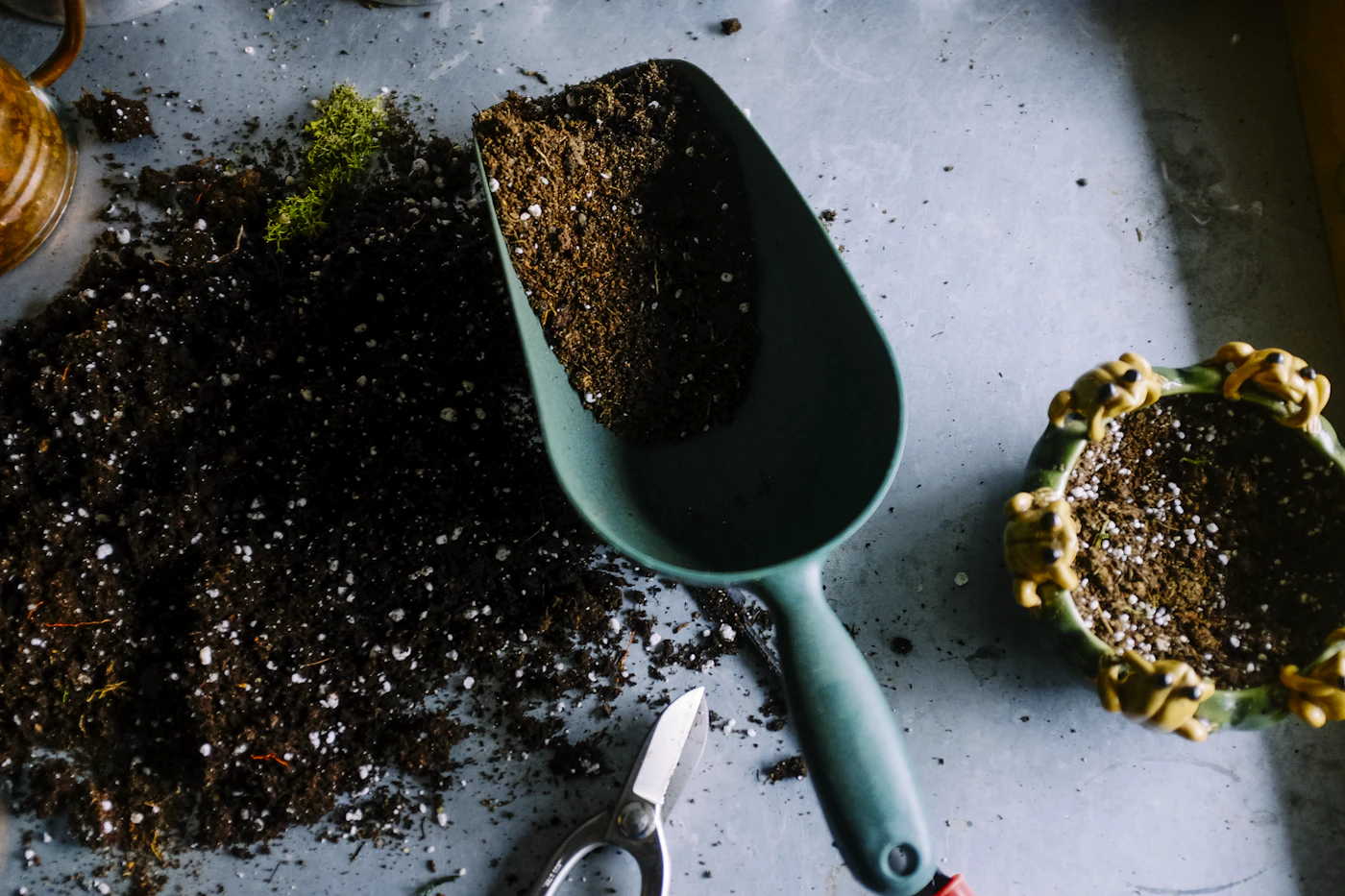
Water deeply
Hydrangeas need water at the root ball, not only on the surface mulch.

















Hydrangeas wilt after planting because transplant shock, hot sun, dry root balls, shallow watering, or damaged roots make leaves lose water faster than roots can replace it.
Hydrangeas wilt after planting because their leaves lose water faster than the new root system can replace it. The most common causes are transplant shock, dry root balls, hot afternoon sun, shallow watering, wind exposure, damaged roots, or planting into soil that drains too quickly or too slowly. The certain answer is to water deeply at the root ball and protect the plant from heat stress while it establishes. Temporary afternoon wilt can happen in hot weather, but leaves should recover by evening or morning. If wilting continues overnight, the plant is likely too dry, too wet, or planted incorrectly.
| Question | Certain Answer |
|---|---|
| Most likely cause | Transplant shock, dry root ball, hot sun, or poor soil moisture. |
| Normal sign | Some afternoon wilt can happen during heat. |
| Warning sign | Wilting that does not recover by morning. |
| Best fix | Deep water, mulch lightly, provide temporary shade, and check drainage. |
Hydrangeas need water at the root ball, not only on the surface mulch.
Temporary shade can help new plants through hot afternoons.

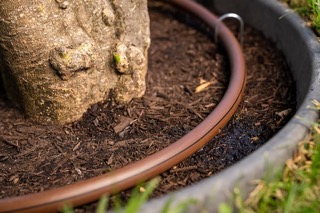
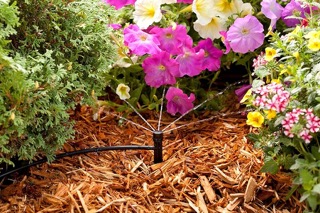
Drip keeps moisture steadier around hydrangea roots without soaking leaves.

Mulch helps, but the soil below still needs the right moisture level.

Hydrangeas have large leaves, so they show water stress quickly. Wilt is an early warning sign, not always a sign the plant is dead.
New plants may need more frequent checks than established shrubs because roots are still confined to the nursery root ball.
Morning sun and afternoon shade are often easier on hydrangeas than full hot afternoon exposure.
Avoid fertilizing a wilting hydrangea until water, planting depth, and drainage are corrected.
Some temporary wilt is normal; overnight wilt is not.
Only if the root ball is drying. Check soil first.
Yes, soggy roots can wilt because they lack oxygen.
Yes, if roots stay healthy and moisture is corrected.
Need help with irrigation, sod, planting, drainage, or lawn problems in Toronto or the GTA? A proper diagnosis can prevent wasted water, dead grass, failed plants, and repeat repairs.
Book Irrigation Services