Why Are My Newly Planted Cedars Turning Brown?
Newly planted cedars usually turn brown because they are stressed after transplanting. Common causes include underwatering, overwatering, transplant shock, poor soil contact, compacted soil, heat, drying wind, winter burn, root damage, or uneven irrigation coverage. Some light interior browning can be normal, but widespread browning on tips or whole sections of the hedge usually means the roots are struggling.
Is Browning Normal After Planting Cedars?
Some stress is normal after planting, especially if cedars were moved, handled, or installed during hot or dry weather. The roots need time to connect with the surrounding soil. However, heavy browning, crispy tips, thinning sections, or browning that spreads across several plants should be taken seriously. New cedars do not have established roots yet, so they can decline quickly when water or soil conditions are wrong.
Can Underwatering Make New Cedars Turn Brown?
Yes. Underwatering is one of the most common reasons new cedars turn brown. The root ball can dry out even when the surrounding soil looks damp, especially in sunny or windy areas. Cedars planted near fences, driveways, walls, and slopes can dry faster. If the foliage feels crispy and the root ball is dry when checked below the mulch, water deeply and consistently.
Can Overwatering Make New Cedars Turn Brown?
Yes. Cedars need moisture, but they do not like sitting in soggy soil. Overwatering can reduce oxygen around the roots and cause yellowing, browning, weak growth, and root stress. If the soil smells sour, feels constantly wet, or water pools around the hedge, reduce watering and check drainage. The goal is evenly moist soil, not saturated soil.
How Should New Cedars Be Watered?
New cedars should be watered deeply so moisture reaches the root ball and surrounding soil. Short surface watering is usually not enough. During the first growing season, check the soil regularly and water before the root ball dries out completely. A properly planned irrigation setup can help; professional irrigation and lawn sprinkler service in Toronto and GTA can adjust zones so hedges are not missed or overwatered.
Is Drip or Micro-Irrigation Better for Cedar Hedges?
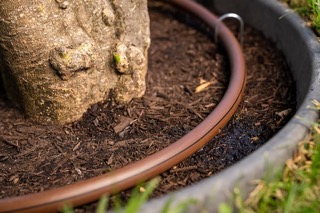
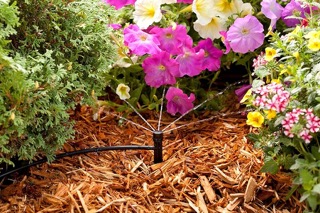
Drip and micro-irrigation can be excellent for cedar hedges because they deliver water slowly near the root zone instead of spraying over the foliage or pavement. This helps reduce runoff, evaporation, and uneven coverage. For hedge beds, micro-irrigation in Toronto or a drip line can often provide more consistent watering than lawn spray heads.
Can a Sprinkler System Miss Cedars Along a Fence?
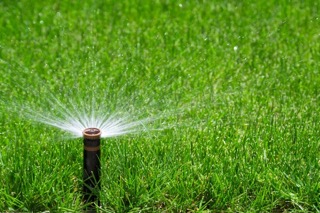
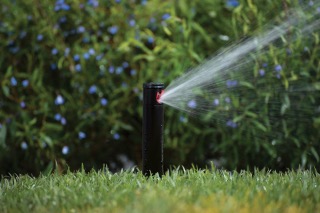
Yes. Lawn sprinklers are often designed for turf, not hedge roots. Cedars planted along fences can sit just outside the main spray pattern, leaving the grass wet but the cedar root balls dry. In other cases, overspray can soak one section while another section stays dry. A sprinkler system service in Toronto can check coverage, pressure, nozzle direction, run times, and whether a separate hedge zone is needed.
Can Poor Soil or Drainage Cause Cedar Browning?
Poor soil can cause browning even when watering seems correct. Heavy clay, compacted soil, construction fill, or low spots can trap water around roots, while sandy or shallow soil can dry too quickly. Cedars need a balance: enough moisture to establish, but enough drainage for oxygen. Soil preparation, mulch, and proper planting depth are just as important as watering.
Can Drip Irrigation Help Cedars Recover?
Drip irrigation can help stressed cedars if the main problem is inconsistent watering. It delivers water slowly and evenly along the hedge line, which is useful for new root systems. It will not fix dead roots, severe planting mistakes, or constant standing water, but it can improve establishment when installed correctly. Learn more about the benefits of installing a drip irrigation system for a garden.
Will Brown Cedars Turn Green Again?
It depends on how severe the damage is. Light browning from stress may stabilize if watering, soil, and drainage are corrected quickly. Fully brown, crispy branches often do not turn green again, though the plant may still push new growth from healthy sections. If several cedars are declining at once, check the entire hedge line for watering coverage, soil moisture, drainage, spacing, and planting depth before replacing plants.