
Inspect root zone
Leaves show symptoms, but roots usually reveal the real cause.









New shrubs die after landscaping when planting depth, watering, drainage, soil preparation, root ball handling, heat stress, or irrigation coverage is wrong.
New shrubs die after landscaping because the roots fail before the top of the plant can establish. The most common causes are planting too deep, dry root balls, overwatering in clay soil, poor drainage, compacted construction soil, damaged roots, heat stress, wrong plant for the exposure, or irrigation missing the root zone. The certain answer is to diagnose the root environment first, not the leaves only. A shrub can look dry because it needs water, or because wet roots are suffocating and can no longer absorb water. Check planting depth, root ball moisture, drainage, and irrigation coverage before replacing plants.
| Question | Certain Answer |
|---|---|
| Most likely cause | Watering error, poor drainage, planting depth, root damage, or wrong plant location. |
| Important fact | The first growing season is the highest-risk period for new shrubs. |
| Quick test | Check root ball moisture and whether the crown is buried. |
| Best fix | Correct water, drainage, depth, and exposure before adding fertilizer. |
Leaves show symptoms, but roots usually reveal the real cause.
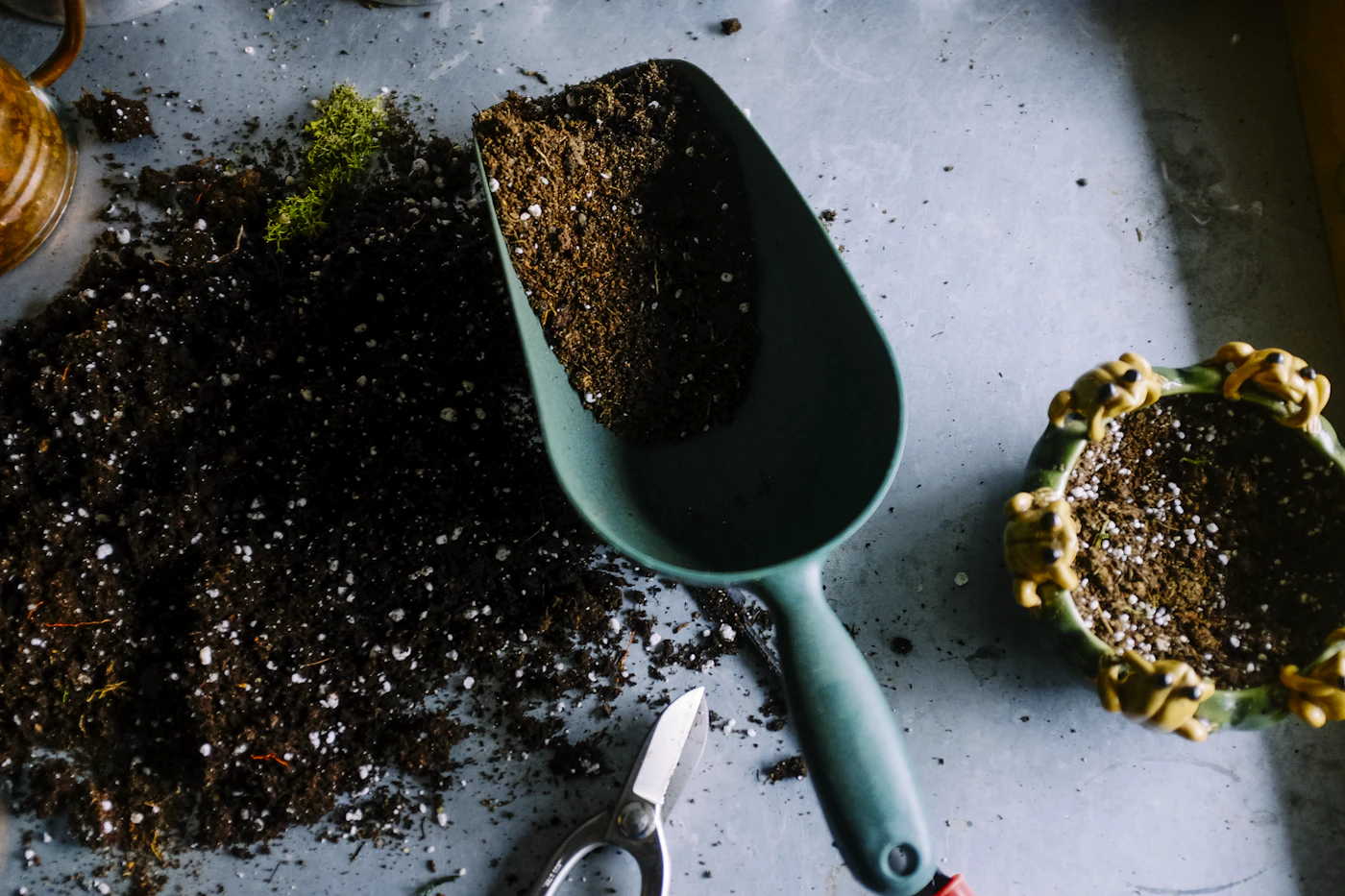
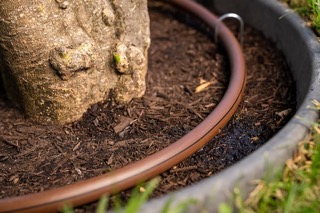
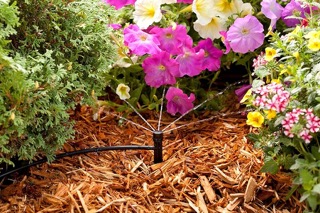
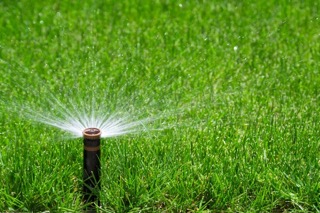
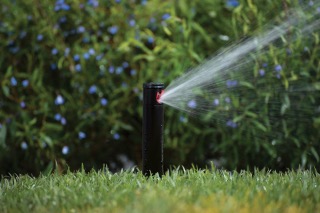
Sprinklers may water lawn while missing shrub root balls under mulch.
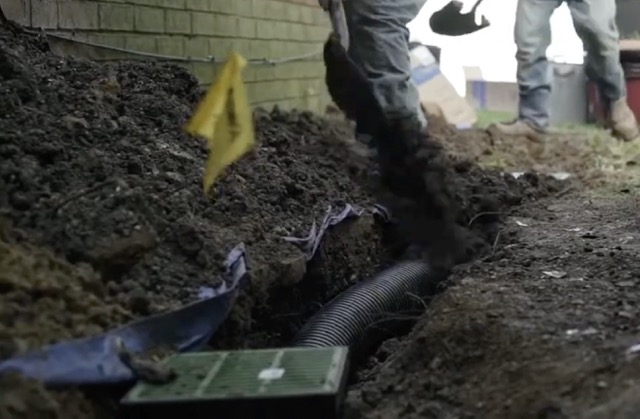
Standing water around new shrubs can kill roots quickly.

Sun, shade, wind, salt, and soil all affect whether a shrub survives.

New landscape beds often sit beside hardscaping, fences, downspouts, or compacted soil, all of which can change water movement.
A common mistake is watering the bed surface while the nursery root ball remains dry. Another is watering daily until clay soil stays saturated.
Fertilizer rarely saves a dying new shrub if the root zone is wrong. Water and oxygen must be corrected first.
If several shrubs fail in a line, suspect irrigation coverage, drainage, soil compaction, or planting method rather than one bad plant.
Yes if stems and roots are still alive, but fully dry brittle shrubs usually will not.
Yes. Wet roots can suffocate and rot.
Not first. Correct water, drainage, and planting depth first.
That spot may have poorer drainage, more sun, damaged roots, or missed irrigation.
Need help with irrigation, sod, planting, drainage, or lawn problems in Toronto or the GTA? A proper diagnosis can prevent wasted water, dead grass, failed plants, and repeat repairs.
Book Irrigation Services