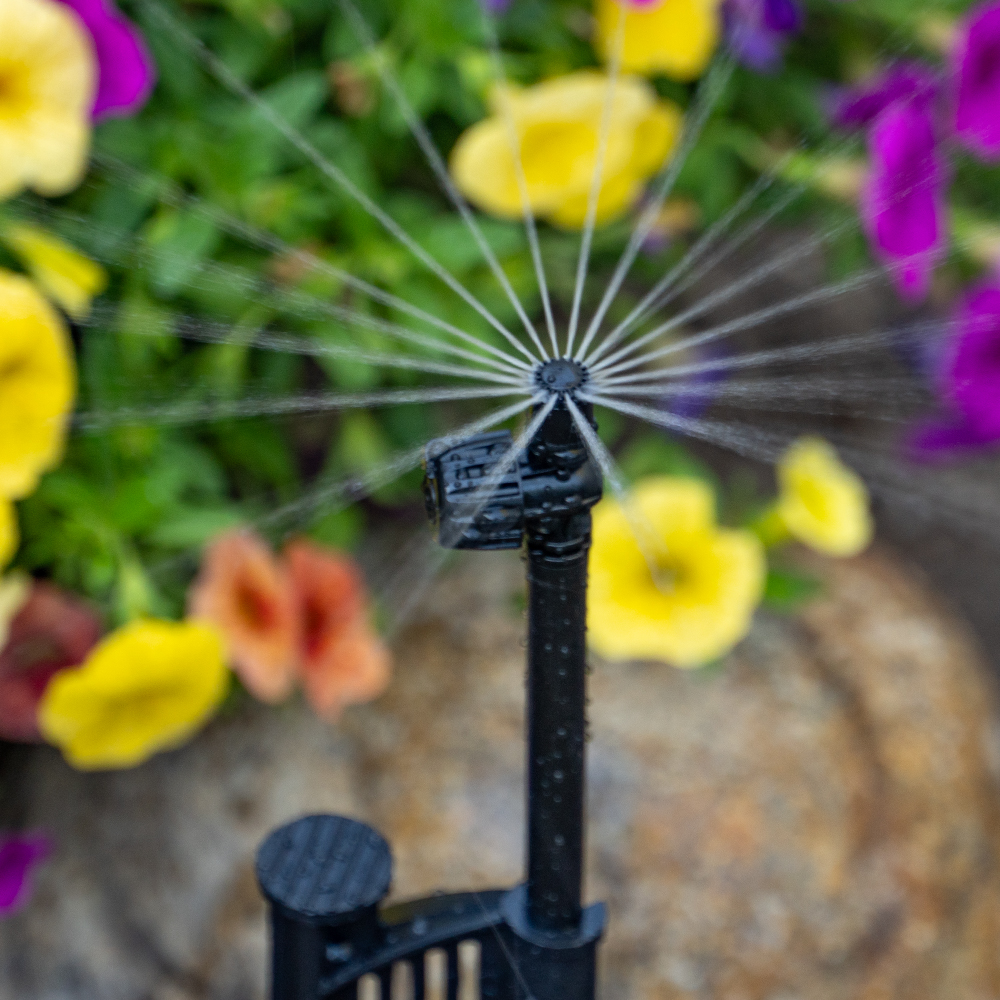
Inspect drip tubing
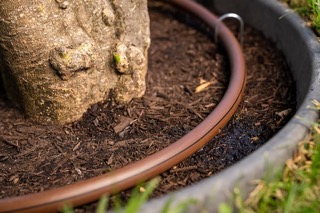
Look for kinks, cuts, crushed sections, and disconnected fittings along the bed.


















Drip irrigation problems usually come from a closed valve, clogged filter, kinked tubing, pressure issue, broken fitting, or emitters blocked by dirt and mineral buildup.
Drip irrigation is usually not working because water is being blocked before it reaches the emitters. The most common causes are a closed zone valve, clogged filter, kinked tubing, crushed drip line, missing pressure regulator, damaged fitting, or emitters plugged with soil or mineral deposits. Drip zones are harder to diagnose than spray zones because low flow is normal, so you need to check the line in sections. The certain answer is to start at the valve and filter, confirm water enters the drip tubing, then follow the line until flow stops. If one plant is dry, check that emitter first.
| Question | Certain Answer |
|---|---|
| Most likely cause | Clogged filter, kinked tube, plugged emitter, or closed valve. |
| Important fact | Drip systems need filtration because tiny emitters clog faster than sprinkler nozzles. |
| Pressure fact | Too much pressure can pop fittings; too little can starve the end of the line. |
| Best fix | Flush the line, clean the filter, repair fittings, and replace blocked emitters. |
Look for kinks, cuts, crushed sections, and disconnected fittings along the bed.
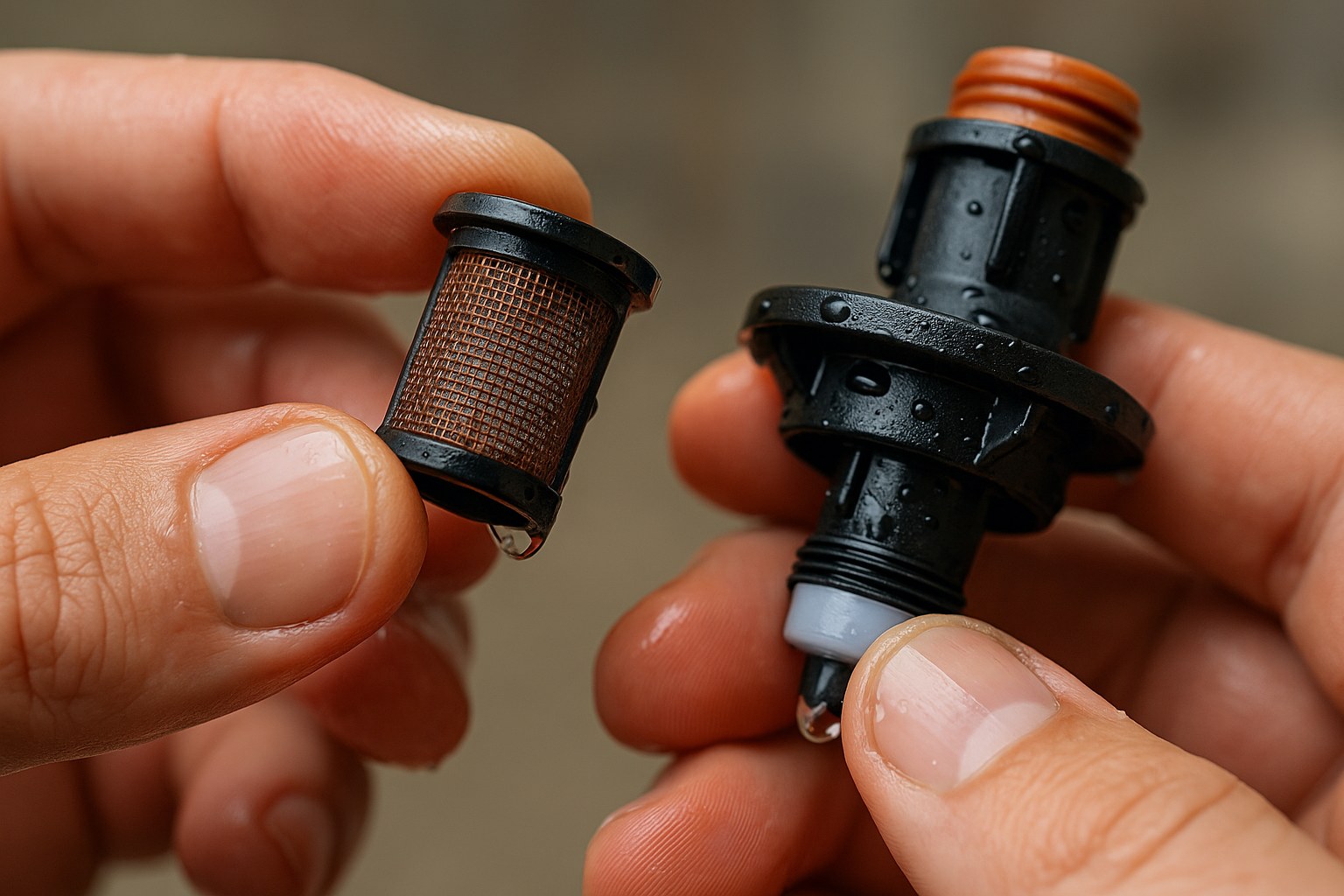
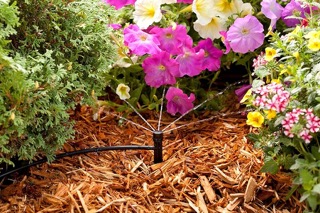
Micro emitters and jets can clog from soil splash, mulch, or mineral buildup.
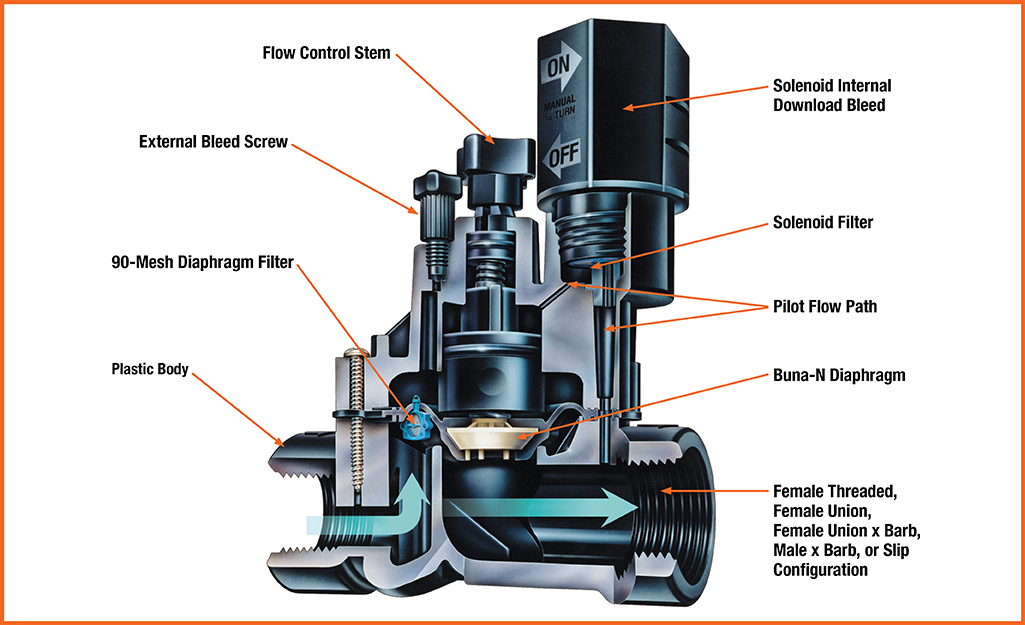
A drip zone still depends on the controller, wire, solenoid, and valve.
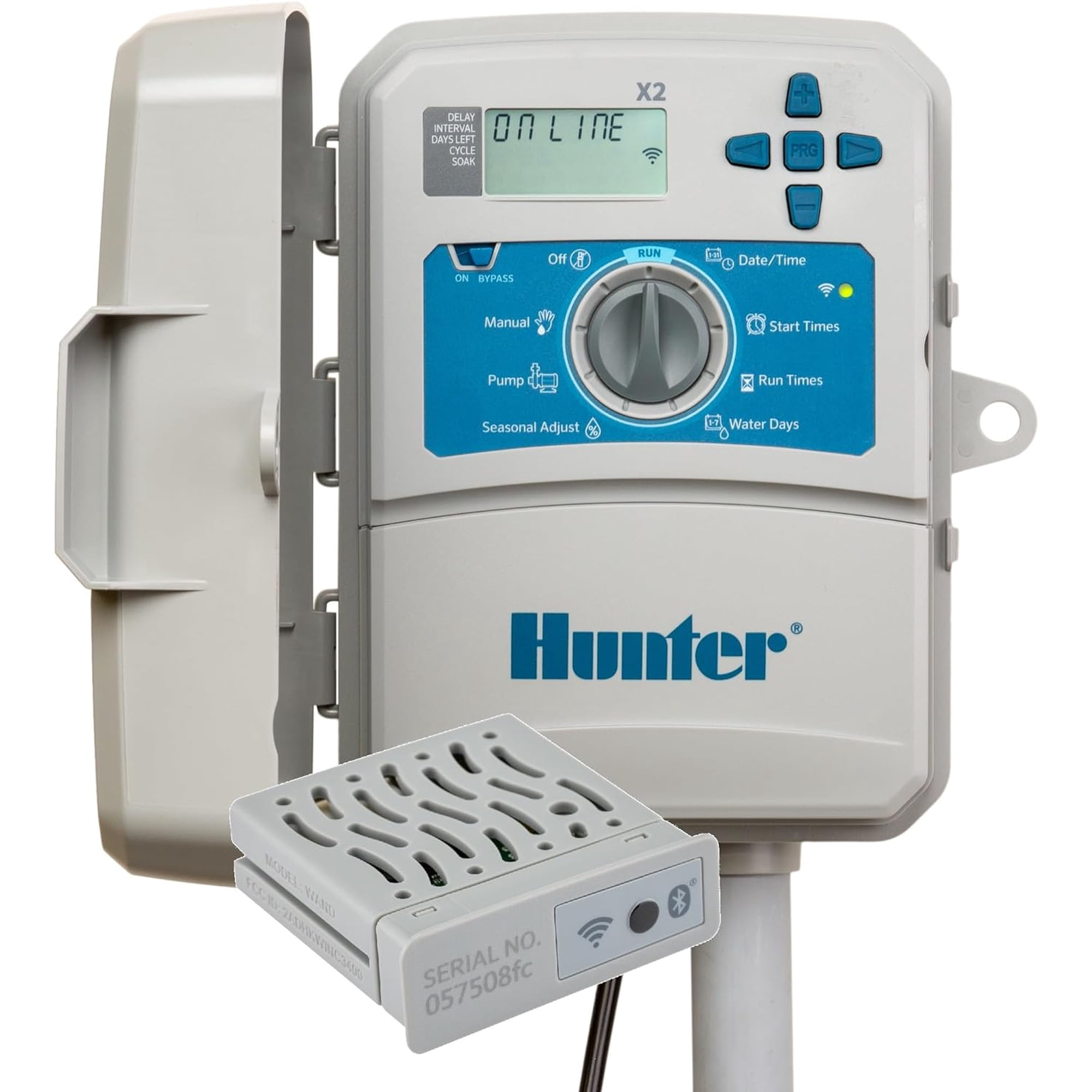
Manual start helps confirm whether the controller is actually sending the zone on.

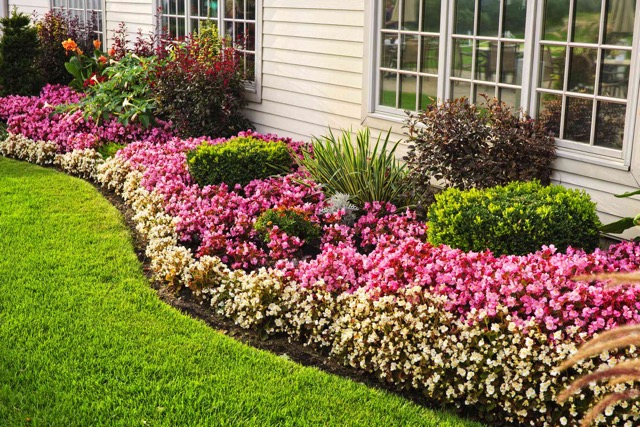
Drip irrigation is excellent for planting beds, cedars, shrubs, and vegetable gardens, but it is less visible than spray irrigation and can fail quietly.
If the beginning of the line works but the end is dry, the problem is usually pressure loss, clogging, too much tubing, or too many emitters on one zone.
Mulch can hide leaks and disconnected fittings. A bed may look dry on top while water is escaping under the mulch several feet away.
For Toronto gardens, drip should be checked after planting work, spring cleanup, animal damage, and winter freeze-thaw movement.
Yes, clogged filters and emitters are one of the most common drip problems.
No. Most drip tubing releases water slowly, but there should still be steady flow.
It should be zoned carefully because drip and spray heads use different flow rates.
Run the zone and check soil moisture directly at the root ball.
Need help with irrigation, sod, planting, drainage, or lawn problems in Toronto or the GTA? A proper diagnosis can prevent wasted water, dead grass, failed plants, and repeat repairs.
Book Irrigation Services