:max_bytes(150000):strip_icc()/how-to-lay-sod-to-start-new-lawns-2132203_12-524437e7f6e44ff0b8bf68371acaeed8.jpg)
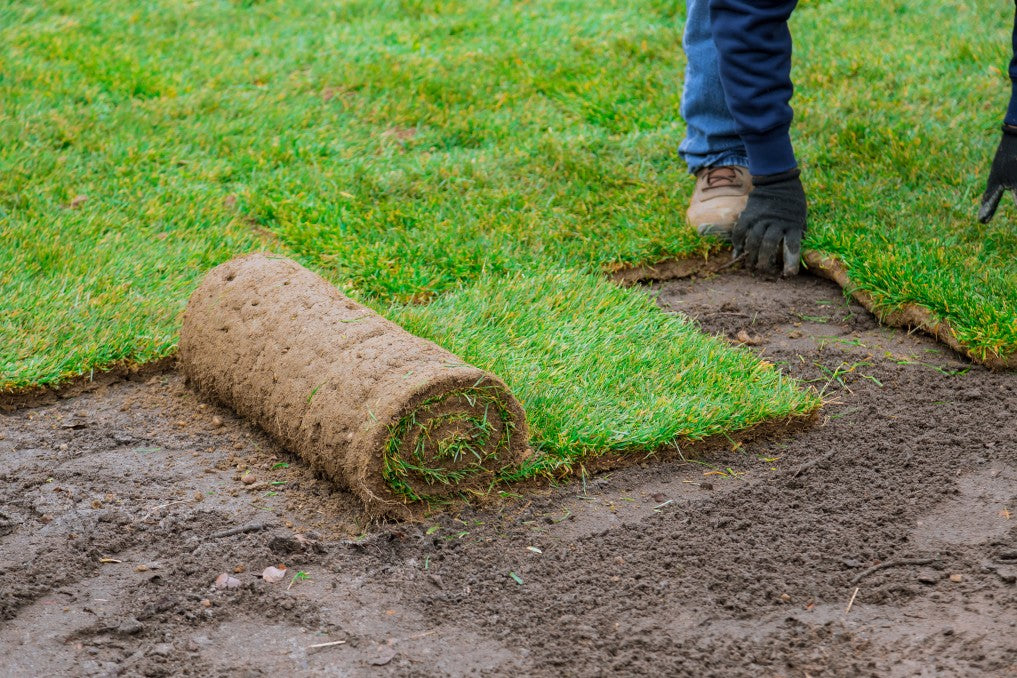
Check soil contact
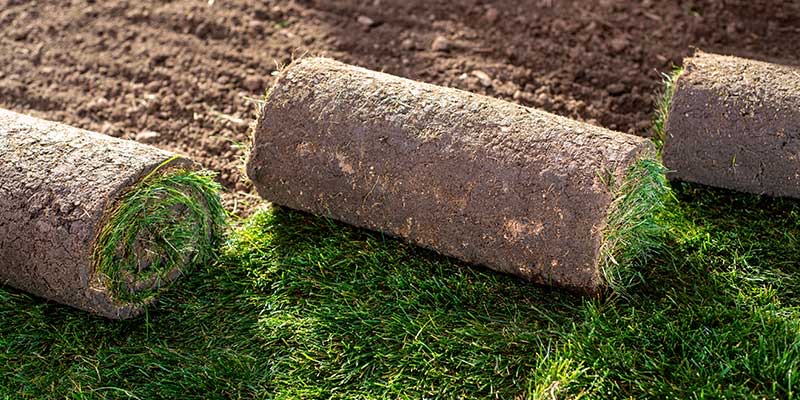
Sod must sit tight against soil; air pockets dry roots and delay establishment.











New sod usually fails to root when soil preparation, watering, soil contact, shade, compaction, or heat stress prevents the roots from knitting into the ground.
New sod is not rooting because the roots are not making consistent contact with moist, prepared soil. The most common causes are soil that was not loosened, compacted subsoil, not enough water in the first two weeks, sod drying before installation, thick thatch left underneath, air pockets, or heavy shade. In Toronto, clay soil can also stay too wet on top while staying compacted below. The certain answer is that sod needs firm soil contact, daily moisture at the root zone, and oxygen. If the sod lifts easily after 10 to 14 days, watering and soil preparation should be corrected quickly.
| Question | Certain Answer |
|---|---|
| Most likely cause | Poor soil contact, dry roots, compacted soil, or under-watering. |
| Rooting fact | Fresh sod should begin knitting into soil within the first 10 to 14 days. |
| Quick test | Gently lift a corner. Resistance means rooting has started. |
| Best fix | Water deeply, roll air pockets, avoid traffic, and correct compacted or dry areas. |
Sod must sit tight against soil; air pockets dry roots and delay establishment.
The topsoil below the sod should be moist, not just the grass blades.
High spots dry quickly while low spots can stay soft and weak.

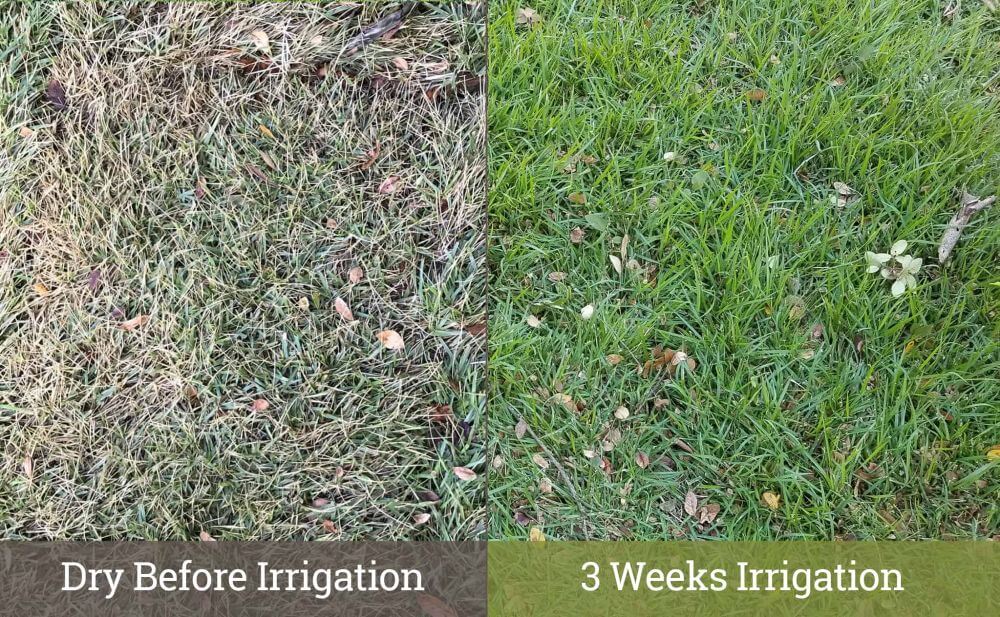
Consistent watering is usually the difference between rooting and failure.
Sod roots do not grow into dry, hard, or poorly prepared soil. Good installation creates contact between the sod mat and loosened topsoil.
Too much water can also slow rooting if the soil stays swampy. Roots need moisture and oxygen at the same time.
Shade slows rooting because grass produces less energy. Shady sections often need less frequent watering but a longer establishment period.
If sod is still loose after several weeks, the cause is usually soil preparation, water management, or sod that dried before it was installed.
Early rooting often starts in 10 to 14 days, with stronger rooting over several weeks.
No. Traffic can break root contact and leave depressions.
Starter fertilizer can help, but water and soil contact matter more.
No. Brown, crispy sod with dead crowns will not recover.
Need help with irrigation, sod, planting, drainage, or lawn problems in Toronto or the GTA? A proper diagnosis can prevent wasted water, dead grass, failed plants, and repeat repairs.
Book Irrigation Services