Why Does My Sprinkler System Have Low Water Pressure?
A low pressure sprinkler system usually means water is being restricted, lost, or spread across too many outlets before it reaches the heads. Common causes include leaking irrigation pipes, clogged nozzles, damaged sprinkler heads, partially closed valves, poor zone design, or municipal water pressure changes. The key is to check whether the low pressure affects one head, one zone, or the entire system.
How Can You Tell If Low Pressure Is Only Affecting One Zone?
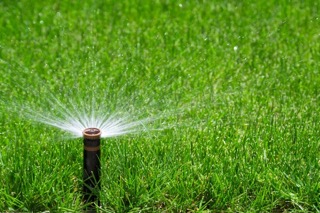
Run each irrigation zone separately and compare spray height, distance, and coverage. If only one zone is weak, the problem is likely inside that zone: a broken head, stuck valve, underground leak, clogged filter, or too many sprinkler heads on the same line. If all zones are weak, check the main shutoff, backflow device, water supply, controller settings, and any recent plumbing work that may have changed flow.
Can a Broken Sprinkler Head Cause Low Pressure?
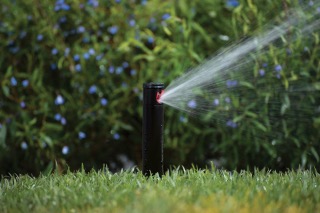
Yes. A cracked body, broken riser, missing nozzle, or damaged seal can dump water before pressure builds through the rest of the zone. One broken head may cause nearby heads to spray weakly or fail to rise. If the head is visibly damaged or keeps sticking after cleaning, professional sprinkler head replacement can restore proper spray pattern and pressure balance.
Can an Underground Leak Lower Sprinkler Pressure?
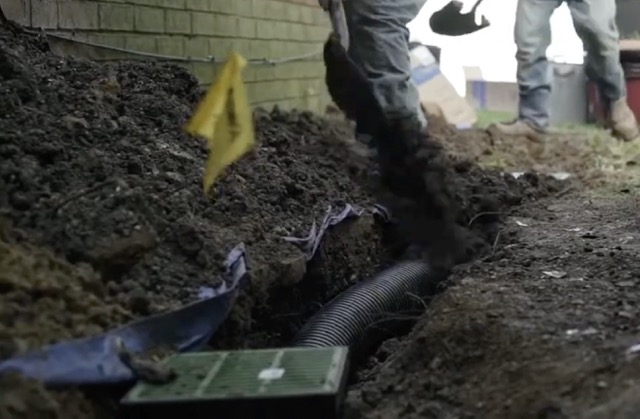
An underground leak is one of the most common causes of low sprinkler pressure. Watch for soggy grass, bubbling water, sunken soil, erosion, unusually green patches, or water appearing when the zone runs. Because leaks steal pressure before water reaches the heads, the whole zone may look weak. If you suspect a broken line, schedule irrigation pipe repair before replacing multiple sprinkler heads.
Do Clogged Nozzles or Filters Reduce Water Pressure?
Clogged nozzles and filters usually reduce flow at individual heads, but enough debris can make a whole zone look uneven. Dirt, sand, mineral buildup, grass clippings, and small stones can block the nozzle opening or screen. A clogged head may dribble, spray sideways, mist poorly, or barely rise. Cleaning may solve the issue, but repeated clogging can point to damaged components or dirty water entering the irrigation line.
Can a Valve Problem Cause Low Sprinkler Pressure?
Yes. A zone valve that does not open fully can restrict flow and lower pressure to every head in that zone. Valve problems can come from debris inside the valve, a damaged diaphragm, a failing solenoid, wiring issues, or a controller signal problem. If one zone has weak spray but no obvious broken head or wet spot, the valve is one of the next places to inspect.
Can Poor Irrigation Design Create Low Pressure?
Poor design can absolutely create pressure problems. A zone may have too many heads, pipe sizing may be too small, or spray heads and rotors may be mixed in ways that demand different flow rates. A properly planned system should match the available water supply to the landscape layout. If you are installing or redesigning a system, choosing the right irrigation installation helps avoid chronic low pressure from the start.
Can Municipal Water Supply Changes Affect Sprinkler Pressure?
Sometimes low sprinkler pressure comes from outside the irrigation system. Municipal maintenance, peak outdoor watering times, neighbourhood demand, plumbing work, or a partially closed main valve can all reduce available pressure. If every zone is suddenly weak and there are no wet spots or broken heads, compare indoor water pressure and check whether the issue is temporary before making major system changes.
When Is Low Pressure a Sign Your Irrigation System Needs Repair?
Low pressure should be inspected when heads stop popping up, zones become uneven, water bills rise, wet patches appear, or dry spots keep returning after schedule changes. These symptoms can point to leaks, valve restrictions, worn heads, or aging system parts. Reviewing the top signs your irrigation system needs repair can help you catch problems before they become more expensive.
Can Other Outdoor Systems Affect Irrigation Performance?
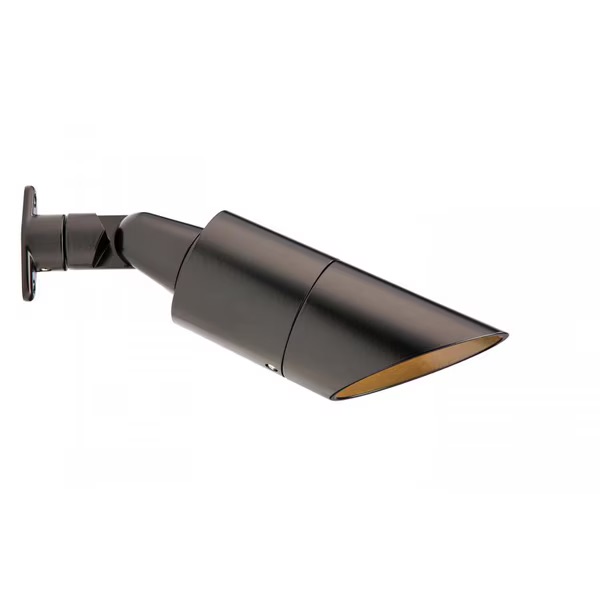
Yes. Landscape changes, new planting beds, grading work, hardscaping, or even trenching for services such as outdoor lighting installation in Toronto can accidentally expose, move, or damage irrigation lines. If low pressure begins after outdoor work, check the affected area for crushed pipe, capped lines, damaged heads, or soil settling around sprinkler components.