Freeze-Proofing Your Irrigation System: Essential Tips for Winter Protection
As the chilly embrace of winter approaches, it’s crucial to safeguard your valuable irrigation system from the detrimental effects of freezing temperatures. A well-designed and properly installed irrigation system can enhance the health and vitality of your landscape during the growing seasons, but neglecting to prepare it for the cold months can lead to costly damages and repairs. This guide will walk you through the essential steps of freeze-proofing your irrigation system, ensuring its longevity and functionality.
Freeze-Proofing Your Irrigation System
Winter is coming, and with it, the risk of frozen irrigation components. Follow these key steps to keep your irrigation system safe from the icy grip of winter
The first and most important step is to drain all water from your irrigation system. Water left within the pipes, valves, and sprinklers can freeze, expand, and cause irreversible damage. To do this, turn off the water supply and open all the valves to let the water drain out. If your system has a backflow preventer, be sure to remove it and store it indoors.
Insulating exposed components is a vital aspect of freeze-proofing. Wrap insulation around above-ground pipes and valves to provide an extra layer of protection against the cold. This can help regulate the temperature and prevent freezing.
Consider installing freeze-proof valves that are designed to minimize the risk of freezing. These valves are built to automatically drain water from the system when it’s turned off, reducing the chances of frozen components.
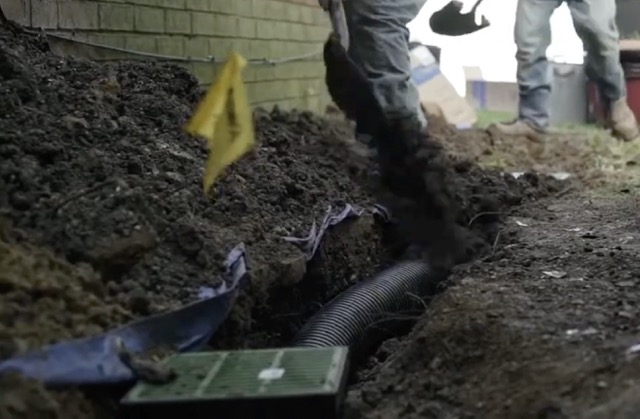
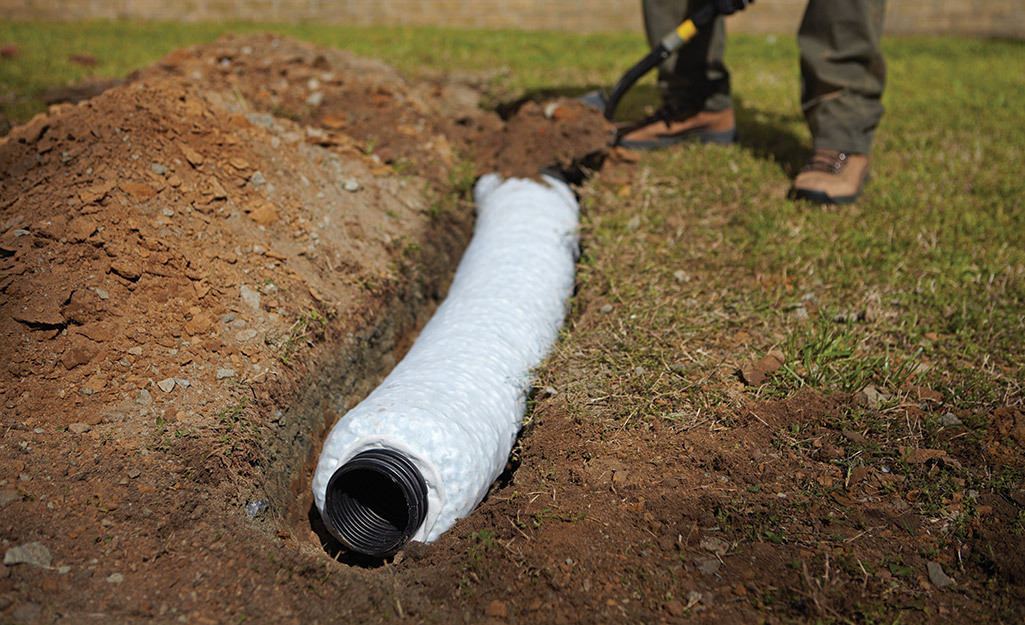
If possible, consider burying your irrigation system’s pipes deeper beneath the frost line. This offers natural protection against freezing temperatures. Remember, the depth of the frost line varies depending on your geographic location.
Perform a thorough inspection of your system before the cold sets in. Look for any leaks, cracks, or damaged components that might worsen during freezing conditions. Addressing these issues promptly can prevent bigger problems down the line.
A Vital Companion to Freeze-Proofing Your Irrigation System
In tandem with freeze-proofing your irrigation system, safeguarding your garden plants from winter’s bite is essential. Mulch around plants, trim dead branches, and consider anti-desiccant sprays for broadleaf evergreens. Hydrate plants well before frost sets in, reduce watering during winter, and wrap delicate trees. Move potted plants indoors, inspect for pests, and plan for spring. By marrying these plant-focused winterization steps with irrigation precautions, your landscape will thrive come spring.
5 Key Benefits of Freeze-Proofing Your Irrigation System Through Winterization
Winterization eliminates the risk of frozen water damaging pipes, valves, and sprinklers. By avoiding these issues, you save on potential repair costs and extensive system overhauls.
Proper freeze-proofing prolongs the lifespan of your irrigation system. Shielding components from freezing temperatures prevents wear and tear, ensuring your system serves you well for years to come.
A well-maintained system contributes to sustainable water use. By freeze-proofing, you prevent leaks caused by freezing and thawing, conserving water and reducing wastage.
Freeze-proofing maintains your system’s efficiency. Unobstructed pipes and valves ensure optimal water flow, enhancing the overall performance of your irrigation system.
Come spring, a freeze-proofed system springs back to action smoothly. With minimal preparation needed, you’ll be ready to enjoy a lush and healthy landscape without delays.
Potential Consequences of DIY Freeze-Proofing Irrigation System
Improperly draining your system during DIY freeze-proofing can leave residual water, leading to freeze-related damages. Neglecting this step might result in burst pipes and cracked valves, necessitating expensive repairs.
Lack of proper insulation on exposed components could render your efforts ineffective. Without sufficient protection, your system remains vulnerable to freezing temperatures, potentially leading to operational disruptions.
Mishandling valves and components during freeze-proofing can result in improper reassembly. If not correctly reinstated, these components might not function optimally, affecting the efficiency and performance of your irrigation system.
DIY freeze-proofing might overlook specific vulnerabilities unique to your system’s layout. A professional assessment considers these nuances, ensuring comprehensive protection against freezing.
Many irrigation systems come with warranties that stipulate professional maintenance. DIY freeze-proofing could void these warranties, leaving you financially responsible for any subsequent damages.