Automatic irrigation valves (control valves) are valves that are activated with a low voltage output from the controller and are connected to the controller by direct burial low voltage wire. A group of control valves located together is called a manifold. A separate irrigation valve is responsible for each zone of the irrigation system.
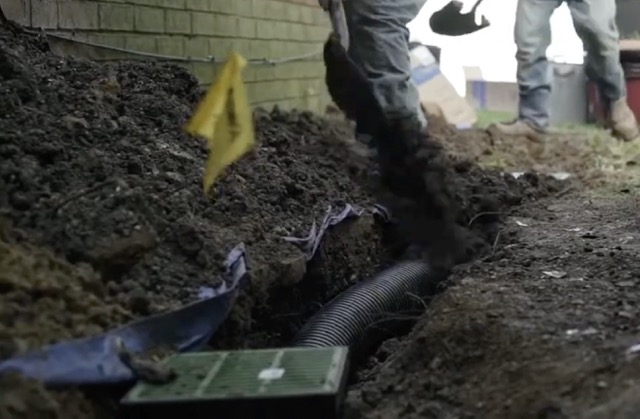
Irrigation sprinkler valves are generally plastic for residential and most commercial applications and metal for heavy-duty sites like golf courses and municipal pumping stations. Sprinkler valves can be grouped together in manifolds, or the valves are installed individually – valves should always be buried inside a plastic irrigation valve box. It is recommended to use a minimum valve box size of 10 inches round for single valves. Sprinkler valves are operated electronically using low voltage 24v power generally of 18 gauge wire for residential, and 14 gauge wire for commercial. Valves require one 24v power wire for each valve and a commonly connected “common” wire shared between each valve.
Types of irrigation valves that we install
Hunter Valves
Hunter has assembled one of the most versatile line-ups in the industry. These sprinkler valves provide superior flow control and are the heart of your irrigation system. From low flow to high flow, clean water to dirty water, and low pressure to high pressure, every Hunter irrigation valve will work reliably for the lifetime of your irrigation system.
Hunter (SRV) valves
Who said that dependable performance and affordable pricing were mutually exclusive terms when it comes to residential valves? Hunter makes it possible to get both, along with the type of solid construction you’d expect to cost considerably more. In addition, the SRV boasts diaphragm support to prevent stress failure, an internal manual bleed to keep the valve box dry, and the heavy-duty Hunter solenoid. Plus, to meet the particular needs of each individual system you install, the SRV is available in either flow control or non-flow control models. Built to accommodate a budget as well as it does an irrigation system, that’s the simple, reliable Hunter SRV.
Rain Bird Valves
This Rain Bird irrigation valve is built for below-ground installations. Suitable for use with any standard sprinkler timer, it operates electrically with a 24v timer or manually by turning the solenoid 1/4″ counter-clockwise. The energy-efficient, low-power encapsulated solenoid features heavy-duty construction that resists power surges. This inline valve has a manual bleed to clear debris. Made for water environments, it has a reliable, non-clogging design with reverse flow functionality that prevents leaks and flooding.
How does the irrigation valve work
Most common issues associated with the sprinkler valve:
Broken Sprinkler Head
This is the very usual problem caused by running into a lawnmower blade or shovel. This requires unbolting the sprinkler head and bolting a new one. For avoiding this from occurring in the future, install the sprinkler valve a bit lower to escape it from a lawnmower. Don’t attempt this procedure of removing the sprinkler head. Improper work could spoil the threads. Professional service is the best option if you’re unsure.
Stuck valve
Valves of the sprinkler may be stuck due to pieces of stone in them and refraining to be closed completely. If this is the issue in the diaphragm of the valve then unbolt the solenoid to release the pressure. After the water is flowing through the valve, shut off the solenoid. This will usually solve the problem. If your valve has already had a similar issue before, then there are chances that the water supply has a continuous issue of dust or debris. You need to install a good quality filter upstream of the valve to avoid the problem from reoccurring.
Wiring
If you look at the control unit and its programming with valve is done properly but still, any of the sprinkler valves in the lawn are not working properly, so you need to examine your wirings. Check for weathering in all the places like grounding that are more susceptible to it. If you find any weathering then remove that piece of wire and rewire it to the sprinkler valve connection. Perform this to all the valve connections to make sure that there are no wiring concerns. This requires careful work and needs to be done precisely depending on the condition. It may call for the complete rewiring of all the sections of the above-mentioned operation does not work well.
Irregular Watering
Uneven watering is a tricky problem to solve as there may be more cases that are causing the issue. There might be a wrong sprinkler head on the valve restricting the flow of water. Sprinkler valves may be very much distant. You can examine this by looking at whether the water from the sprinkler valves is within reach of another. If this is the issue and sufficient water is not arriving, then sprinkler heads may be changed to another size.
Irrigation Valve is a crucial part of sprinkler irrigation systems and periodic inspections and correct maintenance will make sure that your irrigation system is performing at its best level. Whether you want to service or upgrade your existing lawn irrigation system, the best option is to contact a specialized company that has the knowledge and experience to help you.