Irrigation Opening
Opening Cost Calculator
Check-Up / Service Call
Full inspection, diagnostics, pressure testing, and system adjustments.
BOOK ONLINEUsually, the price for irrigation opening is $90 + tax. The price can vary if the system is commercial or big residential.
GET IT NOWBasically, the price for winterization is $100 + tax. The cost can vary if the system is commercial or big residential.
GET IT NOWPrices start at $550 per zone. We use Hunter and Rain Bird materials. 5-year warranty. Parts and labor are included.
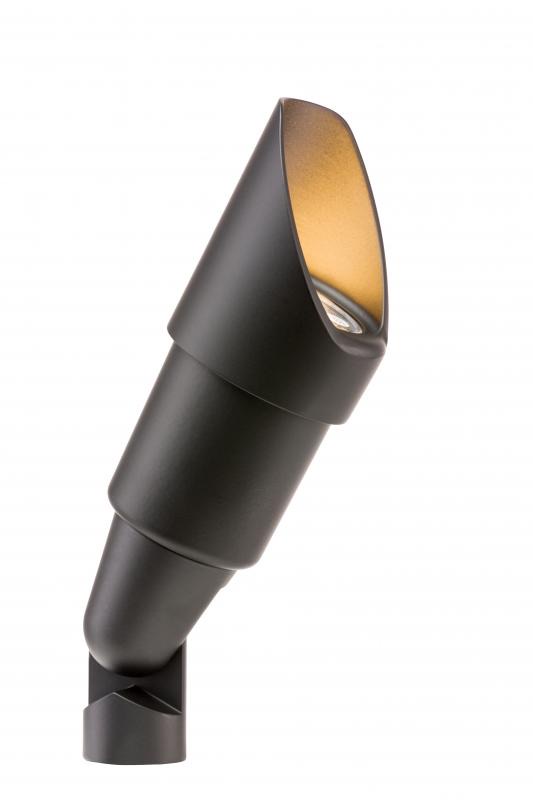
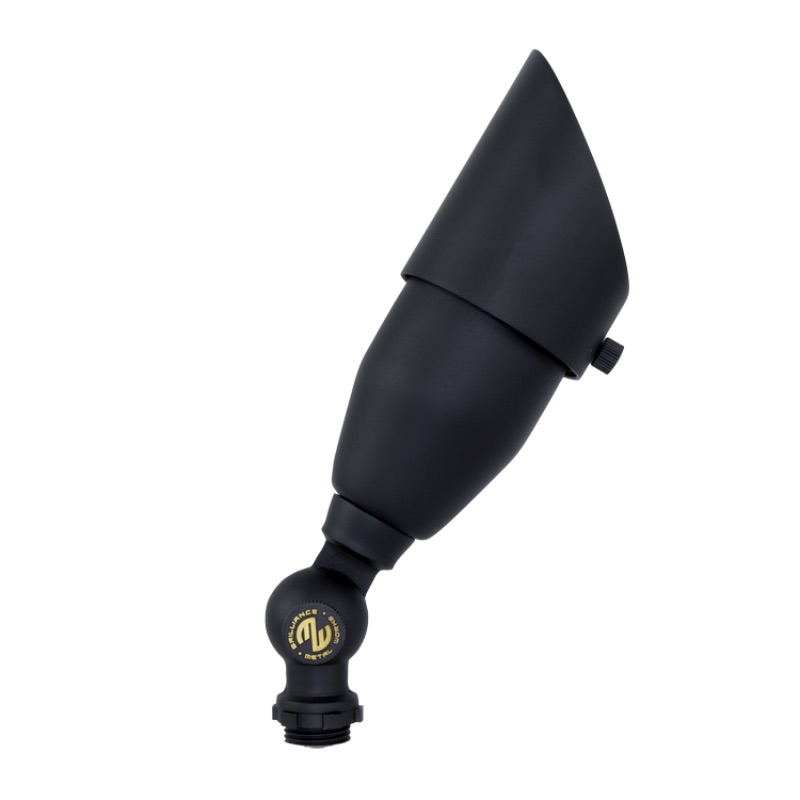
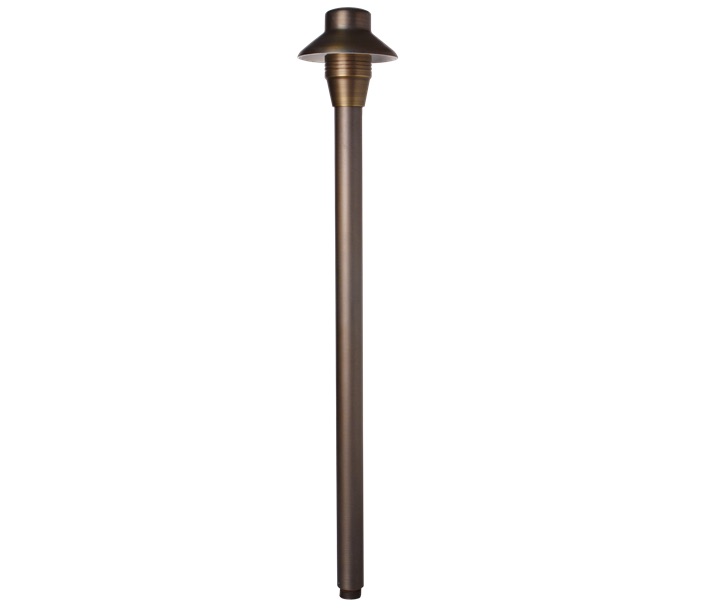
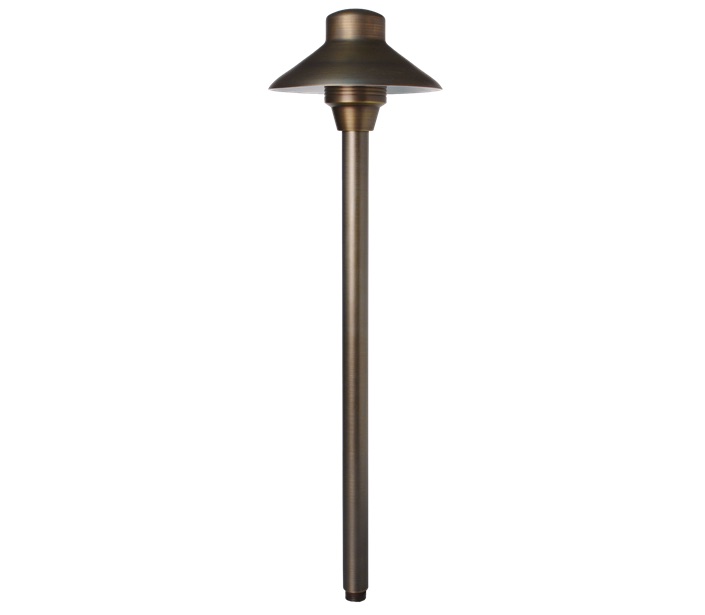
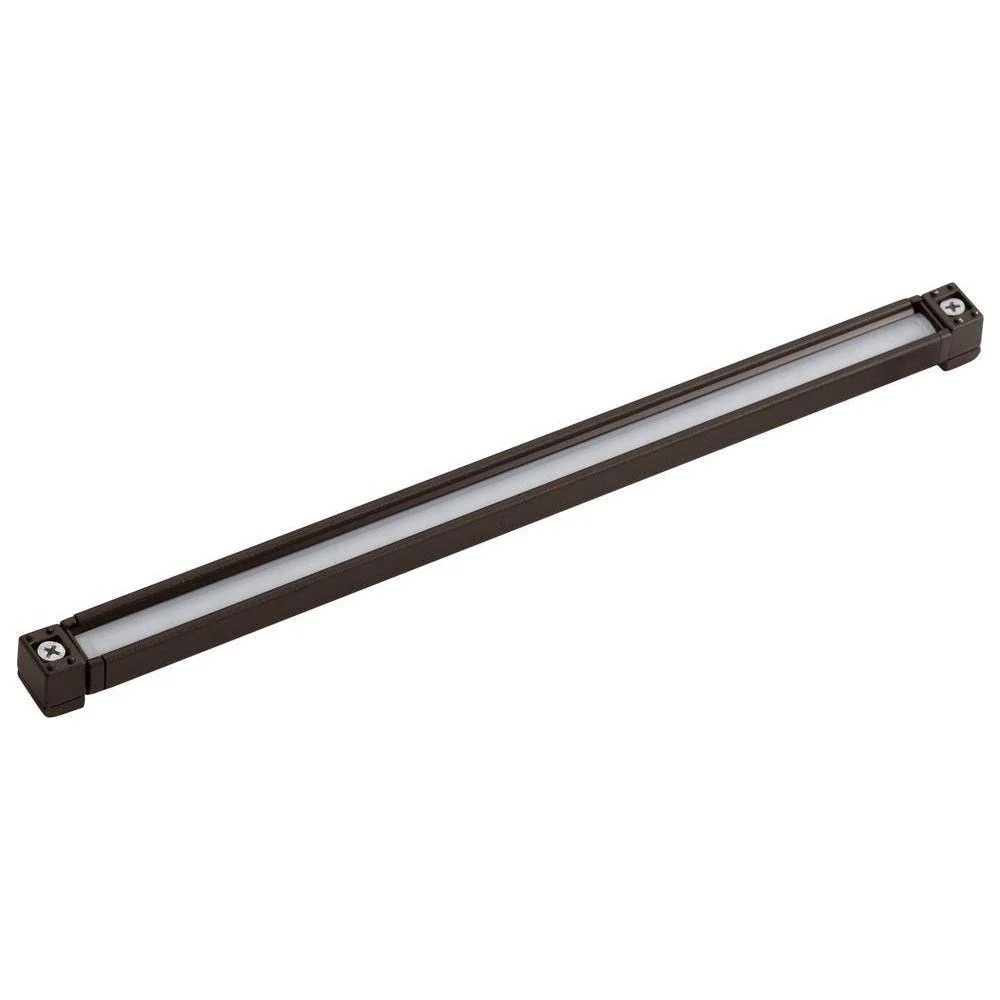
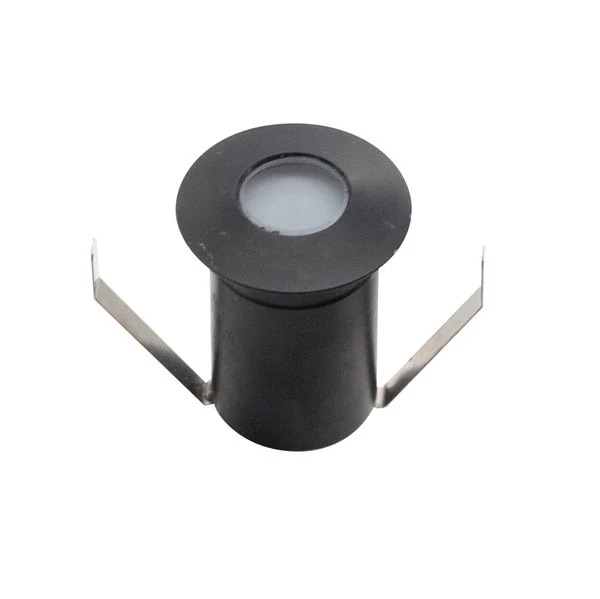
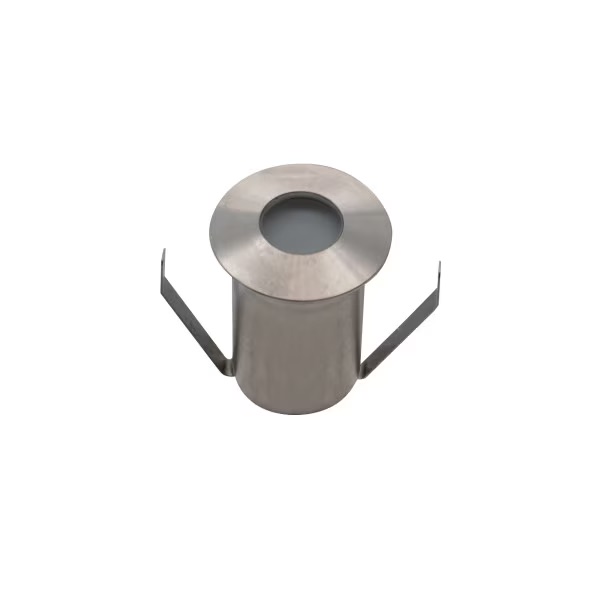
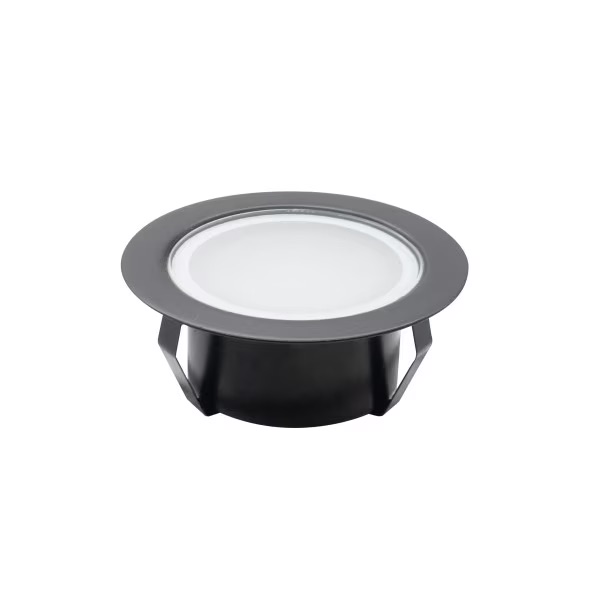
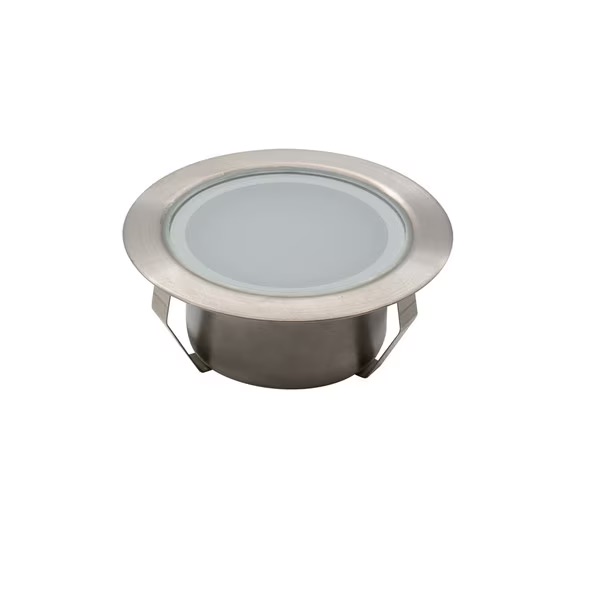
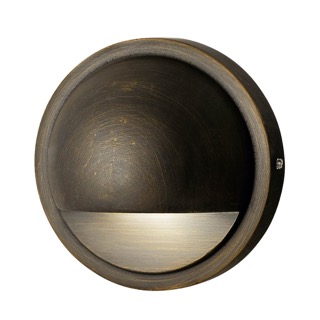
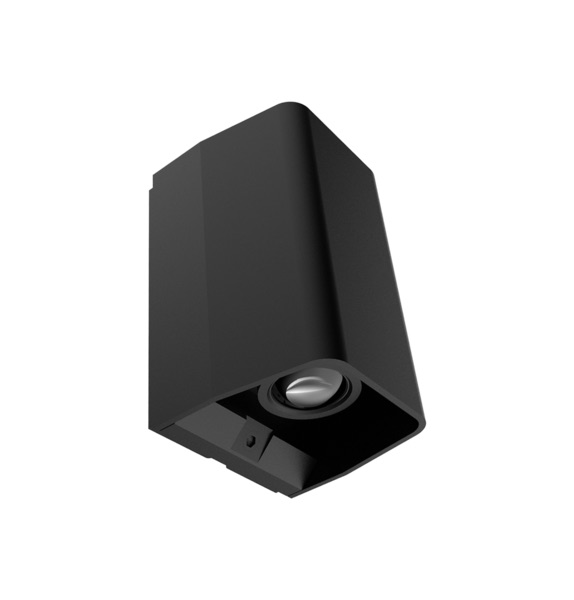
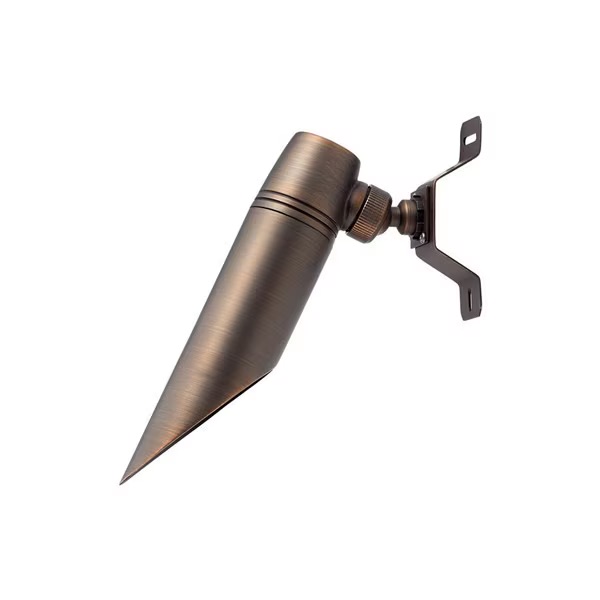
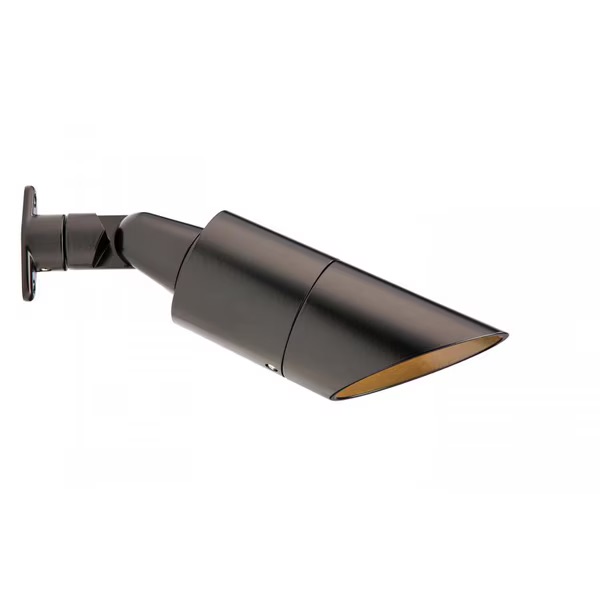
GET IT NOWLED fixtures start from $250 due to long lifespan and reduced maintenance costs. Parts & labour are included.
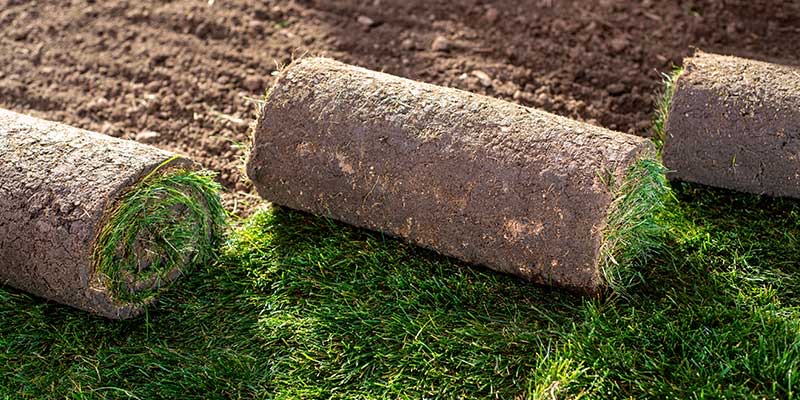
GET IT NOWResidential sod averages $1.10–$3.50 per sq.ft. Commercial starts at $0.75. Labour is included.
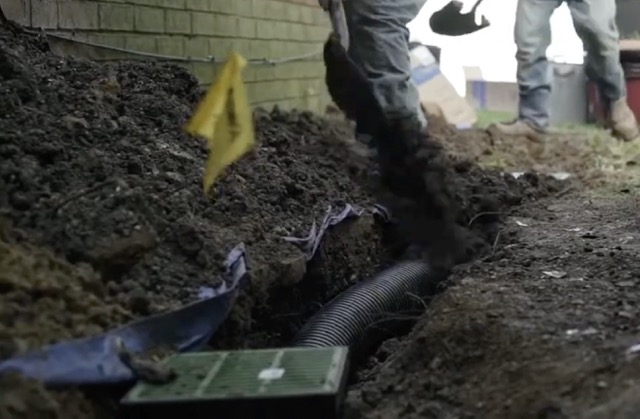
GET IT NOWFrench drainage installation cost ranges $25–$40 per foot depending on complexity. Parts and labor are included.
GET IT NOWFull inspection, diagnostics, pressure testing, and system adjustments.
BOOK ONLINE
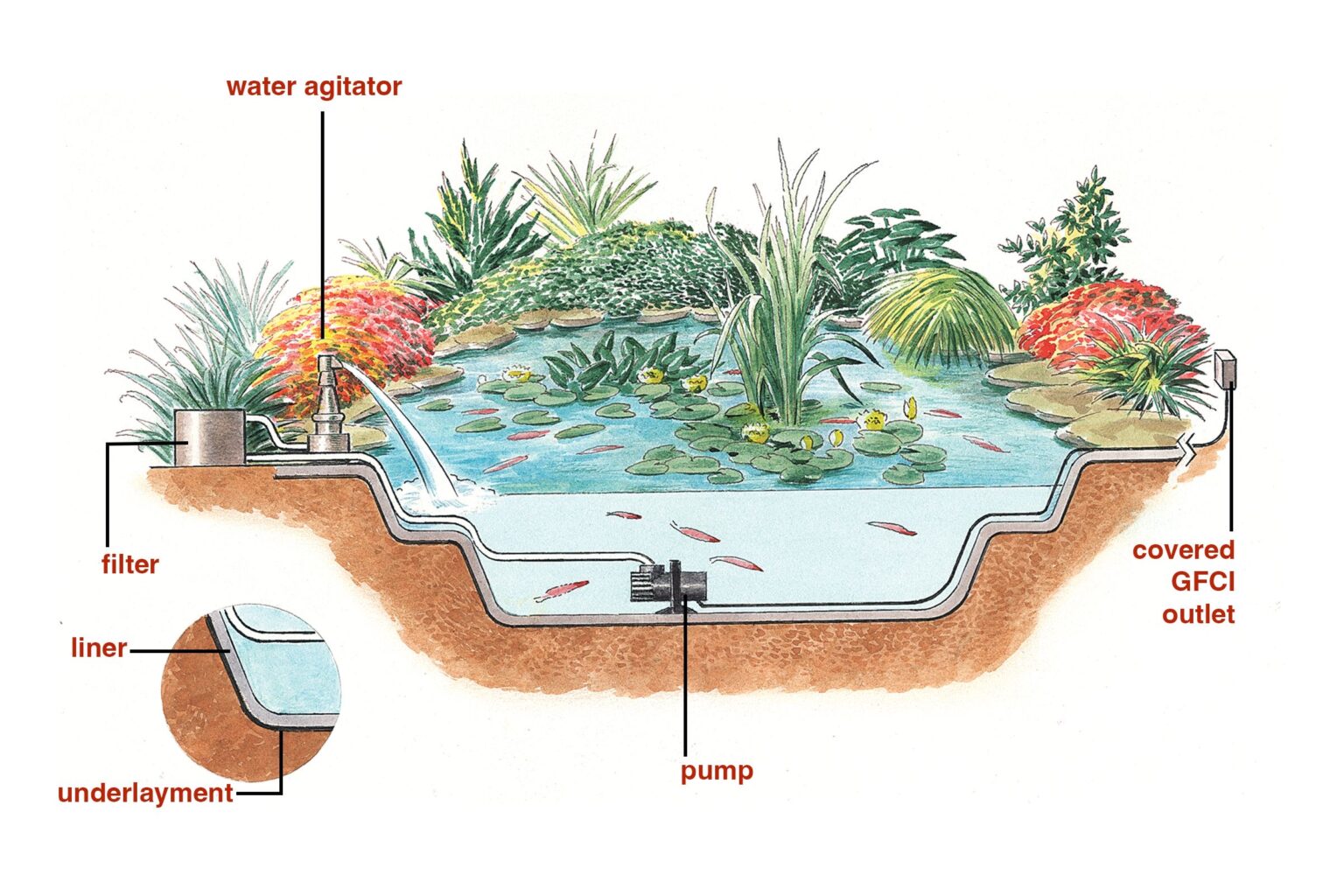
Backyard pond costs can vary significantly based on several factors. At the lower end of the spectrum, home-center kits offer a starting price of around $70. These kits generally provide a simple 9-square-foot pond with a capacity of 84 gallons. However, for larger and professionally installed ponds, a more typical size of 176 square feet can start at approximately $5,000. It’s important to note that the final cost can depend on additional features, such as landscaping, filtration systems, or decorative elements.
For those with more ambitious plans and a desire for grandiose designs, the cost of backyard ponds can easily exceed $50,000. This higher price range often includes larger pond sizes, intricate designs, premium materials, advanced filtration systems, and professional installation. It’s essential to consider your budget, desired features, and long-term maintenance requirements when planning a backyard pond, as these factors can significantly impact the overall cost.
When it comes to larger ponds that are longer than 6 feet on each side and deeper than 18 inches, it is generally recommended to hire professionals. These projects involve extensive digging and heavy work, making it more suitable for experts in the field. On the other hand, smaller ponds can be viable DIY projects. However, it is advisable to leave the plumbing and electrical work to professionals for safety and efficiency.
The longevity of a backyard pond depends primarily on the quality of the liner used. The best liners typically come with a 20-year warranty and can last anywhere from 30 to 40 years, ensuring a considerable lifespan for your pond.
The maintenance of a backyard pond involves some ongoing costs. Running a pump for a typical 176-square-foot pond requires approximately $260 in electricity expenses per year. Filters need regular cleaning to maintain optimal performance. If you prefer to have professional assistance, hiring a pond-maintenance firm typically starts at around $150 per year. Regular maintenance is essential to keep your pond in good condition and ensure its longevity.
Ideally, ponds should receive sunlight in the morning and shade in the afternoon. This balanced exposure helps keep the water cooler, which discourages the growth of algae blooms and promotes a healthier pond environment.
While a tree's afternoon shade can be beneficial, placing a pond directly under a tree's branches will lead to frequent clogging from leaves, seeds, or needles unless constant maintenance is provided. If there is a young tree nearby, it's crucial to consider its mature spread before finalizing the pond's location to avoid future issues.
It is recommended to have the pond within sight from your house to ensure regular attention and maintenance. Additionally, if the pond is placed more than 20 feet away from your patio, you may not be able to hear the soothing sounds of water features such as waterfalls or fountains.
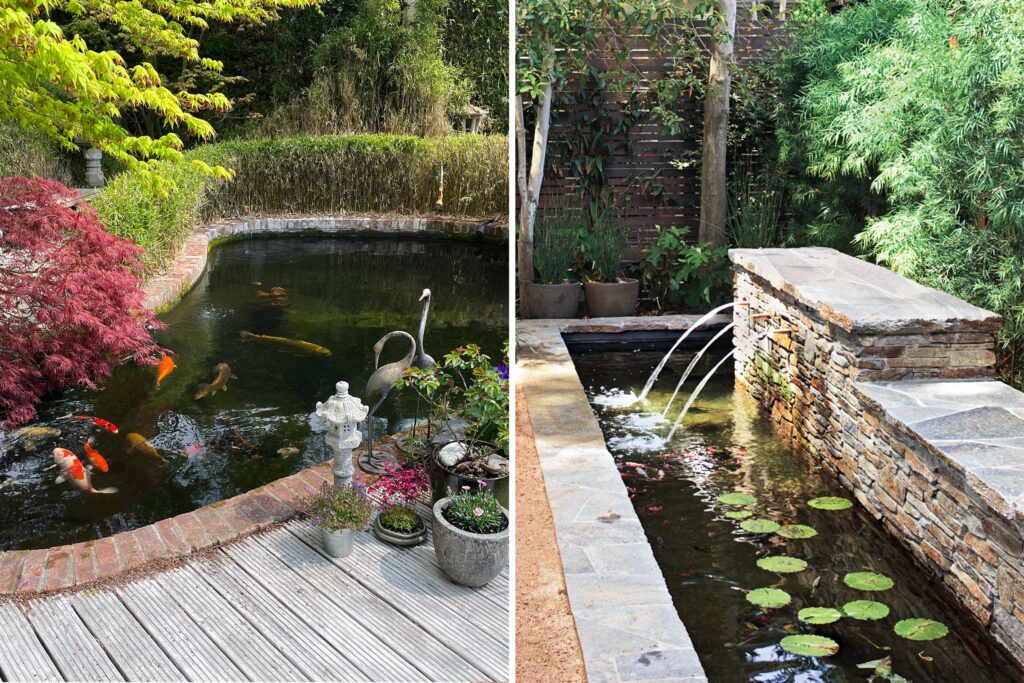
Blending seamlessly, these ponds integrate native stones, plants, and irregular edges with the landscape.
Embracing popularity, these ponds feature free-form edges adjacent to brick, concrete, or stone patios, with a mix of native and non-native plants
Geometric elegance defines these ponds, often lined with costly mortared stone or poured concrete, suitable for reflecting pools or showcasing fish, with sparse or no plantings.


Thrives in the vicinity of pond boundaries, flourishing in damp soil or shallow water. Its hollow stems ensure a constant supply of oxygen to the root zone and fish throughout the year. This perennial plant showcases spear-shaped foliage that can reach an impressive height of 10 feet.


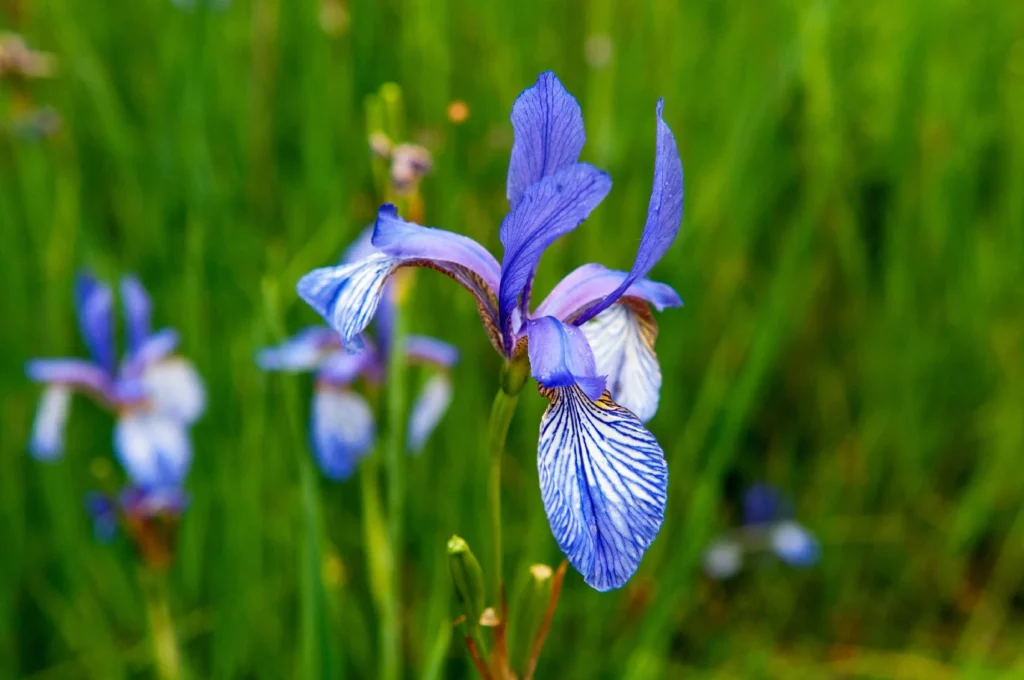
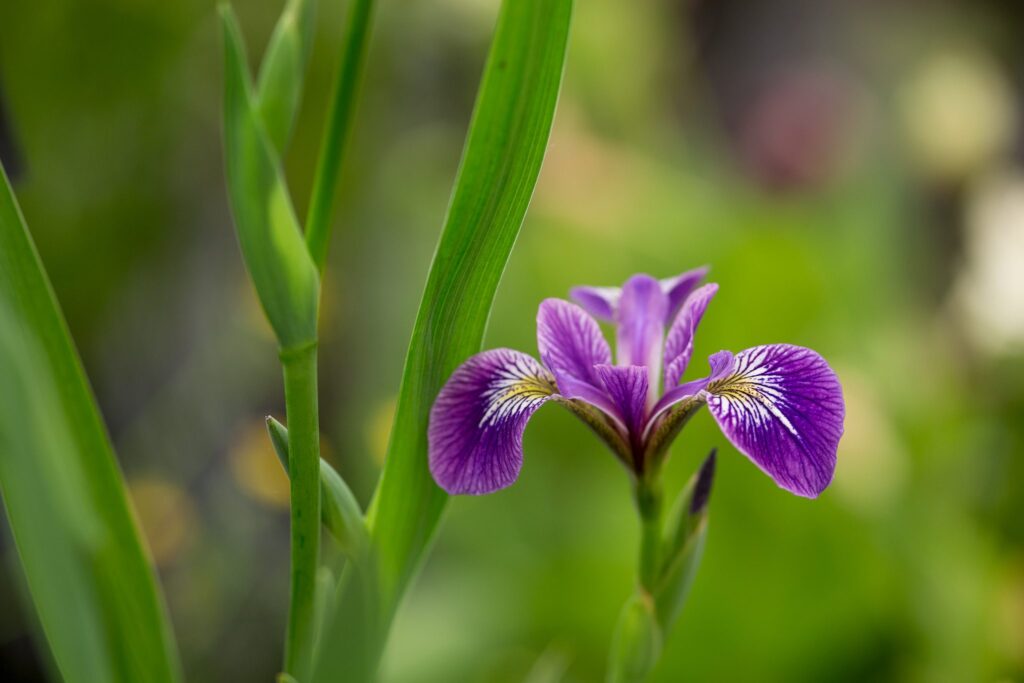
Ideal for container planting, this iris species thrives when submerged in 3 inches of water. It produces striking flowers measuring 5 inches in width, displaying shades of blue or purple atop 24-inch stems. This plant can tolerate partial shade and is a perennial, with gracefully arching leaves that can grow up to 30 inches tall.