Is a Concrete or Stone Retaining Wall Better?
A concrete retaining wall is often better for higher walls, tight structural requirements, modern designs, and areas with significant soil pressure. A stone retaining wall is often better when you want a natural look, garden-style texture, and a wall that blends into planting beds. The best choice depends on the wall height, drainage needs, soil conditions, access, budget, and the overall backyard design.
When Is a Concrete Retaining Wall the Better Choice?
Concrete is usually the stronger option when the wall must hold back a serious slope, support a driveway or patio edge, or fit a clean modern landscape. Poured concrete, concrete blocks, and engineered segmental systems can be designed for strength and predictable performance. Concrete may also suit yards with sharp grade changes, narrow access, or straight architectural lines.
When Is a Stone Retaining Wall the Better Choice?
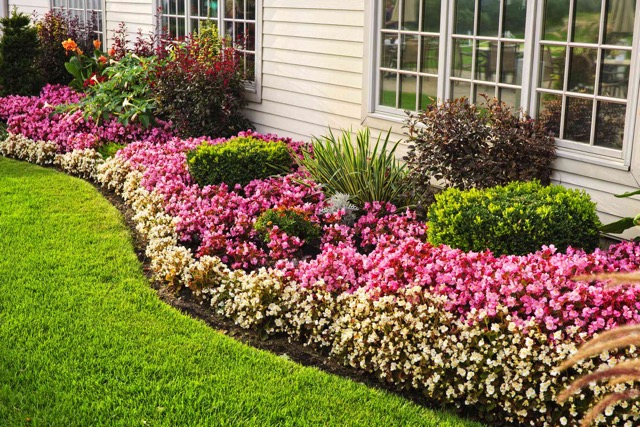
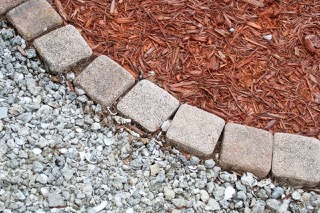
Stone is often better when appearance and natural landscape character matter most. Natural stone or armour stone can soften a backyard slope, frame garden beds, and work well with planting, mulch, river rock, and pathways. If you are comparing wall materials alongside bed finishes, review mulch vs river rock for landscaping because the surface material changes the final look and drainage behaviour.
Which Retaining Wall Lasts Longer?
Both concrete and stone retaining walls can last for many years when built correctly. Lifespan depends less on the label and more on excavation, base preparation, drainage, backfill, wall height, soil pressure, and freeze-thaw performance. A poorly drained concrete wall can crack or lean, while a poorly built stone wall can shift or settle. Proper construction matters more than material alone.
Which Retaining Wall Is Better for Drainage?
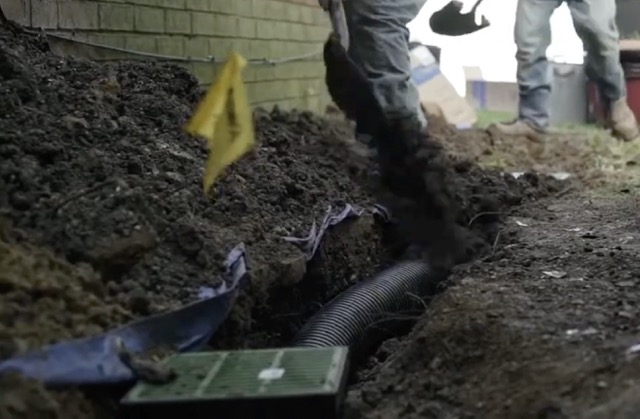
Neither material works well without drainage. Retaining walls need proper backfill, drainage stone, filter fabric, and often a perforated drain pipe behind the wall. Stone walls may appear more drainage-friendly, but water pressure can still build behind them if the base and backfill are wrong. Concrete walls especially need drainage planning because trapped water can create pressure, cracking, and movement.
Which Retaining Wall Looks Better in a Toronto Backyard?
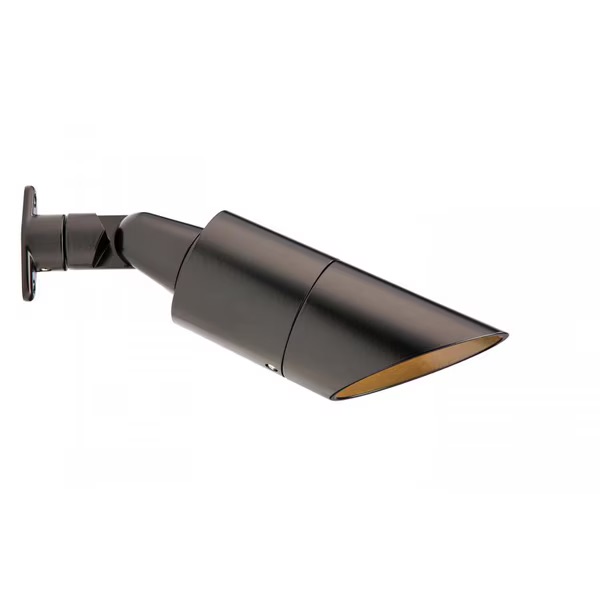
Stone often looks warmer and more natural in traditional gardens, cottage-style yards, and planting-heavy landscapes. Concrete often looks better in modern yards with clean lines, patios, steps, and structured outdoor rooms. If the wall is part of a full backyard upgrade, think about lighting as well; outdoor lighting installation cost in Toronto can affect the final project budget and nighttime appearance.
Which Retaining Wall Costs More?
Cost depends on wall height, access, excavation, drainage, engineering, material type, and disposal. Concrete block systems can be efficient for repeatable designs, while poured concrete may cost more when forms, reinforcement, and finishing are involved. Natural stone and armour stone can also become expensive because of material weight, delivery, machine access, and installation skill. The least expensive wall is not always the best value if drainage or base prep is skipped.
Can Retaining Walls Support Privacy Plants?
Yes, but the wall and planting bed must be planned together. Privacy plants need enough soil depth, drainage, root space, and irrigation access. Planting too close to a retaining wall can add root pressure or make maintenance difficult. If privacy is part of the project, compare options in best privacy plants for Toronto backyards before finalizing wall height and bed layout.
Which Wall Is Easier to Repair?
Segmental concrete block walls can sometimes be repaired by removing and resetting sections if the damage is local. Natural stone walls can also be adjusted, but matching stone and resetting heavy pieces may require equipment. Poured concrete is harder to modify once built. If the wall is leaning, cracking, or bulging, the real issue may be drainage or base failure, not just the visible material.
How Do You Choose Between Concrete and Stone?
Choose concrete when strength, height, modern lines, and engineered predictability are the top priorities. Choose stone when natural appearance, garden integration, and texture matter most. For many Toronto backyards, the best design combines a structurally appropriate wall with planting beds, lighting, drainage, and surface materials. A full landscaping plan helps connect the retaining wall to the rest of the yard instead of treating it as a standalone structure.